

News
We are glad to share with you about the results of our work, company news, and give you timely developments and personnel appointment and removal conditions.
 10 2026-10
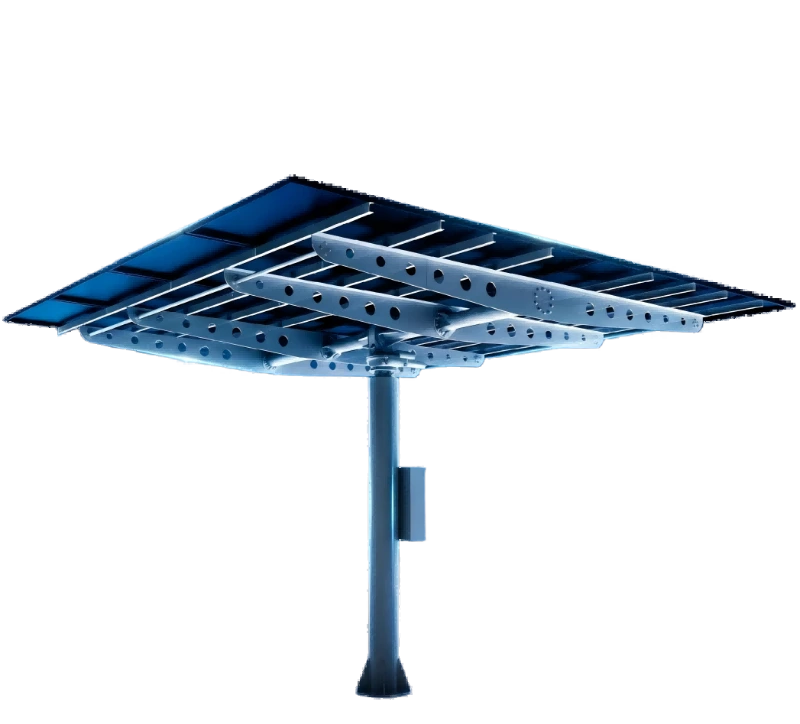
How Can a Dual-Axis Solar Tracking System Improve PV Efficiency?
A Dual-Axis Solar Tracking System helps photovoltaic installations adjust panel orientation to follow the sun throughout the day and across seasonal changes. Unlike fixed mounting structures, this technology adjusts both horizontal and vertical angles, allowing solar modules to maintain a more favorable position relative to incoming sunlight.
 22 2026-09
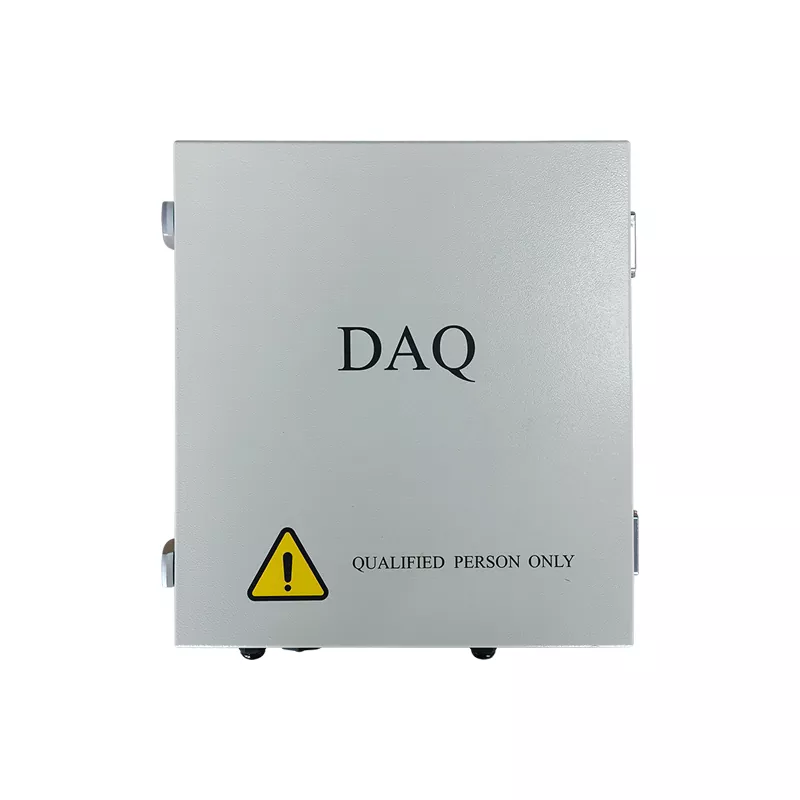
What Is a Solar Control Communication Cabinet for Smarter PV Tracking?
In a tracking-based photovoltaic system, accurate panel movement is only one part of the challenge. Operators also need dependable data transmission, coordinated control, rapid fault response, and protection against changing weather conditions. A Solar Control Communication Cabinet helps connect these requirements by acting as an important communication and control layer between tracker-level devices and higher-level monitoring systems.
 14 2026-09
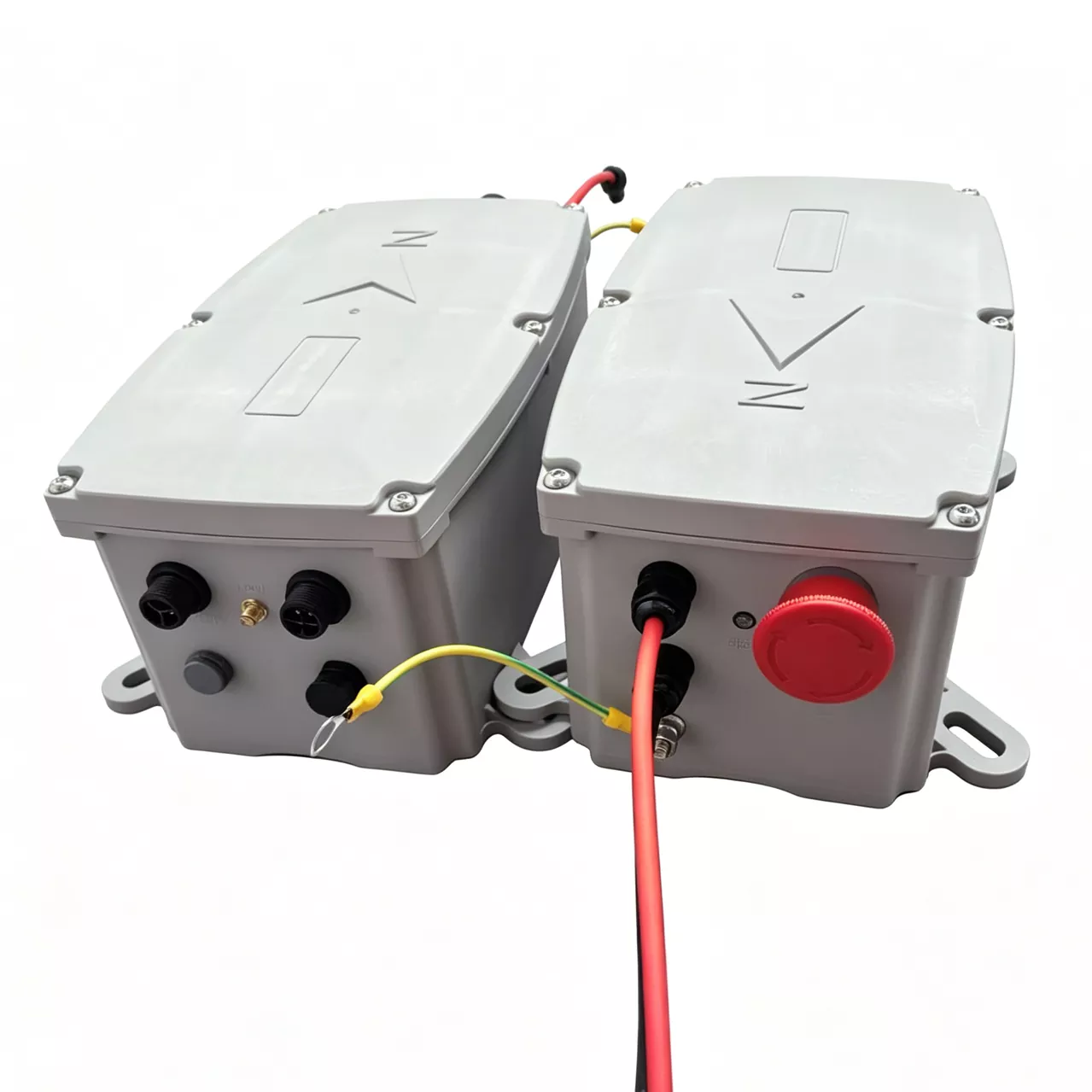
How Does an Intelligent PV Tracker Improve Solar Power Generation?
An Intelligent PV Tracker dynamically adjusts the orientation of photovoltaic modules according to the sun's changing position and operating conditions. Compared with fixed-tilt installations, tracking technology can increase solar radiation received by the modules and improve energy yield when site conditions, system design, and economics are suitable. Modern intelligent trackers can combine astronomical positioning, sensors, motorized drives, control algorithms, weather information, backtracking, and remote monitoring to optimize operation throughout the day.
 07 2026-09
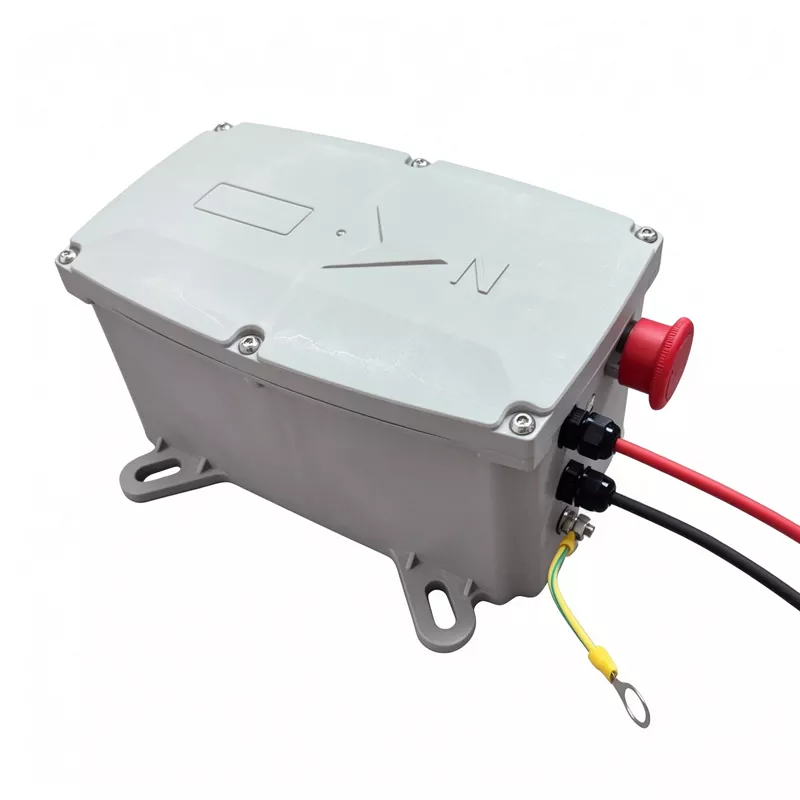
How Does a Multi-Row Multi-Drive Solar Tracker Improve Large-Scale Solar Performance?
A Multi-Row Multi-Drive Solar Tracker is designed to address several challenges faced by large photovoltaic installations, including limited land utilization, complex terrain, wind exposure, row shading, tracking accuracy, maintenance access, and energy losses caused by suboptimal panel orientation. By coordinating multiple rows and drive mechanisms, this tracking architecture can provide controlled solar-panel movement across large solar fields while improving operational flexibility.
 31 2026-08
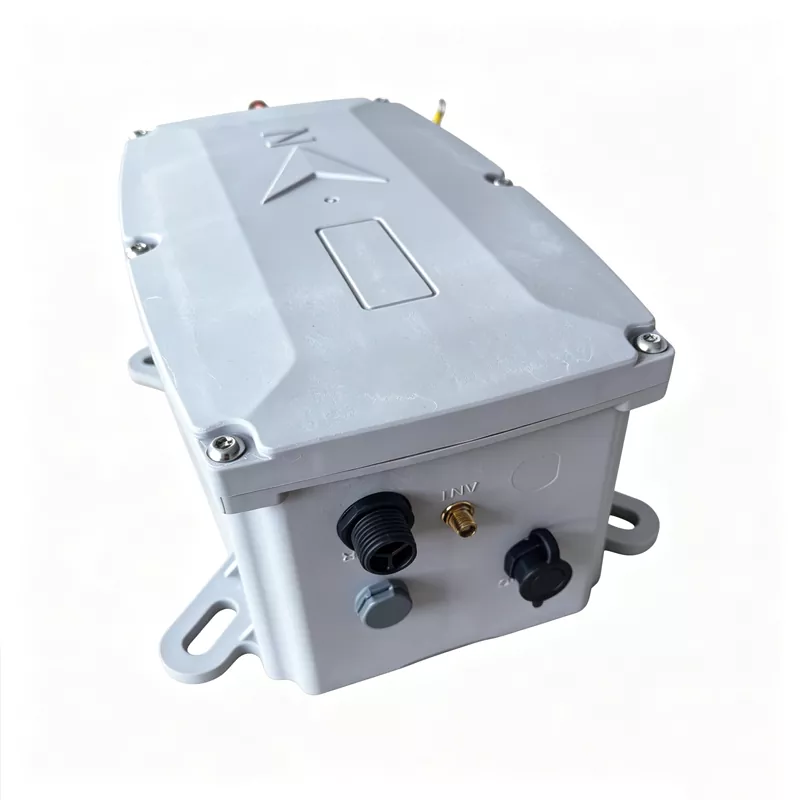
How Does a Single-Axis PV Tracker Improve Solar Energy Performance?
A Single-Axis PV Tracker is a solar mounting system designed to rotate photovoltaic modules around one axis so that their surface remains better aligned with the sun throughout the day. Compared with fixed-tilt structures, tracking technology can increase solar irradiation captured by PV modules and improve energy production, particularly in locations with strong direct sunlight. However, the benefits of a tracker depend on project location, land conditions, system design, module configuration, wind loading, maintenance strategy, and overall project economics.
 27 2026-08
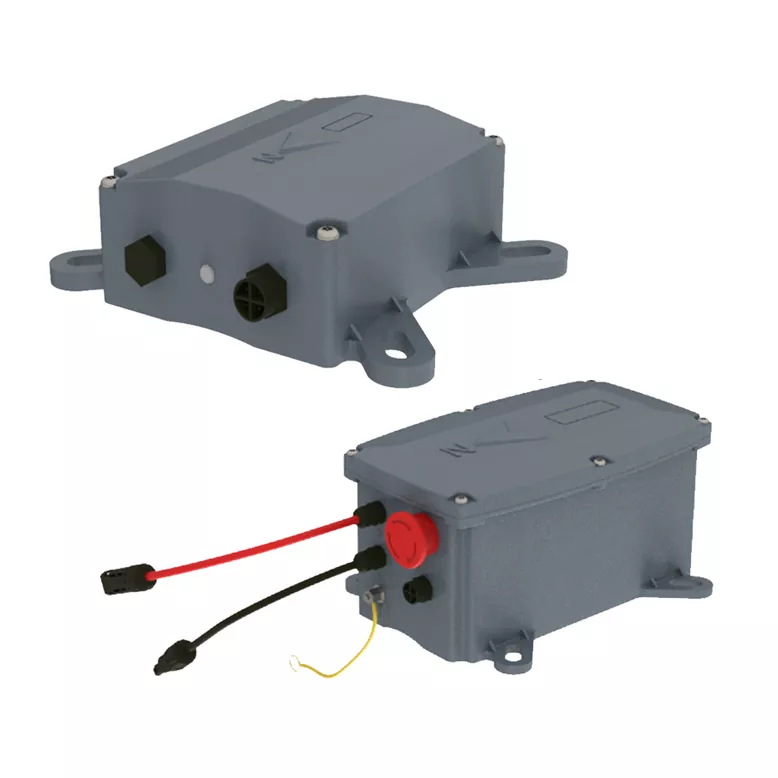
How Does a PV Module Tracking Controller Improve Solar Tracking Performance?
A PV module tracking controller is the control center of a solar tracking system. It coordinates sensor signals, astronomical positioning data, motor operation, safety protection, and communication functions so that photovoltaic modules can maintain a more favorable orientation toward the sun.