
How Does a Single-Axis PV Tracker Improve Solar Energy Performance?
A Single-Axis PV Tracker is a solar mounting system designed to rotate photovoltaic modules around one axis so that their surface remains better aligned with the sun throughout the day. Compared with fixed-tilt structures, tracking technology can increase solar irradiation captured by PV modules and improve energy production, particularly in locations with strong direct sunlight. However, the benefits of a tracker depend on project location, land conditions, system design, module configuration, wind loading, maintenance strategy, and overall project economics.
This article explains how single-axis tracking works, where it delivers the greatest value, what technical factors should be evaluated before installation, and how an appropriately engineered tracking system can support reliable long-term photovoltaic generation.
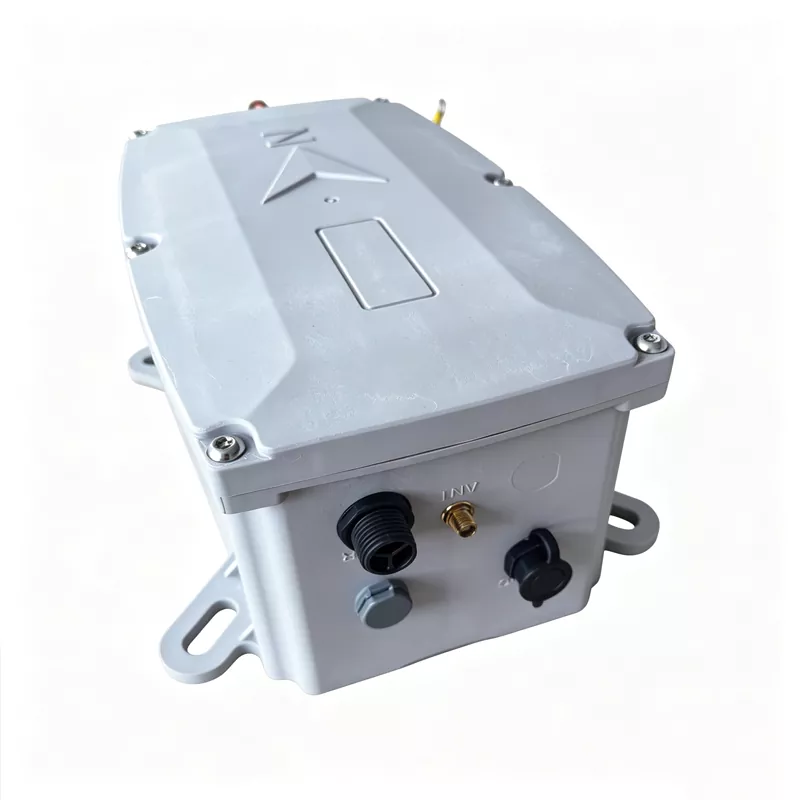
Table of Contents
- What Is a Single-Axis PV Tracker?
- How Does the Tracking System Work?
- How Does Tracking Improve PV Performance?
- Key Components of a Single-Axis Tracking System
- Where Are Single-Axis PV Trackers Used?
- Important Factors Before Choosing a Tracker
- Single-Axis Tracker vs. Fixed-Tilt Mounting
- Maintenance and Long-Term Reliability
- Common Project Challenges and Practical Solutions
- Working With an Experienced Tracking Technology Supplier
- Frequently Asked Questions
- Conclusion
What Is a Single-Axis PV Tracker?
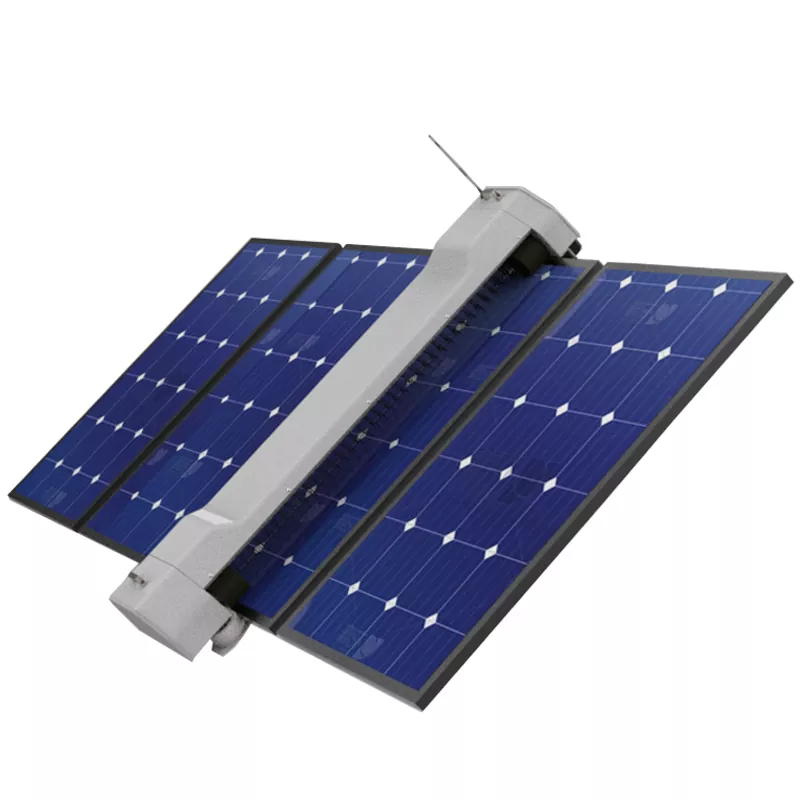
A Single-Axis PV Tracker is a motorized photovoltaic mounting structure that changes the orientation of solar panels around one rotational axis. Instead of keeping modules at a fixed angle throughout the day, the tracker adjusts their position according to the apparent movement of the sun.
Most utility-scale systems use a horizontal north-south axis, allowing PV modules to rotate from east to west during daylight hours. This configuration is widely adopted because it provides a practical balance between energy gain, mechanical complexity, land utilization, and installation requirements.
The fundamental purpose is straightforward: keep photovoltaic modules in a more favorable orientation for receiving sunlight. Better solar incidence can increase the amount of usable energy generated by the PV array, especially during morning and afternoon periods when a fixed system may receive sunlight at a less favorable angle.
Key point: A tracker does not create additional sunlight. Instead, it improves the orientation of PV modules so a larger portion of available solar radiation can be captured during suitable operating conditions.
How Does the Tracking System Work?
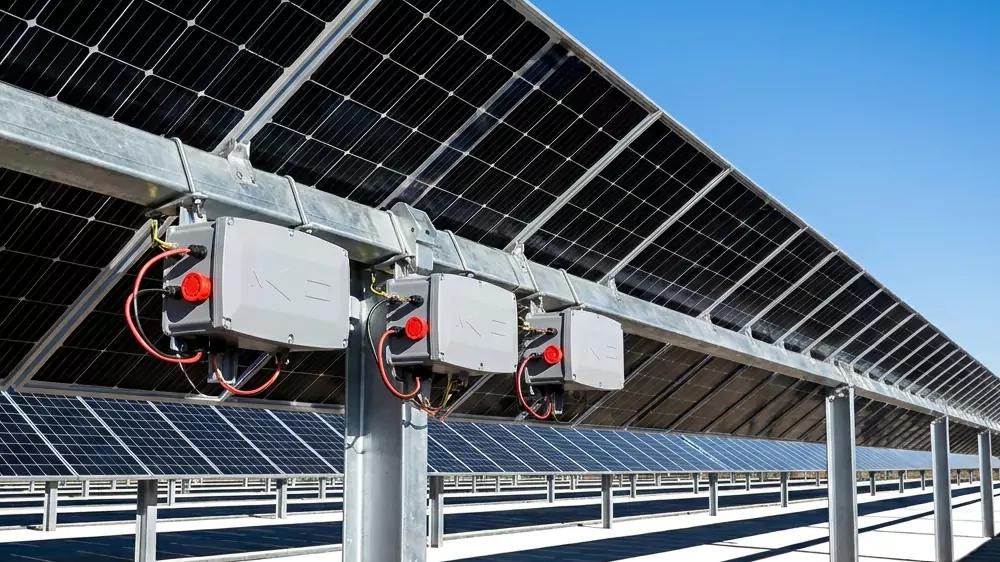
A typical Single-Axis PV Tracker combines a mechanical drive system with an electronic control system. Sensors, astronomical algorithms, or a combination of control methods determine the appropriate panel position. The controller then commands the actuator or motor to rotate the tracker.
- Solar position calculation: The control system determines the sun's expected position based on time, geographical coordinates, and astronomical calculations.
- Position control: The controller determines the required tracker angle.
- Mechanical movement: Motors, gear systems, actuators, or related drive components rotate the module rows.
- Operating optimization: The tracker continuously or periodically adjusts its position throughout the day.
- Protective positioning: During strong winds, storms, or other abnormal conditions, the system can move toward a predefined safe position.
Modern tracking systems can also incorporate wind monitoring, position feedback, communication interfaces, and automated fault detection. These functions are particularly important for large solar farms where thousands of modules may be distributed over a substantial area.
Project Planning Outline
- Evaluate solar resource and project location.
- Analyze terrain, soil conditions, drainage, and wind environment.
- Determine suitable tracker geometry and row configuration.
- Check module dimensions, weight, electrical layout, and mechanical compatibility.
- Calculate expected energy production and additional operating requirements.
- Develop installation, inspection, and maintenance procedures.
- Evaluate supplier engineering capabilities and long-term technical support.
How Does Tracking Improve PV Performance?
The most important advantage of a tracking system is its ability to improve the orientation of PV modules relative to the sun. With fixed-tilt mounting, the panels remain at one predetermined angle. This angle is a compromise because the sun's elevation and azimuth change continuously.
A single-axis tracker reduces this mismatch during daylight operation. The resulting energy improvement varies significantly according to latitude, climate, direct normal irradiance, module technology, row spacing, tracking algorithm, and site design. Therefore, project owners should avoid treating a single percentage as universally applicable.
| Performance Factor | Potential Benefit | Main Consideration |
|---|---|---|
| Solar incidence | Improved module orientation | Depends on solar resource |
| Daily generation profile | Better morning and afternoon capture | Weather and system configuration |
| Land utilization | Flexible row configuration | Backtracking and shading control |
| Energy yield | Potential increase compared with fixed mounting | Must be modeled for each project |
For investors and EPC contractors, the meaningful question is not simply whether tracking produces more electricity. The more useful question is whether the additional generation justifies the extra mechanical, electrical, civil, installation, and maintenance requirements over the project's operating life.
Key Components of a Single-Axis Tracking System
Reliable tracking performance depends on the interaction between mechanical structures, electrical equipment, and intelligent controls. A failure in one subsystem can affect an entire row or multiple tracker units.
- Torque tube: Provides the primary rotating structural support for the PV modules.
- Bearings: Support controlled rotation and help maintain mechanical alignment.
- Drive system: Converts motor power into controlled rotational movement.
- Motor or actuator: Provides the mechanical force required to change tracker position.
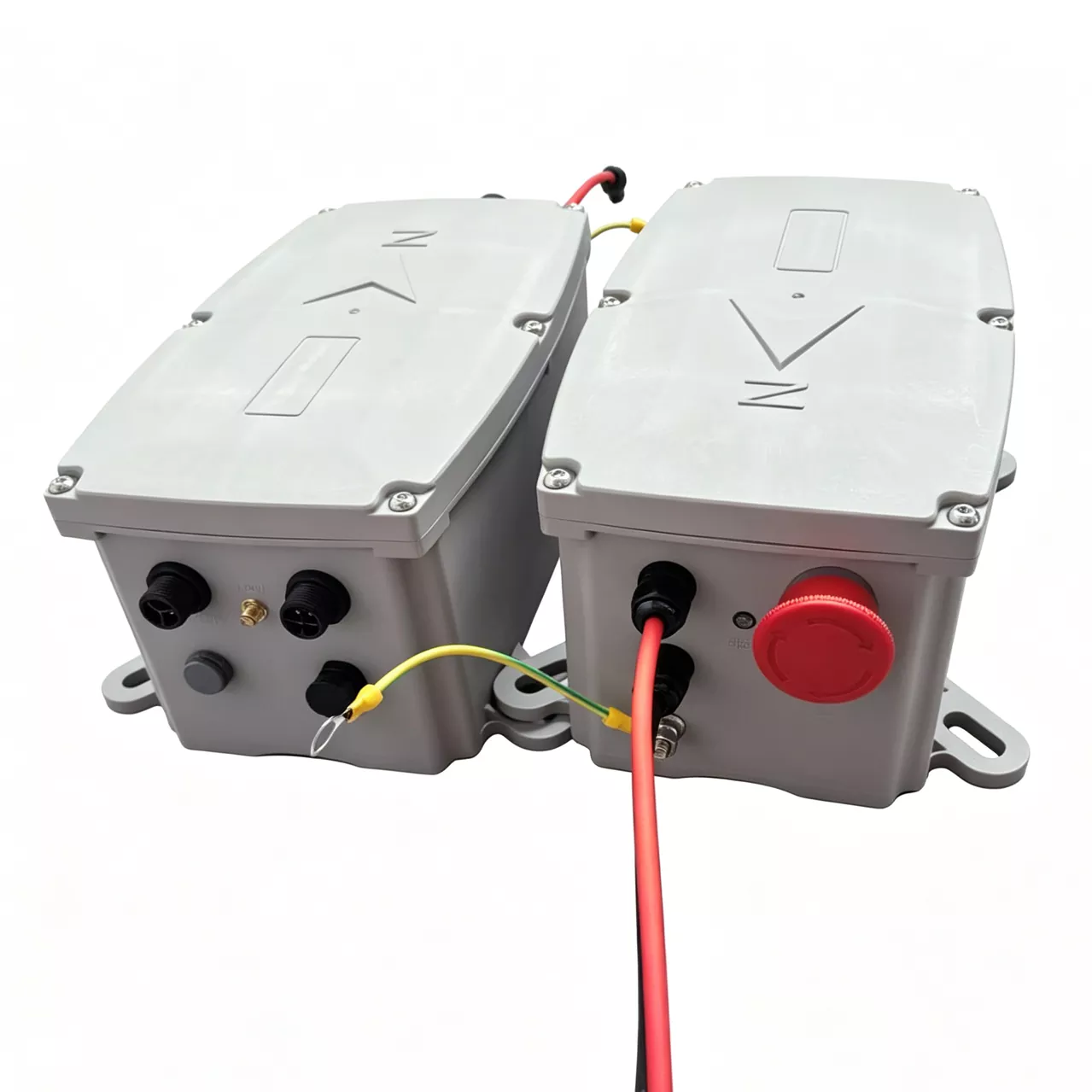
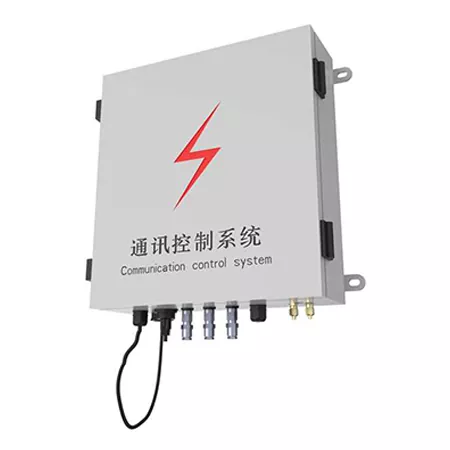
- Controller: Processes tracking commands and coordinates system operation.
- Position sensors: Confirm actual tracker position and support control accuracy.
- Communication system: Enables monitoring and control across large PV plants.
- Structural posts and foundations: Transfer mechanical loads into the ground.
- Safety functions: Support wind protection, fault response, emergency movement, and operational reliability.
Material selection is also important. Components exposed to outdoor environments must withstand ultraviolet radiation, temperature changes, humidity, dust, corrosion, and mechanical loading. Appropriate protective coatings and corrosion-resistant materials can significantly influence long-term performance.
Where Are Single-Axis PV Trackers Used?
Single-axis tracking is particularly attractive for utility-scale photovoltaic projects where additional energy yield can have a meaningful impact on the overall project economics. Typical applications include:
Utility Solar Farms
Large PV plants can benefit from centralized monitoring and automated tracking.
Commercial Projects
Suitable sites may use tracking where energy yield is a major project priority.
Large Open Sites
Relatively unobstructed land is generally easier to configure for tracker rows.
The technology is less straightforward for highly irregular terrain, heavily shaded locations, extremely constrained sites, or projects where simplicity and minimum maintenance are more important than maximizing energy yield.
Important Factors Before Choosing a Tracker
Selecting a Single-Axis PV Tracker should begin with the project rather than with a catalog specification. Different sites create different mechanical and operational requirements.
- Solar resource: Analyze irradiation patterns, latitude, seasonal variation, and the proportion of direct versus diffuse sunlight.
- Terrain: Evaluate slopes, elevation changes, drainage, and grading requirements before selecting tracker geometry.
- Wind conditions: Wind loading affects structural design, foundation requirements, and safe-position strategies.
- Soil conditions: Geotechnical data can influence pile selection, foundation depth, and installation methods.
- Module compatibility: Check module dimensions, weight, frame configuration, clamping requirements, and mechanical loads.
- Backtracking capability: This can help reduce inter-row shading during low solar angles.
- Control architecture: Large projects require reliable communication, monitoring, fault detection, and position management.
- Maintenance access: Drive units and other mechanical components should remain accessible for inspection and service.
- Lifecycle economics: Compare expected energy gains with equipment, installation, operation, maintenance, and replacement costs.
Single-Axis Tracker vs. Fixed-Tilt Mounting
Fixed-tilt mounting remains an effective and widely used solution because of its relatively simple mechanical structure. Single-axis tracking adds moving components but provides dynamic orientation throughout the day.
| Feature | Single-Axis Tracker | Fixed-Tilt System |
|---|---|---|
| Panel movement | Dynamic | Fixed |
| Mechanical complexity | Higher | Lower |
| Energy optimization | Continuous orientation adjustment | Predetermined orientation |
| Maintenance | More mechanical inspection required | Generally simpler |
| Site suitability | Best evaluated through project-specific design | Broad application range |
The correct solution depends on the project's generation target, site conditions, capital budget, maintenance capabilities, and expected operating period. A technically advanced tracker is not automatically the best solution for every site.
Maintenance and Long-Term Reliability
Because a Single-Axis PV Tracker contains moving mechanical components, preventive maintenance should be included in the plant's operating strategy from the beginning. Routine inspections can help identify wear, abnormal movement, loose connections, corrosion, and drive-system problems before they develop into larger failures.
- Inspect bearings, drive components, fasteners, and structural connections.
- Check tracker alignment and actual position feedback.
- Monitor motor current and unusual operating noise.
- Inspect cables, connectors, controllers, and communication equipment.
- Check corrosion protection on exposed structural components.
- Verify emergency and high-wind protection functions.
- Maintain clear access around critical mechanical and electrical equipment.
- Record faults and operating data to identify recurring problems.
A strong maintenance program is not simply about repairing failed components. It should combine scheduled inspections with condition-based monitoring so that potential problems can be identified early.
Common Project Challenges and Practical Solutions
| Challenge | Potential Impact | Practical Approach |
|---|---|---|
| Strong wind | Structural and mechanical stress | Engineering analysis and protective stow control |
| Uneven terrain | Installation complexity | Detailed terrain survey and appropriate tracker design |
| Inter-row shading | Energy loss | Row spacing and backtracking optimization |
| Mechanical wear | Downtime and maintenance costs | Preventive maintenance and condition monitoring |
| Communication faults | Incorrect tracking operation | Reliable network architecture and local fallback controls |
Why Engineering Quality Matters
Tracker performance is determined by much more than the movement of a solar panel. Structural design, drive precision, control logic, material quality, environmental resistance, installation accuracy, and after-sales support all contribute to the system's long-term value. For large PV projects, selecting equipment based only on initial purchase price can increase lifecycle risks. A more complete evaluation should consider reliability, energy yield, maintainability, spare parts availability, technical documentation, and supplier engineering support.
Working With an Experienced Tracking Technology Supplier
Choosing the right supplier can simplify the transition from conceptual design to commercial operation. Suzhou Ruitai Automation Technology Co., Ltd. provides automation technology solutions with a focus on engineering-oriented applications. When evaluating a supplier for photovoltaic tracking equipment, project owners and EPC companies should look beyond product appearance and ask detailed technical questions.
Important supplier evaluation points include structural calculations, tracker control logic, environmental adaptability, module compatibility, drive-system reliability, communication architecture, installation guidance, commissioning procedures, spare-parts support, and technical response capabilities.
A reliable project evaluation should answer:
- Is the tracker suitable for the project's climate and terrain?
- Can the structure support the selected PV modules?
- How does the system respond to strong wind?
- How are tracker positions monitored and controlled?
- What maintenance procedures are required?
- How are spare parts and technical support handled?
- Can the supplier provide project-specific engineering assistance?
Frequently Asked Questions
1. What is the main purpose of a Single-Axis PV Tracker?
Its main purpose is to rotate photovoltaic modules around one axis so they maintain a more favorable orientation toward the sun during daylight hours, potentially increasing energy generation compared with a suitable fixed-tilt configuration.
2. Does every solar project need a tracker?
No. Trackers are most attractive when the expected energy gain justifies their additional mechanical complexity, installation requirements, and maintenance needs. Site-specific financial and energy modeling is recommended.
3. Can a single-axis tracker work in areas with strong wind?
Yes, provided the tracker is properly engineered for local wind conditions. Structural strength, foundation design, control strategy, and protective stow positioning are all important considerations.
4. Does a tracker require more maintenance than fixed mounting?
Generally, yes. Moving components such as bearings, motors, actuators, and drive mechanisms require inspection and maintenance. However, an appropriate maintenance plan can help control operational risks.
5. What is backtracking?
Backtracking is a control strategy that changes the tracker angle away from the ideal direct-sun orientation when necessary to reduce shading between adjacent PV rows, particularly during periods when the sun is low.
6. What information should be prepared before requesting a tracker proposal?
Useful information includes project location, site layout, terrain characteristics, geotechnical data, wind conditions, PV module specifications, desired capacity, row configuration, grid requirements, and expected operating conditions.
7. How should the expected energy gain be evaluated?
The expected gain should be calculated using project-specific solar resource data and an appropriate energy simulation model. The analysis should account for shading, tracker behavior, system losses, weather conditions, and actual site characteristics rather than relying on a generic percentage.
Conclusion: Turning Solar Movement Into Greater Project Value
A Single-Axis PV Tracker provides a practical way to dynamically adjust photovoltaic modules as the sun moves across the sky. By improving module orientation during the day, the technology can increase the amount of solar energy captured by a PV plant and reshape its daily generation profile.
Nevertheless, successful tracker deployment requires more than selecting a rotating mounting structure. Solar resource, terrain, soil, wind conditions, module compatibility, row spacing, backtracking, control architecture, maintenance, and lifecycle economics all need to be considered together.
For project developers, EPC contractors, system integrators, and solar equipment buyers, the best approach is to evaluate the complete system rather than focusing on one specification. A well-engineered tracker should combine reliable mechanical movement, intelligent control, environmental resistance, straightforward maintenance, and project-specific adaptability.
Looking for a Reliable Solar Tracking Solution?
If you are planning a utility-scale PV project or evaluating tracking technology for a new solar installation, choosing the right technical partner can make a significant difference to system reliability and long-term performance.
Suzhou Ruitai Automation Technology Co., Ltd. can support customers looking for professional automation and photovoltaic tracking solutions. Share your project location, module specifications, capacity requirements, and site conditions with our technical team to discuss a suitable configuration. Contact us today to explore the right Single-Axis PV Tracker solution for your solar project.
Related News
- How Can a Dual-Axis Solar Tracking System Improve PV Efficiency?
- What Is a Solar Control Communication Cabinet for Smarter PV Tracking?
- How Does an Intelligent PV Tracker Improve Solar Power Generation?
- How Does a Multi-Row Multi-Drive Solar Tracker Improve Large-Scale Solar Performance?
- How Does a PV Module Tracking Controller Improve Solar Tracking Performance?
- How Does a Multi-Row PV Tracker Improve Solar Energy Generation Efficiency?
Leave me a message