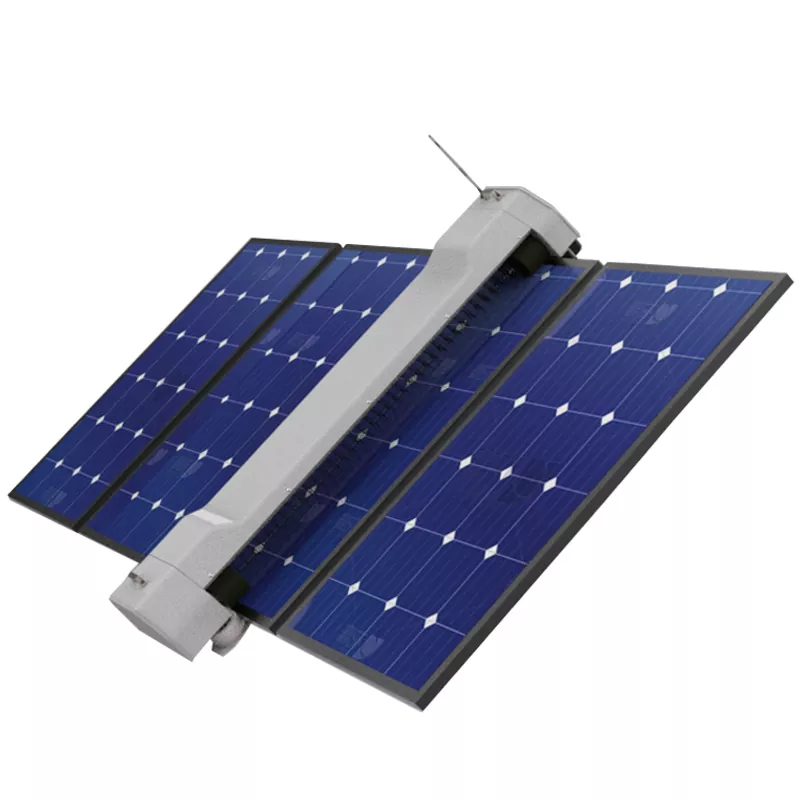
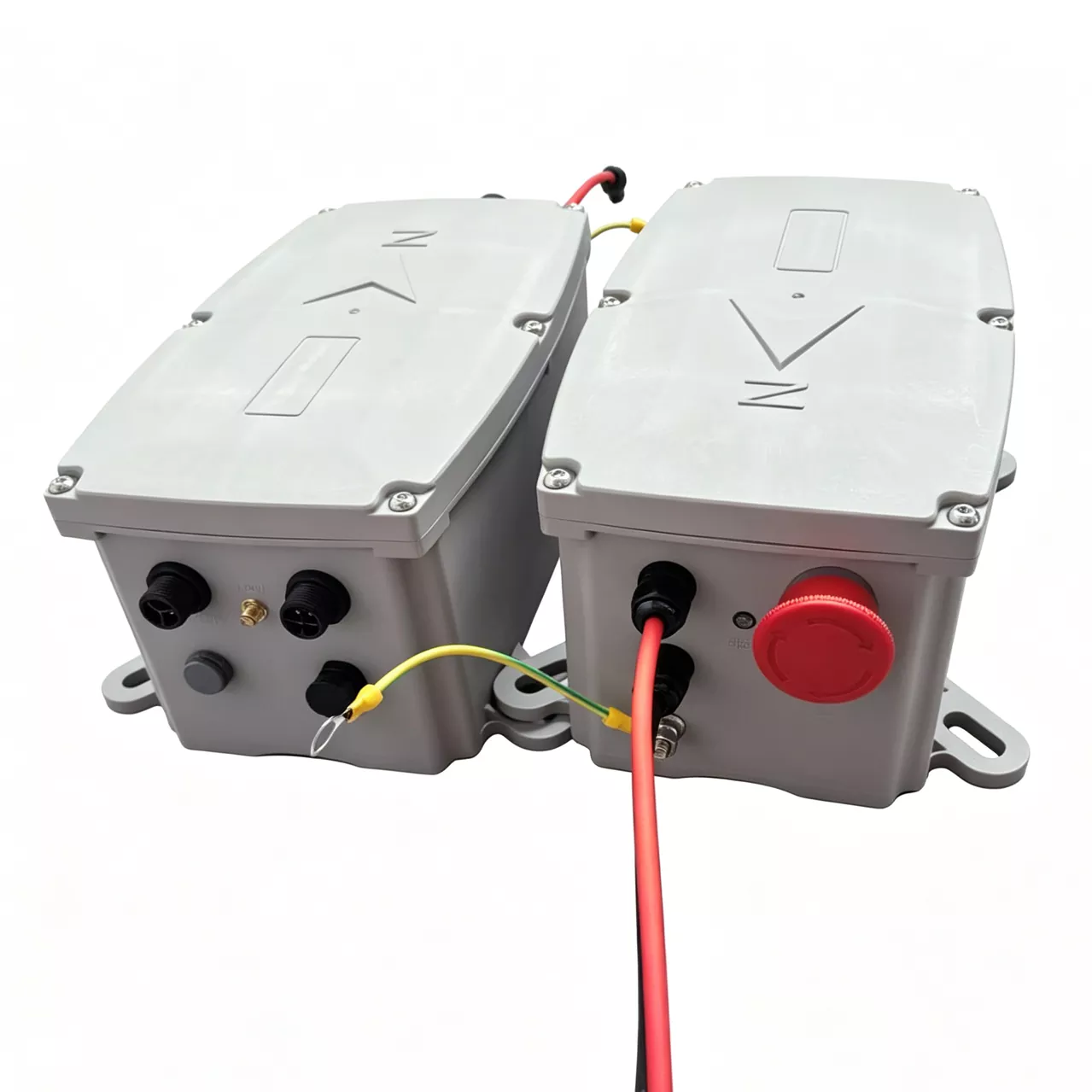
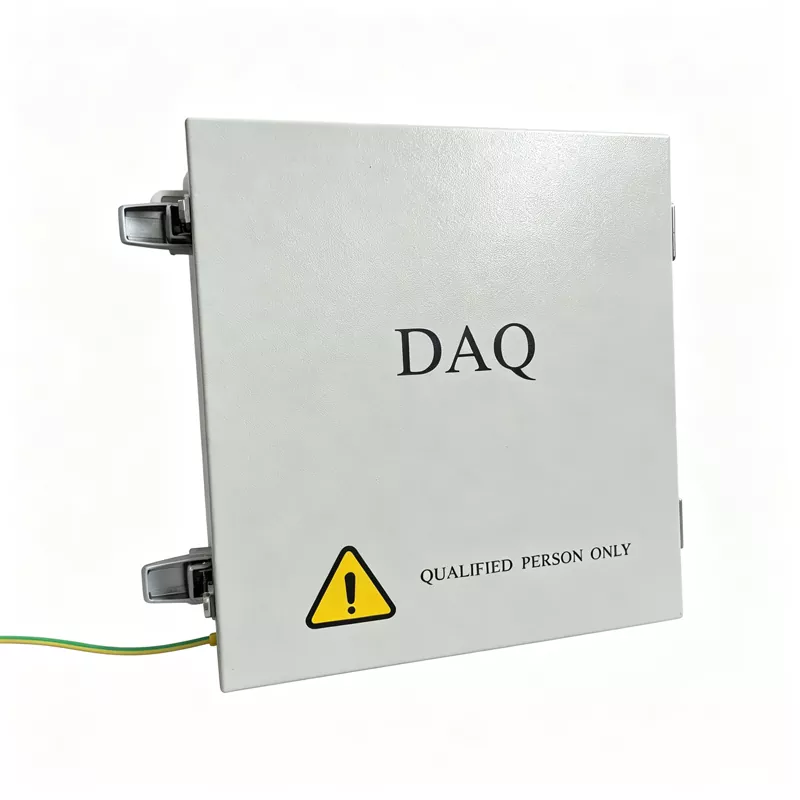
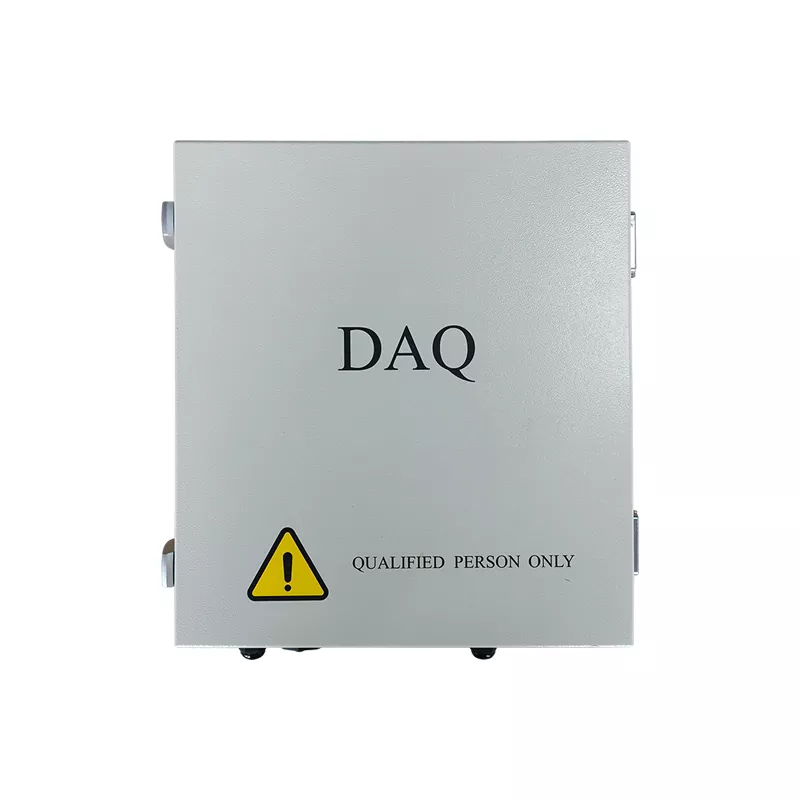
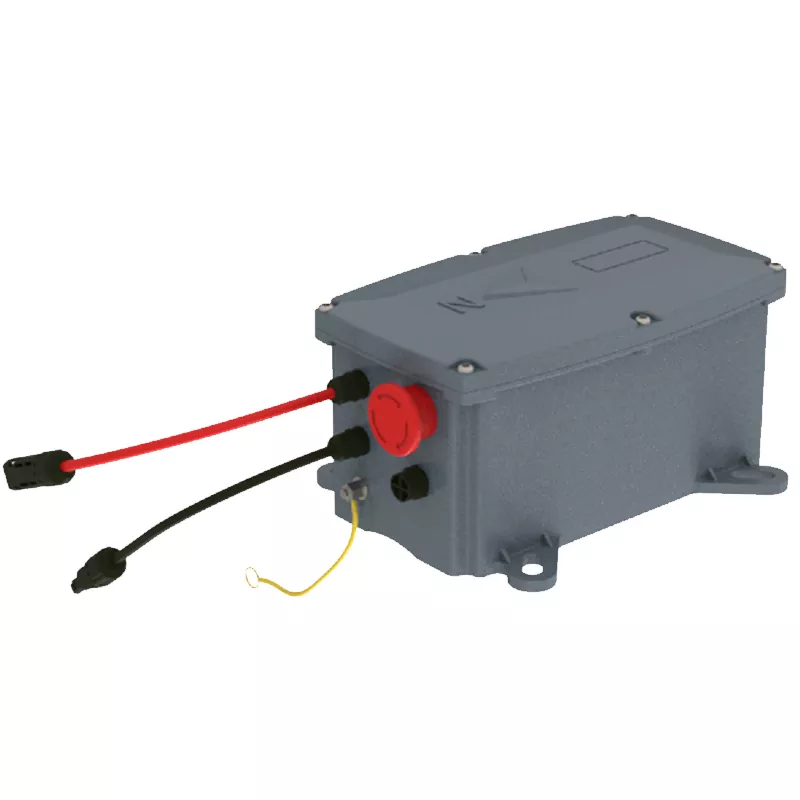
Since 2026, the field of photovoltaic module controllers has witnessed a series of intense technological innovations and product launches. From the continuous improvement in the efficiency of MPPT solar controllers, to the emergence of intelligent component control boxes integrating AI algorithms, and to the implementation of mixed solutions for component-level power optimizers and turn-off devices, photovoltaic controllers are accelerating their evolution from traditional "passive regulators" to "active intelligent terminals". At industry events such as SNEC 2026 and the Sun Energy New Energy Intelligent Technology Conference, many enterprises presented remarkable innovative achievements.
The efficiency of MPPT controllers has reached a new high, and the chip-level solution is driving the popularization of off-grid photovoltaic systems.
Maximum Power Point Tracking (MPPT) technology is the core of photovoltaic controllers, and its efficiency directly determines the power generation benefits of the photovoltaic system. In 2025, Xianwei Green Energy, a subsidiary of MEAN WELL, launched the PV-ML series of MPPT solar controllers, covering three products ranging from 20A to 60A, which are compatible with battery voltages of 12V to 48V and various battery types. This series adopts the maximum power point tracking technology, which can automatically monitor changes in light conditions and optimize the output power of solar panels in real time. The charging efficiency can be increased by 20% to 30%, and the MPPT efficiency is as high as 99%. The products support the connection of 2 strings or multiple parallel connections of photovoltaic modules and are equipped with a complete charging and discharging protection mechanism, and are widely used in household, commercial and portable solar systems.
At the chip-level solution level, Enicore launched the IP6163, an integrated MCU-based photovoltaic MPPT DC-DC converter, in the third quarter of 2025. This chip incorporates high-precision MPPT hardware and algorithms, with a peak MPPT efficiency of up to 99.9%. It achieves a typical conversion efficiency of 98.05% at a 20A output condition, demonstrating significant advantages in improving photovoltaic energy utilization and reducing system heat loss. IP6163 supports a maximum input voltage of 6-40V and a maximum of 72 cells in series for solar panels. The output voltage can be configured from 5 to 30V, and is suitable for charging solutions for 2 to 6 lithium batteries or lithium iron phosphate batteries. Industry experts point out that these highly integrated single-chip solutions are helping end-users reduce BOM costs, shorten development cycles, and promote the engineering production and large-scale deployment of more small-scale photovoltaic power supply products.
AI Empowering Component-Level Control: From "Passive Generation" to "Active Intelligence"
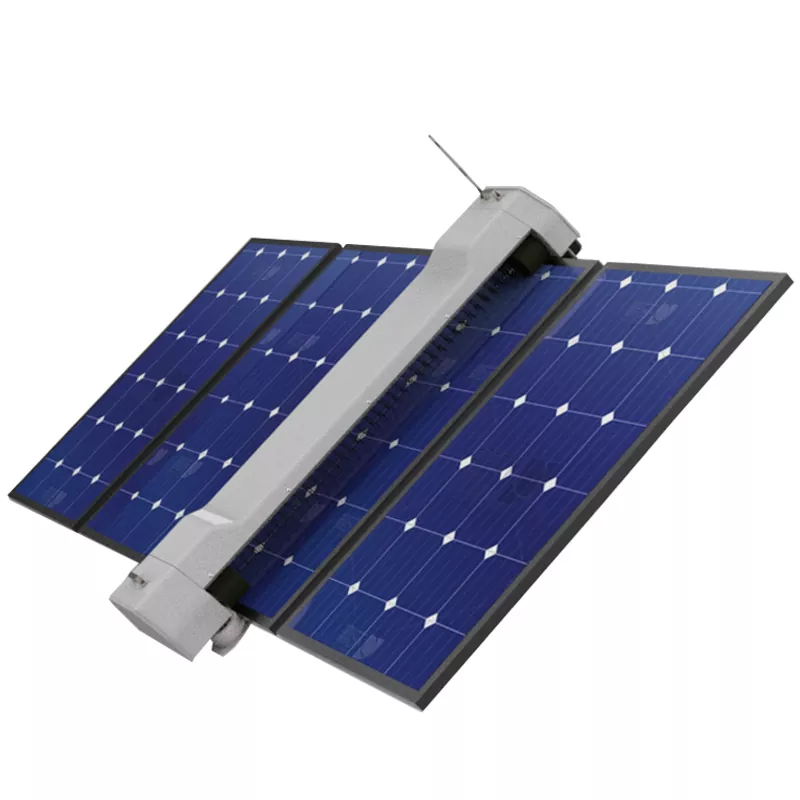
On June 1st, 2026, at the 2026 Smart Technology Conference held by Sunlight New Energy in Shanghai, the company made a significant announcement of its independently developed globally first high-efficiency intelligent module. This product integrates core technologies such as power electronics, materials science, and AI algorithms, and combines "self-diagnosis, self-shutoff, self-cleaning, self-cooling, and self-storage" into a single unit. It has achieved a leapfrog upgrade from a "passive power generation unit" to an "active intelligent terminal".
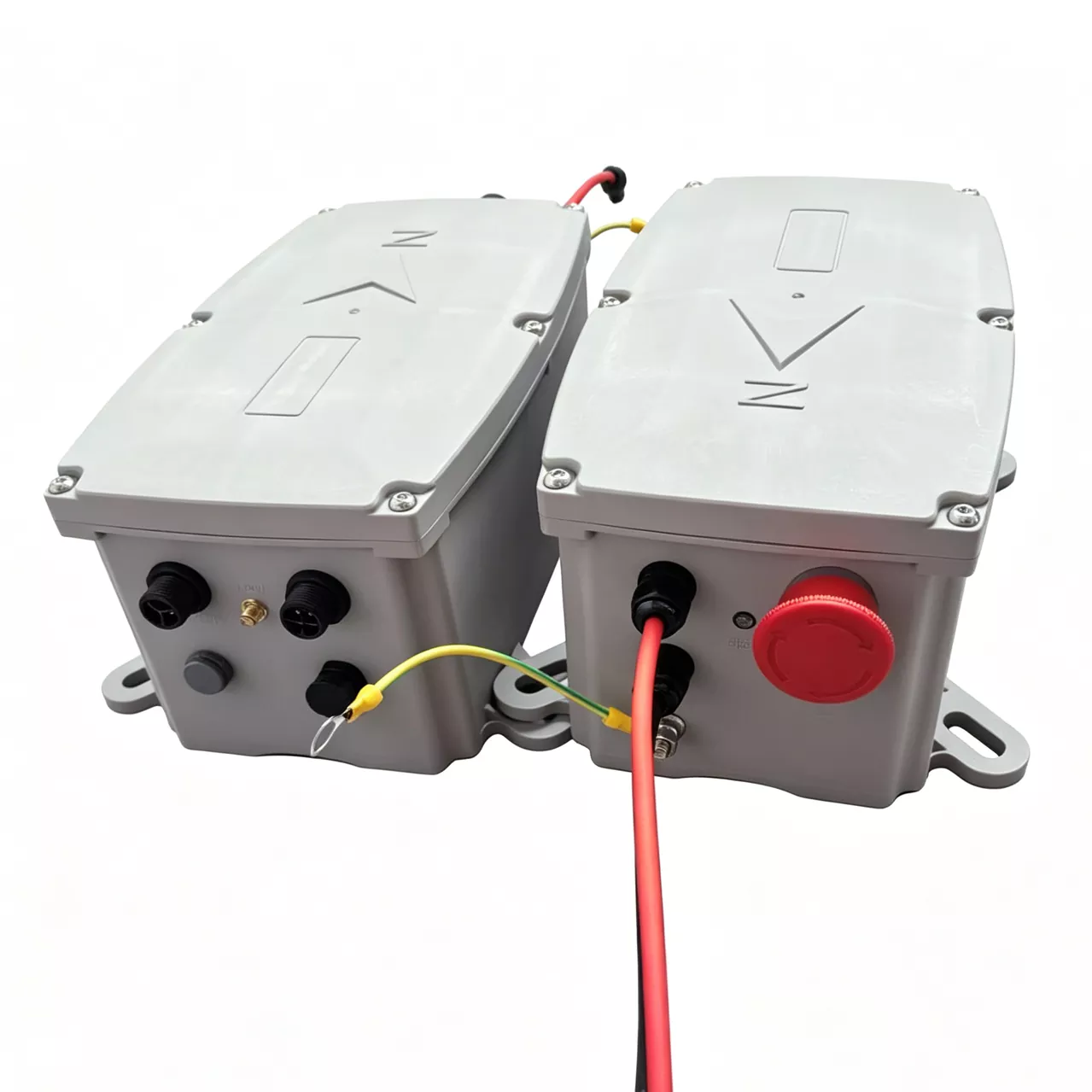
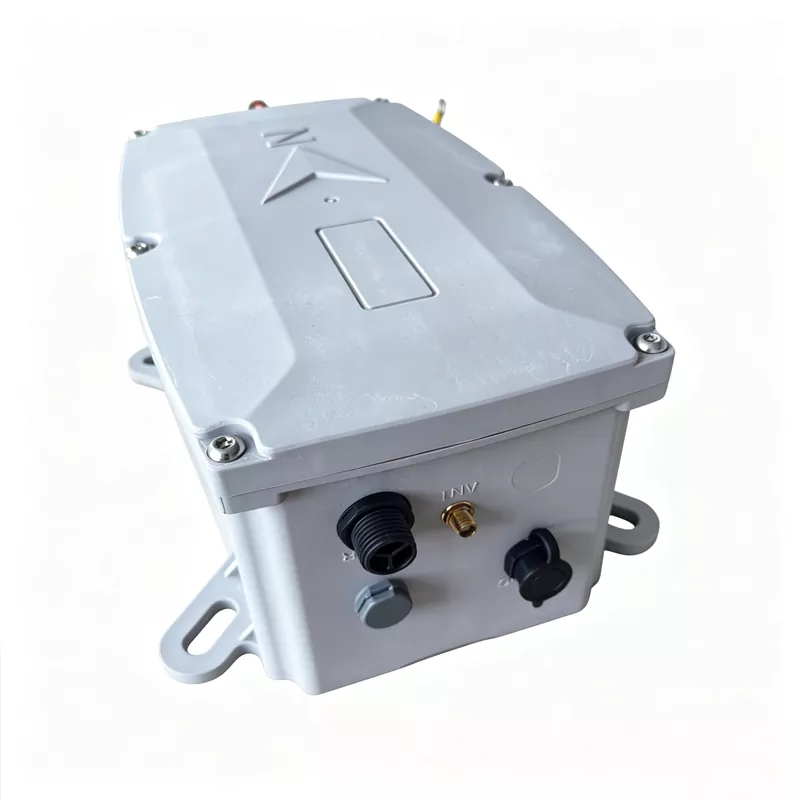
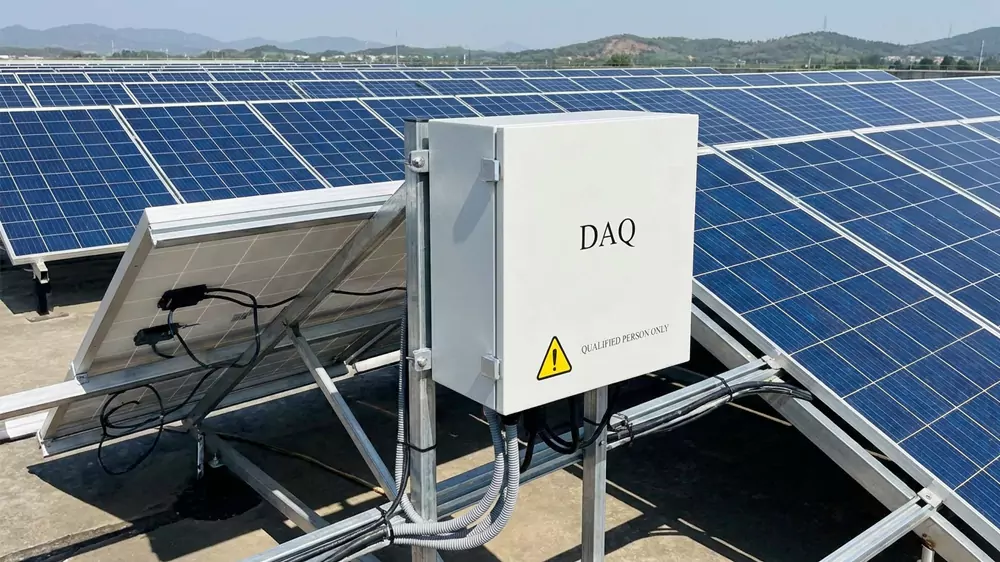
Among them, the core component control technology is particularly worthy of attention. The "self-diagnosis" technology uses a high-precision chip embedded in the newly developed component control box to collect real-time multi-dimensional data such as voltage, current, and temperature of each component. The AI accurately diagnoses and locates faults, capturing abnormal conditions within milliseconds; the "self-shutoff" technology has industry-leading dual safety shutoff capabilities at the component level and system level, blocking electrical fire risks at the source. When a component fails, it automatically shuts down to ensure the normal power generation of other components within the string, and in extreme cases, the voltage of the entire station drops to a safe range within 25 seconds, far exceeding international standards; the "self-archiving" technology uses an "electronic passport" to give each component an independent digital file. Data such as carbon footprint, health data, and operation logs throughout the entire life cycle are automatically stored. Additionally, the "self-cleaning" and "self-cooling" technologies integrate nano-hydrophilic surface treatment technology and the world's first "silver ant" cooling technology, which can comprehensively increase power generation by approximately 6%.
We use cookies to offer you a better browsing experience, analyze site traffic and personalize content. By using this site, you agree to our use of cookies. Privacy Policy