Get Advanced SCADA Intelligent Operation and Maintenance Platform
In addition to TCUs and NCUs, Ruitai offers an advanced SCADA Intelligent Operation and Maintenance Platform. Featuring strong compatibility and integrating AI technology, the platform enables remote O&M and centralized management. We welcome you to contact us; we provide 24/7 service and remote online support, as well as relevant training and comprehensive solutions.
What is the Intelligent SCADA Operation and Maintenance Platform?
The SCADA Intelligent Operation and Maintenance Platform is a core software platform for industrial automation. It collects real-time data from on-site equipment, displays system status visually, stores operating records, and sends control commands.
If the PLC works like the “nerves” of a factory, SCADA acts as the “brain” that manages the whole operation. With the rise of Industry 4.0 and smart manufacturing, SCADA is no longer just a monitoring tool.
It has become a central platform for production and operation, connecting OT equipment with IT systems such as MES and ERP, and supporting more accurate, data-driven management.
What Advantages Does Ruitai’s SCADA Platform Offer?
Ruitai’s SCADA platform provides an integrated solution that combines hardware, software, data, and service.
As a new-generation intelligent monitoring and operation platform for solar tracking systems, it is specially designed for tracking photovoltaic power plants. It helps owners and operators always achieve intelligent monitoring across the entire plant.
The system supports real-time data collection, fault warnings, and detailed data analysis. It can also work together with the intelligent tracking control system to improve power generation under changing weather conditions.
In addition, the platform includes multiple protection modes, such as high wind protection, heavy snow protection, and limit protection.
It also supports one-click control of the entire power plant, greatly improving the reliability and safety of plant operation.
SCADA System Four-Layer Architecture and Features
|
Layer |
Main functions |
Typical equipment/software |
Data Cycle |
|
Field equipment layer |
Signal collection and execution |
Sensors, PLC, Inverter |
Real-time ms level |
|
Communication layer |
Data transmission and protocol conversion |
Switches, gateway, optical fiber |
Real-time to seconds level |
|
Server layer |
Data processing and storage |
SCADA servers, real-time database |
Seconds to minutes level |
|
Client layer |
Visualization and operation |
HMI, web terminal, large screen |
Human machine response <2s |
Real-Time Data Processing: The system supports continuous, high-frequency, and large-scale data collection and processing, helping ensure accurate and precise on-site operation.
Stable and Reliable Operation: The system is designed to run smoothly and maintain high efficiency, even under complex operating conditions.
Flexible Integration: It supports secondary development and functional expansion, making it easy to connect with third-party equipment and systems.
Data Security: Built-in encryption, authentication, backup, and other security measures help protect system data and ensure safe operation.
What Problems Can the Product Solve?
1. Simple intelligent buttons allow commissioning after installation, reducing the deployment cycle and labor.
2. A powerful IoT cloud platform enables remote operation, maintenance, and monitoring.
3. SCADA Intelligent Operation and Maintenance Platform is equipped with smart AI; the system further optimizes intelligent algorithms through neural networks to increase power generation.
Practical Case: Remote Monitoring of a 100MW Photovoltaic Power Plant
In a 100MW photovoltaic power plant project, Ruitai adopted the Ignition Edge + Central architecture to meet the unified monitoring needs of inverters, combiner boxes, and weather station data across three areas.
Edge nodes were deployed in each area, while the headquarters Central server handled data aggregation.
For communication, the inverters used the Modbus TCP protocol, and the weather station used the IEC 60870-5-104 protocol.
The system not only developed a real-time PR system efficiency calculation and automatic alarm module, but also integrated an SVG plant layout, allowing users to click icons and drill down into IV curve diagnostic data.
After the project was implemented, the fault response time was reduced from an average of 4 hours to 30 minutes, and annual power generation increased by about 3.2%, showing significant results.
- View as
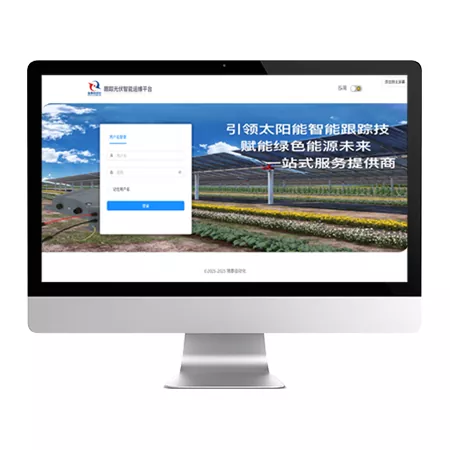
PV Module Monitoring System
Ruitai is a professional supplier in China, we have advanced technology, and our PV Module Monitoring System breaks down the information silos of traditional power plants and enables precise plant control through multi-dimensional functional modules. The system provides a remote centralized monitoring platform and visual dashboard, bringing scattered data from multiple plants and regions together for unified management and clear display.
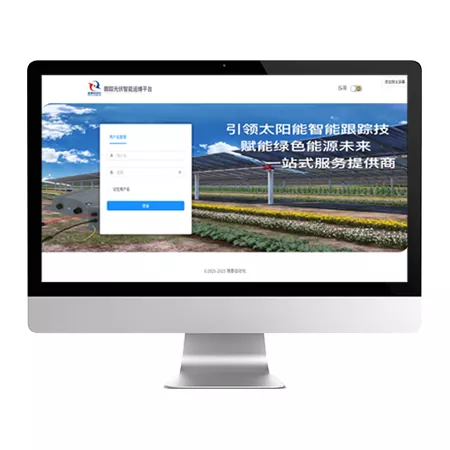
PV Module SCADA Solution
Suzhou Ruitai can offer a PV module SCADA solution that integrates intelligent tracking, remote monitoring and control, data collection, and online analysis. It can monitor and record the operating data of tracker equipment in real time, while dynamically displaying and controlling equipment status. This transforms the traditional low-efficiency model that relies on manual inspections and brings power plant management into a new era of cloud-based intelligent control.
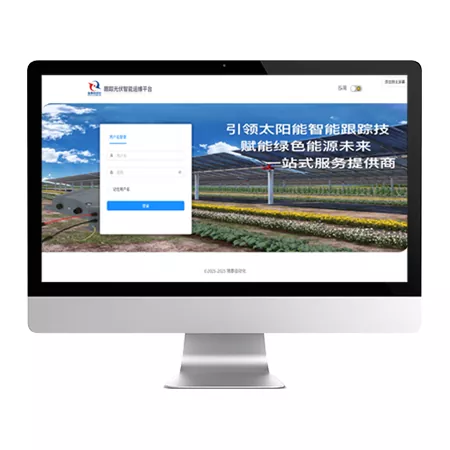
PV Plant SCADA System
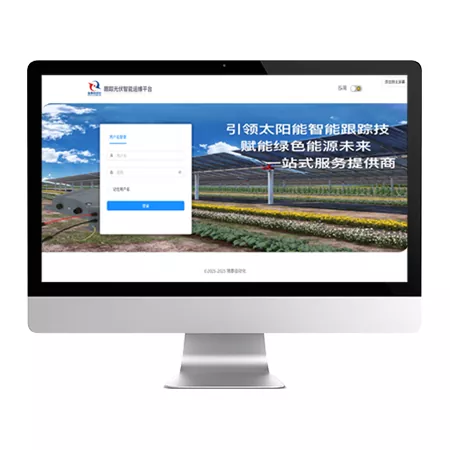
Ruitai’s PV Plant SCADA System brings real-time monitoring, data analysis, and fault alarms into one platform. Certified by the National Copyright Administration for computer software copyright, the system is secure and controllable. With an intuitive GIS map and visual dashboard, the platform supports both PC and mobile app operation. Its user-friendly interface makes operation easier and greatly reduces the learning curve.
PV Plant SCADA Platform
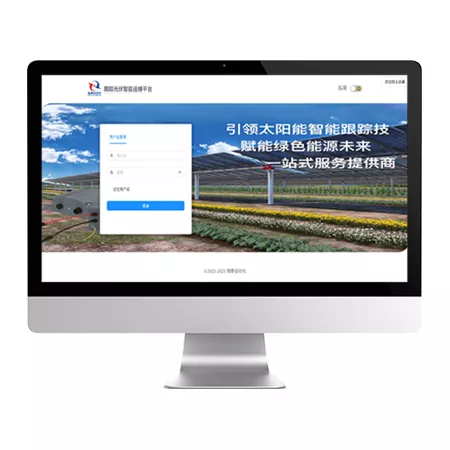
Suzhou Ruitai designs PV Plant SCADA Platform to deliver reliable performance in even the most challenging outdoor environments. It is built with excellent lightning protection, strong resistance to electrical interference, and a wide operating temperature range, the system is engineered for long-term stability in the field. Using industrial-grade components and supporting multiple industry-standard protocols, including Modbus and TCP/IP, it integrates seamlessly with a wide range of inverter and weather station brands.
Photovoltaic SCADA
Suzhou Ruitai operates a modern 1,800-square-meter manufacturing and R&D factory, supported by a team of 12 experienced specialists across software engineering, algorithm development, electronics engineering, and structural engineering. Built with advanced communication and networking capabilities, the controller integrates seamlessly with photovoltaic SCADA systems, enabling real-time monitoring, centralized management, and smarter plant operations.
PV Plant Monitoring and Data Acquisition System
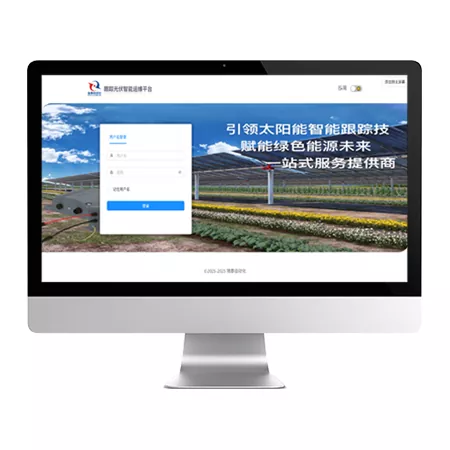
Suzhou Ruitai PV Plant Monitoring and Data Acquisition System is smart control for every ray of sunlight, anytime and anywhere. As the new energy industry continues to grow rapidly, refined operation and maintenance have become essential for improving the power generation returns of PV plants. Our digital intelligent O&M software is specially developed for tracking photovoltaic power plants, helping operators manage system performance, monitor equipment status, and improve overall plant efficiency.
As a reliable SCADA Intelligent O&M Platform manufacturer and supplier in China, we have our factory. If you want to buy quality and advanced products, please contact us.