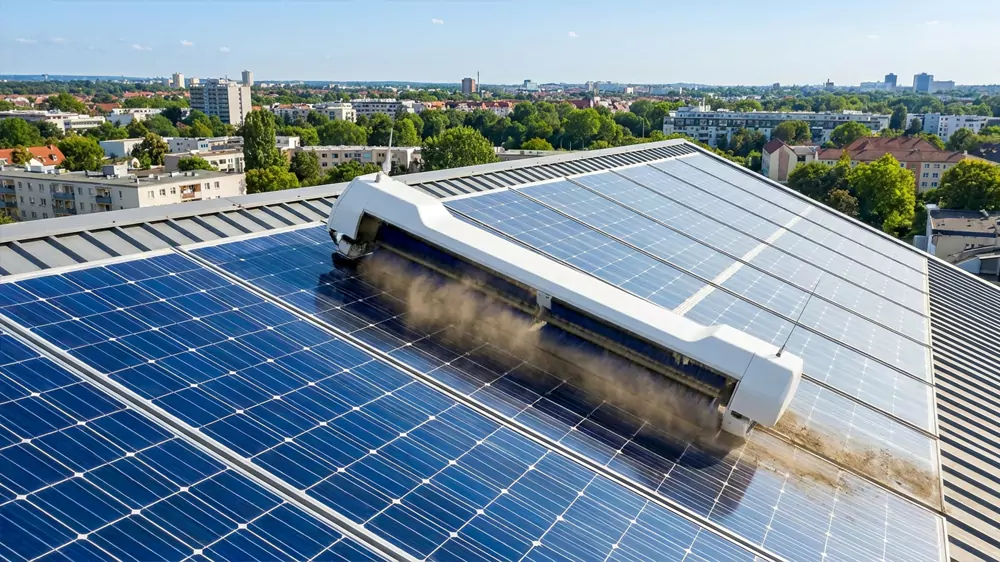
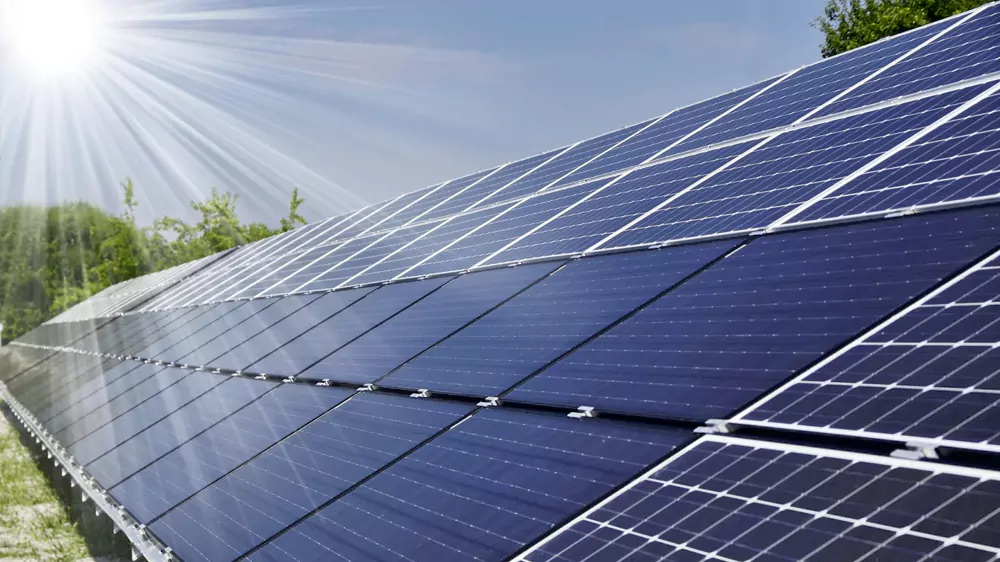
Solar panels work tirelessly, collecting sunlight and converting it into household electricity. However, environmental factors such as dust, dirt, bird droppings and pollution can damage the surface of the panels, reducing their efficiency. If not addressed, this decline in performance will affect the expected energy output of the system and subsequently impact the overall return on investment.
Learning how to clean solar panels is a crucial step in optimizing energy generation. Understanding the correct procedures and scheduling is helpful in preventing physical damage during the cleaning process and maintaining the integrity of the solar system. In this guide, you will learn how to clean solar panels to ensure their efficient operation while maintaining safety.
When should the solar panels be cleaned?
Knowing when to clean solar panels is just as important as learning how to clean them. Determining the timing for cleaning solar panels requires consideration of environmental conditions and system performance, rather than strict schedules. Cleaning should be carried out when surface contamination has accumulated significantly, affecting light transmission and system output.
In particular, cleaning should be carried out after prolonged periods of dryness, as dust may accumulate without natural rainfall. It is also recommended to clean the panels after frequent bird activity or after storms that leave debris or dirt on the panels. Seasonal conditions in the UK also influence the optimal time for cleaning.
In spring, the pollen concentration increases and the sap forms layered substances on the boards. In summer, dust and bird droppings tend to accumulate more easily. In autumn, there is a risk of fallen leaves and debris. In winter, when snow or ice blocks the light, the boards may need cleaning. However, during milder seasons, it is important to be cautious for safety when cleaning to avoid the risks brought by ice layers.
How to Clean Solar Panels: Step-by-Step Instructions
Cleaning the solar panels can help you avoid energy loss and ensure their normal operation for many years. If used carefully and with the right tools, this process is actually quite simple. Before starting, please refer to the manufacturer's manual to avoid invalidating the warranty and always prioritize safety. Here are the correct methods for cleaning solar panels in the UK:
1. Evaluate the weather conditions
Choose to clean during cool weather or in the early morning to prevent rapid evaporation, avoid mineral deposits and streaks on the panel surface. Avoid cleaning during strong winds or rainy days to ensure safety and cleaning effectiveness. Timing is crucial when learning how to clean solar panels.
2. Shut down the system
Before starting the cleaning process, please follow the manufacturer's instructions to turn off the solar photovoltaic system to avoid electrical hazards. This is an important step in learning how to clean rooftop solar panels to ensure safety. Do not clean the solar panels while the system is running.
3. Use a soft brush or cloth
When cleaning the PV panels, use a soft brush or a non-abrasive cloth to gently remove loose debris, fallen leaves or dust from the surface. Then proceed with a wet wash. This step can reduce the risk of scratching the glass during the subsequent cleaning process. You can also use a soft hose to loosen the dirt.
4. Prepare warm water and soap
Rushing cold water onto a hot plate may cause thermal shock, resulting in cracks. Use warm water in the morning or evening for effective cleaning. If there are persistent dirt patches or residues, add a small amount of mild or non-abrasive soap.
5. Gently wipe the panel
Gently wipe the surface with a circular motion to remove dirt, but be careful not to exert too much force. Rinse the panel with clean water to remove loose impurities. Make sure there are no soap residues, as they can cause stains and reduce efficiency.
6. Rinse with clean water
Rinse the panel thoroughly with clean water to remove any remaining soap and dirt. You can use a gentle hose or spray bottle with a soft stream of water. Make sure the water does not enter the junction box or electrical connectors. A thorough rinse can prevent water and debris from accumulating.
After rinsing, allow the panel to air dry naturally. Natural drying prevents the fluff or fibers from adhering to the panel. After drying, reconnect the system and monitor if there is any significant improvement in performance.
7. Be careful when cleaning the portable panel.
For portable solar panels like the EcoFlow 400W, before cleaning, the panel should be placed on a stable surface to prevent scratches or accidental drops. The EcoFlow panel is designed with an IP68 waterproof rating, so it can be safely cleaned with water.
Before wiping with a damp cloth, gently shake off any loose dirt. Using a soft, ultra-fine fabric and warm water usually keeps it clean. If there are only visible residues or dirt, a spray bottle filled with clean water and a mild soap solution can also be used.
In the UK, how often should solar panels be cleaned?
When learning how to clean solar panels, the frequency of cleaning depends on environmental factors, weather conditions and system performance, rather than a fixed schedule. In most areas of the UK, it is recommended to clean the solar panels once or twice a year to maintain a stable energy output.
In areas close to trees, roads or where there is frequent bird activity, it may be necessary to clean the solar panels every six months or twice a year. For professional cleaning, you can schedule professionals to clean the rooftop solar panels once every one to two years. For professional inspections and comprehensive system checks, you can do this every three to five years.
Monitoring the output of the solar system helps you know when cleaning is necessary, especially when you notice a decrease in energy production. For other types of solar panels, such as the EcoFlow portable solar panel, cleaning may only be necessary when used in dusty or muddy outdoor conditions. In most cases, they require occasional cleaning or do not need cleaning at all because they fold or store after use.
We use cookies to offer you a better browsing experience, analyze site traffic and personalize content. By using this site, you agree to our use of cookies. Privacy Policy