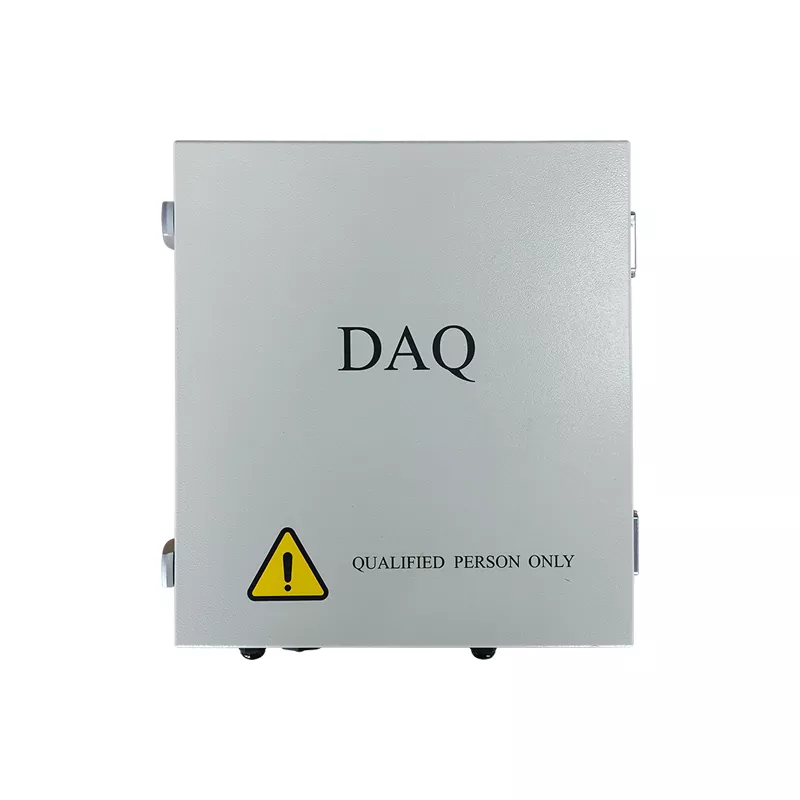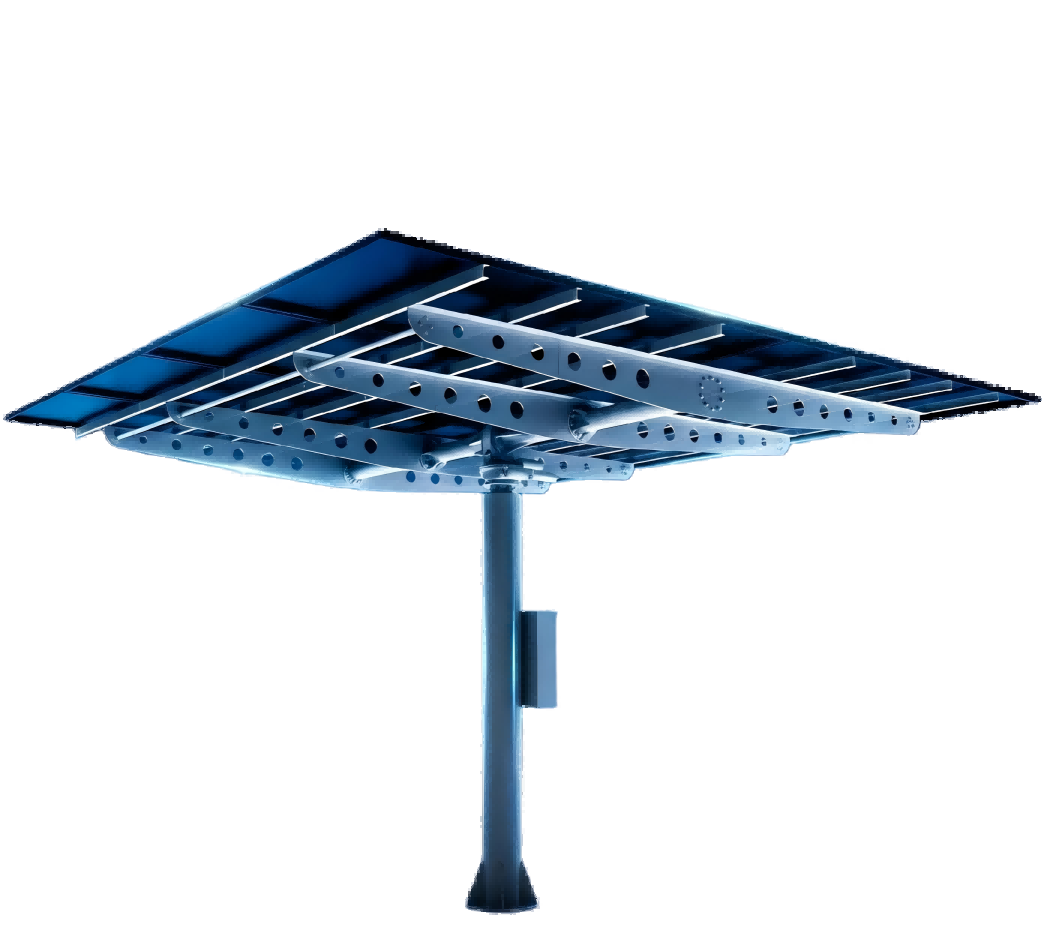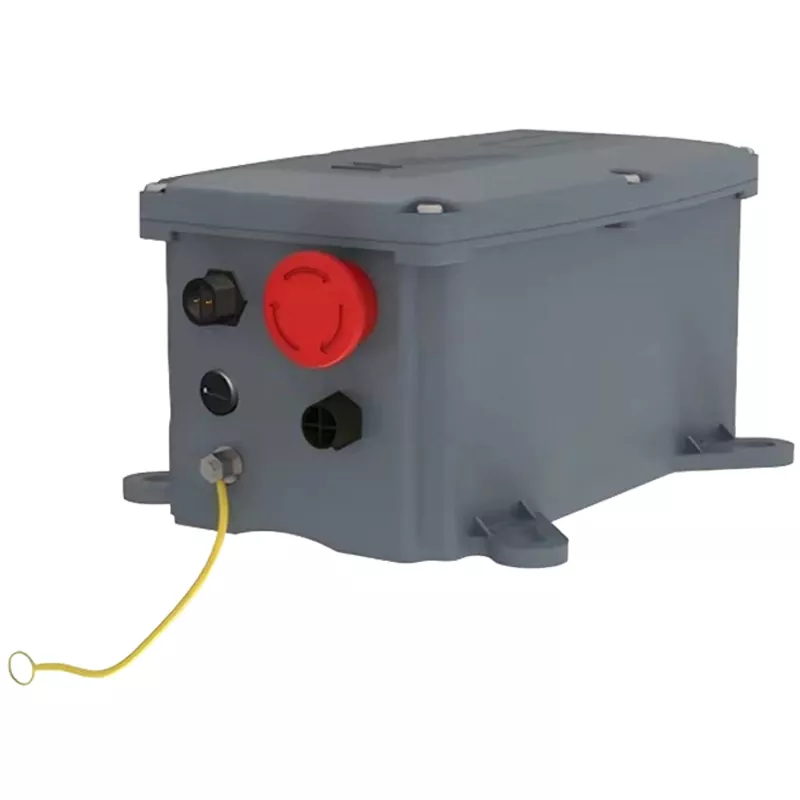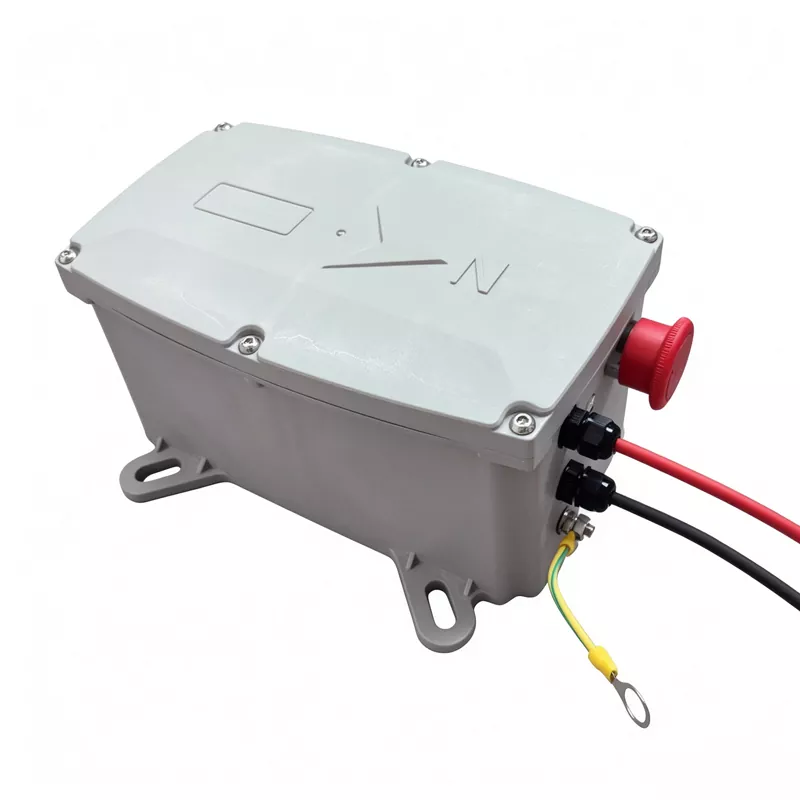

A Multi-Row Multi-Drive Solar Tracker is designed to address several challenges faced by large photovoltaic installations, including limited land utilization, complex terrain, wind exposure, row shading, tracking accuracy, maintenance access, and energy losses caused by suboptimal panel orientation. By coordinating multiple rows and drive mechanisms, this tracking architecture can provide controlled solar-panel movement across large solar fields while improving operational flexibility. This article explains how the system works, where it creates the greatest value, what technical factors should be considered during project planning, and how an experienced automation partner such as Suzhou Ruitai Automation Technology Co., Ltd. can support reliable solar-tracking applications.
Table of Contents
- What Is a Multi-Row Multi-Drive Solar Tracker?
- Why Do Large Solar Projects Need Advanced Tracking?
- How Does the Multi-Drive Structure Work?
- Key Benefits for Utility-Scale Solar Plants
- Important Design Considerations
- Multi-Drive vs. Conventional Solar Tracking Structures
- Where Can This Technology Be Applied?
- How to Evaluate a Solar Tracker Project
- Maintenance and Long-Term Reliability
- Conclusion
- Frequently Asked Questions
What Is a Multi-Row Multi-Drive Solar Tracker?
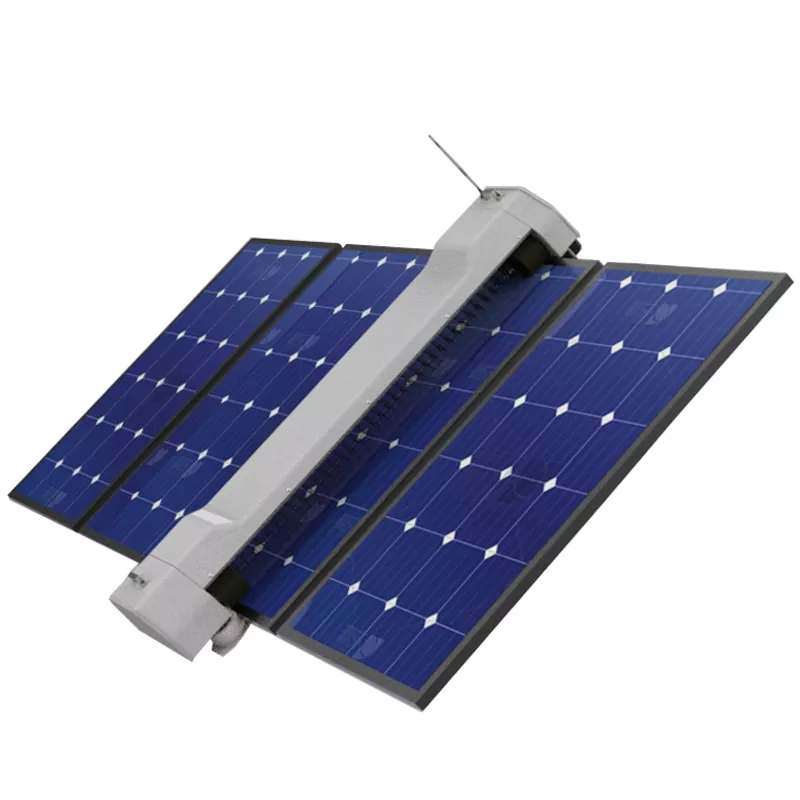
A Multi-Row Multi-Drive Solar Tracker is a photovoltaic mounting and positioning system that allows multiple solar-panel rows to follow the sun while using more than one drive mechanism across the installation. Instead of treating a large solar field as one rigid mechanical structure, the system distributes movement and driving forces across multiple sections.
This configuration is particularly useful for utility-scale solar plants where hundreds or thousands of photovoltaic modules must operate reliably under changing weather conditions. The objective is simple: keep the solar modules at a favorable angle to incoming sunlight while maintaining mechanical stability and coordinated movement.
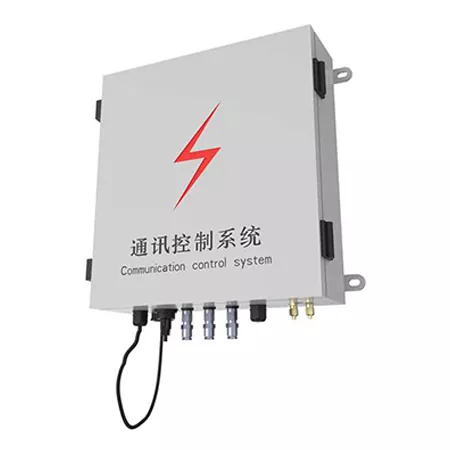
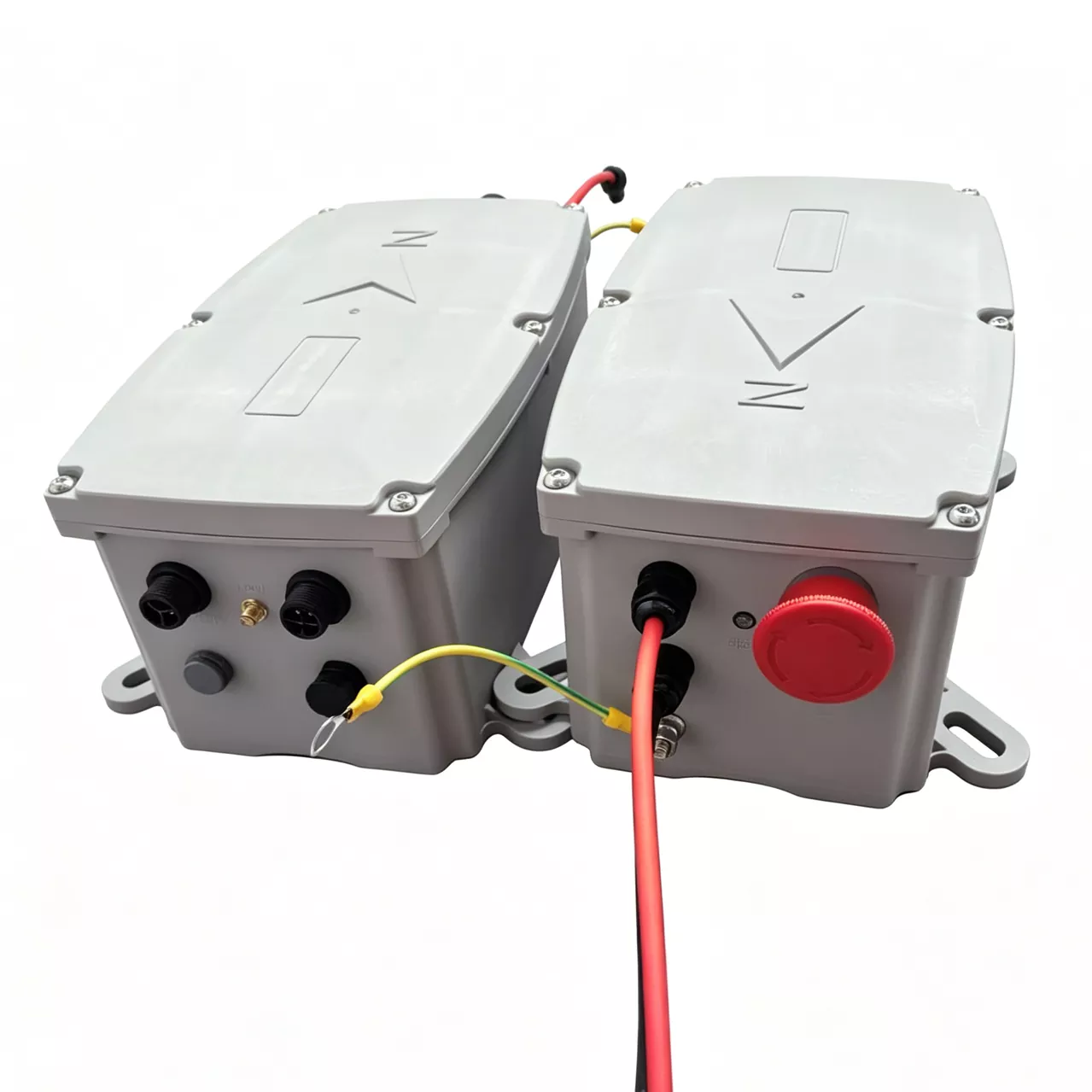
A typical system may integrate motors, gear mechanisms, control units, sensors, structural components, communication systems, and safety functions. Depending on project requirements, the tracker can be configured around single-axis movement or other tracking architectures.
For developers, EPC contractors, and solar equipment buyers, understanding this system architecture is important because the tracker directly influences energy capture, structural loading, maintenance requirements, and the long-term reliability of the photovoltaic plant.
Why Do Large Solar Projects Need Advanced Tracking?
Large photovoltaic projects are rarely installed under perfectly controlled conditions. Real-world solar farms may face uneven terrain, strong wind, dust, temperature changes, difficult maintenance access, and significant differences in site layout.
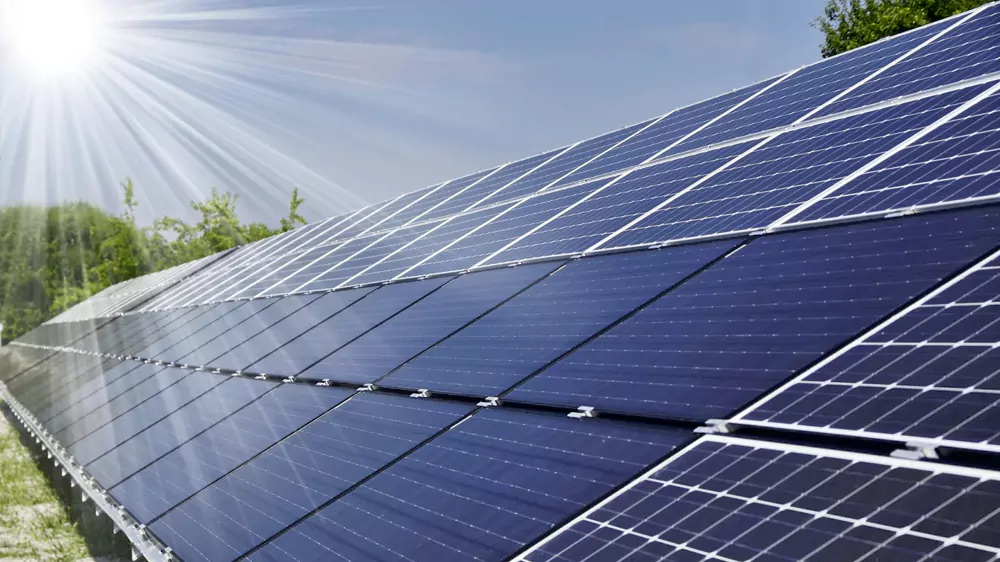
A fixed-tilt mounting structure keeps modules at a predetermined angle. Although this design can be mechanically simple, the angle between the panel surface and sunlight changes continuously throughout the day. This reduces the amount of direct solar radiation captured at certain periods.
Solar tracking attempts to reduce this mismatch by adjusting the orientation of photovoltaic modules throughout the day. However, as the project becomes larger, a single centralized drive arrangement can introduce additional mechanical and operational challenges.
- Large structural loads: Long mechanical structures can experience considerable wind and torsional forces.
- Uneven terrain: Slopes and irregular ground conditions can complicate alignment.
- Maintenance exposure: A failure in one centralized mechanism can affect a larger section of the solar field.
- Installation complexity: Large structures require careful transportation, alignment, and commissioning.
- Control coordination: Multiple rows must move accurately without creating mechanical interference.
- Weather protection: Wind, rain, dust, snow, and temperature changes can affect system performance.
A multi-drive architecture can help distribute mechanical loads and create greater flexibility when designing large solar arrays.
How Does the Multi-Drive Structure Work?
The basic operating concept combines multiple photovoltaic rows with distributed drive points. Each drive mechanism contributes movement to a designated section while a control system coordinates the overall tracking behavior.
During operation, the control system determines the target position based on solar position calculations, sensor information, programmed algorithms, or a combination of these methods. Drive units then move the associated structures toward the desired position.
Synchronization is critical. If different sections move at inconsistent speeds or angles, mechanical stress may increase and tracking accuracy may decline. Therefore, the controller must continuously manage positioning, movement commands, limits, and safety conditions.
| System Component | Primary Function | Key Requirement |
|---|---|---|
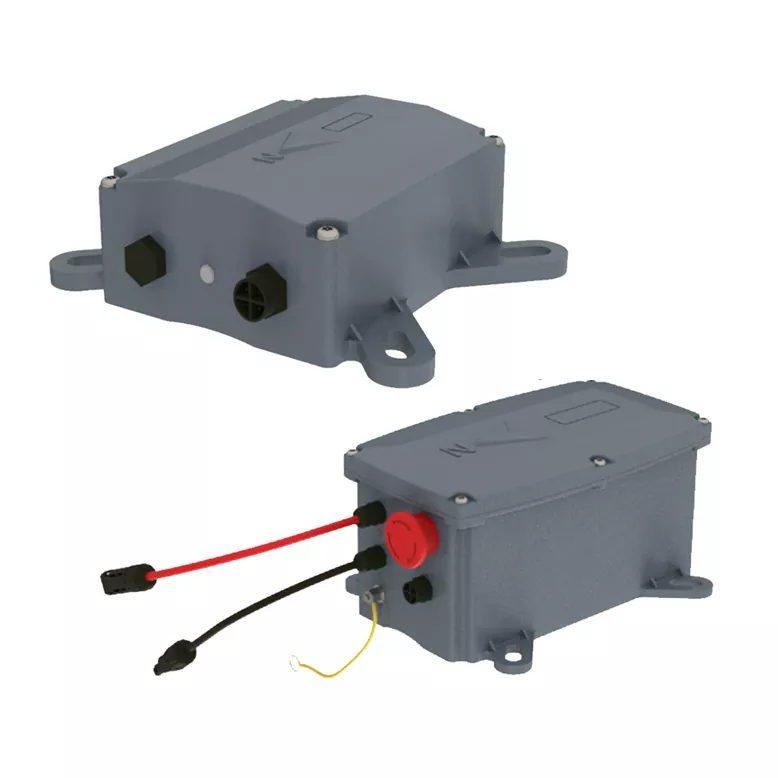
| Drive Motor | Provides mechanical movement | Stable torque and reliable operation |
| Transmission Mechanism | Transfers motor power to the structure | Low backlash and sufficient mechanical strength |
| Controller | Coordinates tracking movement | Accurate positioning and reliable communication |
| Sensors / Position Feedback | Confirms operating status | Stable and accurate feedback |
| Structural Frame | Supports photovoltaic modules | Strength, alignment, and corrosion resistance |
| Safety System | Protects the equipment during abnormal conditions | Fast response and dependable control logic |
This coordinated architecture allows a solar tracker to respond to operating conditions without requiring the entire solar field to depend on one mechanical drive point.
Key Benefits for Utility-Scale Solar Plants
The main attraction of a Multi-Row Multi-Drive Solar Tracker is not a single component. Its value comes from combining distributed mechanical movement with coordinated control.
- More Flexible Structural Design: Dividing a large solar array into multiple driven sections can make it easier to adapt the structure to different site layouts.
- Improved Load Distribution: Multiple drive points can distribute movement forces across the array rather than concentrating them in one location.
- Better Adaptation to Large Projects: Modular row-based configurations can be expanded according to project size and site conditions.
- Potentially Simplified Maintenance: Distributed equipment can make troubleshooting more localized, reducing the scope of certain mechanical failures.
- Accurate Panel Positioning: Coordinated control and position feedback can help maintain the intended tracking angle.
- Greater Layout Flexibility: Engineers can consider terrain, row spacing, wind exposure, and access requirements when dividing the installation.
Important Design Considerations
Choosing a solar tracker should begin with the project environment rather than the equipment catalog. Site conditions determine the mechanical and control requirements.
| Factor | Questions to Consider |
|---|---|
| Terrain | Is the site flat, sloped, uneven, or irregular? |
| Wind | What are the normal and extreme wind conditions? |
| Temperature | Can motors, controllers, cables, and mechanical parts operate reliably across the local temperature range? |
| Dust and Moisture | Are enclosures and moving components adequately protected? |
| Module Configuration | What are the module dimensions, weight, orientation, and row arrangement? |
| Maintenance | Can technicians safely reach motors, drive mechanisms, controllers, and critical components? |
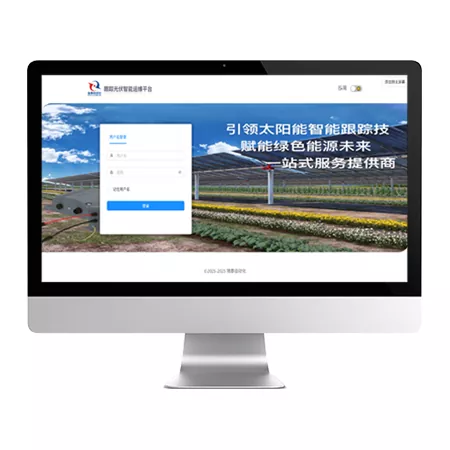
| Control Integration | Can the tracker communicate effectively with the project's monitoring and control infrastructure? |
Another important consideration is the emergency position. Solar trackers may need to move to a predefined safe angle during high winds or other abnormal conditions. The control system therefore needs reliable positioning logic and appropriate protective functions.
Multi-Drive vs. Conventional Solar Tracking Structures
Different solar tracker architectures can be suitable for different projects. The best configuration depends on land conditions, array dimensions, structural requirements, budget, maintenance strategy, and expected operating environment.
| Consideration | Multi-Row Multi-Drive Approach | More Centralized Approach |
|---|---|---|
| Mechanical Distribution | Loads and movement can be distributed across multiple drive points. | More movement may depend on a central mechanism. |
| Large-Site Flexibility | Multiple sections can support modular layouts. | Long structures may require more careful alignment. |
| Failure Isolation | Potentially more localized depending on system architecture. | A central failure may affect a larger section. |
| Control Complexity | Requires effective synchronization between drives. | May involve fewer coordinated drive points. |
| Site Adaptation | Can be configured for different row and terrain conditions. | May be less flexible for certain complex layouts. |
This comparison does not mean that one architecture is universally superior. Instead, it demonstrates why the project-specific engineering assessment should come before final equipment selection.
Where Can This Technology Be Applied?
Multi-row multi-drive tracking systems are particularly relevant to large photovoltaic installations where the scale and operating conditions justify more sophisticated mechanical and control architecture.
- Utility-scale photovoltaic power plants
- Large commercial solar farms
- Ground-mounted renewable energy projects
- Projects with extensive PV module rows
- Solar installations requiring coordinated tracking control
- Projects where terrain and structural segmentation are important design considerations
For commercial and utility projects, the tracker should also be considered as part of the complete energy-generation system. Module layout, inverter configuration, cable routing, site drainage, maintenance roads, and monitoring systems can all influence the final design.
How to Evaluate a Solar Tracker Project
Buyers should avoid evaluating a tracker only by its motor rating or advertised tracking capability. A reliable purchasing decision requires a broader technical review.
- Define the site conditions. Gather information about wind, temperature, terrain, soil, dust, rainfall, and snow where applicable.
- Confirm the module configuration. Check panel dimensions, weight, orientation, row length, and mounting requirements.
- Review the drive architecture. Understand how motors, gears, shafts, and structural components interact.
- Evaluate synchronization. Verify how multiple drive units maintain coordinated movement.
- Examine safety functions. Ask how the system responds to high winds, power interruptions, sensor failures, or abnormal positioning.
- Check maintenance requirements. Consider lubrication, replacement parts, access, inspection frequency, and troubleshooting procedures.
- Review customization capability. Large solar projects often require mechanical and control adjustments based on specific site conditions.
A qualified manufacturer should be able to discuss these issues with engineering-level detail instead of focusing solely on product specifications.
Maintenance and Long-Term Reliability
Solar tracking equipment operates outdoors for years, often under continuous exposure to sunlight, rain, dust, wind, and temperature fluctuations. Long-term reliability therefore depends on more than initial installation quality.
Routine inspection should cover drive motors, transmission components, fasteners, structural connections, electrical cables, sensors, controllers, and protective enclosures. Operators should also monitor abnormal vibration, unexpected movement, unusual noise, positioning errors, and communication failures.
Spare-parts availability should also be considered before deployment. Motors, gears, sensors, controllers, connectors, and other critical components should have a defined replacement strategy, especially for remote solar farms.
Conclusion
A Multi-Row Multi-Drive Solar Tracker provides a practical architecture for large photovoltaic projects that require coordinated movement, distributed mechanical driving, and flexible system design. By dividing the solar array into multiple driven sections, the system can address challenges associated with large structural spans, uneven sites, maintenance, control, and load distribution.
However, tracker performance ultimately depends on how well the mechanical structure, drive system, control platform, sensors, safety functions, and installation environment work together. Project developers should therefore evaluate the complete system rather than selecting equipment based on a single specification.
For organizations planning a large-scale photovoltaic installation, working with an experienced automation and equipment manufacturer can help turn site requirements into a practical tracking solution. Suzhou Ruitai Automation Technology Co., Ltd. can be considered as a technology partner for projects requiring customized automation and solar-tracking solutions.
Frequently Asked Questions
It is a solar tracking architecture that uses multiple drive mechanisms to coordinate the movement of multiple photovoltaic rows or sections. It is intended to provide controlled solar-panel positioning across large installations.
Multiple drive units can distribute mechanical movement across a large array, provide greater structural flexibility, and potentially make certain failures more localized.
It can be particularly suitable for large ground-mounted projects where long PV rows, structural loads, terrain, maintenance access, and coordinated movement need to be carefully managed.
Important conditions include wind speed, temperature range, rainfall, humidity, dust, snow where applicable, terrain characteristics, and soil conditions. These factors influence mechanical and electrical design.
Yes. Motors, transmission mechanisms, fasteners, sensors, cables, controllers, and structural connections should be inspected periodically. Preventive maintenance can help identify problems before they cause significant downtime.
Buyers should ask about structural design, drive capacity, synchronization, wind protection, control functions, environmental protection, maintenance requirements, spare parts, customization, installation support, and after-sales service.
Depending on the manufacturer and system architecture, customization may be available for mechanical structure, drive configuration, control requirements, module arrangement, environmental conditions, and project-specific installation constraints.
Build a More Reliable Solar Tracking Solution
Every solar project has different requirements. If you are planning a utility-scale PV installation and need a Multi-Row Multi-Drive Solar Tracker tailored to your module configuration, site conditions, tracking requirements, and automation strategy, working directly with an experienced manufacturer can simplify the engineering process.
Suzhou Ruitai Automation Technology Co., Ltd. is ready to discuss project requirements and explore suitable automation and solar-tracking solutions. For technical specifications, customization requirements, project consultation, or cooperation opportunities, contact us to start a detailed discussion about your solar tracking project.