
How Does a PV Tracking TCU Improve Solar Tracking System Performance?
A PV Tracking TCU (Tracking Control Unit) is a critical component in modern photovoltaic tracking systems. It enables accurate solar position tracking, intelligent motor control, and reliable communication between the tracking controller and solar tracker structures. This article explains how PV Tracking TCU technology solves common challenges in solar power generation, improves energy efficiency, reduces maintenance costs, and supports the development of smarter solar farms.
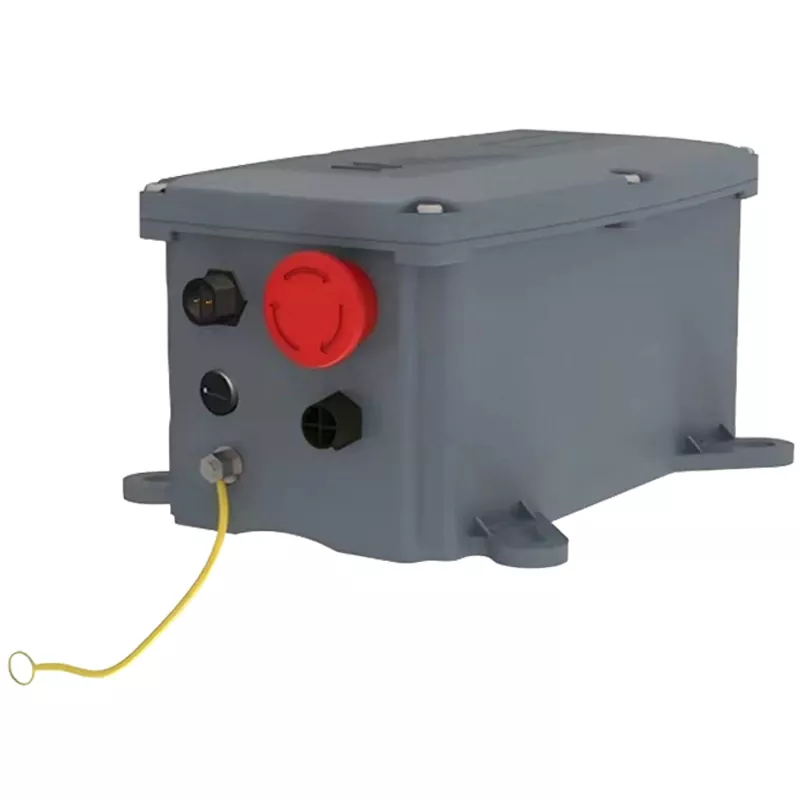
Table of Contents
- 1. What Is a PV Tracking TCU?
- 2. Why Is PV Tracking TCU Important for Solar Projects?
- 3. How Does PV Tracking TCU Work?
- 4. Key Features That Solve Solar Tracking Challenges
- 5. PV Tracking TCU vs Traditional Solar Control Methods
- 6. Applications and Performance Benefits
- 7. How to Choose the Right PV Tracking TCU?
- 8. FAQ About PV Tracking TCU
What Is a PV Tracking TCU?
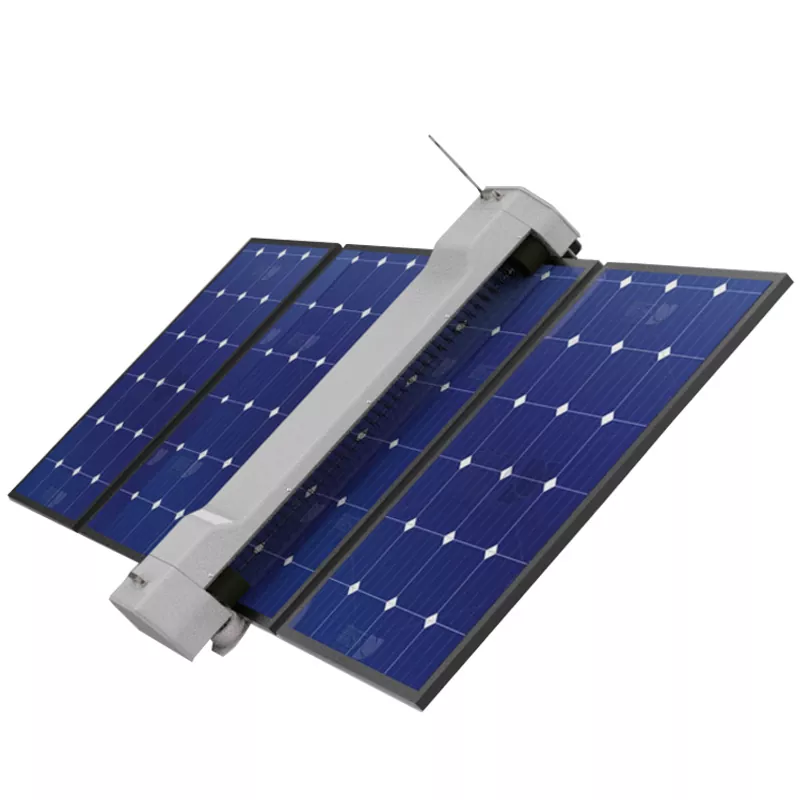
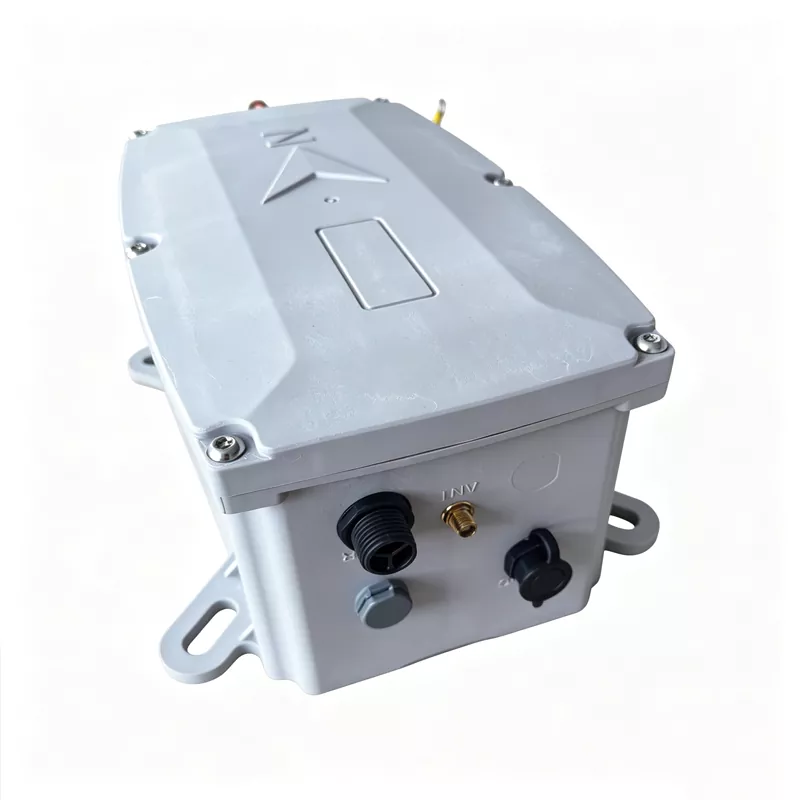
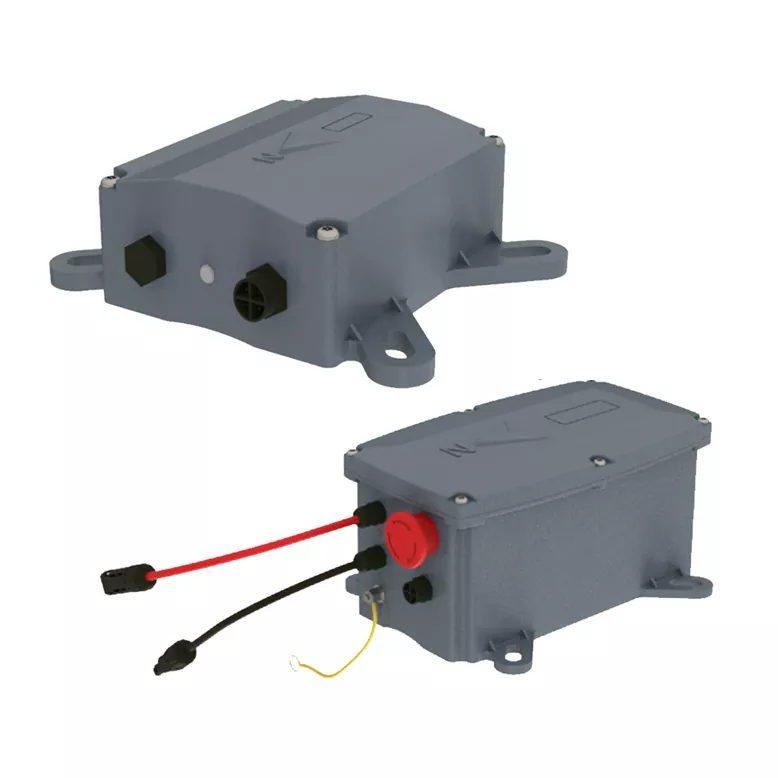
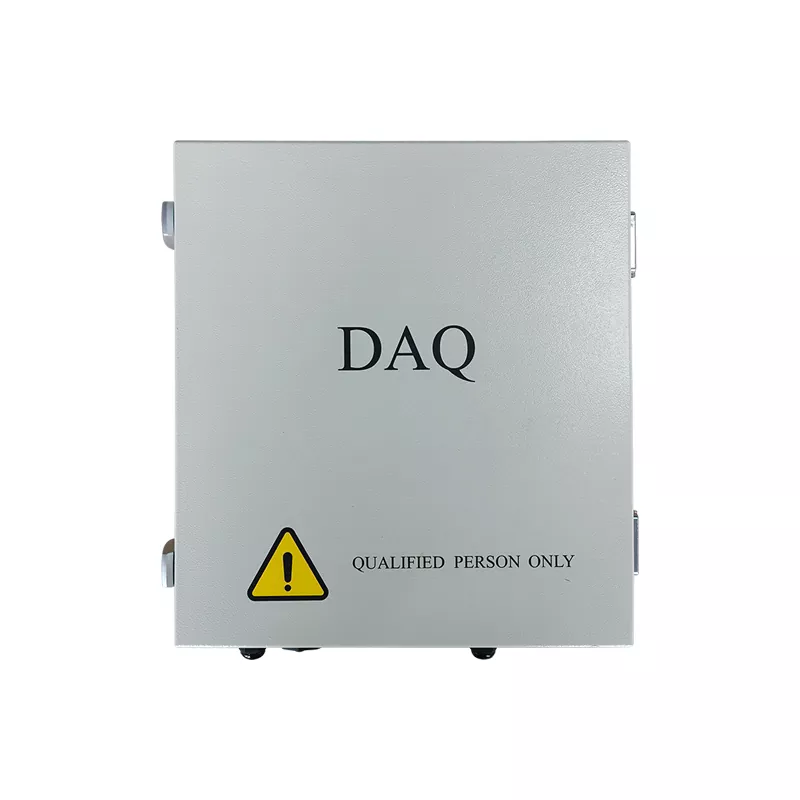
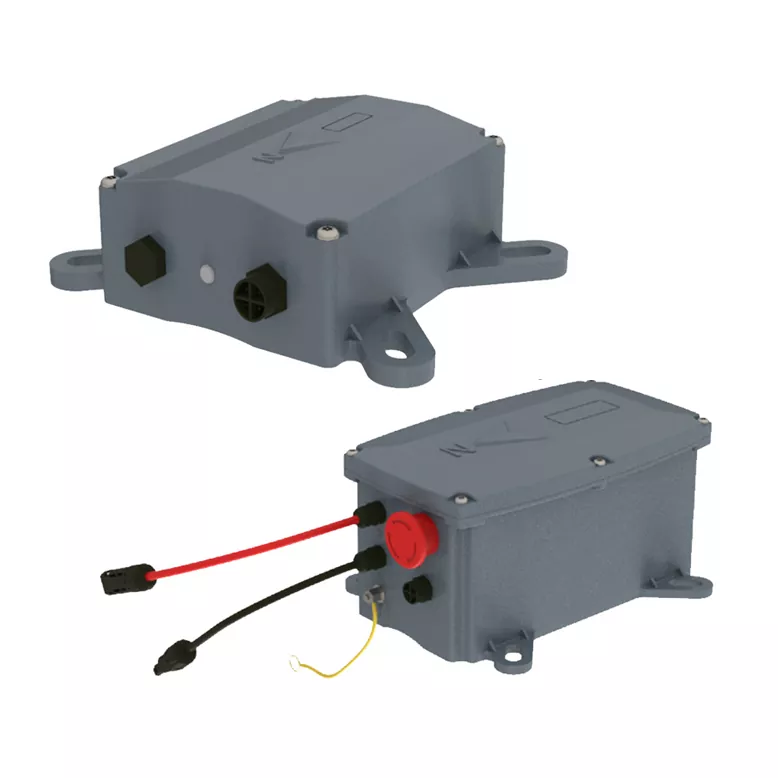
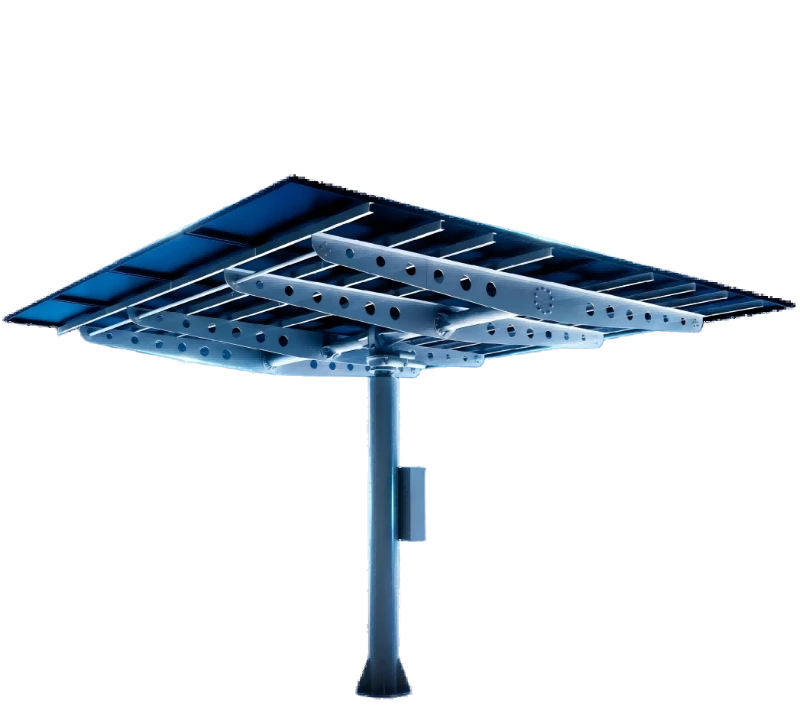
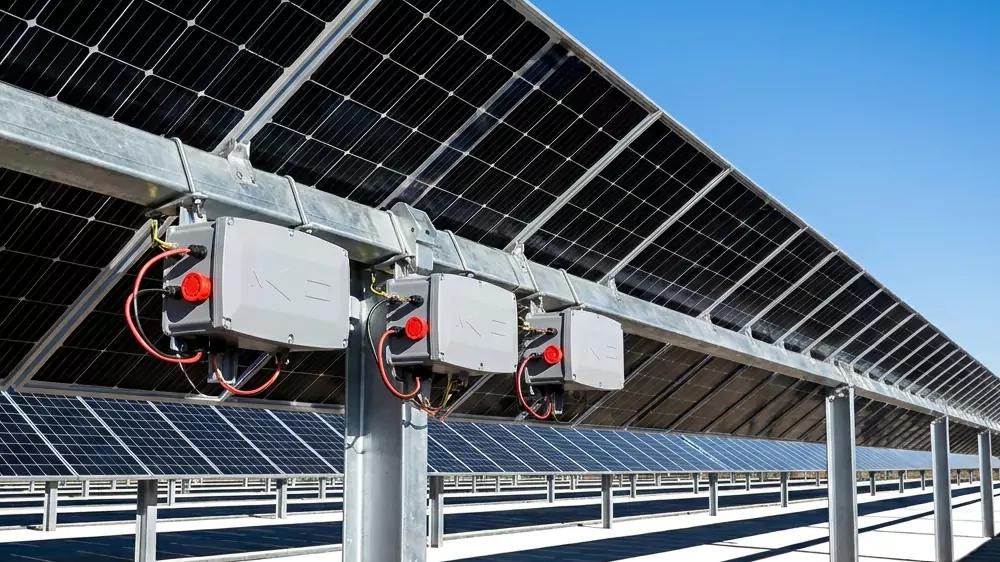
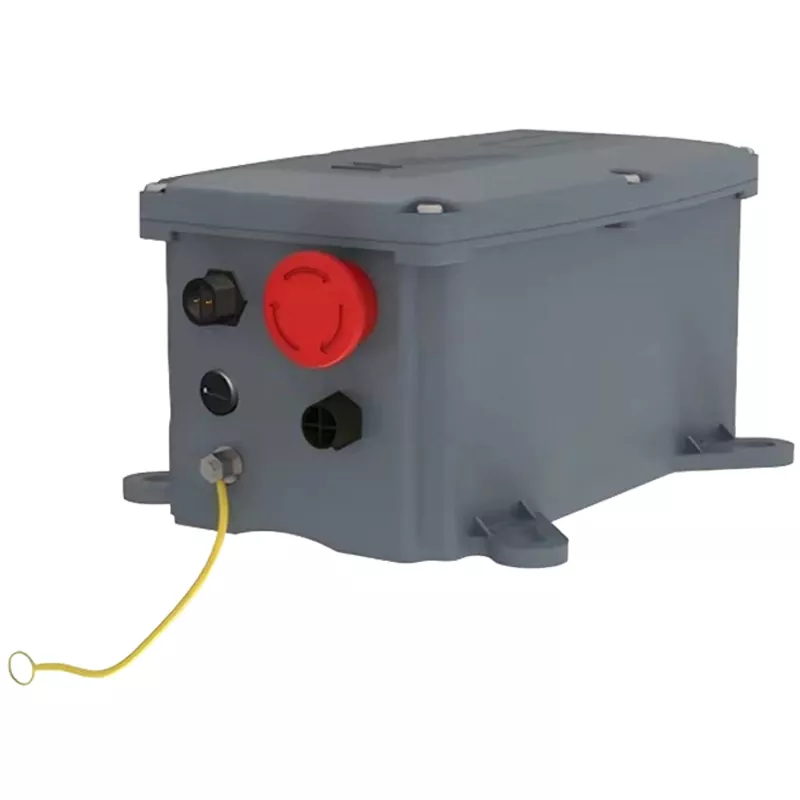
A PV Tracking TCU, also known as a Photovoltaic Tracking Control Unit, is an intelligent control device designed for solar tracking systems. It manages the movement of photovoltaic trackers by receiving environmental data, calculating optimal solar angles, and controlling motors to adjust the position of solar panels.
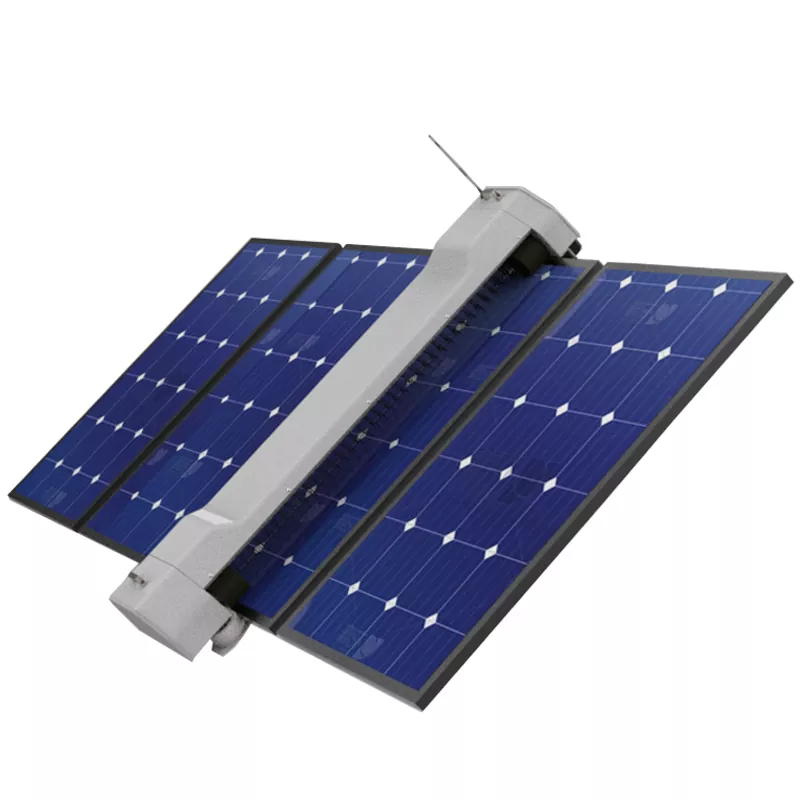
Unlike fixed solar mounting structures, tracking systems allow photovoltaic modules to follow the sun throughout the day. The PV Tracking TCU acts as the "brain" of this system, ensuring that solar panels maintain the ideal angle for maximum sunlight exposure.
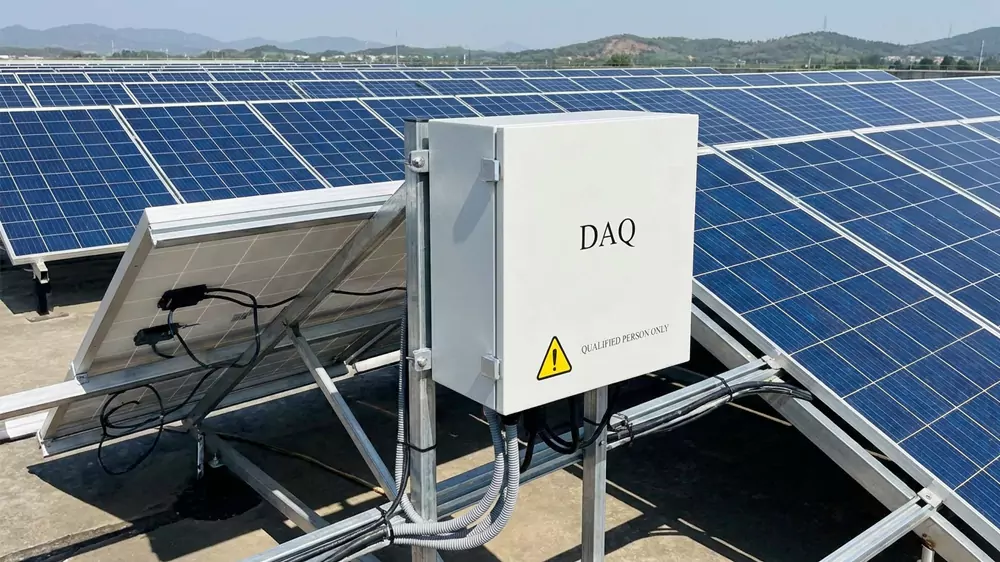
In large-scale solar farms, thousands of tracking units may operate simultaneously. Therefore, a reliable TCU must provide precise positioning, stable communication, and long-term durability under different environmental conditions.
Main Functions of PV Tracking TCU:
- Solar position calculation and tracking control
- Motor drive management
- Real-time system monitoring
- Communication between tracker components
- Protection against abnormal operating conditions
- Remote operation and maintenance support
Why Is PV Tracking TCU Important for Solar Projects?
The increasing demand for renewable energy has pushed solar developers to improve every aspect of photovoltaic systems. Although solar panels continue to become more efficient, the installation angle remains a major factor affecting power output.
A PV Tracking TCU helps overcome several challenges faced by solar project operators.
| Common Challenge | Impact on Solar Systems | PV Tracking TCU Solution |
|---|---|---|
| Fixed panel angle | Lower sunlight utilization | Automatic solar angle adjustment |
| Manual operation | High labor costs and errors | Intelligent automatic control |
| Unstable weather conditions | Potential equipment damage | Safety protection and smart adjustment |
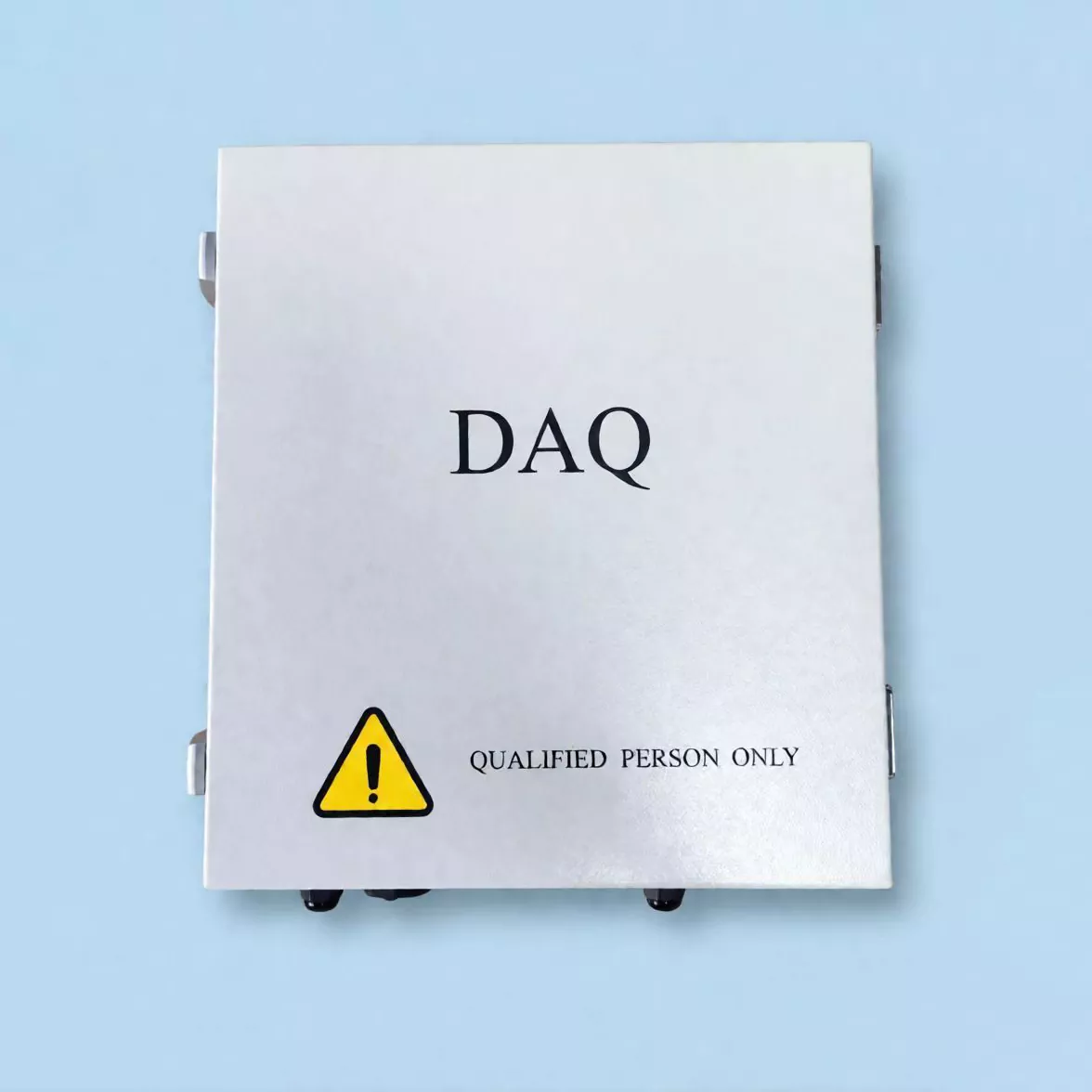
| Large solar installations | Difficult system management | Centralized monitoring capability |
Improving Solar Energy Yield
The primary goal of a PV tracking system is to increase electricity generation by keeping photovoltaic modules facing the sun at optimal angles. A high-performance PV Tracking TCU ensures accurate movements, minimizing tracking errors and maximizing the effective use of sunlight.
For commercial and utility-scale solar farms, even a small improvement in energy output can create significant economic benefits over the system lifecycle.
How Does PV Tracking TCU Work?
A PV Tracking TCU combines sensors, control algorithms, communication technologies, and motor control systems to operate solar trackers efficiently.
Working Process:
- Data Collection: The system collects information such as solar position, time, environmental conditions, and tracker status.
- Position Calculation: The controller calculates the optimal panel angle according to the sun trajectory.
- Command Execution: The PV Tracking TCU sends signals to motors or actuators to adjust the solar panels.
- Feedback Monitoring: The system checks actual movement results and makes corrections when necessary.
Core Technologies Inside PV Tracking TCU
| Technology | Function |
|---|---|
| Intelligent Control Algorithm | Provides accurate solar tracking decisions |
| Communication Interface | Enables system networking and monitoring |
| Motor Control Module | Controls tracker movement precisely |
| Safety Protection System | Protects equipment during extreme conditions |
Key Features That Solve Solar Tracking Challenges
A high-quality PV Tracking TCU should provide more than basic movement control. It should improve system reliability, simplify maintenance, and support future solar expansion.
- High Precision Tracking: Ensures solar panels maintain the correct position throughout the day.
- Reliable Environmental Adaptability: Supports operation in outdoor environments with temperature changes, dust, and humidity.
- Smart Communication: Allows operators to monitor system conditions and identify problems quickly.
- Low Maintenance Requirements: Reduces downtime and improves the total return of solar investments.
- Expandable System Integration: Supports different solar tracker designs and project scales.
PV Tracking TCU vs Traditional Solar Control Methods
As photovoltaic projects become larger and more complex, traditional manual control methods can no longer meet the requirements of modern solar energy management. A PV Tracking TCU provides automated, accurate, and intelligent control that significantly improves operational efficiency.
| Comparison | Traditional Control Method | PV Tracking TCU System |
|---|---|---|
| Control Method | Manual adjustment or simple timer control | Intelligent automatic tracking control |
| Tracking Accuracy | Affected by human operation | Precise angle calculation and adjustment |
| Maintenance | Requires frequent manual inspection | Remote monitoring and intelligent diagnosis |
| Energy Output | Limited by fixed installation angle | Optimized sunlight utilization |
| Scalability | Difficult for large solar farms | Suitable for large-scale PV projects |
For solar developers, choosing an intelligent tracking control solution is not only about improving current energy production but also about ensuring long-term system stability. A dependable PV Tracking TCU reduces operational risks and creates a more predictable solar power generation environment.
Applications and Performance Benefits of PV Tracking TCU
PV Tracking TCU technology is widely used in different photovoltaic applications where accurate solar positioning and automated control are required.
Major Application Areas
- Utility-Scale Solar Farms: Large photovoltaic plants use tracking controllers to manage thousands of solar modules efficiently.
- Commercial Solar Projects: Businesses can improve electricity generation and maximize renewable energy returns.
- Industrial Photovoltaic Systems: Factories and industrial facilities benefit from stable energy output and intelligent monitoring.
- Remote Solar Installations: Automatic tracking reduces the need for frequent maintenance visits.
Key Performance Benefits
| Benefit | Customer Value |
|---|---|
| Higher Energy Efficiency | More electricity generation from available sunlight |
| Reduced Labor Cost | Less manual operation and inspection work |
| Improved System Reliability | Stable performance in different environments |
| Better Asset Management | Easier monitoring and maintenance planning |
How to Choose the Right PV Tracking TCU?
Selecting the right PV Tracking TCU is essential for achieving reliable solar tracking performance. Different solar projects may have different requirements depending on system size, environmental conditions, and communication architecture.
Important Selection Factors
- Compatibility: The controller should match the solar tracker structure, motors, and communication systems.
- Control Accuracy: High precision positioning helps maximize photovoltaic output.
- Environmental Protection: The unit should withstand outdoor conditions such as rain, dust, and temperature changes.
- Communication Capability: Reliable data transmission improves monitoring and management efficiency.
- Future Expansion: The system should support upgrades and larger photovoltaic projects.
- Supplier Experience: Working with an experienced manufacturer helps ensure product quality and technical support.
Why Choose Suzhou Ruitai Automation Technology Co., Ltd.?
Suzhou Ruitai Automation Technology Co., Ltd. focuses on advanced automation solutions and intelligent control technologies for industrial applications. With professional technical capabilities and a strong understanding of automation requirements, the company provides reliable control solutions designed to improve system efficiency and operational stability.
For photovoltaic tracking applications, advanced control technology plays an important role in improving solar system performance. Reliable PV Tracking TCU solutions help customers achieve accurate tracking, smarter operation, and improved energy management.
Frequently Asked Questions About PV Tracking TCU
Q1: What is the main function of a PV Tracking TCU?
A PV Tracking TCU controls the movement of solar tracking systems by calculating solar positions and sending commands to motors. It helps photovoltaic modules maintain the best angle for sunlight absorption.
Q2: How does PV Tracking TCU improve solar energy production?
By continuously adjusting solar panel angles according to sunlight direction, the system improves solar exposure and increases electricity generation compared with fixed mounting structures.
Q3: Can PV Tracking TCU work in harsh outdoor environments?
Yes. High-quality PV Tracking TCU products are designed for outdoor photovoltaic applications and can provide stable operation under changing temperature, humidity, and weather conditions.
Q4: What should customers consider before purchasing a PV Tracking TCU?
Customers should evaluate system compatibility, tracking accuracy, communication functions, environmental protection, and supplier technical support before making a decision.
Conclusion
A PV Tracking TCU is a key technology for improving the performance of modern solar tracking systems. By providing intelligent control, accurate positioning, and reliable communication, it helps solar projects overcome common challenges such as low energy utilization, high maintenance costs, and inefficient manual operation.
As renewable energy continues to expand globally, intelligent photovoltaic control solutions will become increasingly important. Choosing a reliable PV Tracking TCU supplier can help businesses build more efficient, stable, and sustainable solar power systems.
Improve Your Solar Tracking Performance Today
Suzhou Ruitai Automation Technology Co., Ltd. provides professional automation control solutions designed to support efficient photovoltaic tracking systems. If you are looking for reliable PV Tracking TCU solutions or customized technical support, please contact us to discuss your project requirements and discover the right solution for your solar applications.
Contact us today and build a smarter, more efficient solar energy future.
Related News
- How Can a Dual-Axis Solar Tracking System Improve PV Efficiency?
- What Is a Solar Control Communication Cabinet for Smarter PV Tracking?
- How Does an Intelligent PV Tracker Improve Solar Power Generation?
- How Does a Multi-Row Multi-Drive Solar Tracker Improve Large-Scale Solar Performance?
- How Does a Single-Axis PV Tracker Improve Solar Energy Performance?
- How Does a PV Module Tracking Controller Improve Solar Tracking Performance?
Leave me a message