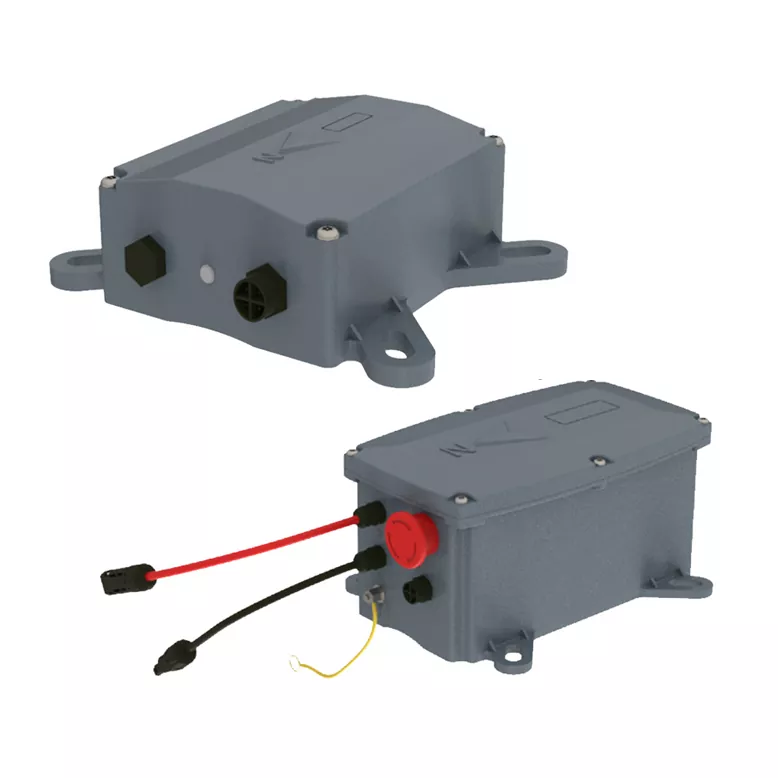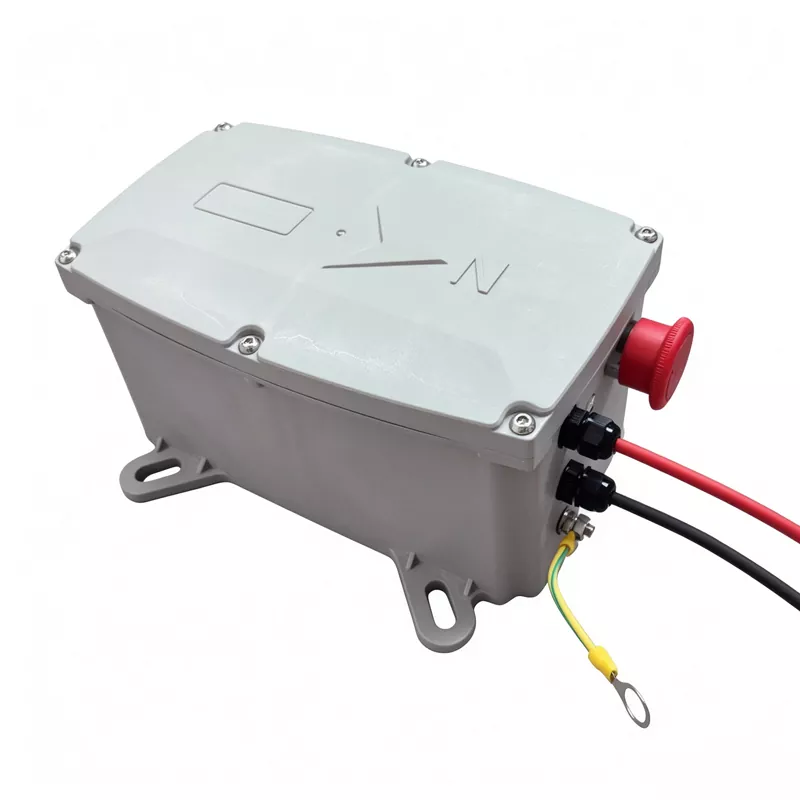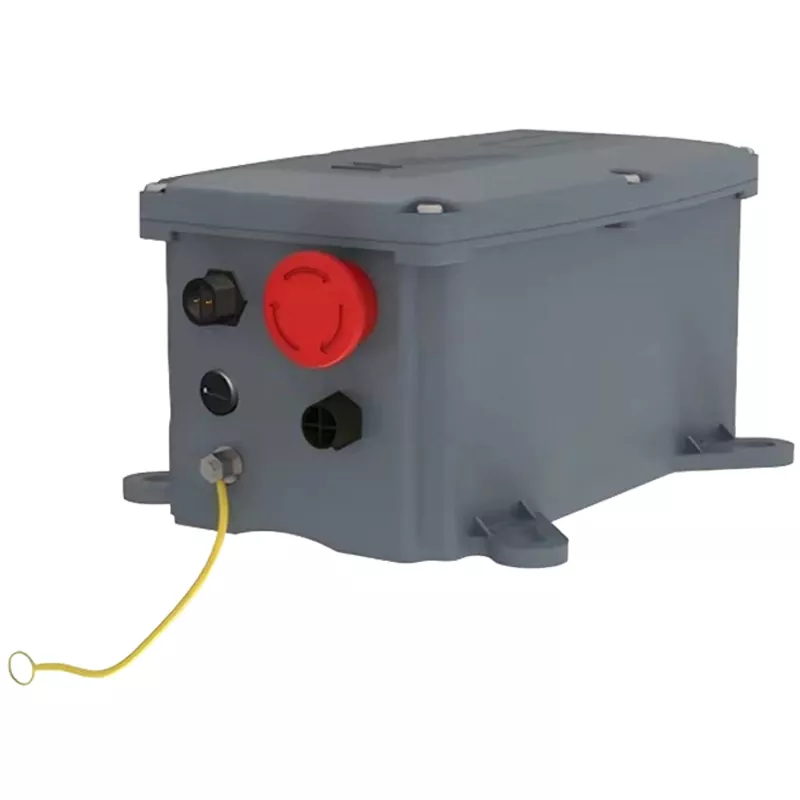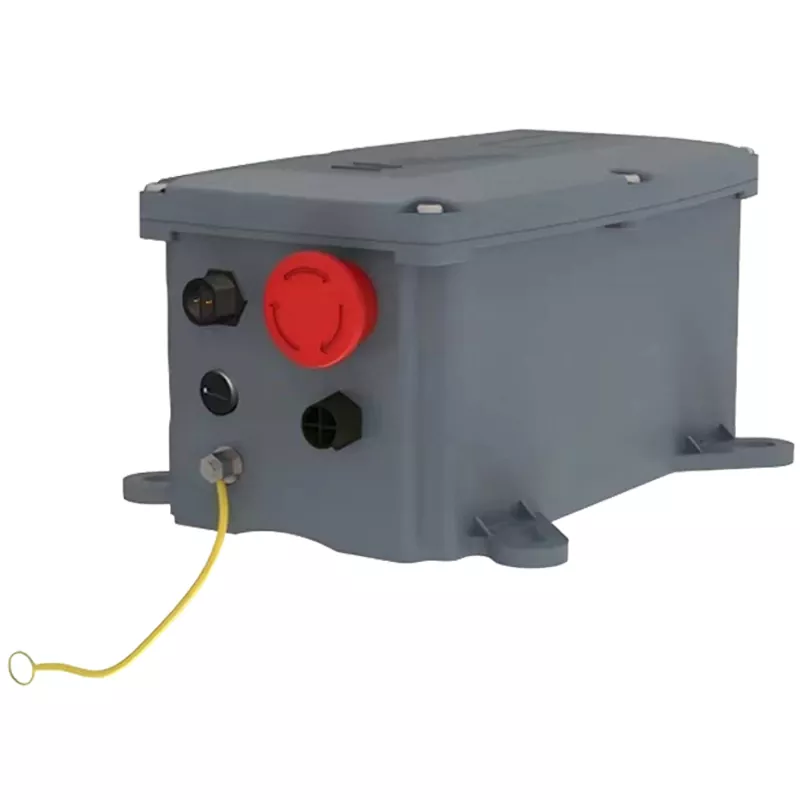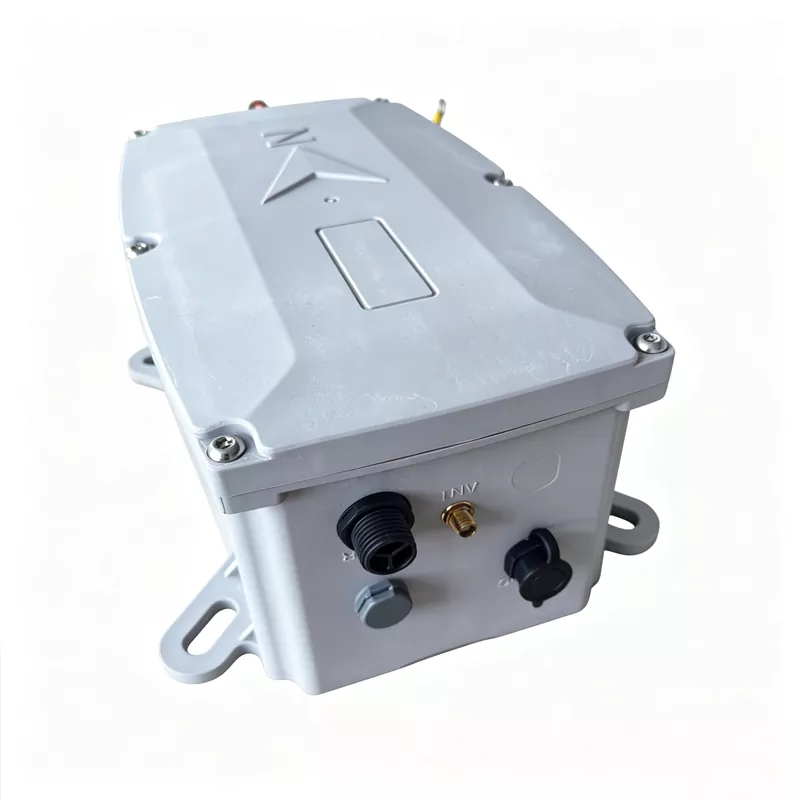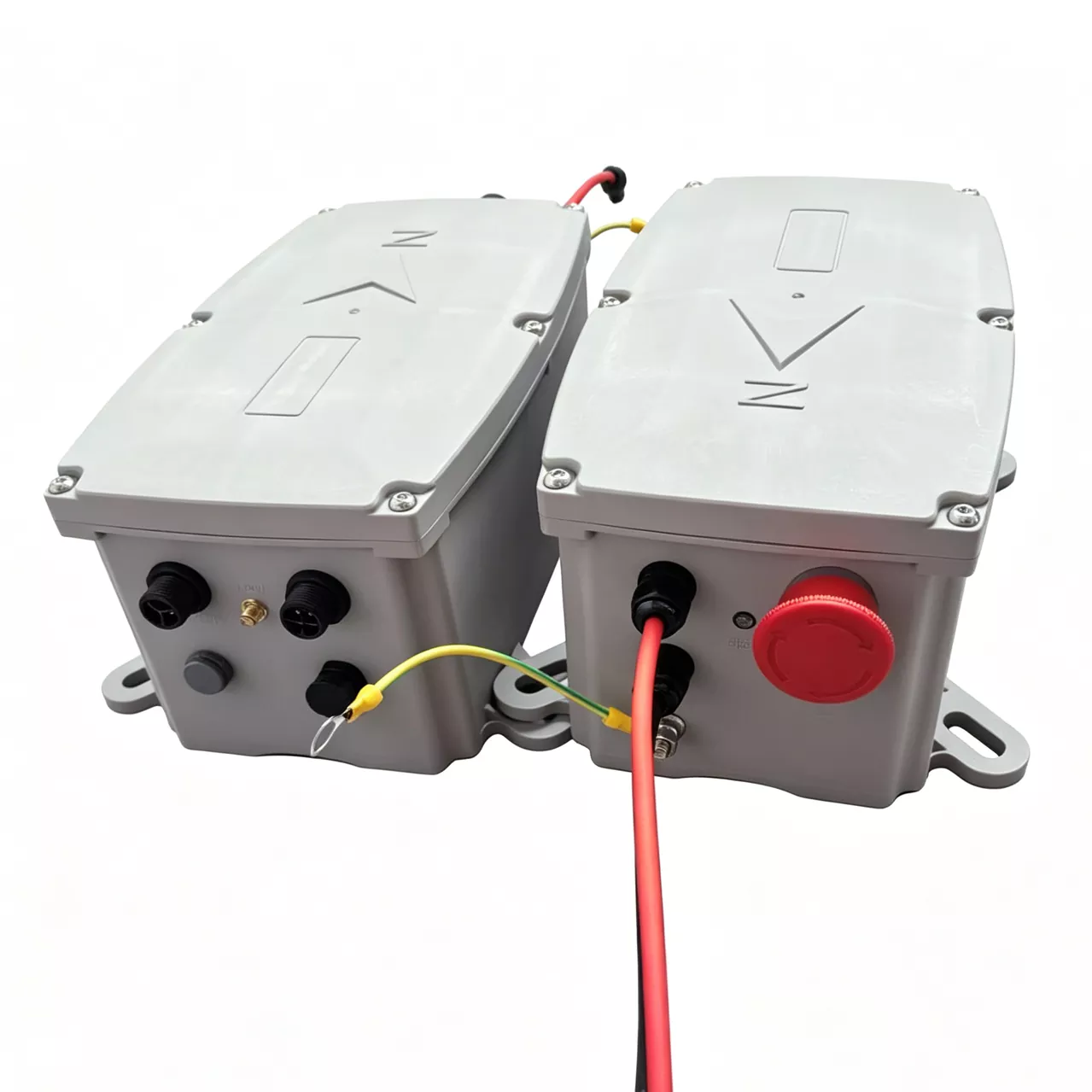

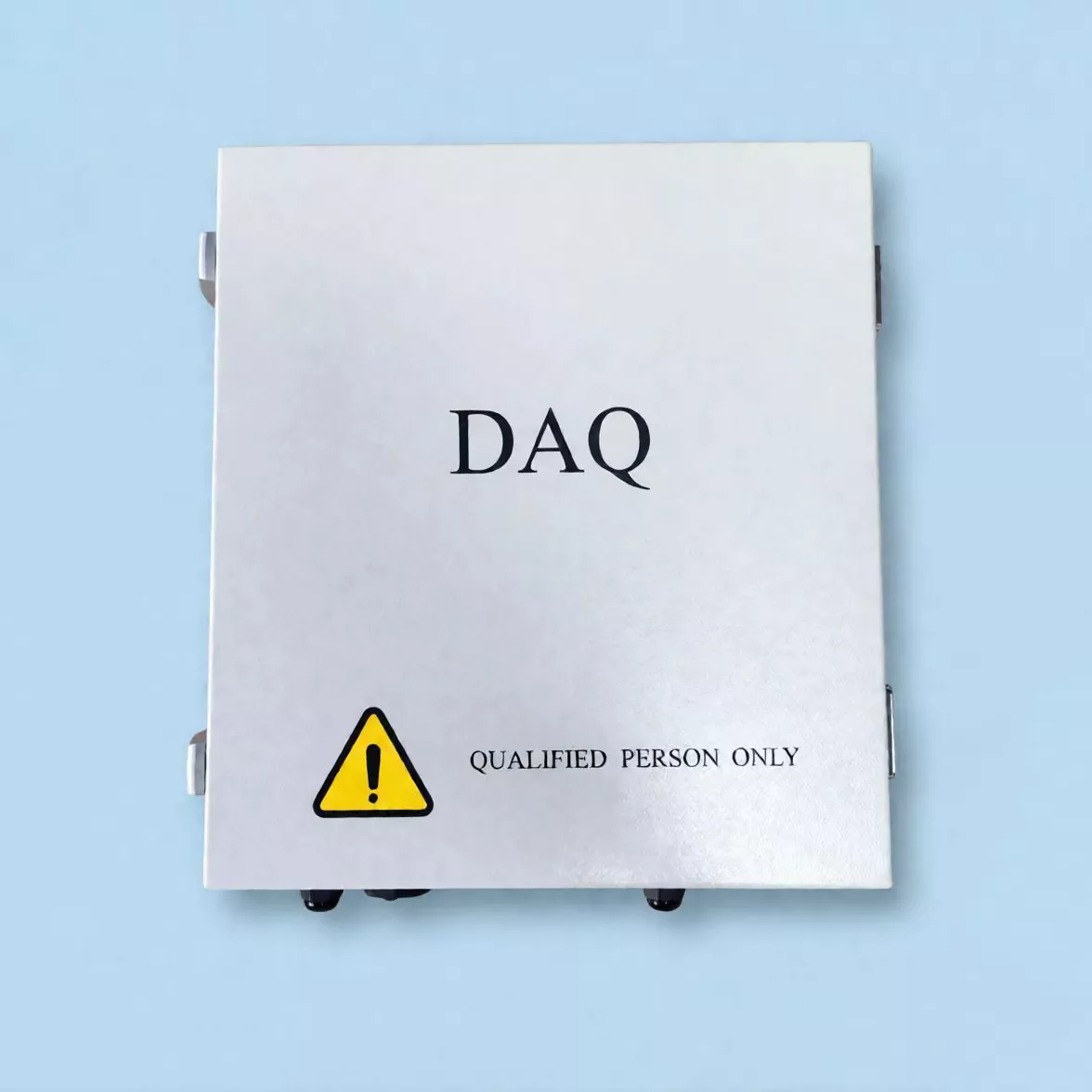
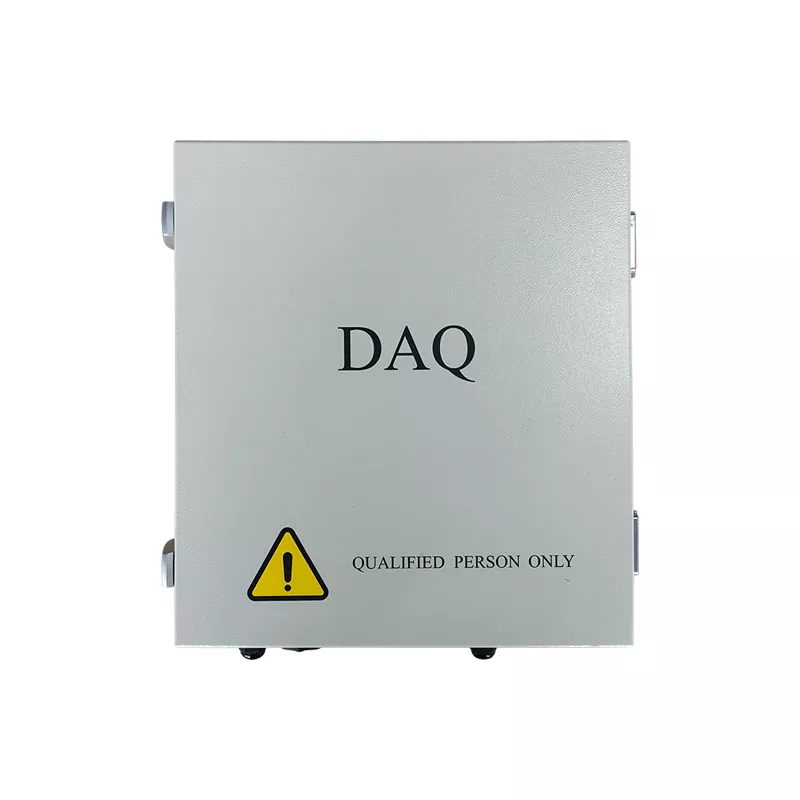
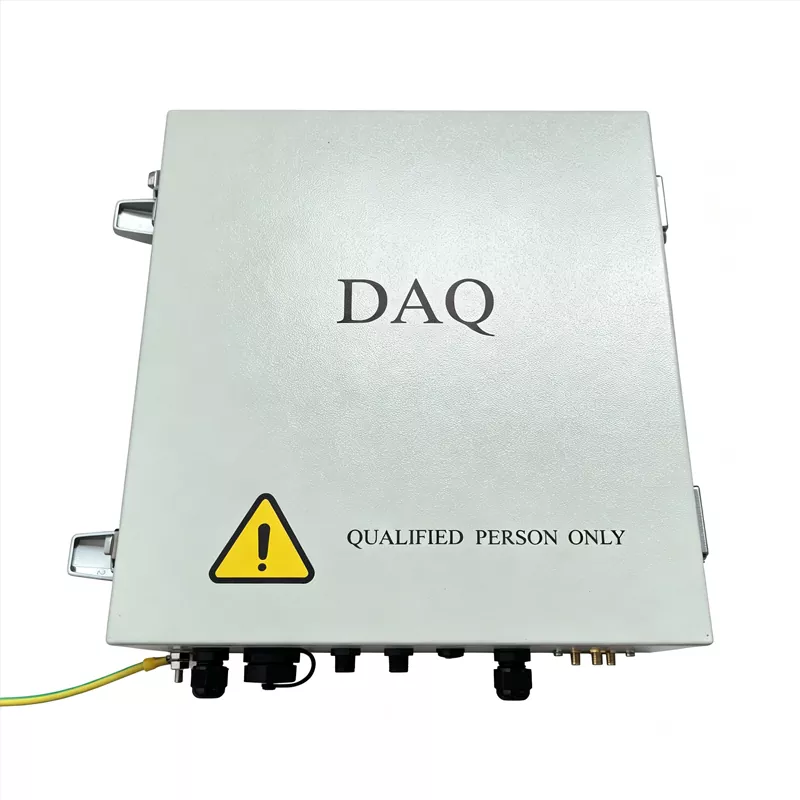
Solar Tracker Communication Box NCU
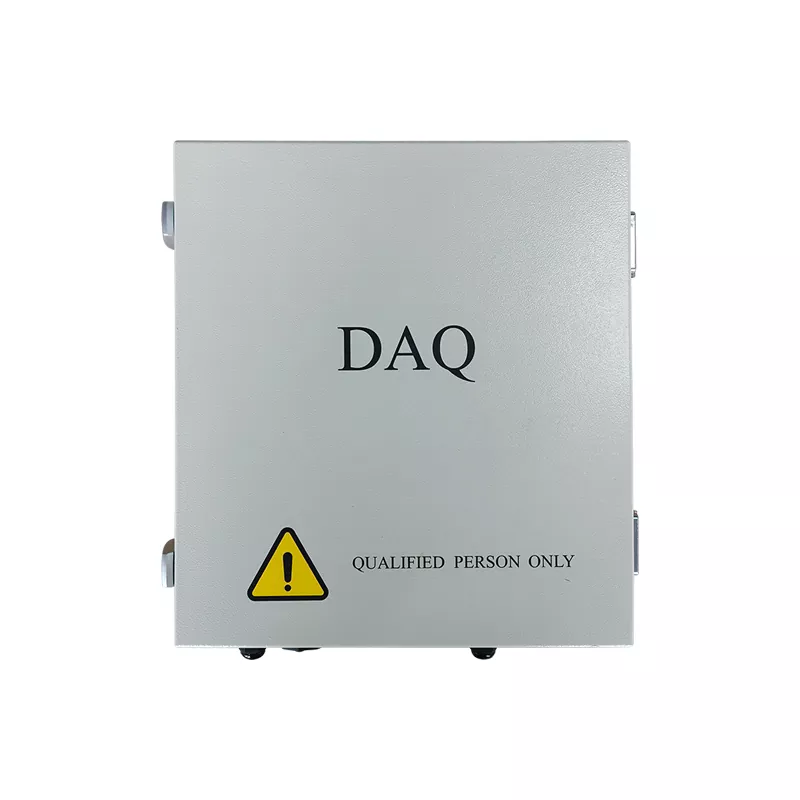
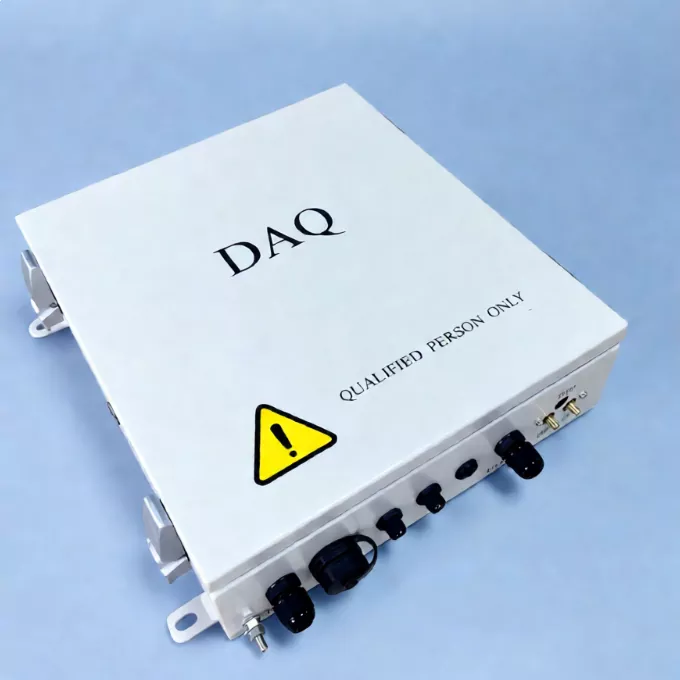
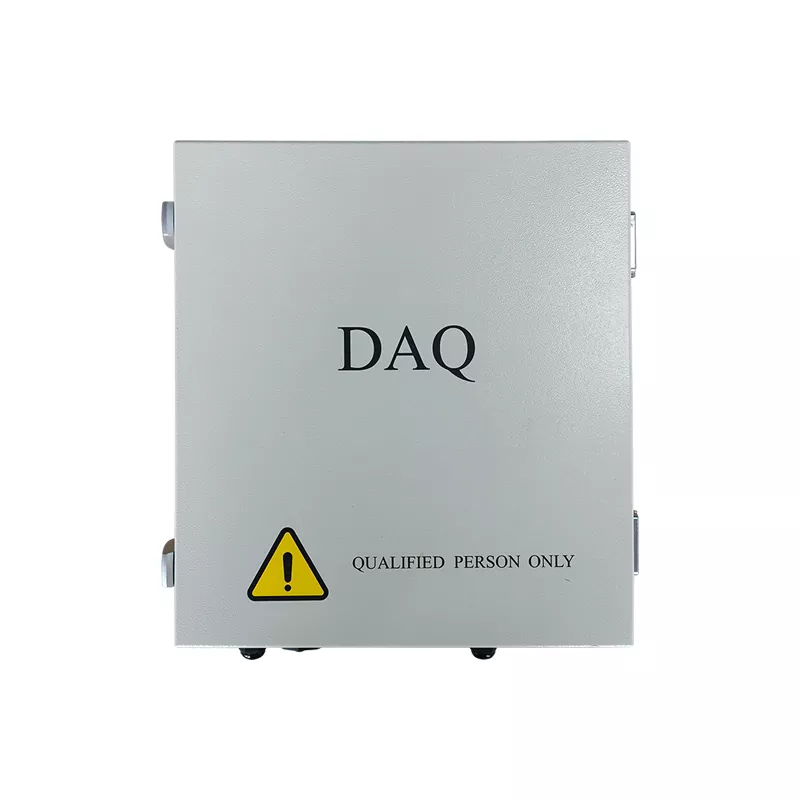
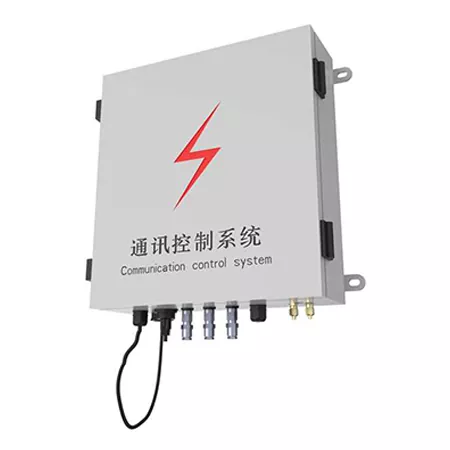
If you are looking for professional manufacturer and supplier of Solar Tracker Communication Box NCU, Suzhou Ruitai can offer this as a core solution for large solar power plants, supporting efficient power generation, intelligent O&M, and asset safety. As the subnetwork control hub and remote communication gateway for solar tracking systems, our NCU combines network control, data processing, and intelligent decision-making. Through coordinated device, edge, and cloud management, it helps solar power plants achieve a higher level of intelligent operation.
The Ruitai NCU is built on a self-healing fiber-optic ring network, with ring network protocols that support millisecond-level recovery, together with a dual power supply redundancy design. If a network link is unexpectedly disconnected or equipment fails, the system can automatically rebuild the communication path within milliseconds. This enables seamless switching without affecting operations, reducing outage risks and supporting 24/7 uninterrupted operation at large solar power plants.
Key Functions and Technical Highlights
1. Precise Solar Tracking and Micro-Weather Monitoring
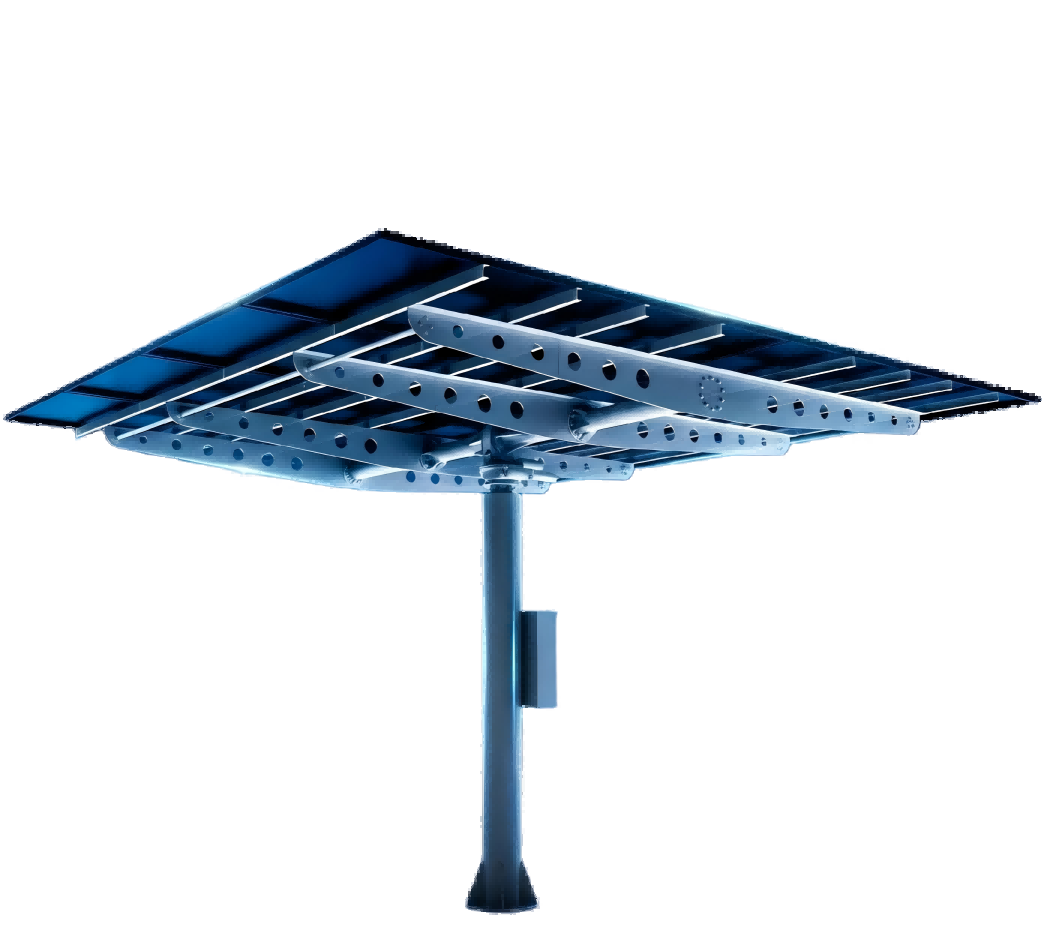
The Solar Tracker Communication Box NCU coordinates multiple TCUs (Tracker Control Units) to support accurate solar tracking.
It also integrates wind speed, wind direction, irradiance, and other sensors to function as a micro-weather station.
Combined with intelligent tracking algorithms, it helps reduce terrain shading losses and improve power generation efficiency.
2. Intelligent All-Weather Protection
Using real-time weather data, the NCU can automatically activate wind, snow, and hail protection modes and move tracker structures to a safe position.
In extreme weather, this function can reduce asset losses caused by hail, heavy snow, and similar events by up to 94%.
3. High-Reliability Industrial Design
The NCU uses industrial-grade chips and isolated circuits with IP65 protection for demanding environments such as high-altitude areas, deserts, and coastal sites.
It supports both AC and DC power supplies and includes a backup lithium battery to maintain operation during power outages or at night.
Hardware and software encryption, together with high- and low-voltage isolation, help protect data transmission and equipment safety.
4. Multi-Protocol Connectivity
The NCU supports multiple communication technologies, including Zigbee and M-Bus.
It connects local systems with remote monitoring platforms such as Smart Cloud and SCADA, enabling real-time data upload and command delivery.
Full Specifications Table
▷ Characteristic parameters
|
Product Model |
RT-COM-V1 |
High Wind Speed Trigger Threshold |
Adjustable |
|
Power Supply |
L+N 220VAC |
Heavy Snow Trigger Threshold |
Adjustable |
|
Parameter Setting |
PC |
Latitude and Longitude |
Automatically Obtained by GPS |
|
Daily Power Consumption |
≤0.1kWh |
Time Zone |
Self-Setting |
|
GPS Signal |
Yes |
||
▷ Functional parameters
|
Weather Sensor Alarm |
Yes |
Wireless Communication (with TCU) |
Yes |
|
Communication Interruption Alarm (with TCU) |
Yes |
Communication Port |
RS485 / Ethernet |
|
GPS Module Fault Alarm |
Yes |
Wind Speed |
Yes |
▷ General parameters
|
Housing Material |
Sheet Metal |
Size |
330*96*360mm |
|
Installation Method |
Clamping |
Operating Temperature |
-40~70℃ |
|
Waterproof Rating |
IP65 |
Altitude |
< 4000m |
|
Weight |
5.4kg |
||
Application Value and Our Project
Ruitai Intelligent NCU reduces the need for manual inspections through remote fault diagnosis and one-click snow-removal and hail-protection functions, helping lower O&M costs.
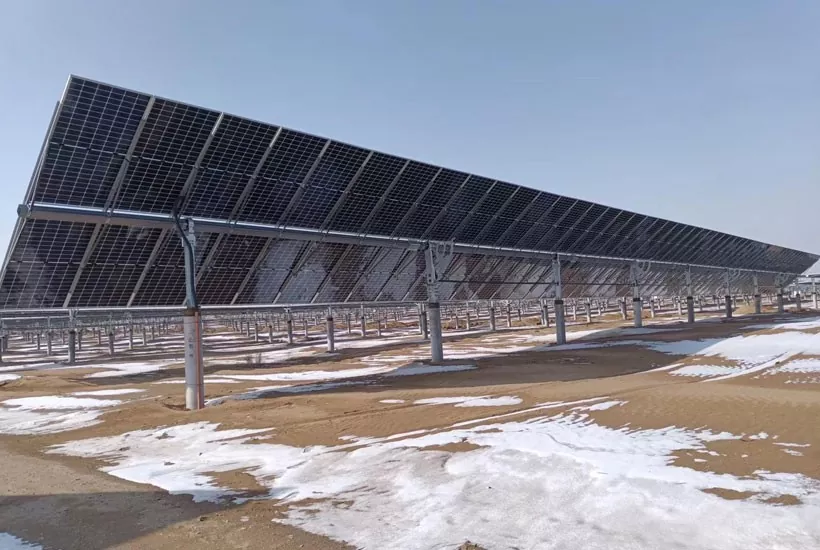
The system has been deployed in overseas projects in the United States and Spain, providing automatic protection during extreme weather conditions.
Together with SCADA and remote O&M software, the NCU supports intelligent management across the full operating process, helping solar power plants capture more value from every ray of sunlight.
Case Study: 100 MW Utility-Scale Solar Power Plant in Texas, USA
This project is located in the North American Great Plains, often facing frequent severe hailstorms and extreme winds.
Under these conditions, conventional solar modules and tracker structures can suffer significant damage, creating major risks to plant assets.
After adopting the Ruitai SCADA platform, the system used AI weather forecasting and intelligent coordination algorithms to respond automatically to hail or strong-wind warnings.
It sent commands to the TCU, which moved the solar modules to a protective 60° tilt angle.
This proactive extreme-weather protection strategy reduced annual PV asset losses by 94% when the plant was hit by hailstones larger than 50 mm in diameter, shifting the plant's response from passive damage control to active risk prevention.
Why Choose Ruitai?
Ruitai specializes in the R&D and application of PV tracking control systems. Addressing the need for intelligent management in large-scale PV power plants, we continuously enhance our capabilities in control algorithms, communication technology, and system integration.
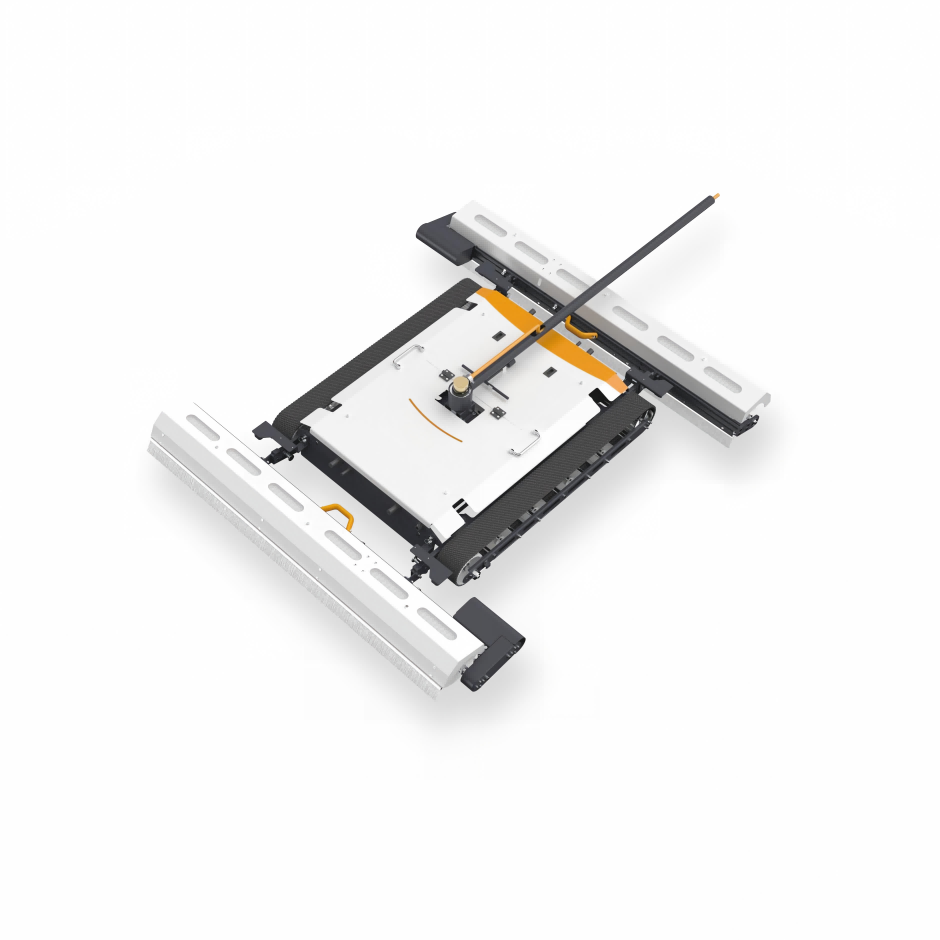
In addition to the Solar Tracker Communication Box (NCU), we offer a comprehensive suite of solutions, including TCUs, PV SCADA intelligent monitoring platforms, and intelligent solar cleaning robots.
Our equipment features IP65/IP66 protection ratings and operates reliably across a wide temperature range of -40°C to +70°C. Designed with lightning protection, our products are built to withstand the diverse and challenging environments where PV plants are located.
Backed by over 20 intellectual property rights, ISO 9001 and CE certifications, software copyrights, and test reports from third-party agencies like HTW, we have established project partnerships across more than 50 countries and regions. We provide long-term services including remote monitoring, fault diagnosis, software upgrades, and O&M training.
FAQ
Q: The NCU indicates normal communication, yet some trackers fail to move after commands are issued; how should I troubleshoot this?
A: This type of "false communication" (where the system appears connected but fails to actuate) is typically caused by the following:
TCU mechanical jam: A motor or gearbox failure; although the TCU can still send "heartbeat" signals, it cannot execute physical movements.
Insufficient power supply: Tracker motors draw high inrush current upon startup. If power cables are excessively long or have an insufficient cross-sectional area, voltage drops at the terminal TCU can prevent the motor from starting, even though the NCU has issued the command.
Command conflict: Check if other systems (such as SCADA or a local HMI) are simultaneously issuing conflicting commands.
Q: Can I use arbitrary T-branch connections when wiring the RS485 bus?
A: No. The RS485 bus must utilize a daisy-chain topology. T-branching causes severe signal reflections, leading to highly unstable communication.
If site conditions necessitate branching, an RS485 repeater or hub must be installed at the branch point.
Q: Can the NCU interface with the power plant's AGC/AVC system?
A: Yes. In large-scale power plants, when the grid requires curtailment, the AGC/AVC system transmits power limitation commands to the NCU.
Upon receiving these commands, the NCU can adjust the tracker angles to achieve active hardware-level power derating; this approach better safeguards grid stability compared to simply limiting the inverter's output.
Send Inquiry
Contact Info
-
Address
Building 10, Jiangsu Hainde High tech Industrial Park, No. 70 Yaofeng West Road, Mudu Town, Wuzhong District, Suzhou City, Jiangsu Province, China
-
Tel
-
Email
Send Us Your Project Details
Get a Tailored Quote Within 24 Hours
- ● Factory-Direct Pricing: No middlemen—you get competitive costs straight from our Suzhou plant.
- ● Fast Response: Our technical team replies within 24 hours with initial recommendations.
- ● Custom Solutions: We tailor TCU strategies, communication setups, and SCADA dashboards to your needs.
- ● Global Support: From commissioning to after-sales, our engineers are ready to assist worldwide.
News Recommendations