
How Does an Intelligent PV Tracker Improve Solar Power Generation?
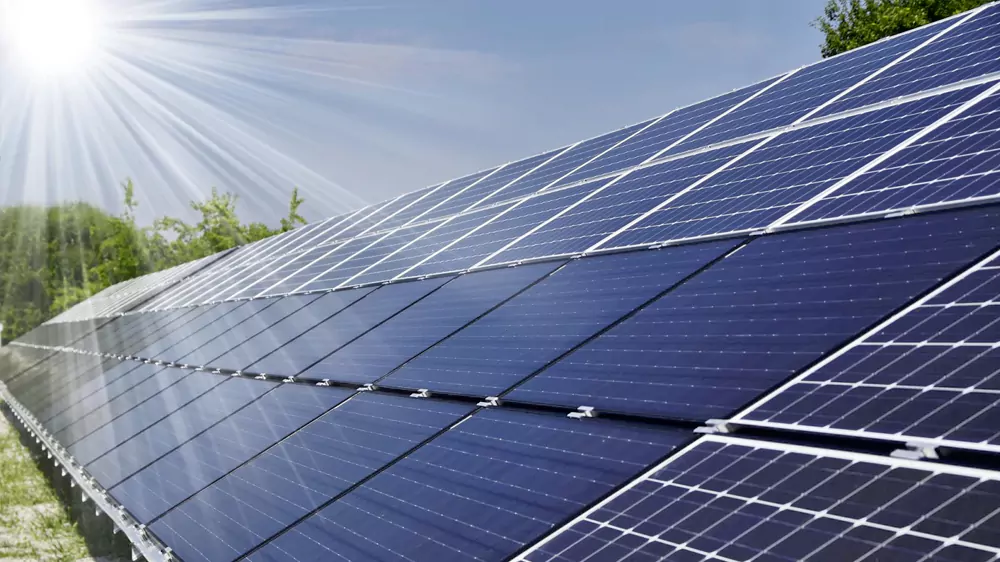
An Intelligent PV Tracker dynamically adjusts the orientation of photovoltaic modules according to the sun's changing position and operating conditions. Compared with fixed-tilt installations, tracking technology can increase solar radiation received by the modules and improve energy yield when site conditions, system design, and economics are suitable. Modern intelligent trackers can combine astronomical positioning, sensors, motorized drives, control algorithms, weather information, backtracking, and remote monitoring to optimize operation throughout the day.
This guide explains how Intelligent PV Tracker systems work, what components determine their performance, how single-axis and dual-axis designs differ, how intelligent control addresses common project challenges, and what buyers should evaluate before selecting a solution. It also discusses applications in utility-scale solar plants, commercial projects, industrial facilities, and specialized photovoltaic installations.

Table of Contents
- What Is an Intelligent PV Tracker?
- How Does an Intelligent PV Tracker Work?
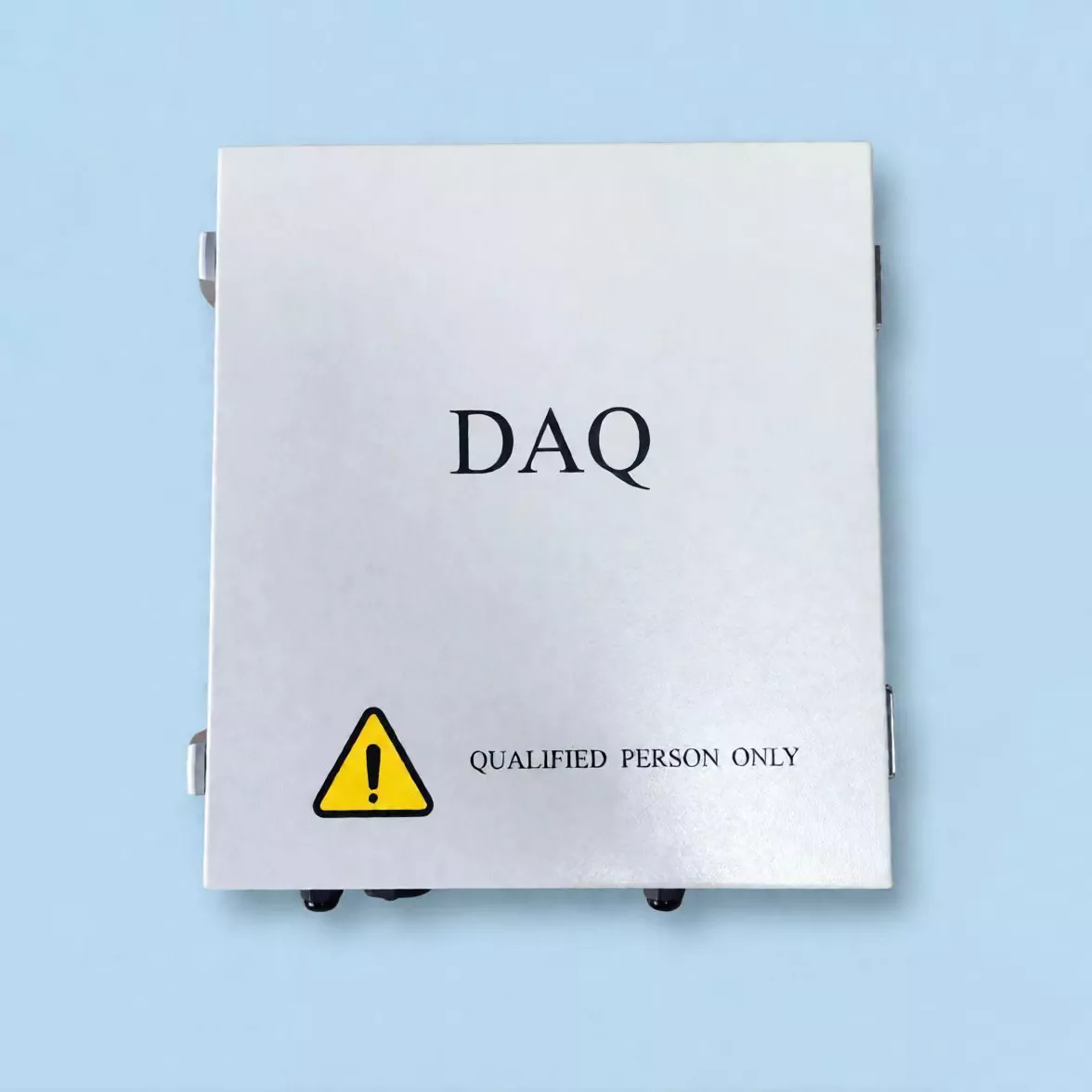
- What Are the Core Components?
- How Do Single-Axis and Dual-Axis Trackers Differ?
- What Problems Can Intelligent Tracking Solve?
- How Does Intelligent Control Improve Tracker Performance?
- What Should Buyers Evaluate Before Installation?
- Where Are Intelligent PV Trackers Used?
- How Can Reliability and Maintenance Be Improved?
- Intelligent Tracker vs. Fixed PV Structure
- What Is the Future of Intelligent PV Tracking?
- Frequently Asked Questions
- Final Considerations for Project Developers
1. What Is an Intelligent PV Tracker?
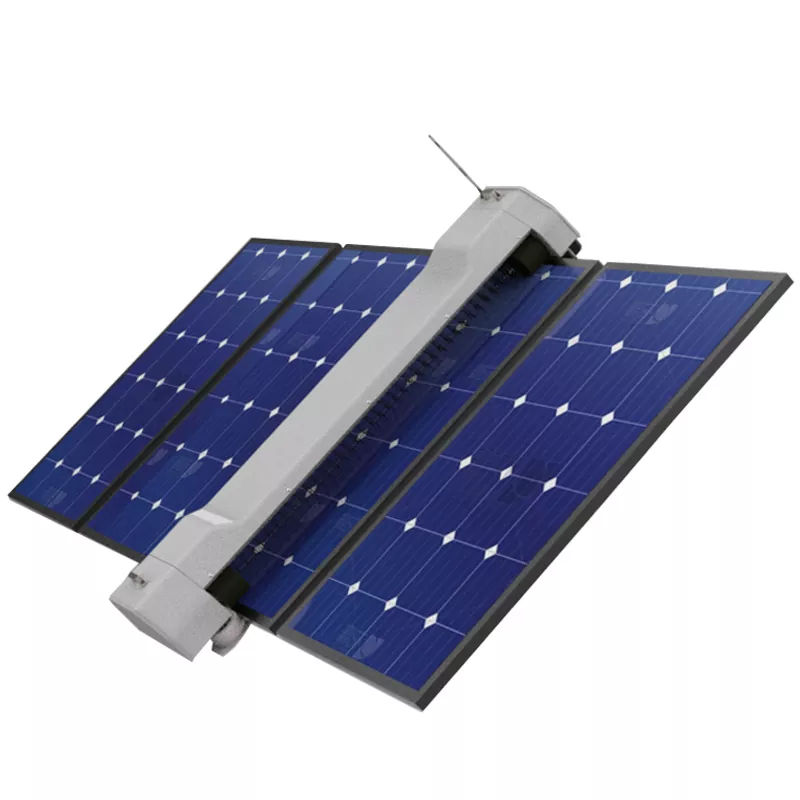
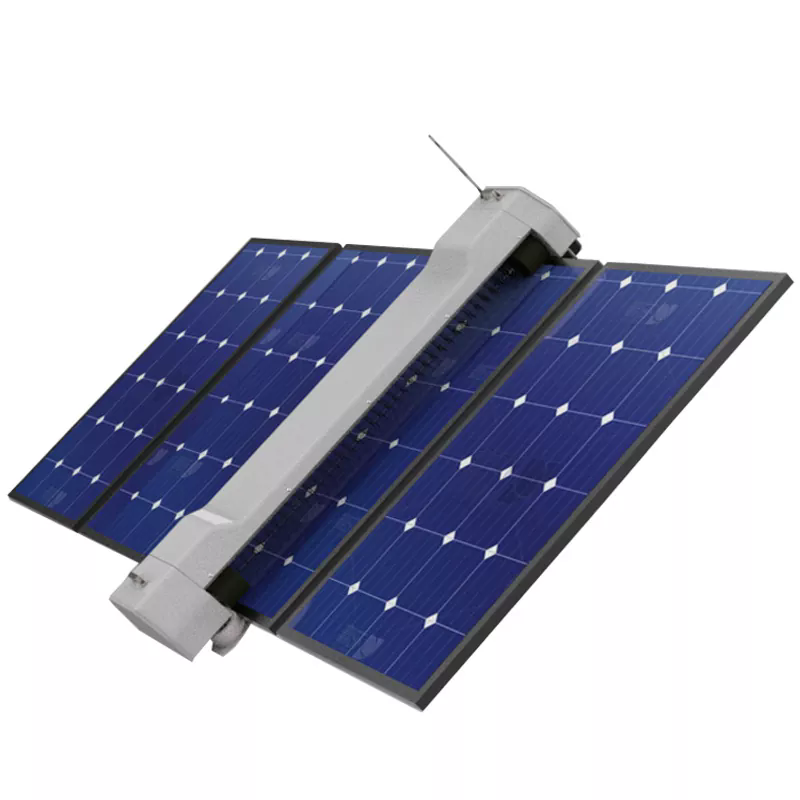
An Intelligent PV Tracker is a motorized photovoltaic mounting system designed to continuously adjust the position of solar modules so that they can receive sunlight from a more favorable angle. Unlike a conventional fixed structure, which maintains the same orientation throughout the day, a tracker actively changes its position according to the calculated or measured solar position.
The concept is straightforward, but an effective intelligent tracking system involves much more than simply rotating a solar panel. It combines mechanical engineering, electrical control, positioning algorithms, sensors, communication systems, and operational strategies.
Modern tracking systems may use astronomical algorithms to calculate the sun's position without relying exclusively on light sensors. Other systems incorporate sensors, encoders, weather information, remote monitoring, or hybrid control methods. Recent research has increasingly examined advanced control techniques, artificial intelligence, and predictive maintenance as ways to improve accuracy and operating reliability.
Key idea: An Intelligent PV Tracker does not simply "follow the sun." It continuously makes operating decisions intended to balance solar exposure, energy production, structural safety, motor consumption, shading conditions, and mechanical wear.
2. How Does an Intelligent PV Tracker Work?
The operating process generally consists of several interconnected stages. First, the controller determines the expected position of the sun. Depending on the system architecture, this can be achieved through astronomical calculations, sensors, or a combination of both.
The controller then compares the desired position with the actual position of the photovoltaic array. If a correction is required, the control system activates an electric actuator or drive mechanism. An encoder or position feedback device can confirm that the structure has reached the required angle.
The system may also modify its normal tracking behavior when environmental conditions change. Strong wind, heavy snow, extreme temperatures, or abnormal operating conditions can require the tracker to move into a protective position. Intelligent control therefore needs to consider both energy generation and structural protection.
- Solar-position calculation: Determine the expected solar position based on location, date, and time.
- Position detection: Determine the actual orientation of the PV structure.
- Control decision: Calculate whether movement is required.
- Mechanical movement: Activate motors, actuators, gears, or related drive components.
- Feedback: Verify the new position through encoders or sensors.
- Protection: Adjust the structure when weather or system conditions require a safe position.
- Monitoring: Record operational information for inspection and maintenance.
3. What Are the Core Components?
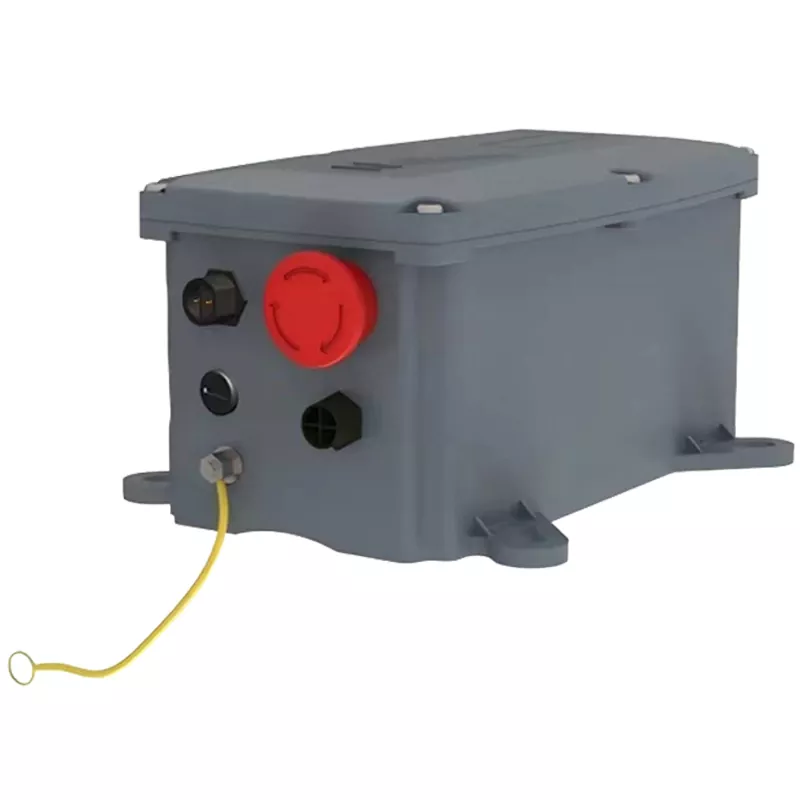
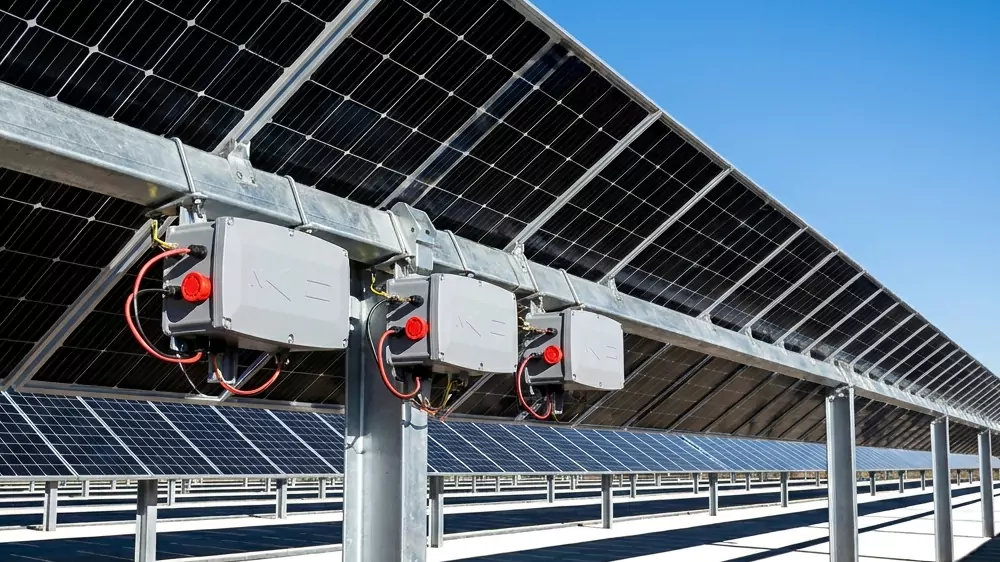
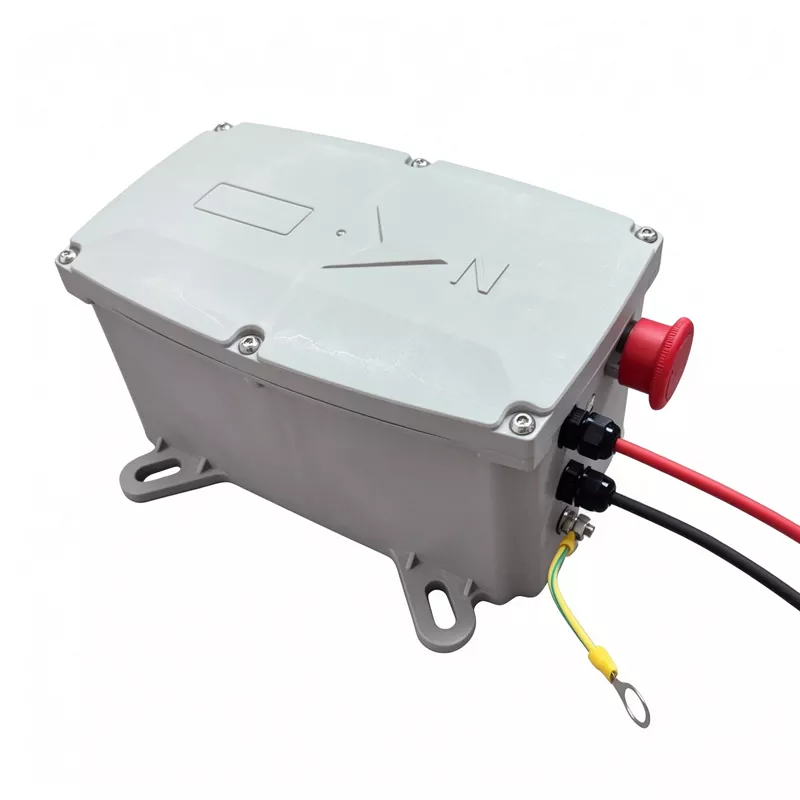
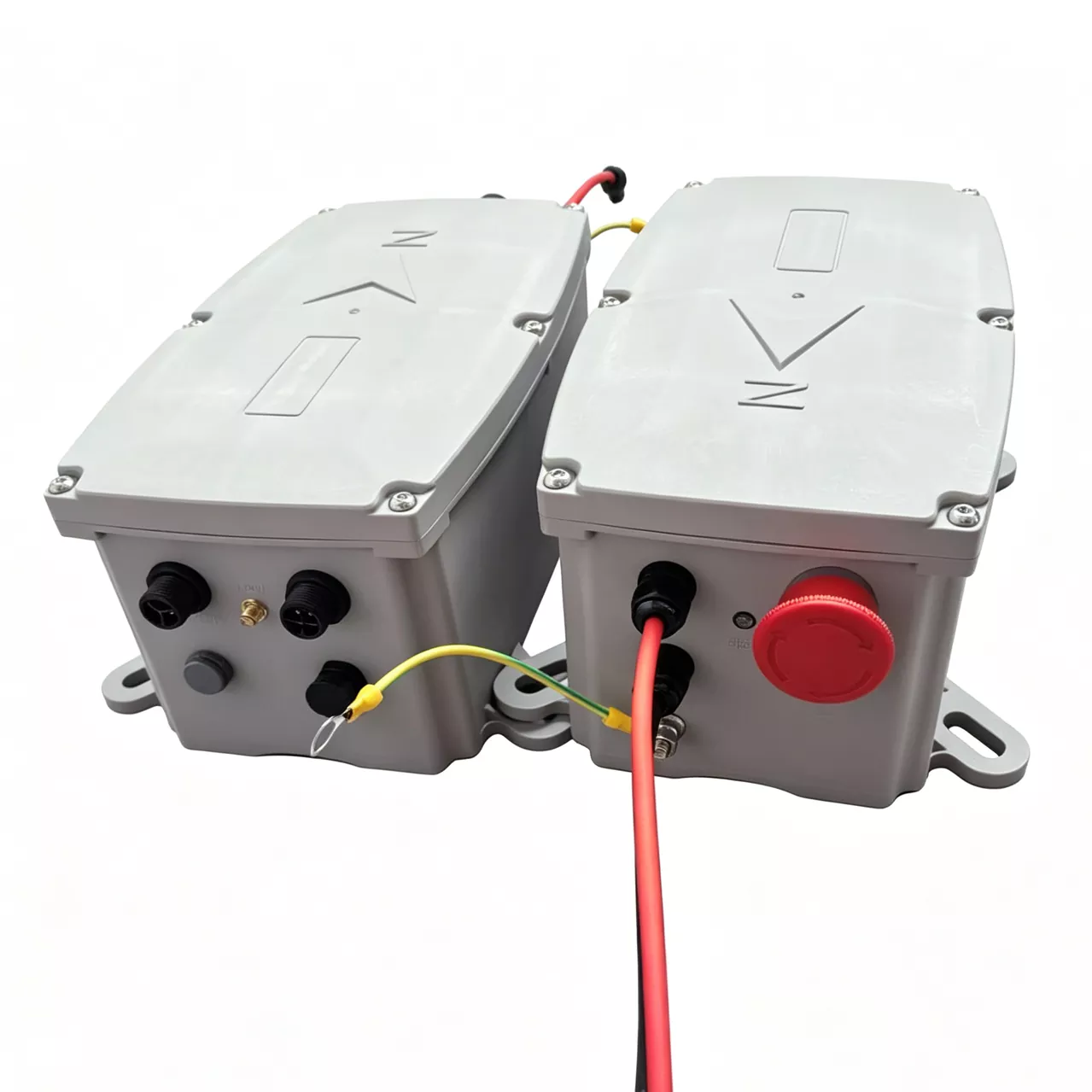
The performance of an Intelligent PV Tracker depends on the interaction of several subsystems. A high-quality design must consider these components as one integrated solution rather than treating the drive mechanism or controller as an isolated product.
| Component | Primary Function | Important Consideration |
|---|---|---|
| Controller | Processes tracking logic and commands | Response speed and control stability |
| Drive System | Moves the PV structure | Torque, durability, efficiency |
| Position Feedback | Confirms actual tracker position | Accuracy and reliability |
| Sensors | Monitor environmental or solar conditions | Sensor stability and calibration |
| Mechanical Structure | Supports and rotates PV modules | Wind loads, corrosion, fatigue |
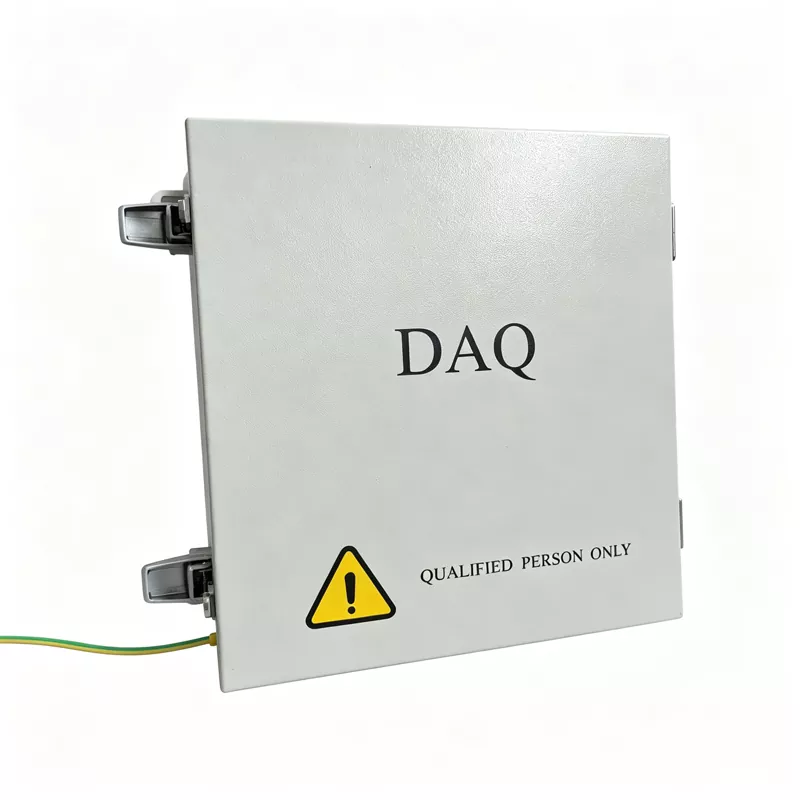
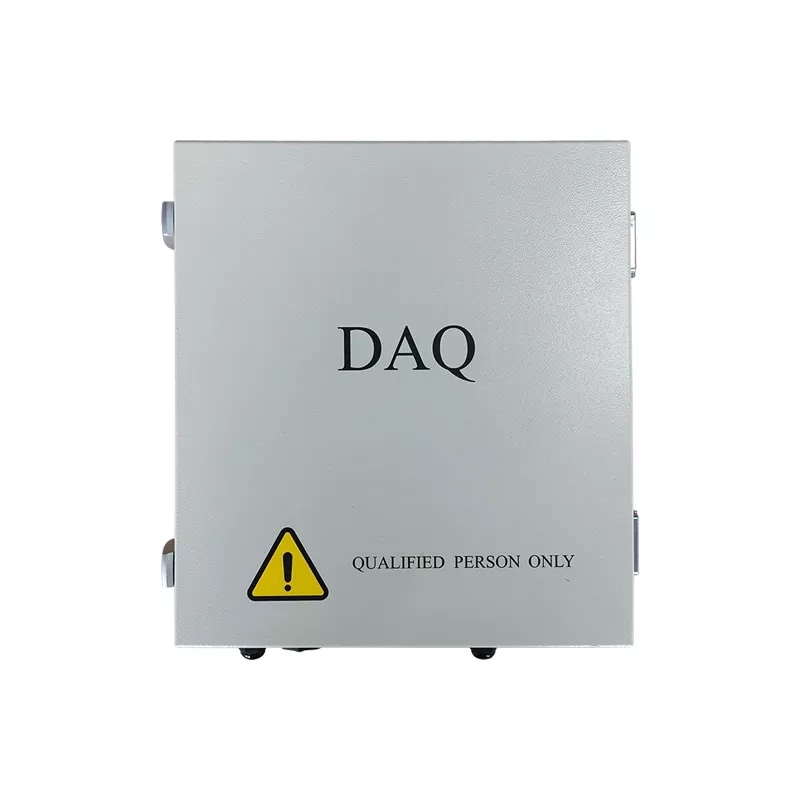
| Communication System | Transfers monitoring and control information | Network stability and remote access |
4. How Do Single-Axis and Dual-Axis Trackers Differ?
Solar trackers are commonly classified according to the number of rotational axes. Single-axis systems rotate around one primary axis, while dual-axis systems provide movement in two directions. Research literature consistently identifies these as the two major tracker configurations.
| Factor | Single-Axis | Dual-Axis |
|---|---|---|
| Movement | One rotational direction | Two rotational directions |
| Mechanical Complexity | Generally lower | Generally higher |
| Control Requirements | Moderate | More sophisticated |
| Potential Energy Gain | Site dependent | Potentially higher in suitable locations |
| Typical Application | Large ground-mounted PV projects | Specialized or high-value installations |
There is no universally superior configuration. A tracker should be selected according to latitude, solar resource, terrain, land availability, wind conditions, module configuration, expected energy yield, maintenance capability, and project economics.
5. What Problems Can Intelligent Tracking Solve?
Fixed photovoltaic structures are mechanically simple, but their orientation remains unchanged. As the sun moves throughout the day and across seasons, the angle between the incoming sunlight and the module surface also changes.
Tracking technology addresses this geometric limitation by continuously adjusting module orientation. Depending on the design and location, published research has reported meaningful gains in energy production compared with stationary systems, although the actual result varies considerably by climate, tracker configuration, system design, and operating conditions.
Higher Solar Exposure
Module orientation can be adjusted throughout the day to improve the angle of incoming sunlight.
Improved Energy Yield
More favorable solar incidence can increase electricity production when the project conditions support tracking.
Adaptive Operation
Intelligent controls can change operating behavior according to weather and system conditions.
Remote Monitoring
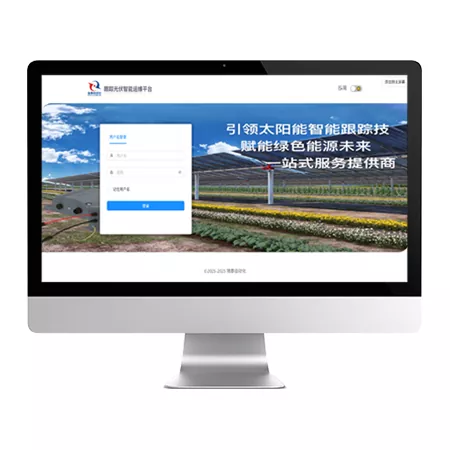
Digital monitoring can help operators identify abnormal positions, drive problems, or communication failures.
6. How Does Intelligent Control Improve Tracker Performance?
Intelligent control is one of the most important differences between a basic motorized tracker and a sophisticated tracking platform. Simply moving the modules at regular intervals does not guarantee optimal performance.
A modern control system can combine solar-position calculations, position feedback, weather information, predefined operating limits, and performance data. This allows the tracker to make decisions rather than merely execute a fixed movement schedule.
One important example is backtracking. When adjacent rows of photovoltaic modules are closely spaced, conventional tracking angles can create inter-row shading during certain periods. A backtracking strategy changes the tracker angle to reduce shading rather than pursuing the theoretical sun-facing position at every moment.
Another important function is weather-based stow control. During high-wind conditions, the tracker can move to a predetermined protective angle. This reduces unnecessary structural exposure and helps protect modules and mechanical components.
- Position optimization: Calculates or measures the appropriate module orientation.
- Backtracking: Reduces row-to-row shading under appropriate conditions.
- Weather response: Changes position when environmental conditions become unfavorable.
- Fault detection: Identifies abnormal motor movement or position feedback.
- Remote monitoring: Provides operators with system status and operating data.
- Predictive maintenance: Historical operating information can help identify developing mechanical issues.
Recent research has also explored advanced algorithms and predictive maintenance approaches to improve tracking accuracy while reducing unnecessary movement and mechanical wear.
7. What Should Buyers Evaluate Before Installation?
Selecting an Intelligent PV Tracker should not be based only on the advertised energy gain. The complete project environment determines whether tracking technology can provide an attractive long-term return.
Buyer Checklist
- Project Location: Latitude, solar path, seasonal variation, and climate influence tracker performance.
- Wind Conditions: Maximum wind speed and local weather patterns affect structural design and stow requirements.
- Terrain: Slopes, uneven ground, soil conditions, and site accessibility can influence installation.
- Module Configuration: Module dimensions, weight, electrical characteristics, and row arrangement must match the tracker structure.
- Land Availability: Tracker layout and row spacing affect land utilization and shading behavior.
- Drive Reliability: Motors, gearboxes, actuators, bearings, and transmission components require careful evaluation.
- Control Architecture: The controller should support accurate positioning, safety logic, and practical field operation.
- Maintenance: Consider inspection frequency, replacement parts, access requirements, and service capability.
- Communication: Remote monitoring is particularly valuable for large distributed installations.
- Total Project Economics: Compare additional energy revenue against equipment, installation, maintenance, and operating costs.
8. Where Are Intelligent PV Trackers Used?
Intelligent tracking is particularly attractive where additional energy production can justify the mechanical and control complexity of the system. The most common opportunities are ground-mounted photovoltaic installations with sufficient space for tracker movement.
| Application | Potential Value |
|---|---|
| Utility-Scale Solar Plants | Higher energy yield and centralized monitoring |
| Industrial Solar Projects | Improved generation for large energy consumers |
| Commercial Ground-Mounted PV | Better utilization of suitable open areas |
| Agrivoltaic Projects | Flexible module orientation where project design permits |
| Specialized Solar Applications | Precise solar positioning for applications with specific output requirements |
9. How Can Reliability and Maintenance Be Improved?
Because an Intelligent PV Tracker contains moving components, maintenance deserves more attention than it does in a basic fixed mounting structure. Long-term reliability depends on mechanical design, environmental protection, control quality, installation accuracy, and preventive maintenance.
Operators should establish regular inspection procedures for drive units, fasteners, bearings, structural connections, electrical wiring, communication equipment, and position sensors. Abnormal vibration, unusual noise, irregular movement, excessive current consumption, or position deviation can indicate a developing problem.
Maintenance Priorities
- Inspect mechanical connections and structural components.
- Check actuator and gearbox operation.
- Verify position feedback and sensor signals.
- Review controller alarms and historical data.
- Inspect cables and electrical connectors.
- Check corrosion protection in humid or coastal environments.
- Verify emergency and weather-protection functions.
- Maintain an inventory of critical replacement components.
Intelligent monitoring can make this process more efficient because maintenance teams can prioritize abnormal units rather than relying exclusively on manual inspection. This is particularly valuable for large solar farms where thousands of tracker mechanisms may be distributed across a wide area.
10. Intelligent Tracker vs. Fixed PV Structure
The choice between a fixed structure and an Intelligent PV Tracker should be based on project objectives rather than the assumption that more technology is always better.
| Criterion | Fixed Structure | Intelligent PV Tracker |
|---|---|---|
| Movement | None | Dynamic |
| Mechanical Complexity | Low | Moderate to high |
| Energy Optimization | Limited by fixed orientation | Dynamic orientation |
| Maintenance | Generally simpler | Requires moving-component maintenance |
| Monitoring Potential | Basic | Advanced |
Tracking can be particularly attractive when the site has strong direct solar resources and sufficient land, while fixed structures may remain preferable where simplicity, low maintenance, terrain constraints, or project economics are the dominant priorities.
11. What Is the Future of Intelligent PV Tracking?
The development of photovoltaic tracking is moving toward more integrated and data-driven systems. Future trackers are likely to place greater emphasis on coordinated mechanical control, environmental sensing, remote diagnostics, and intelligent operating strategies.
Artificial intelligence and machine-learning methods are being investigated for applications such as performance prediction, fault identification, adaptive control, and predictive maintenance. At the same time, practical engineering remains essential. A sophisticated algorithm cannot compensate for inadequate structural strength, unreliable drive components, poor installation, or insufficient environmental protection.
Another important direction is reducing unnecessary movement. Recent research has highlighted the trade-off between energy gain and mechanical wear, particularly under cloudy conditions when diffuse solar radiation becomes more important. Intelligent control can therefore focus not only on maximizing instantaneous solar exposure but also on avoiding movements that provide little additional energy value.
The next generation of trackers will be judged by more than tracking accuracy.
Energy yield, mechanical durability, weather response, operational intelligence, maintenance requirements, system availability, and total lifetime value will all influence project performance.
12. Frequently Asked Questions
FAQ Question
Q1: What is an Intelligent PV Tracker?
An Intelligent PV Tracker is a motorized photovoltaic mounting system that dynamically changes the orientation of PV modules using positioning calculations, sensors, controllers, actuators, and monitoring technologies.
Q2: Does an Intelligent PV Tracker always produce more energy than a fixed system?
Not necessarily in every project. Tracking can increase energy yield, but the actual benefit depends on location, solar resource, system configuration, weather, shading, tracker quality, and operating strategy.
Q3: Is a single-axis tracker suitable for large solar farms?
Yes. Single-axis tracking is widely studied and commonly applied to large ground-mounted photovoltaic systems. It offers dynamic movement with less mechanical complexity than a dual-axis architecture.
Q4: Why is backtracking important?
Backtracking helps reduce shading between adjacent PV rows. Instead of always following the theoretical sun-facing angle, the system can temporarily adjust its orientation to reduce inter-row shading.
Q5: Can an Intelligent PV Tracker operate during strong wind?
Properly engineered systems can include weather-response and stow strategies. The specific operating limits depend on the structural design, wind rating, installation conditions, and manufacturer's specifications.
Q6: Does an Intelligent PV Tracker require more maintenance than a fixed structure?
Generally, yes. Because trackers contain motors, gears, bearings, actuators, sensors, and other moving or electronic components, they require additional inspection and maintenance compared with a stationary structure.
Q7: What should a buyer ask a tracker manufacturer?
Buyers should ask about tracker architecture, compatible module configurations, wind and environmental ratings, drive technology, control methods, installation requirements, monitoring functions, maintenance intervals, spare parts, warranty terms, and technical support.
Q8: Can intelligent tracking be integrated with remote monitoring?
Yes. Modern tracking platforms can incorporate communication and monitoring functions that allow operators to observe tracker position, alarms, operating conditions, and system performance remotely.
Q9: What makes an Intelligent PV Tracker reliable?
Reliability depends on the complete system, including structural engineering, drive components, control logic, sensors, weather protection, installation quality, maintenance procedures, and long-term technical support.
13. Final Considerations for Project Developers
An Intelligent PV Tracker can transform a conventional photovoltaic mounting structure into a dynamic energy-optimization platform. By continuously adjusting module orientation and responding to environmental and operating conditions, tracking technology can help photovoltaic projects capture more useful solar energy when the application is properly engineered.
However, successful deployment requires more than purchasing a tracker with advanced specifications. Project developers should evaluate the complete system, including site conditions, mechanical design, control architecture, module compatibility, wind behavior, land requirements, maintenance, monitoring, and long-term operating economics.
Suzhou Ruitai Automation Technology Co., Ltd. can serve as a technical partner for customers exploring intelligent automation and photovoltaic tracking solutions. A project-specific approach helps ensure that the selected tracking architecture matches actual environmental conditions, system requirements, and operational objectives.
Build a Smarter Solar Tracking Solution
Looking to improve photovoltaic system performance with intelligent tracking technology? Discuss your project requirements, site conditions, module configuration, and automation needs with the technical team at Suzhou Ruitai Automation Technology Co., Ltd.
Contact us to explore an Intelligent PV Tracker solution designed around your project.
Related News
- How Can a Dual-Axis Solar Tracking System Improve PV Efficiency?
- What Is a Solar Control Communication Cabinet for Smarter PV Tracking?
- How Does a Multi-Row Multi-Drive Solar Tracker Improve Large-Scale Solar Performance?
- How Does a Single-Axis PV Tracker Improve Solar Energy Performance?
- How Does a PV Module Tracking Controller Improve Solar Tracking Performance?
- How Does a Multi-Row PV Tracker Improve Solar Energy Generation Efficiency?
Leave me a message