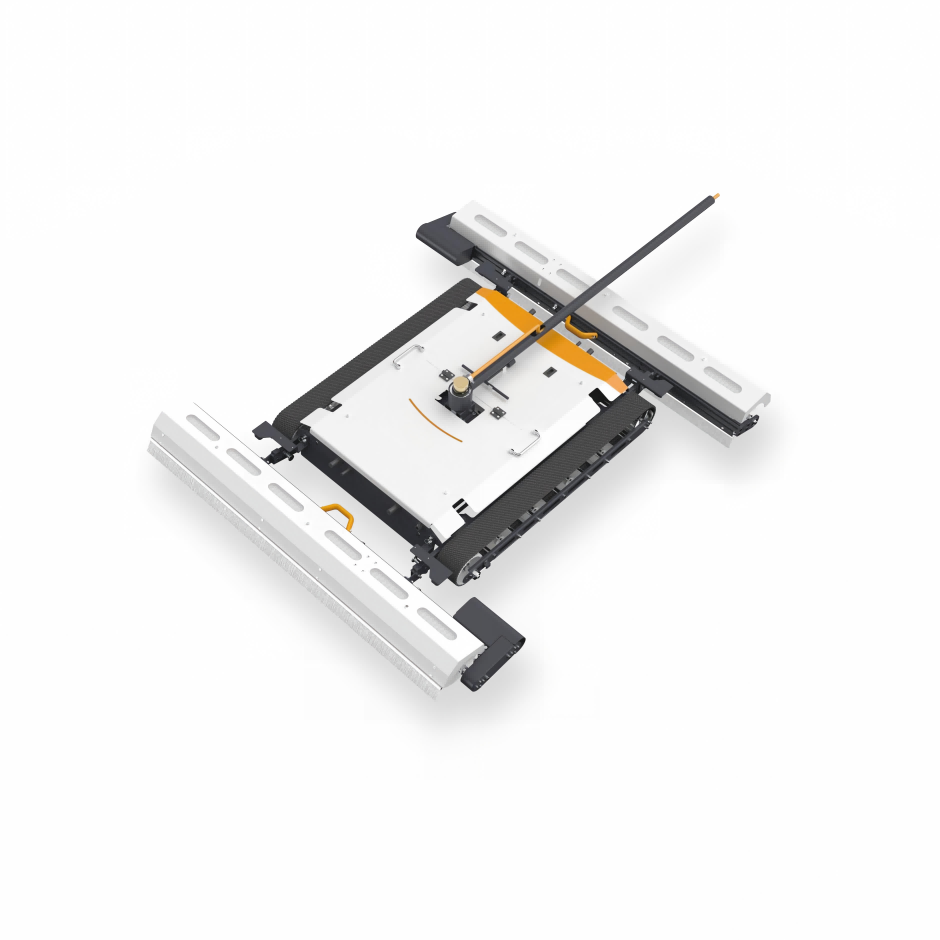
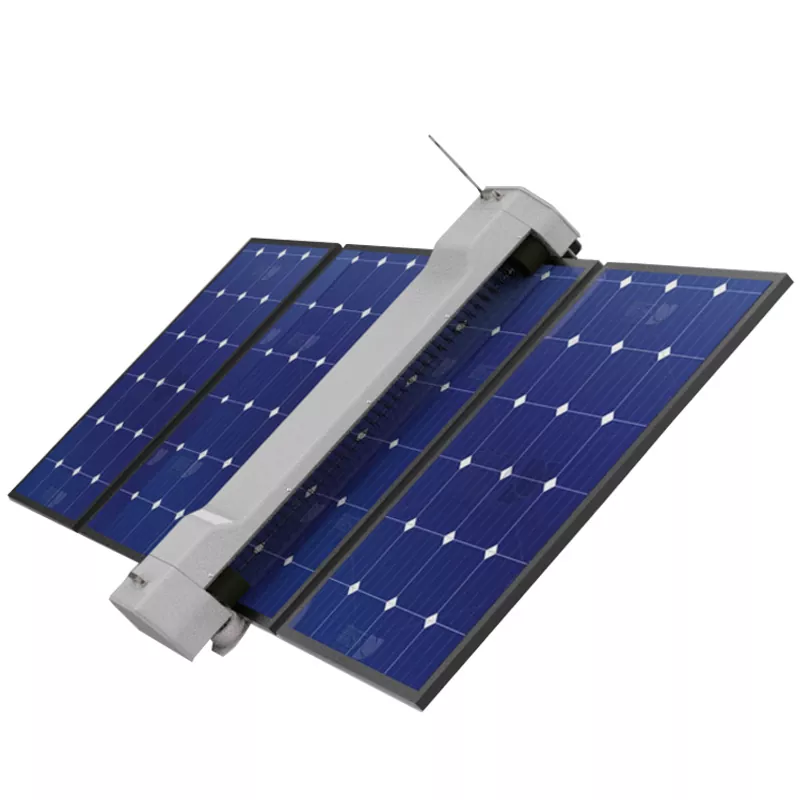
Photovoltaic Module Cleaning Robot
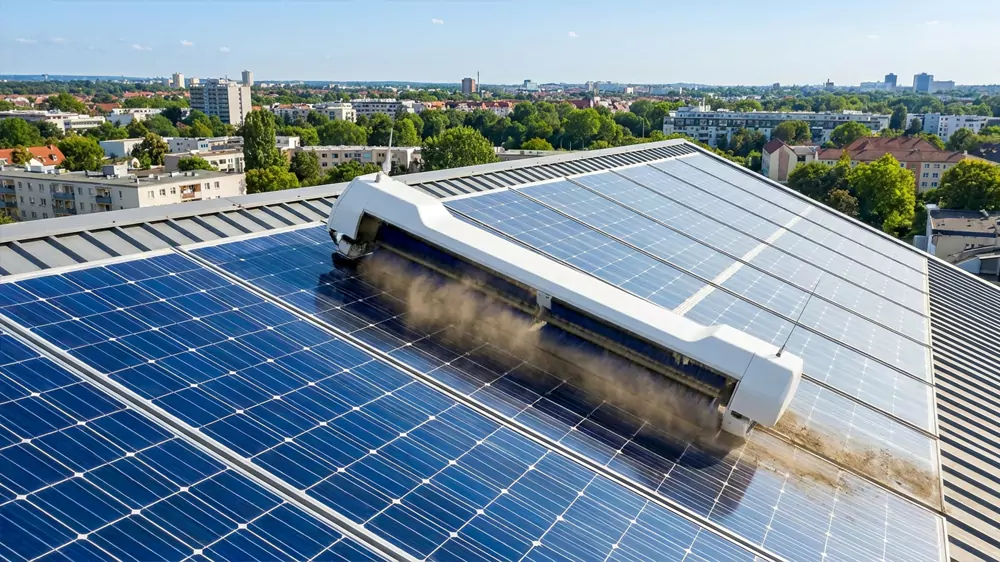
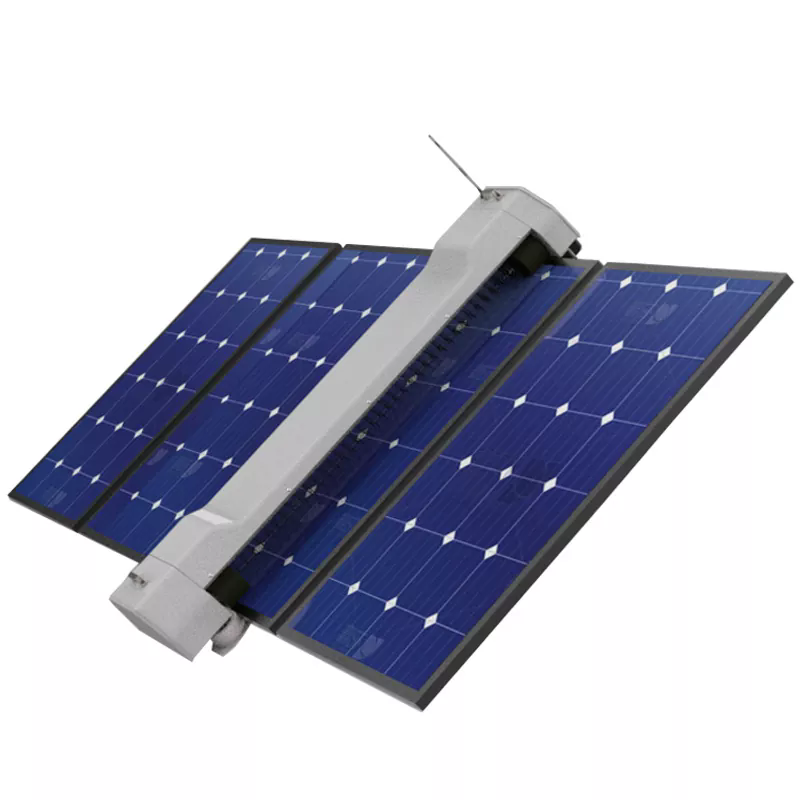
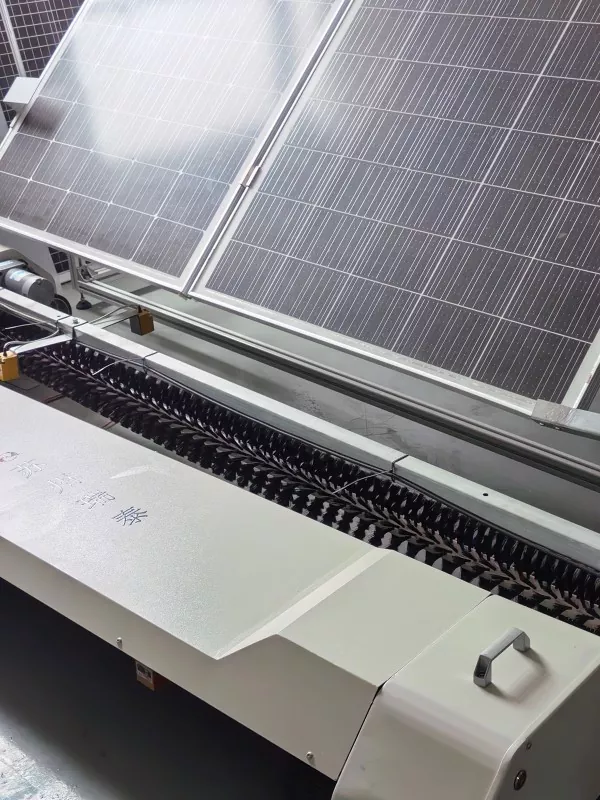
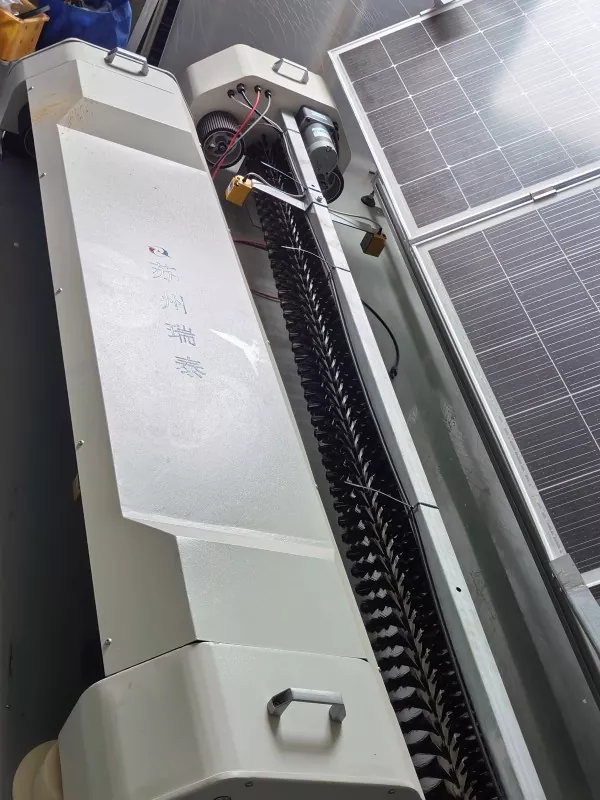
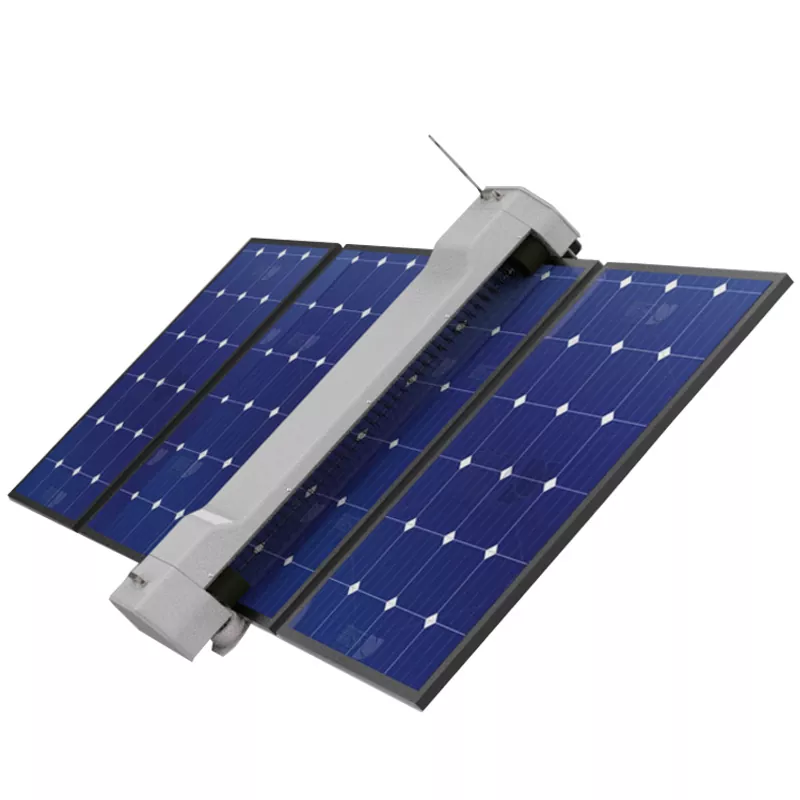
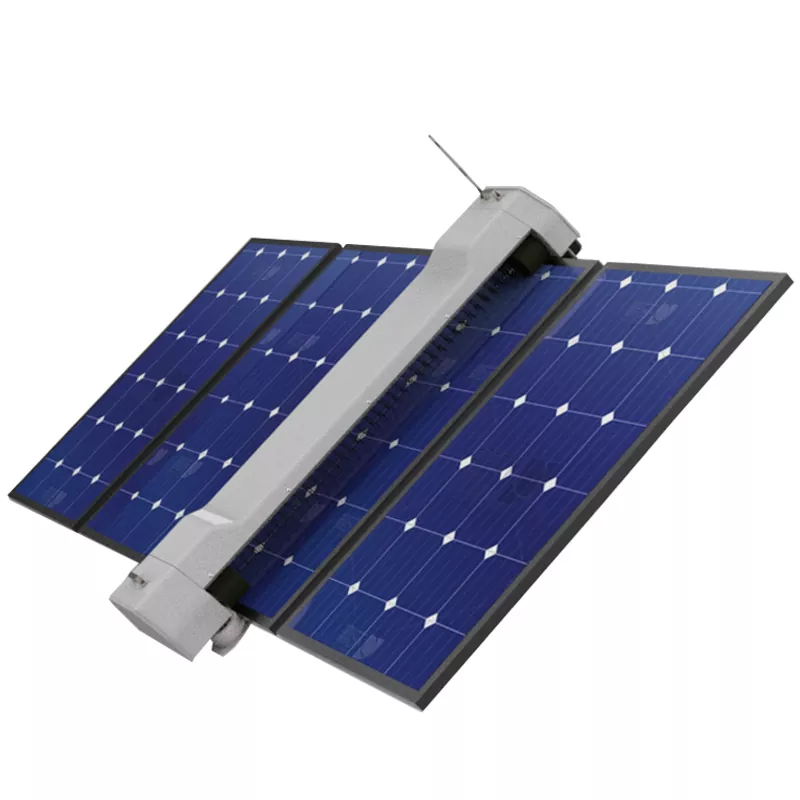
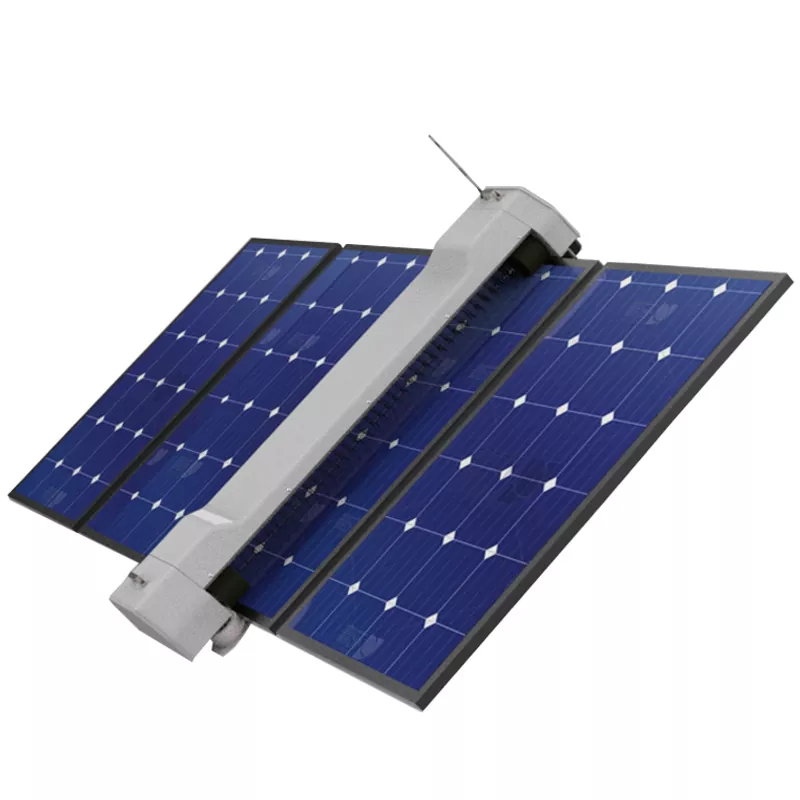
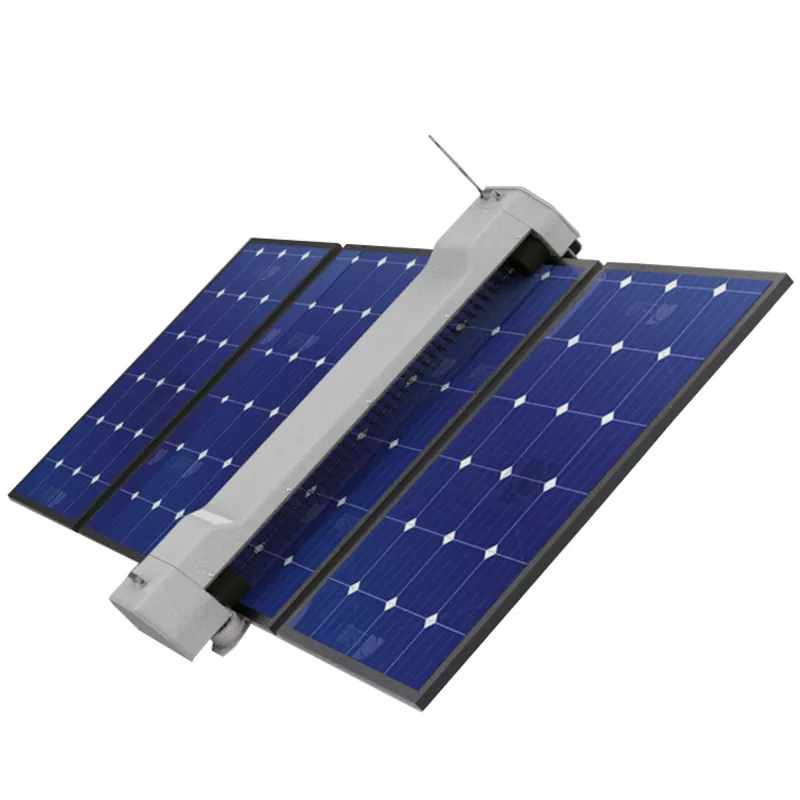
Dust accumulation on photovoltaic modules can significantly reduce power generation efficiency. To address this challenge, Ruitai, a professional manufacturer, has developed a photovoltaic module cleaning robot. It can automatically clean the surface of photovoltaic modules at scheduled intervals, effectively removing dust, bird droppings, and other contaminants that can reduce system performance.
Ruitai's Photovoltaic Module Cleaning Robot adopts waterless dry-cleaning or low-water cleaning technology, making it environmentally friendly and well suited for water-scarce regions. It is equipped with an intelligent path-planning system, the robot can automatically detect module edges and obstacles to prevent collisions, while its lightweight design ensures safe operation without damaging the glass surface of photovoltaic modules.
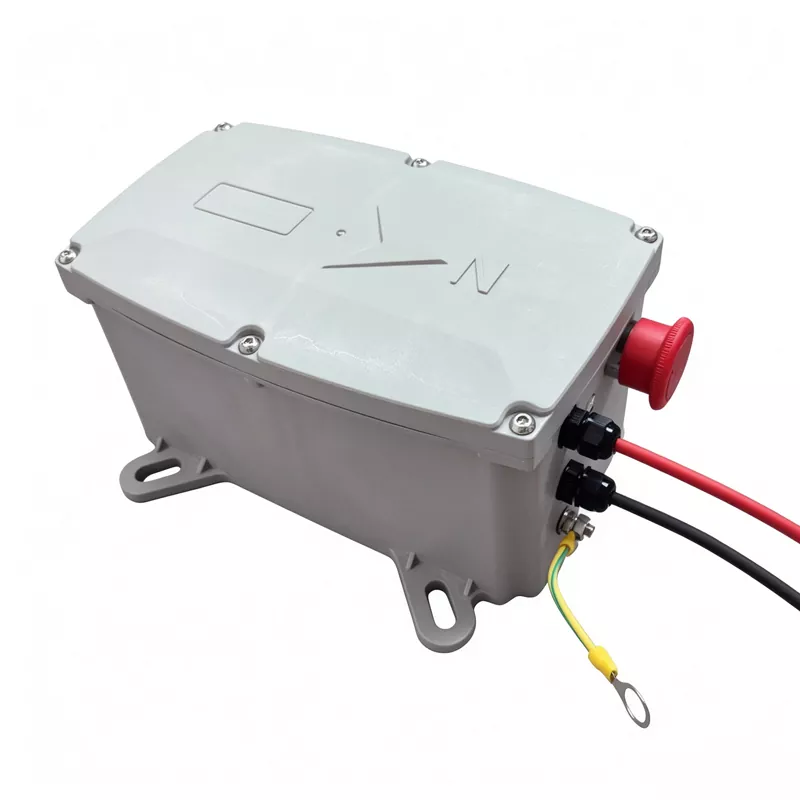
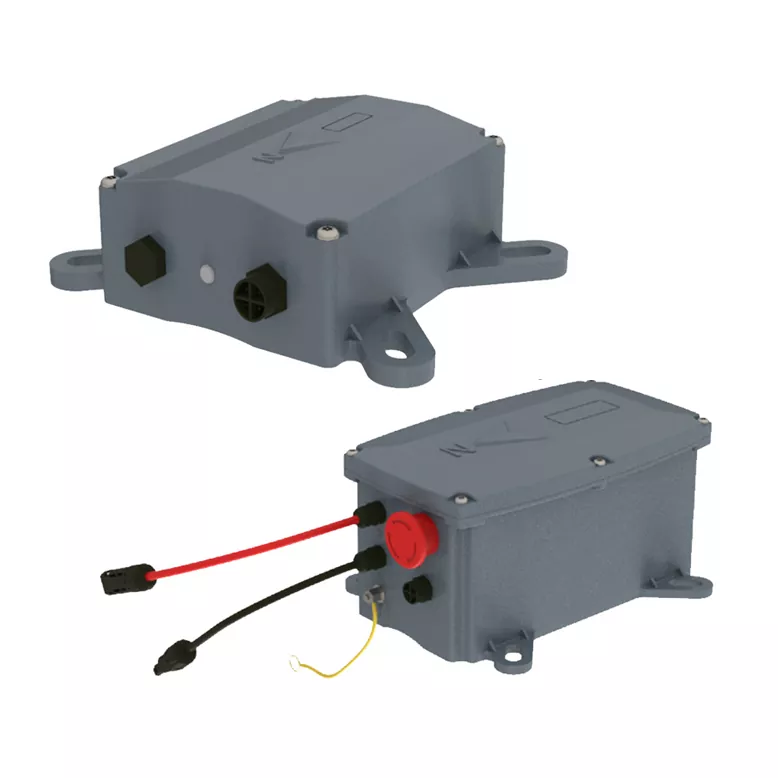
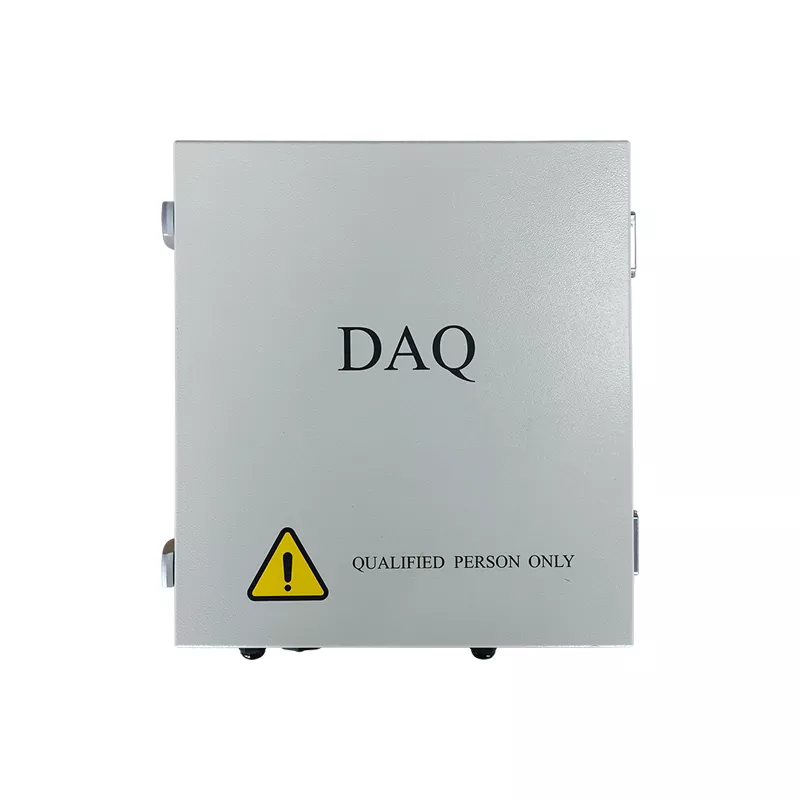
Integrated with the TCU and SCADA platform, the cleaning robot can automatically start and stop based on dust accumulation levels or rainfall conditions, enabling truly unmanned operation and maintenance while significantly reducing manual cleaning costs and safety risks.
What Are the Functions of a Photovoltaic Module Cleaning Robot?
1. Automatic movement: The robot can move autonomously across the surface of photovoltaic modules or along rails, covering the entire cleaning area.
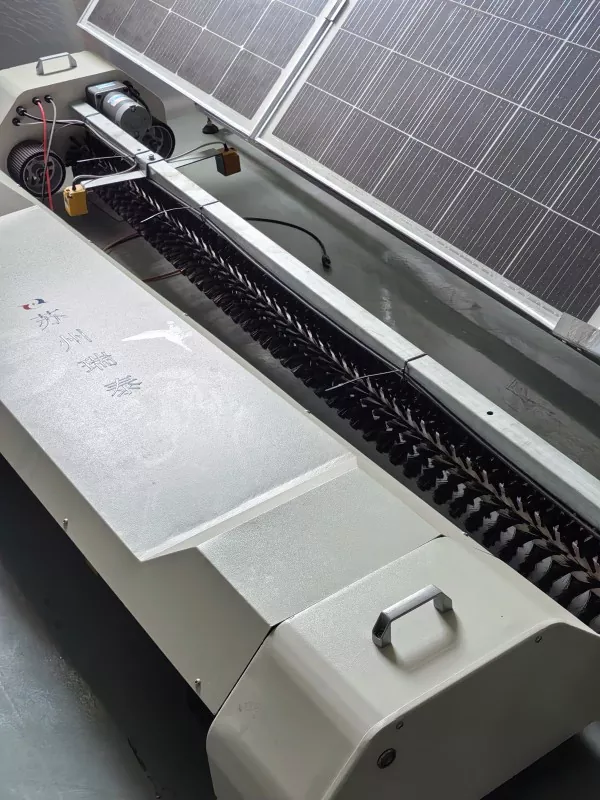
2. Automatic cleaning: The robot removes contaminants from the module surface using methods such as rotating brushes, roller brushes, or spraying.
3. Intelligent obstacle avoidance: It can detect and navigate around obstacles such as junction boxes, mounting brackets, and bolts.
4. Edge protection: Upon detecting the edge of a module, the device automatically stops or changes direction to prevent falling.
5. Remote monitoring: It supports remote status monitoring and task scheduling via an IoT platform.
What Are the Advantages of Our Product?
System Integration: Fully integrated with the Ruitai automation control system, enabling centralized management, coordinated operation, and intelligent scheduling.
Strong Adaptability: Designed to operate reliably in a wide range of terrain and weather conditions, ensuring stable performance in challenging environments.
Cost Reduction and Efficiency Improvement: Field-tested results have shown that regular intelligent cleaning can recover 5%–15% of power generation losses caused by dust accumulation.
Cleaning Efficiency: ≥95% dust removal rate
Travel Speed: Adjustable, typically 10–20 m/min
Battery Life: Long-life lithium battery with optional solar self-charging capability
Control Methods: Remote control, scheduled cleaning, or automatic operation triggered through system integration
Product Parameter
|
Product Model |
RT-PVCR-01 |
Operating Temperature Range |
-30℃~60℃ |
|
Operating Voltage |
DC 24V |
Equipment Weight |
Approximately 50KG |
|
Control Method |
Manual / Automatic / Remote Control |
Operating Noise |
<30dB |
|
Installation and Movement |
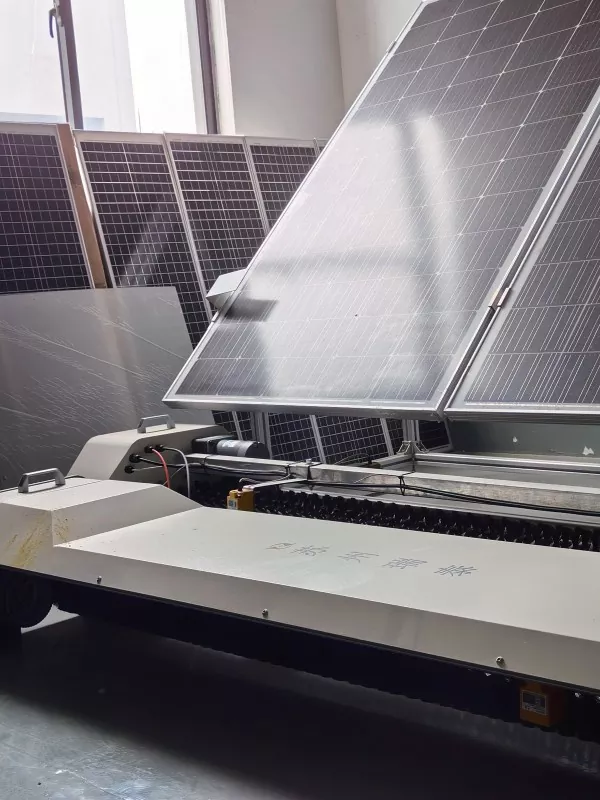
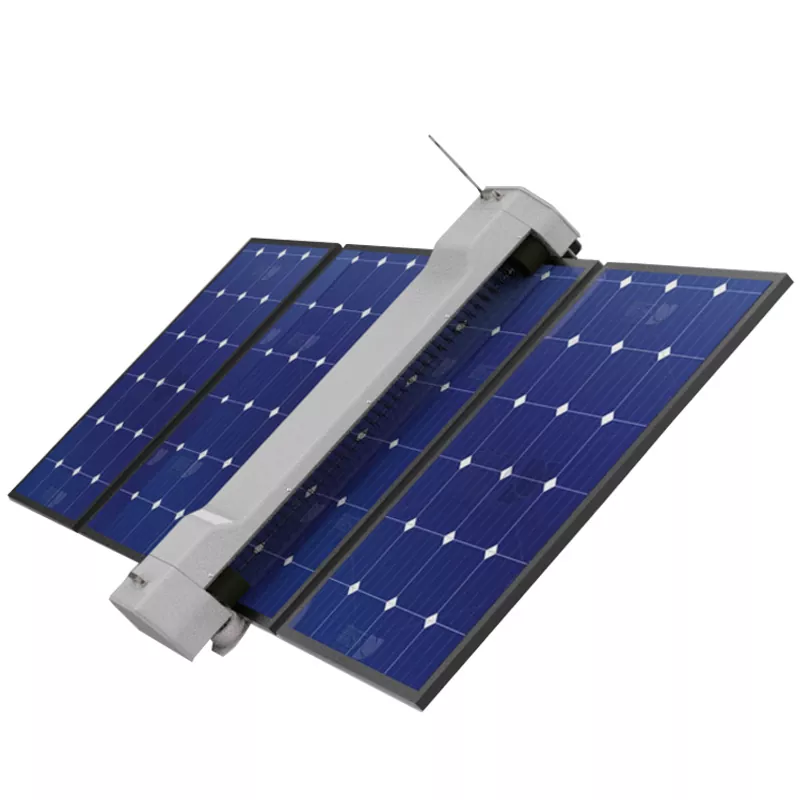
Span over the top of PV modules |
Operating Speed |
12-20m/min |
|
Dimensions |
(500 + W)mm × 580mm × 300mm (Adjustable) |
Control Method |
No by-products, no toxic or harmful substances generated |
|
Protection Rating |
IP65 |
||
FAQ
Q: What are the key advantages of this robot compared to traditional cleaning equipment?
A: Our Photovoltaic Module Cleaning Robot offers several key advantages, including lightweight design, smooth movement, no pressure on photovoltaic modules, low failure rates, and extremely low operation and maintenance costs.
It eliminates common challenges such as bulky designs, manual operation requirements, higher battery-related maintenance issues, and elevated operating costs, providing a more efficient and cost-effective cleaning solution for solar power plants.
Q: How much can a single cleaning improve solar panel performance?
A: Under normal operating conditions with typical dust accumulation, a single cleaning can increase power generation efficiency by 15%–30%. In environments with heavy dust, sand, airborne particles, or bird droppings, performance improvements can exceed 30%. The actual gain depends on the level of soiling and site conditions.
Q: Will the cleaning process damage or scratch the solar panels?
A: No. Our robot uses flexible, wear-resistant cleaning brushes specifically designed for photovoltaic applications. The brush material provides an optimal balance of softness and durability, ensuring that no hard metal components come into contact with the module surface.
The brush bristles have excellent elasticity and conform closely to the panel surface without causing hard friction. The system has undergone tens of thousands of factory tests and will not scratch tempered glass photovoltaic panels.
Q: What power source does the robot use? Does it draw power from the PV modules or the inverter?
A: The robot is designed to support both AC and DC power supplies, providing flexibility for different project requirements.
When operating on DC power, it is typically powered directly from the photovoltaic modules, offering a simple, efficient, and safe power supply solution.
Q: Can the robot operate in rainy or windy conditions?
A: Our robot is installed close to the photovoltaic modules, with a clearance of only 10 cm from the module surface.
Therefore, regardless of wind or rain, as long as the modules are able to generate power normally, the robot can continue to operate normally.
Send Inquiry
Contact Info
-
Address
Building 10, Jiangsu Hainde High tech Industrial Park, No. 70 Yaofeng West Road, Mudu Town, Wuzhong District, Suzhou City, Jiangsu Province, China
-
Tel
-
Email
Send Us Your Project Details
Get a Tailored Quote Within 24 Hours
- ● Factory-Direct Pricing: No middlemen—you get competitive costs straight from our Suzhou plant.
- ● Fast Response: Our technical team replies within 24 hours with initial recommendations.
- ● Custom Solutions: We tailor TCU strategies, communication setups, and SCADA dashboards to your needs.
- ● Global Support: From commissioning to after-sales, our engineers are ready to assist worldwide.
News Recommendations