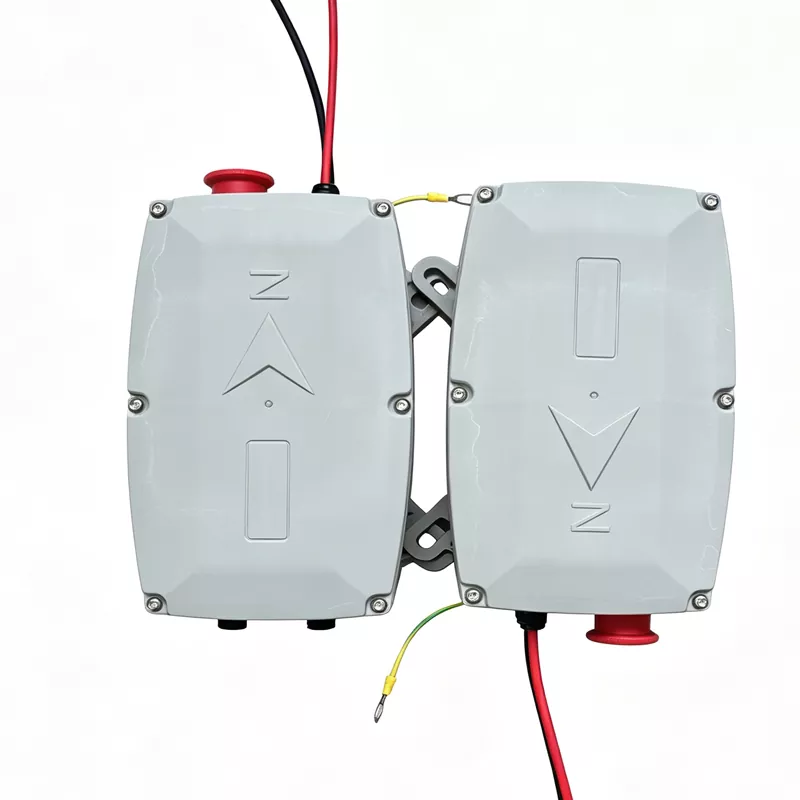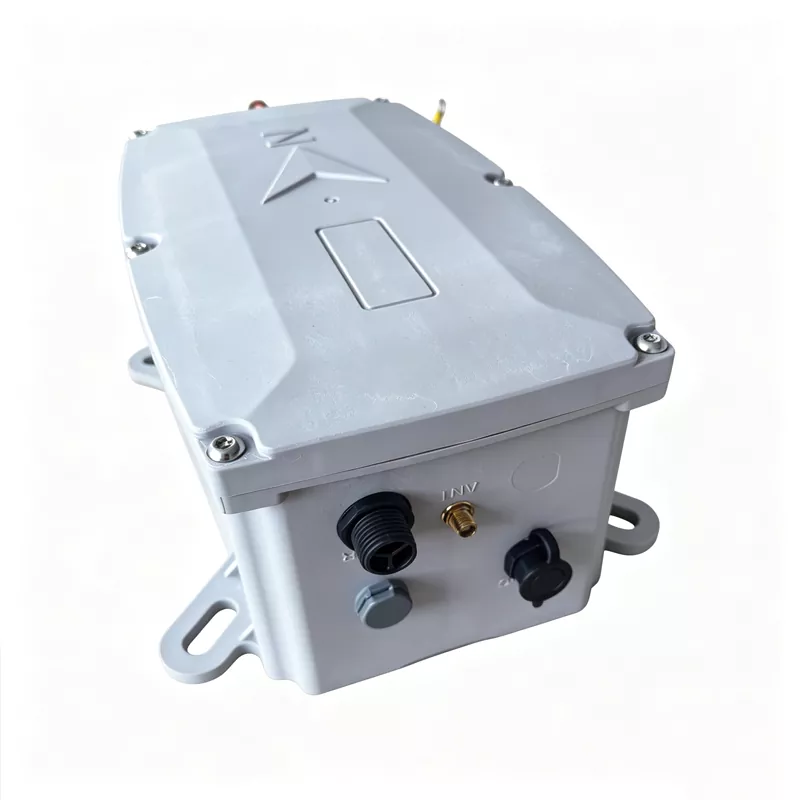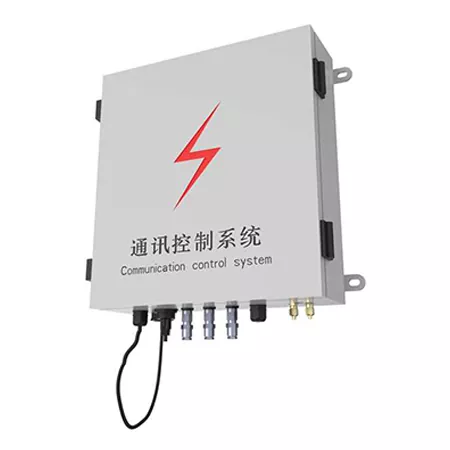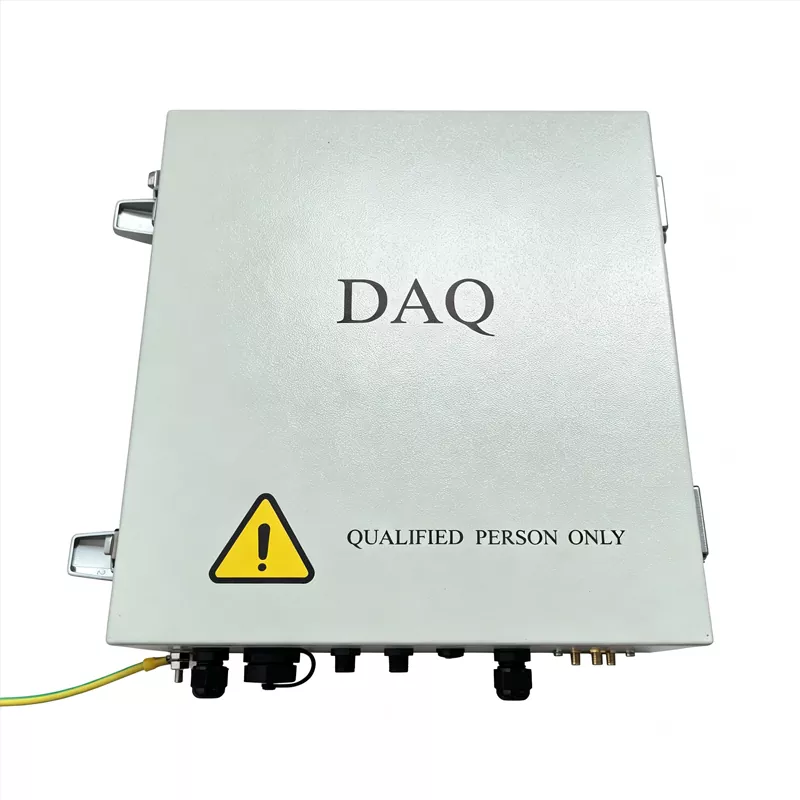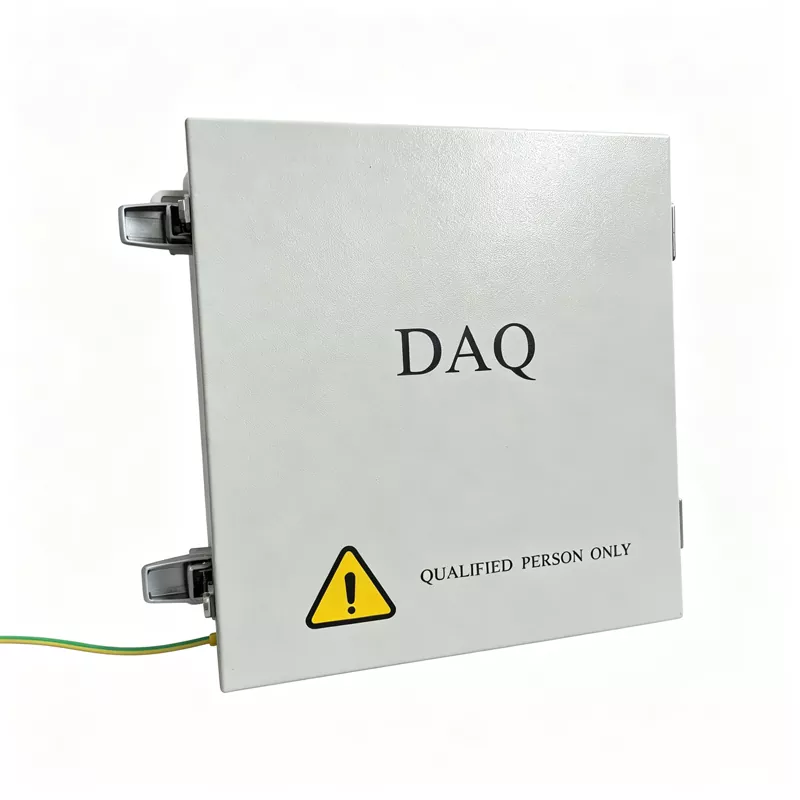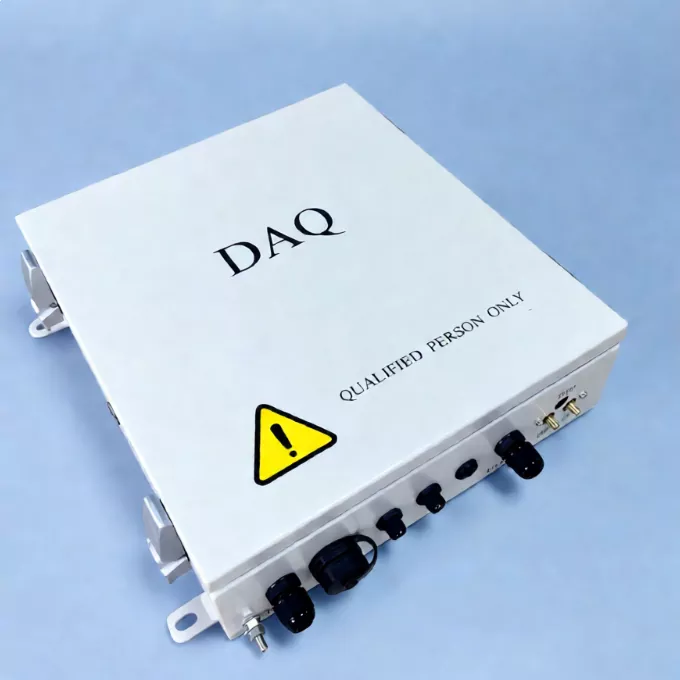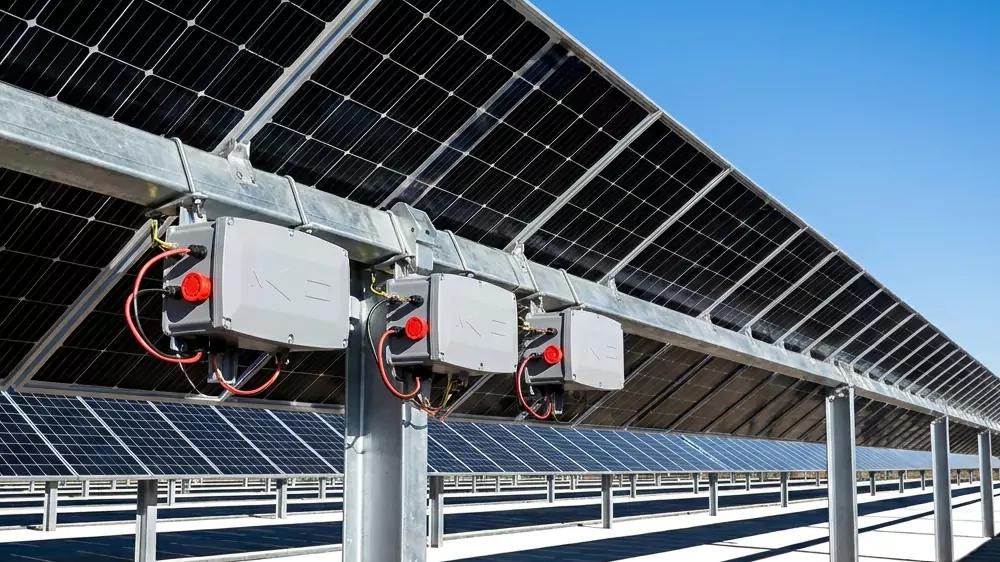

A PV module tracking controller is the control center of a solar tracking system. It coordinates sensor signals, astronomical positioning data, motor operation, safety protection, and communication functions so that photovoltaic modules can maintain a more favorable orientation toward the sun. This article explains how tracking controllers work, what problems they solve, which technical factors matter during system design, and how proper controller selection can improve energy yield, operational reliability, and maintenance efficiency.
- What Is a PV Module Tracking Controller?
- Why Is a Tracking Controller Important?
- How Does the Controller Operate?
- Key Functions of a Modern Tracking Controller
- How Does It Work With Other Tracking Components?
- How Can It Improve Solar Tracking Performance?
- What Should Be Considered Before Installation?
- Common Problems and Practical Solutions
- Maintenance Practices for Long-Term Reliability
- Where Are PV Module Tracking Controllers Used?
- Frequently Asked Questions
- Final Thoughts
What Is a PV Module Tracking Controller?
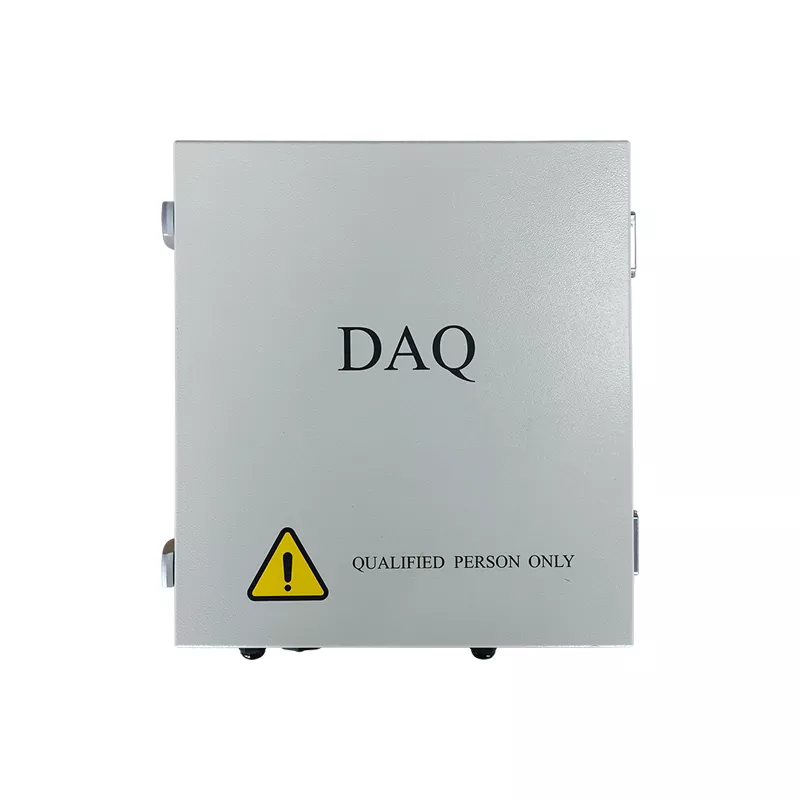
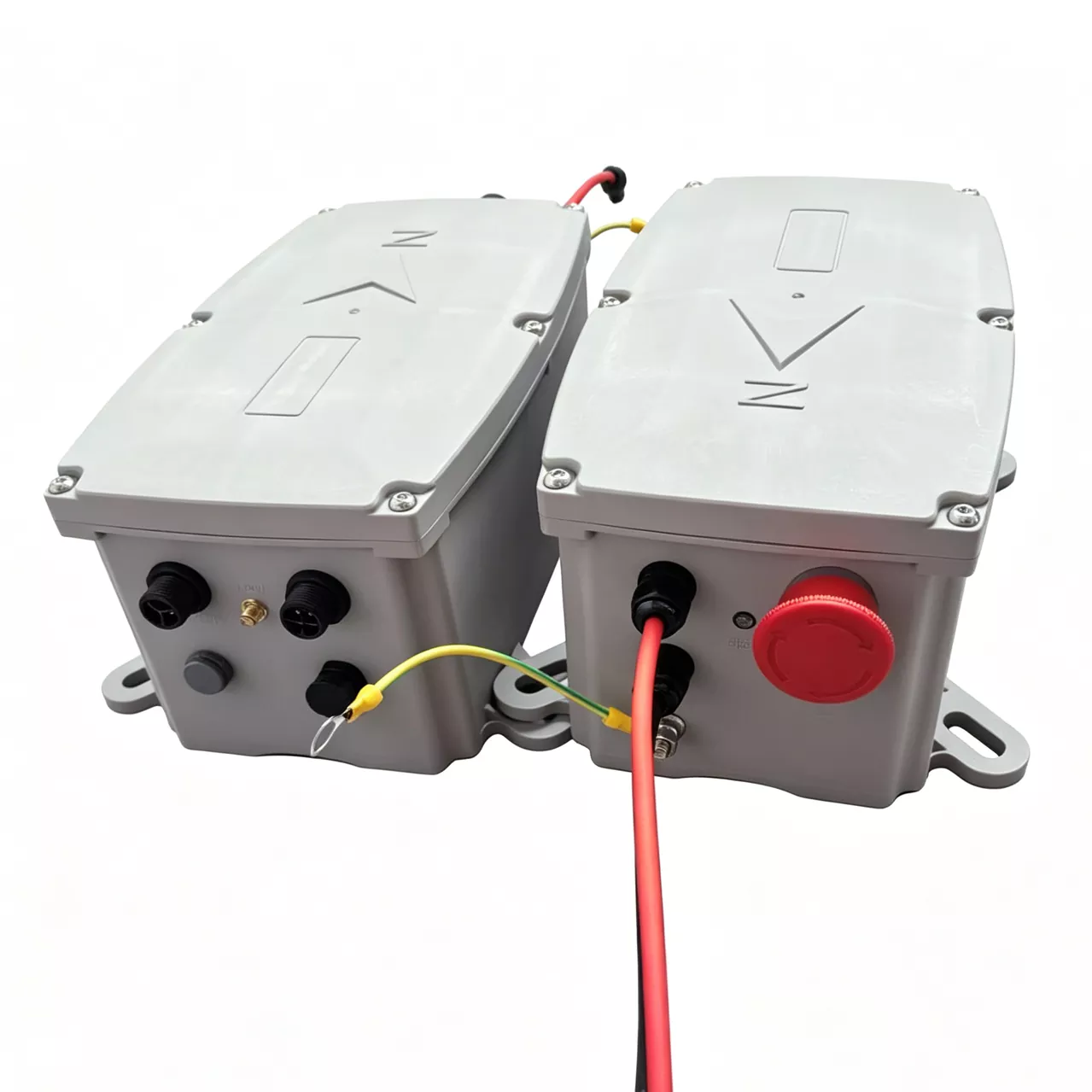
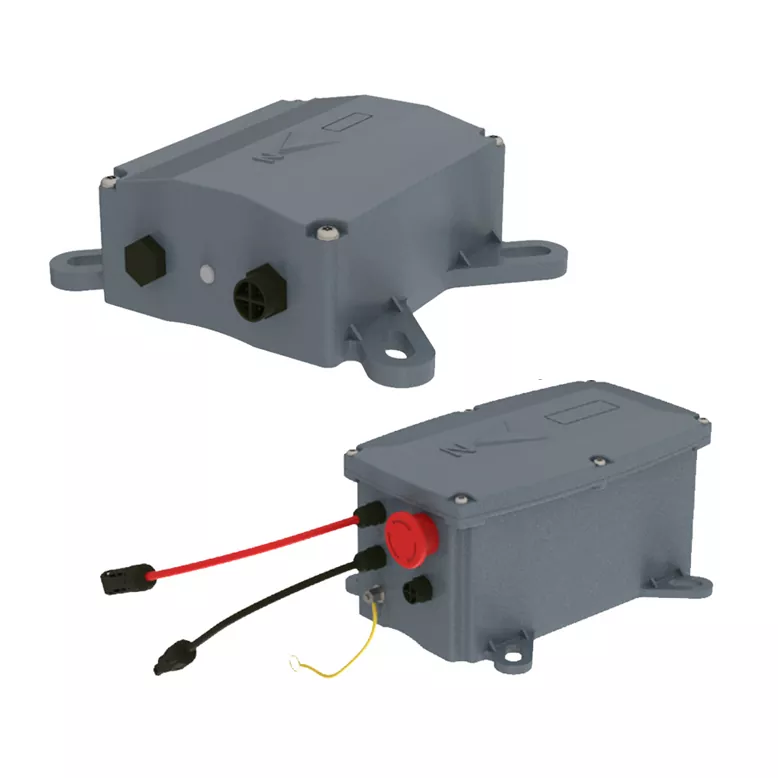
A PV module tracking controller is an electronic control device used to manage the movement of solar panels installed on a tracking structure. Unlike a fixed photovoltaic installation, a tracking system changes the orientation of its modules during the day. The controller determines when and how the tracker should move, allowing the PV array to maintain an appropriate position relative to the sun.
The controller typically communicates with drive motors, position sensors, limit switches, environmental sensors, and higher-level monitoring systems. Depending on the system architecture, it may calculate the sun's position through an astronomical algorithm, receive information from sensors, or combine several positioning methods.
In practical terms, the controller acts as the "decision-making center" of the tracker. The mechanical structure provides movement, the motor supplies driving force, and the controller determines the required movement while monitoring whether the system is operating safely.
Why Is a Tracking Controller Important?
The performance of a solar tracker depends on much more than the mechanical design of the mounting structure. Even a strong structure can deliver poor results if the control logic is inaccurate, the motor starts too frequently, or the system cannot respond correctly to abnormal conditions.
A tracking controller addresses these operational challenges by coordinating the entire movement process. Its primary objective is to keep the modules within the desired tracking range without creating unnecessary mechanical movement.
- Improved solar alignment: Accurate positioning can help photovoltaic modules receive sunlight more effectively throughout the day.
- Reduced unnecessary movement: Intelligent control avoids excessive motor operation and associated energy consumption.
- Better equipment protection: The controller can initiate protective positions during strong wind or other predefined conditions.
- Fault detection: Abnormal motor current, position errors, communication failures, or sensor problems can be identified.
- Centralized management: Multiple tracker units can be monitored and controlled through a suitable communication network.
How Does the Controller Operate?
The operating process can be understood as a continuous cycle of measurement, calculation, movement, verification, and adjustment. The exact architecture varies by tracker design, but the basic control sequence is similar.
The controller calculates or receives the desired solar position based on time, geographical coordinates, system configuration, and available tracking information.
Position feedback from encoders, limit switches, inclinometers, or other devices helps the controller determine where the tracker is currently located.
The controller identifies the difference between the desired orientation and the current orientation.
If movement is required, the controller sends commands to the motor or actuator according to predefined operating parameters.
The controller checks feedback and can stop movement if the expected position is not reached or if a safety condition is detected.
This closed-loop approach is especially valuable for utility-scale installations because it allows the system to respond to real operating conditions rather than relying solely on a predetermined mechanical schedule.
Key Functions of a Modern Tracking Controller
Different projects require different levels of control sophistication. However, several functions are particularly important when evaluating a PV module tracking controller.
| Controller Function | Purpose | Practical Benefit |
|---|---|---|
| Solar position calculation | Determines the desired module orientation | Supports consistent solar tracking |
| Motor control | Controls actuator start, stop, direction, and movement | Provides smooth and controlled operation |
| Position feedback | Compares actual and target positions | Improves tracking accuracy |
| Wind protection | Moves the tracker to a predefined safe position | Helps reduce structural and mechanical risk |
| Limit protection | Prevents movement beyond permitted angles | Protects the drive and structure |
| Fault monitoring | Identifies abnormal operating conditions | Supports faster troubleshooting |
| Communication | Transfers operating data and commands | Enables centralized monitoring |
| Data logging | Records movement and fault information | Supports maintenance and performance analysis |
For large projects, communication capability can be particularly important. A controller that supports appropriate industrial communication protocols can make it easier to integrate trackers with supervisory control systems and plant monitoring platforms.
How Does It Work With Other Tracking Components?
A PV tracking controller should never be evaluated as an isolated electronic component. Its performance depends on how effectively it interacts with the rest of the tracking system.
| Component | Role in the System | Controller Interaction |
|---|---|---|
| PV modules | Convert sunlight into electricity | Receive the benefit of improved orientation |
| Tracking structure | Supports and rotates the modules | Receives movement commands |
| Motor/actuator | Produces mechanical movement | Operates according to controller signals |
| Position sensor | Provides actual position feedback | Helps verify tracker orientation |
| Wind sensor | Detects environmental conditions | Can trigger protective movement |
| Power supply | Provides energy to control electronics and drives | Must meet controller operating requirements |
| Monitoring platform | Displays operational information | Receives status, alarms, and performance data |
Compatibility is therefore critical. A controller with advanced functions may still create problems if the motor, feedback sensor, communication network, or power supply does not match its electrical and communication requirements.
How Can It Improve Solar Tracking Performance?
The main purpose of a tracker is to maintain a favorable angle between the PV surface and incoming sunlight. The controller contributes to this objective through accurate positioning and intelligent operating decisions.
However, higher tracking accuracy does not automatically mean better overall system performance. Excessive movement can increase actuator wear and auxiliary power consumption, while overly conservative control may cause the modules to remain away from the ideal position for too long.
A well-designed controller seeks an appropriate balance between positioning accuracy, movement frequency, mechanical stress, energy consumption, and environmental protection.
- Accurate positioning helps maintain the intended tracking angle.
- Appropriate movement intervals can reduce unnecessary actuator operation.
- Feedback control helps correct position deviations.
- Weather-based strategies can protect the tracker during severe conditions.
- Fault alarms can shorten the time between failure and maintenance.
- Operational records can help engineers identify recurring performance problems.
What Should Be Considered Before Installation?
Choosing a tracking controller based only on price or a basic input/output specification can create long-term problems. Project engineers and buyers should evaluate the controller against the actual operating environment and system architecture.
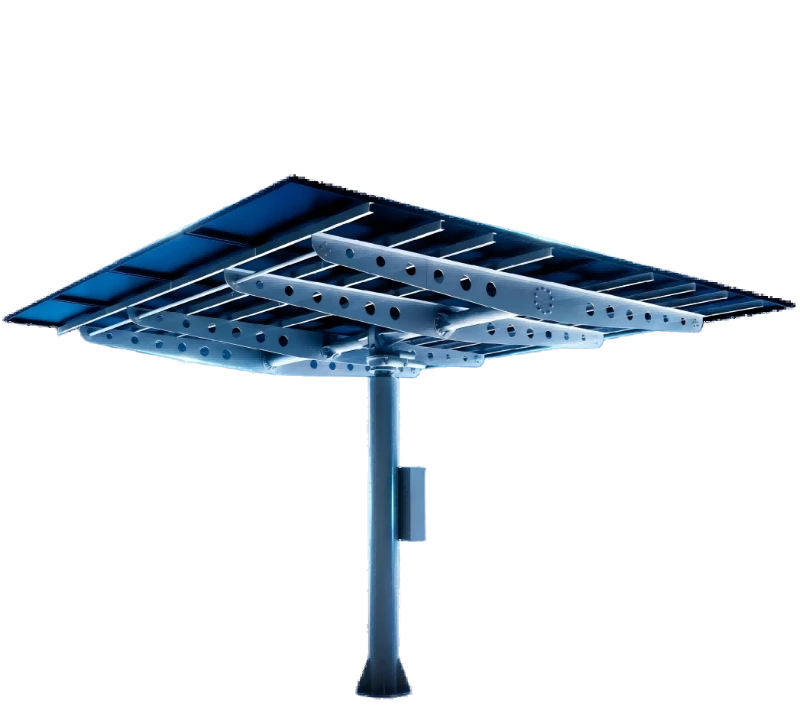
- Tracker type: Determine whether the application uses single-axis, dual-axis, or another tracking configuration.
- Motor requirements: Check voltage, current, starting characteristics, control method, and motor protection requirements.
- Position accuracy: Confirm how the controller obtains and verifies tracker position.
- Environmental conditions: Consider temperature, humidity, dust, rain, solar radiation, and wind exposure.
- Safety strategy: Verify emergency stop functions, limit protection, wind stow logic, and recovery procedures.
- Communication: Check compatibility with the plant's monitoring and control architecture.
- Scalability: Consider whether the controller can support the number of trackers required by the project.
- Maintenance: Evaluate diagnostics, alarm information, data logging, and ease of replacement.
- Customization: Determine whether control parameters can be adapted to project-specific mechanical and environmental conditions.
Buyers should also request clear technical documentation. Wiring diagrams, communication specifications, operating limits, installation instructions, troubleshooting procedures, and parameter-setting information can significantly reduce commissioning difficulties.
Common Problems and Practical Solutions
Tracking failures are often caused by system-level issues rather than a single defective controller. Understanding common symptoms can help operators identify the source more efficiently.
| Observed Problem | Possible Cause | Recommended Check |
|---|---|---|
| Tracker does not move | Power, motor, control signal, or safety interlock issue | Check power supply, alarms, wiring, motor status, and safety conditions |
| Incorrect tracking angle | Position feedback error or incorrect parameters | Verify sensor feedback, calibration, and controller settings |
| Frequent motor operation | Improper control interval or excessive position correction | Review movement thresholds and control parameters |
| Unexpected stop | Limit switch, overload, communication, or protection trigger | Review alarm records and inspect relevant protection devices |
| Communication loss | Cable, network, addressing, or protocol problem | Check physical connections and communication settings |
| Slow movement | Motor, mechanical resistance, power, or drive issue | Inspect actuator load, voltage, mechanical components, and drive parameters |
A structured troubleshooting process is preferable to replacing components immediately. Reviewing alarm codes and historical operating data can often identify whether the problem originates from the controller, actuator, sensor, communication network, or mechanical structure.
Maintenance Practices for Long-Term Reliability
Even a well-designed controller requires appropriate maintenance. Solar tracker installations are exposed to outdoor conditions for years, so preventative inspection is more practical than waiting for complete system failure.
- Inspect controller enclosures for moisture, dust accumulation, corrosion, and physical damage.
- Check power and communication connections for looseness or deterioration.
- Verify position sensors and limit switches at scheduled intervals.
- Review alarm records for repeated or intermittent faults.
- Inspect motor and actuator operation for unusual noise, vibration, or temperature.
- Confirm that emergency and wind-protection functions remain operational.
- Keep controller parameters and software configurations documented.
- Maintain replacement components for critical equipment where practical.
Preventative maintenance is particularly important for large solar farms because a small control problem affecting one tracker can become a larger operational issue when similar equipment is deployed across hundreds or thousands of tracker rows.
Where Are PV Module Tracking Controllers Used?
PV module tracking controllers are suitable for many solar applications where the additional complexity of a tracking system is justified by project requirements and site conditions.
- Utility-scale solar farms: Large photovoltaic plants can use coordinated tracking to manage extensive arrays efficiently.
- Commercial solar installations: Tracking can be considered where site conditions and project economics support movable PV structures.
- Agrivoltaic projects: Adjustable module orientation can be useful where solar generation is combined with agricultural land use.
- Solar research systems: Precise positioning can support testing and evaluation of photovoltaic technologies.
- Specialized off-grid systems: Tracking can be applied where maximizing solar collection is especially important.
The best application depends on factors such as latitude, land availability, irradiance conditions, wind environment, terrain, system size, installation cost, maintenance requirements, and expected energy production.
Frequently Asked Questions
It primarily controls the movement of the solar tracking structure by communicating with motors or actuators. It may also process position information, environmental signals, safety inputs, alarms, and communication data.
No. A fixed mounting system does not continuously change its orientation, so it does not require a solar tracking controller. The controller is specifically associated with systems that use movable tracking structures.
This depends on the controller architecture and project design. Some systems use distributed controllers for individual tracker units, while others use centralized or networked control structures. The required configuration should be determined from the tracker and communication design.
A tracking controller can receive information from a wind sensor or a higher-level weather monitoring system. When predefined conditions are reached, the controller can command the tracker toward a designated safe position. The exact protection strategy should be engineered according to the mechanical structure and site conditions.
The controller may detect inconsistent or missing feedback and generate an alarm or stop movement, depending on its safety design. Redundant sensing, limit protection, fault detection, and appropriate fallback strategies can improve system reliability.
Not necessarily. Tracking performance depends on the complete system. Excessively frequent corrections may increase actuator operation and auxiliary consumption without producing a proportional energy benefit. Effective control should balance tracking accuracy with movement efficiency and equipment protection.
Buyers should request electrical specifications, communication details, wiring information, environmental ratings, operating instructions, safety functions, compatibility requirements, commissioning procedures, troubleshooting guidance, and available technical support.
Depending on the manufacturer and controller architecture, parameters or control functions may be adapted to different tracker structures, motors, sensors, communication systems, and operating conditions. Customization should be confirmed during the technical design stage.
Final Thoughts
A PV module tracking controller is a critical part of a modern solar tracking system because it connects the electrical, mechanical, environmental, and monitoring sides of the installation. Its job is not simply to start and stop a motor. It must make accurate positioning decisions, verify movement, respond to environmental conditions, protect equipment, identify faults, and communicate useful operating information.
For project owners and system integrators, the most reliable approach is to evaluate the controller as part of the complete tracking solution. Motor compatibility, position feedback, safety functions, communication capability, environmental durability, maintenance requirements, and technical support should all be considered before procurement.
Suzhou Ruitai Automation Technology Co., Ltd. focuses on automation and control technology and can support customers looking for reliable control solutions for solar tracking applications. When selecting a PV module tracking controller, matching the controller to the actual mechanical structure, actuator, sensor configuration, environmental conditions, and communication architecture is the foundation for stable long-term operation.
Need a Reliable PV Module Tracking Controller?
Every solar tracking project has different requirements. If you are planning a new photovoltaic tracking system, upgrading an existing control architecture, or looking for a controller that can integrate with your tracker hardware, professional technical communication can help you define the right configuration before installation.
Contact Suzhou Ruitai Automation Technology Co., Ltd. to discuss your PV tracking controller requirements, application environment, motor specifications, communication needs, and project configuration. A suitable control solution can help your solar tracking system operate more accurately, safely, and efficiently.