
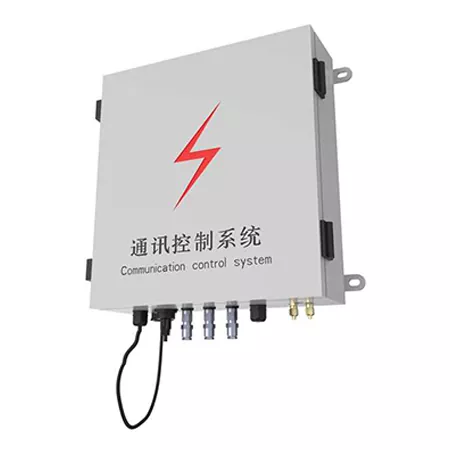
PV Communication Control Unit
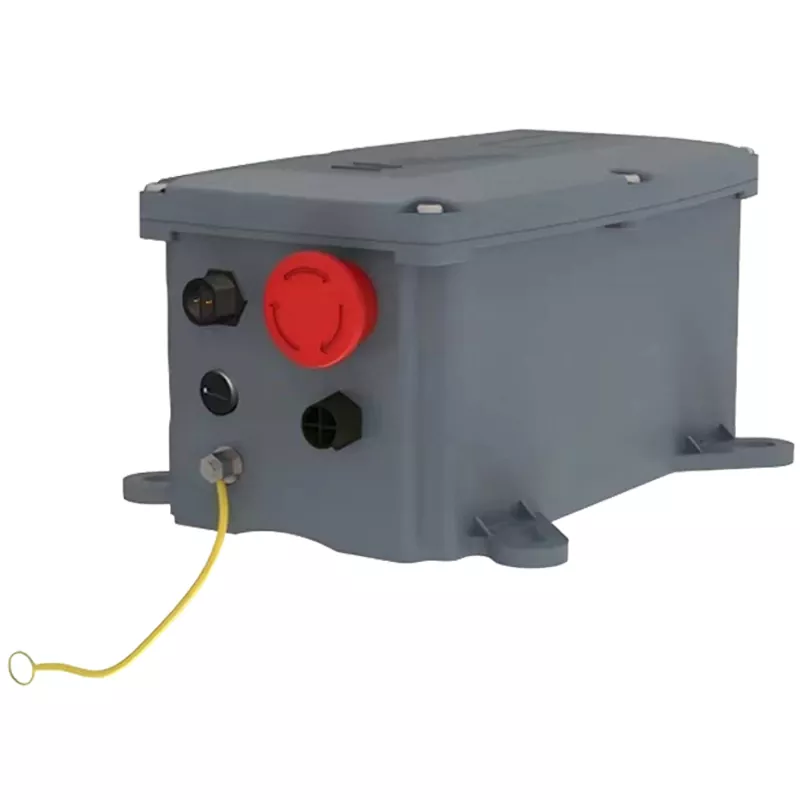
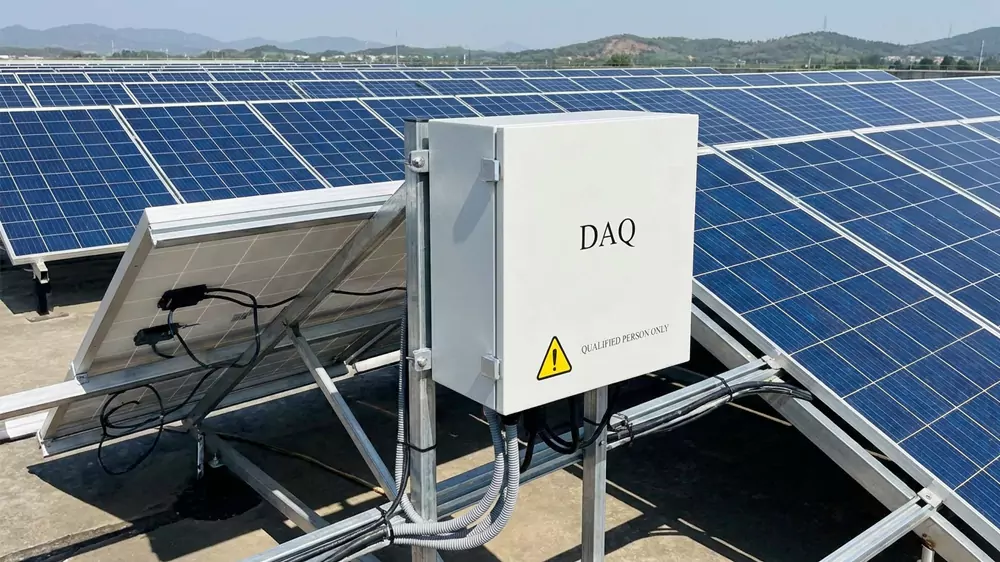
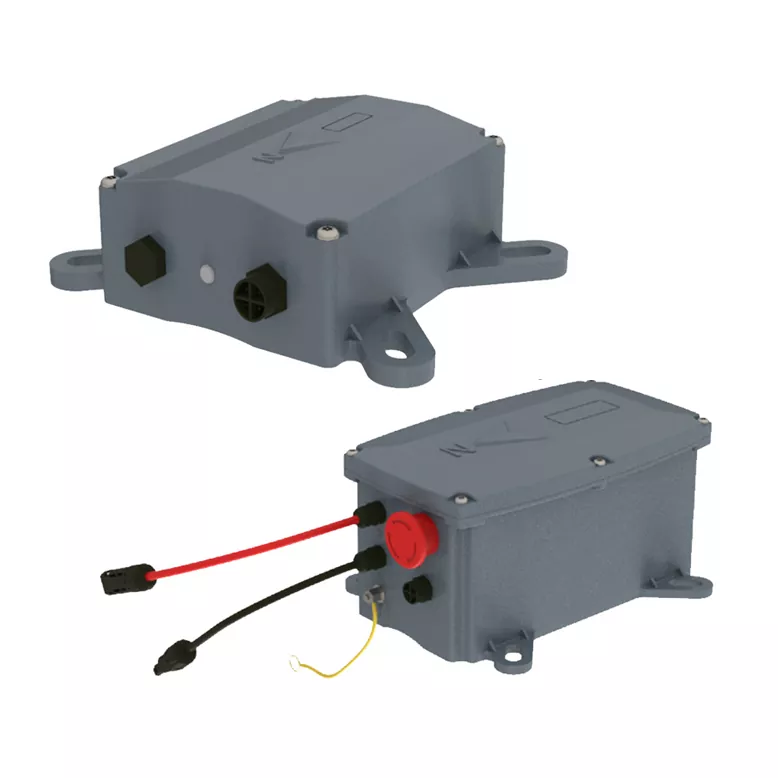
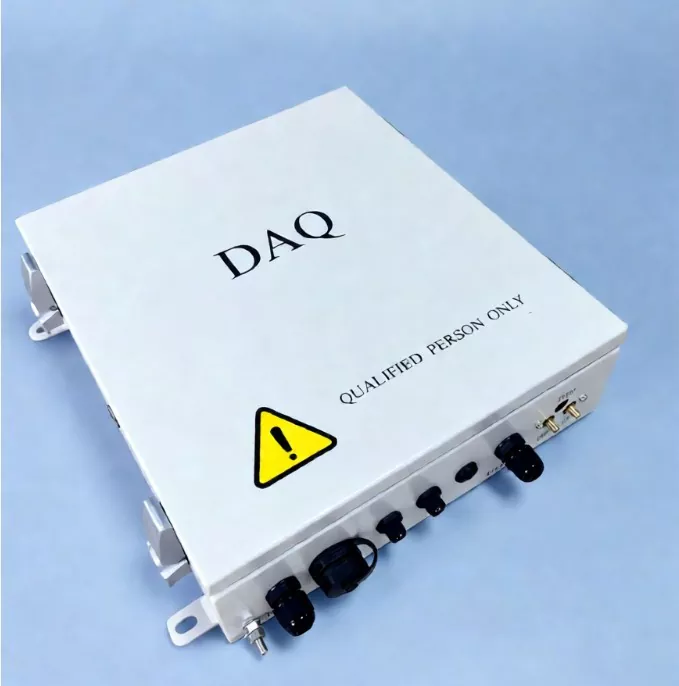
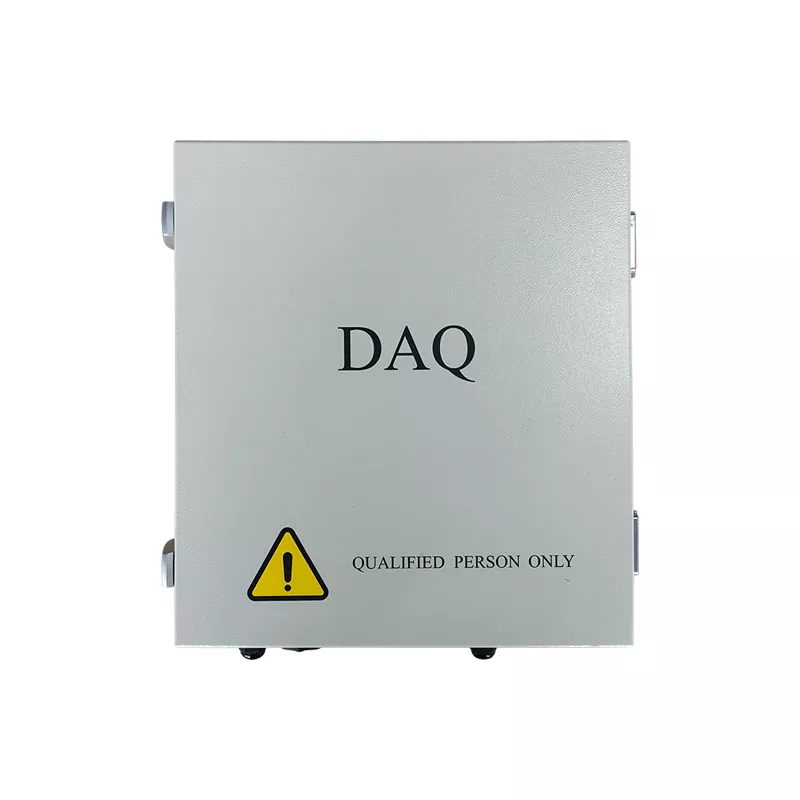
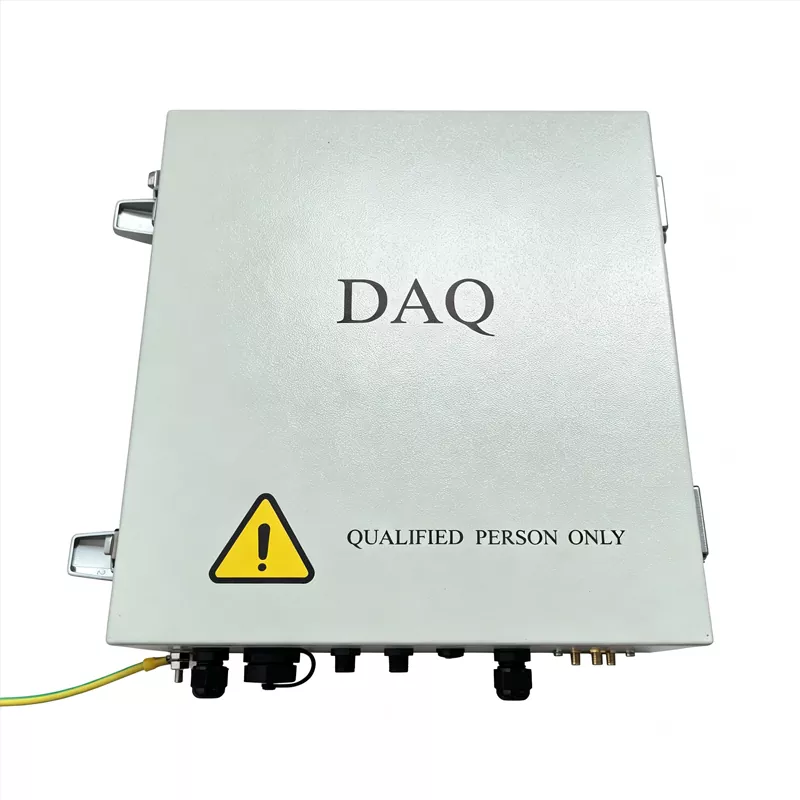
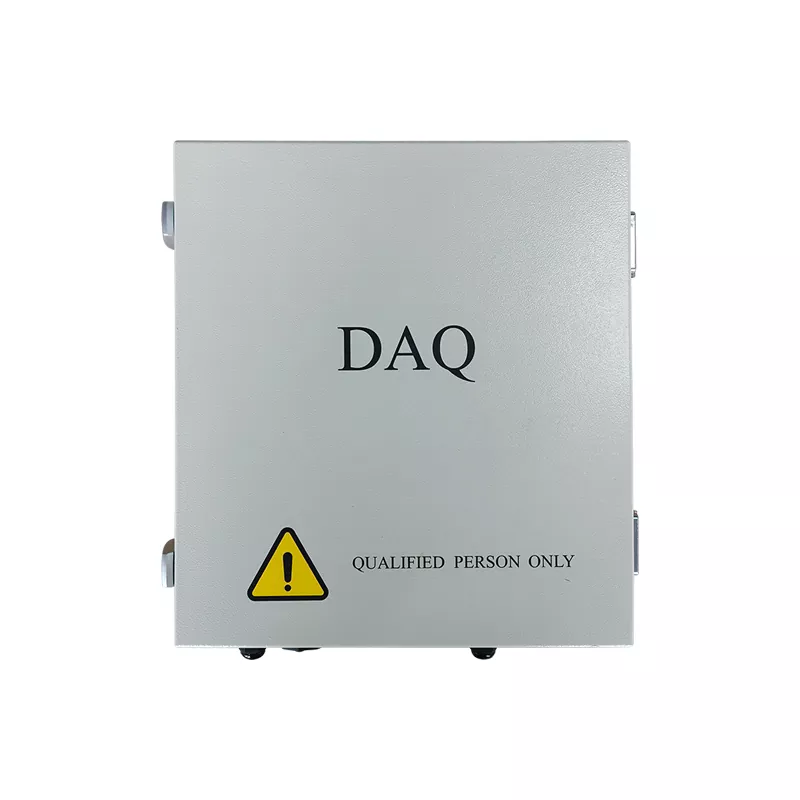
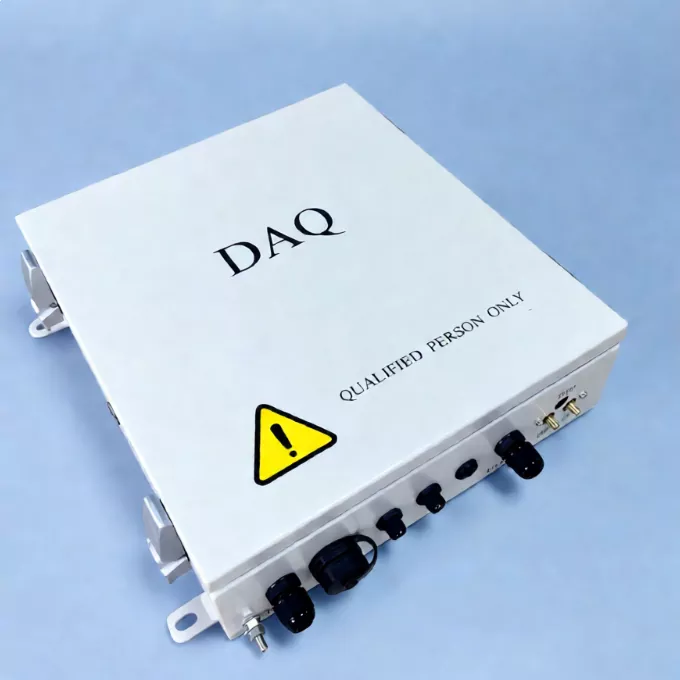
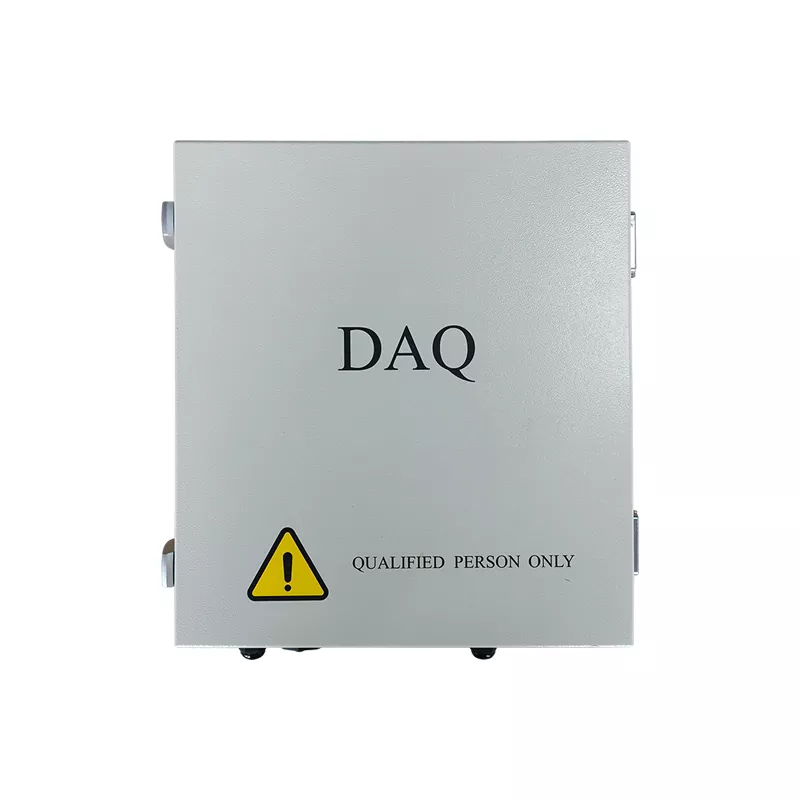
The PV Communication Control Unit serves as the communication hub of a solar power plant, collecting data from hundreds or even thousands of TCUs and transmitting it to the central monitoring system. To get this advanced solution, you can choose Ruitai as your supplier. Equipped with edge computing and protocol conversion capabilities, our NCU ensures fast and reliable data transmission in complex electromagnetic environments.
Suzhou Ruitai is a professional factory, our PV Communication Control Unit uses industrial-grade components, delivering IP65-rated protection, a wide operating temperature range (-40°C to +85°C), and exceptional resistance to lightning and electromagnetic interference.
Supporting industry-standard protocols such as Modbus and TCP/IP, it integrates seamlessly with a wide range of inverters and weather stations. The NCU enables millisecond-level response and real-time data communication, ensuring fast and reliable system operation. When paired with a SCADA platform, it provides operators with real-time visibility into plant-wide performance and operating status from anywhere.
What Are the Core Functions of the PV Communication Control Unit?
1. Centralized Monitoring
The PV Communication Control Unit collects data reported by all TCUs within its jurisdiction, aggregates the data, and uploads it to the SCADA system or a cloud-based monitoring platform.
2. Unified Control
It broadcasts control commands to all TCUs within its jurisdiction to enable synchronized operations.
Typical commands include: one-touch stow, tracking mode switching, backtracking activation/deactivation, and weather protection modes (e.g., for high winds or heavy rain).
3. Long-Distance Communication
It supports Ethernet (fiber optic) or 4G communication, enabling remote data access and control. Multiple NCUs can form a fiber-optic ring network to enhance communication reliability.
4. Data Management
It organizes and manages system information, including tracker row angles, alarm records, motor performance data, and environmental data, providing structured data interfaces for upper-level systems.
Full Specifications Table
▷ Characteristic parameters
|
Product Model |
RT-COM-V1 |
High Wind Speed Trigger Threshold |
Adjustable |
|
Power Supply |
L+N 220VAC |
Heavy Snow Trigger Threshold |
Adjustable |
|
Parameter Setting |
PC |
Latitude and Longitude |
Automatically Obtained by GPS |
|
Daily Power Consumption |
≤0.1kWh |
Time Zone |
Self-Setting |
|
GPS Signal |
Yes |
||
▷ Functional parameters
|
Weather Sensor Alarm |
Yes |
Wireless Communication (with TCU) |
Yes |
|
Communication Interruption Alarm (with TCU) |
Yes |
Communication Port |
RS485 / Ethernet |
|
GPS Module Fault Alarm |
Yes |
Wind Speed |
Yes |
▷ General parameters
|
Housing Material |
Sheet Metal |
Size |
330*96*360mm |
|
Installation Method |
Clamping |
Operating Temperature |
-40~70℃ |
|
Waterproof Rating |
IP65 |
Altitude |
< 4000m |
|
Weight |
5.4kg |
||
How to Select the Right PV Communication Control Unit (NCU)?
1. Select Communication Capacity Based on Scale
Select based on the number of connected TCUs.
Small-scale PV projects: With fewer connections, a basic NCU model is suitable.
Large-scale ground-mounted power plants: A high-capacity NCU is recommended to support a larger number of TCU connections.
Configuration recommendation: Do not configure based solely on the current number of devices; reserve some capacity for future expansion (approximately 20% headroom).
2. Communication Protocol Compatibility
During the project design phase, verify TCU communication protocols, SCADA interface requirements, and the power plant's existing communication architecture.
Ruitai NCUs offer excellent protocol compatibility, supporting RS485, 4G/5G, Modbus RTU, Modbus TCP, Ethernet/IP, and other communication methods.
3. Select Protection Rating Based on Site Environment
NCUs must be highly adaptable to environmental conditions and resistant to dust and rain ingress.
For large-scale PV projects, it is recommended to select units with an operating temperature range of -40°C to +85°C and an IP65 or higher protection rating; they should also feature anti-interference and lightning protection capabilities.
4. Network Architecture Matching
NCU configuration must align with the design of the overall PV communication network.
Recommended for large-scale PV bases: TCU → NCU → Fiber Optic Ring Network → SCADA
Recommended for distributed PV projects: TCU → NCU → 4G/5G → Cloud Platform
FAQ
Q: What hardware features ensure stable and reliable operation in demanding outdoor environments?
A: The system combines multiple layers of protection to ensure smooth performance. Dual GPS calibration technology provides precise tracking and positioning, while the built-in UPS backup battery keeps critical functions running during unexpected power outages.
In addition, comprehensive overcurrent and surge protection safeguards the system against power-related disruptions, ensuring reliable operation in challenging conditions.

Q: Is the PV Communication Control Unit easy to install and configure? What about long-term maintenance costs?
A: Yes. The system is designed for fast and efficient deployment, supporting both PC-based configuration and Bluetooth-enabled wireless setup to significantly reduce on-site commissioning time.
Once operational, the platform enables remote monitoring and real-time data visibility, while its low-power design helps reduce maintenance requirements and lower overall operating costs.
Q: What level of outdoor protection does the product offer? Can it withstand harsh weather conditions?
A: Absolutely. The NCU series features an IP65 protection rating and a weather-resistant enclosure, providing effective protection against dust and water ingress.
It is designed to withstand extreme temperatures, harsh cold, salt spray, and other demanding outdoor conditions, ensuring stable and durable performance throughout its service life.
Q: How does the system's AI adaptability enhance performance and reliability?
A: The system's AI adaptability delivers value in three key ways.
First, it continuously refines tracking strategies using historical and real-time data to maximize energy yield.
Second, it provides intelligent protection during extreme weather conditions.
Third, its built-in self-diagnostics and early warning capabilities help detect potential issues before they become critical, reducing unplanned downtime and improving system reliability.
Q: How does the product support digital management of solar power plants?
A: The NCU series provides real-time visibility into plant operations through continuous data collection and transmission.
Operators can monitor tracker performance, energy generation, and system alerts anytime via PC or mobile devices.
With support for MQTT and TCP protocols, it enables centralized management across multiple sites, helping power plants move toward smarter, more automated operations.
Send Inquiry
Contact Info
-
Address
Building 10, Jiangsu Hainde High tech Industrial Park, No. 70 Yaofeng West Road, Mudu Town, Wuzhong District, Suzhou City, Jiangsu Province, China
-
Tel
-
Email
Send Us Your Project Details
Get a Tailored Quote Within 24 Hours
- ● Factory-Direct Pricing: No middlemen—you get competitive costs straight from our Suzhou plant.
- ● Fast Response: Our technical team replies within 24 hours with initial recommendations.
- ● Custom Solutions: We tailor TCU strategies, communication setups, and SCADA dashboards to your needs.
- ● Global Support: From commissioning to after-sales, our engineers are ready to assist worldwide.
News Recommendations