
How Can a Dual-Axis Solar Tracking System Improve PV Efficiency?
A Dual-Axis Solar Tracking System helps photovoltaic installations adjust panel orientation to follow the sun throughout the day and across seasonal changes. Unlike fixed mounting structures, this technology adjusts both horizontal and vertical angles, allowing solar modules to maintain a more favorable position relative to incoming sunlight. As the photovoltaic industry continues to focus on energy yield, operational reliability, and intelligent plant management, tracking technology has become an important consideration for utility-scale solar projects.
However, the performance of a tracking installation depends on more than its mechanical structure. Control accuracy, communication reliability, environmental adaptability, and maintenance planning all influence long-term operation. Understanding these factors helps project developers and system integrators evaluate whether dual-axis tracking is suitable for their site conditions and energy production objectives.
Why Is Solar Tracking Receiving More Attention?
Photovoltaic modules convert sunlight into electricity, but the amount of energy they receive depends partly on their orientation toward the sun. A fixed installation maintains a predetermined angle, which may not provide the most favorable orientation throughout the entire day or year.
Tracking technology addresses this limitation by adjusting module orientation in response to changing solar positions. The objective is to improve the alignment between the module surface and incoming solar radiation while maintaining safe and stable operation.
Making Better Use of Available Sunlight
Solar radiation reaches a module from different angles as the sun moves across the sky. When the angle of incidence becomes less favorable, the energy captured by the module may decrease. A tracking mechanism can reduce this angular mismatch by repositioning the array according to its control strategy.
The potential benefit depends on local solar conditions, atmospheric characteristics, module performance, and system design. Locations with suitable direct sunlight may offer stronger opportunities for tracking, while sites affected by persistent cloud cover, shading, or complex terrain require more detailed evaluation.
Supporting More Flexible Plant Design
Modern photovoltaic projects vary significantly in terrain, installation density, electrical configuration, and operating requirements. Solar tracking solutions provide an additional design option for projects that seek to balance energy production with land use, equipment costs, and maintenance access.
Rather than assuming that tracking always outperforms fixed mounting, engineering teams should compare expected energy yield, structural requirements, installation conditions, and lifetime operating costs. This approach provides a more realistic basis for selecting an appropriate configuration.
How Does Two-Dimensional Tracking Work?
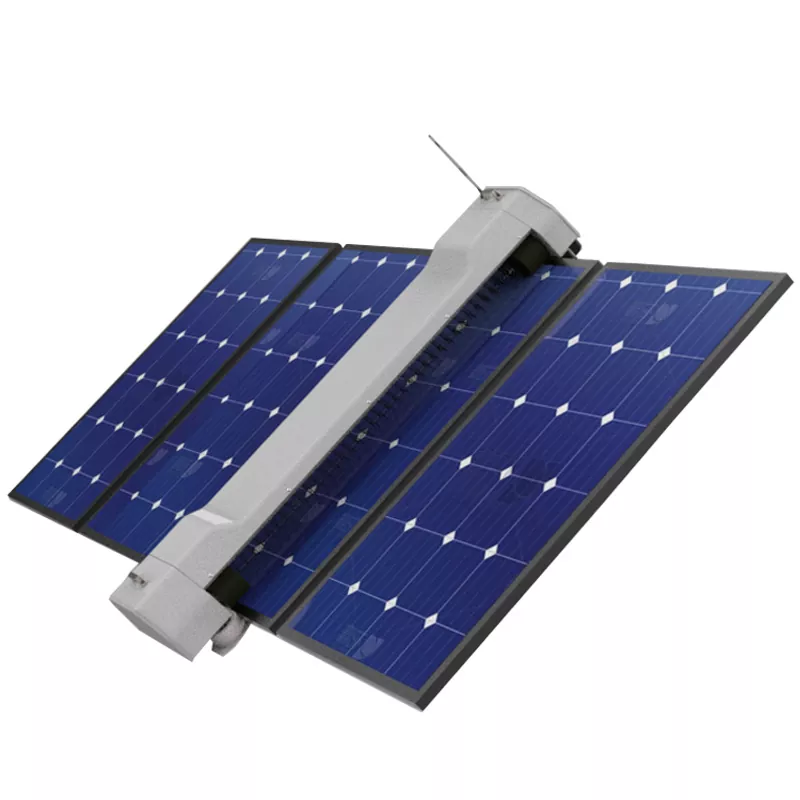
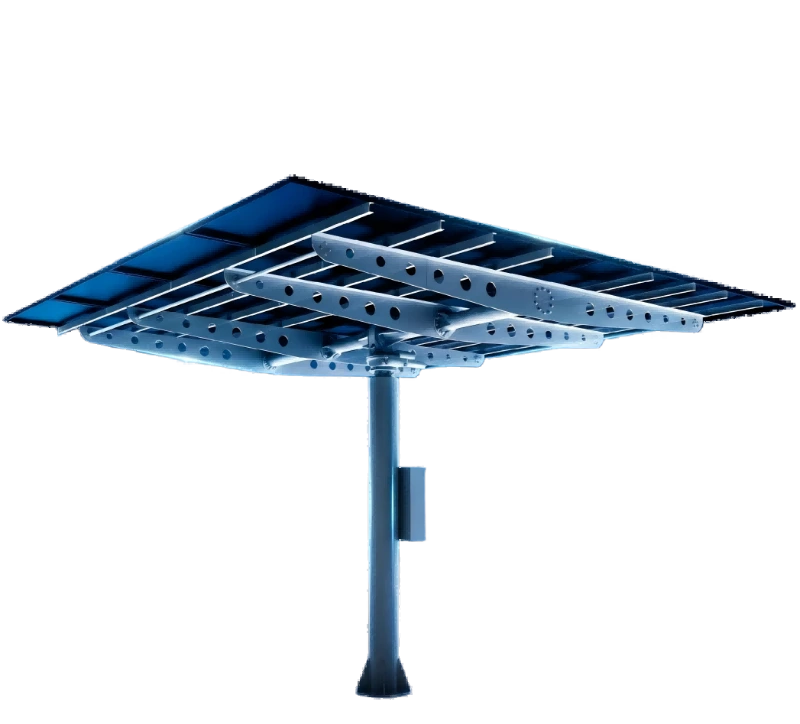
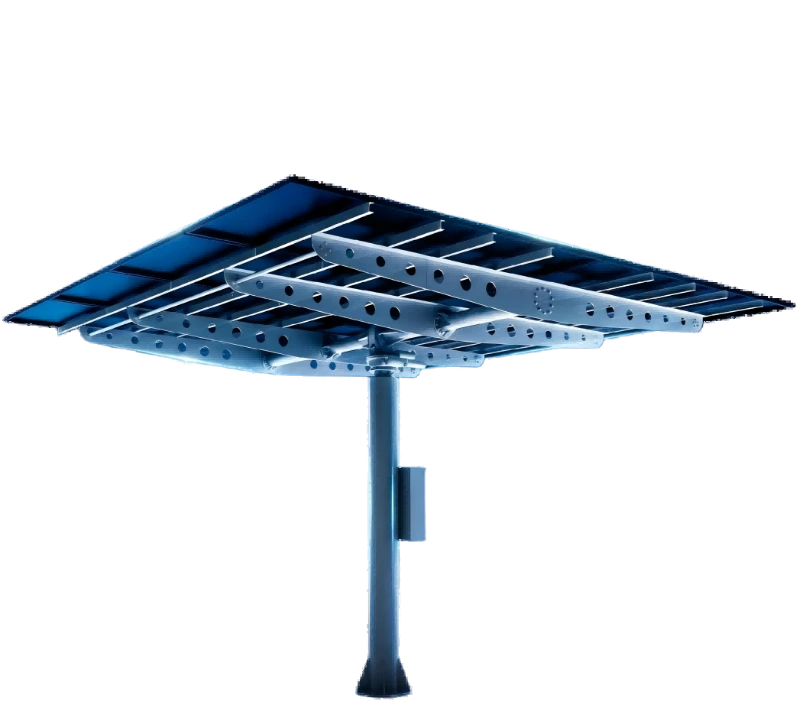
A Dual-Axis Solar Tracking System uses coordinated mechanical movement and electronic control to adjust the orientation of photovoltaic modules along two axes. This arrangement allows the array to respond to changes in both the sun's apparent horizontal position and its elevation.
The exact operating principle depends on the mechanical structure, control algorithm, sensor configuration, and installation environment. In a well-designed installation, these elements work together to maintain the intended tracking position without compromising structural stability or operational safety.
Horizontal and Vertical Adjustment
The horizontal axis enables the array to change its azimuth orientation, helping it follow the sun's apparent movement from one side of the sky to the other. The vertical adjustment changes the elevation angle of the module surface to accommodate variations in the sun's position.
Coordinating these movements can improve solar alignment across a wider range of conditions than a single-axis mechanism. Nevertheless, the practical advantage depends on the installation site and the energy yield that can be gained from additional mechanical movement.
Intelligent Control and Position Management
Tracking accuracy depends on the controller's ability to calculate, command, and monitor the intended movement. A control strategy may use astronomical positioning algorithms, sensor information, feedback signals, or a combination of these inputs.
The controller processes relevant operating information and sends instructions to the drive mechanism. Feedback from the tracking structure can help identify whether the commanded position has been reached. When abnormal conditions occur, appropriate control logic can support fault handling, movement restrictions, and protective responses.
Reliable position management is particularly important when a photovoltaic plant contains many tracking units. Consistent control behavior helps reduce unnecessary movement, maintain coordinated operation, and simplify the identification of equipment abnormalities.
What Technical Factors Determine System Performance?
Tracking performance is influenced by the complete system rather than a single component. Mechanical design establishes the available movement range, electronic control determines positioning behavior, communication supports coordination, and monitoring tools provide operational visibility.
Control Accuracy and Movement Stability
Accurate positioning helps modules maintain the intended orientation under changing operating conditions. Control quality depends on the resolution of position feedback, algorithm design, drive response, mechanical tolerances, and the effects of wind or other external forces.
Excessive movement or frequent corrective actions can increase component wear and energy consumption. Appropriate control parameters should therefore balance tracking precision with mechanical stability and efficient operation.
Commissioning procedures should verify movement direction, position feedback, communication status, limit protection, and response to abnormal signals. These checks establish a dependable operating foundation before the plant enters routine service.
Communication Reliability
Large photovoltaic installations may include numerous controllers, monitoring devices, and other field equipment. A reliable communication architecture allows operational commands and status information to move between field devices and higher-level management systems.
Communication design should account for transmission distance, electrical interference, network topology, environmental exposure, and the consequences of communication loss. Appropriate fault detection and recovery mechanisms can help maintenance teams distinguish communication problems from mechanical or control failures.
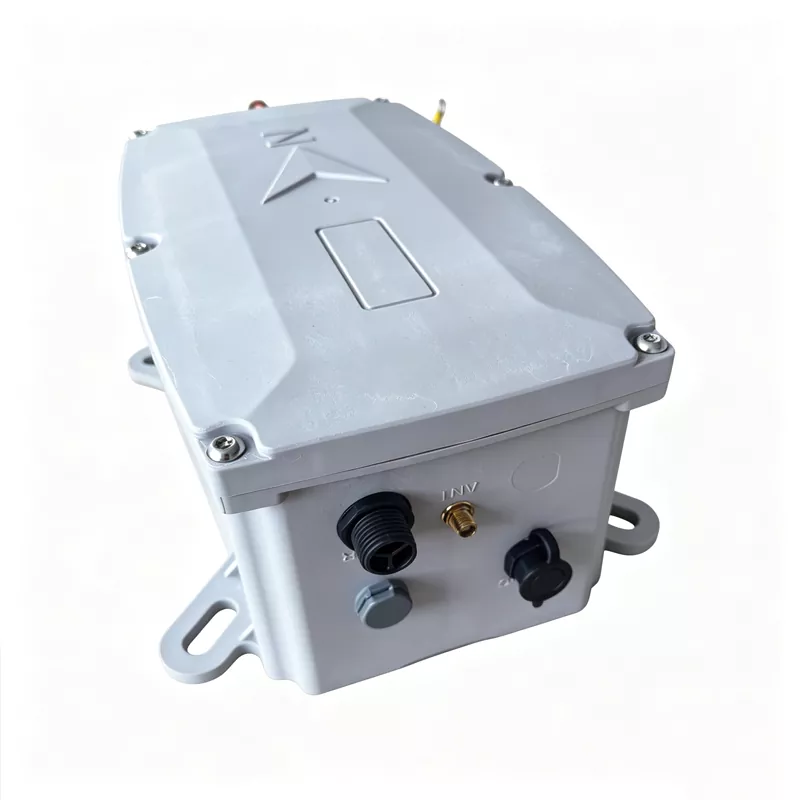
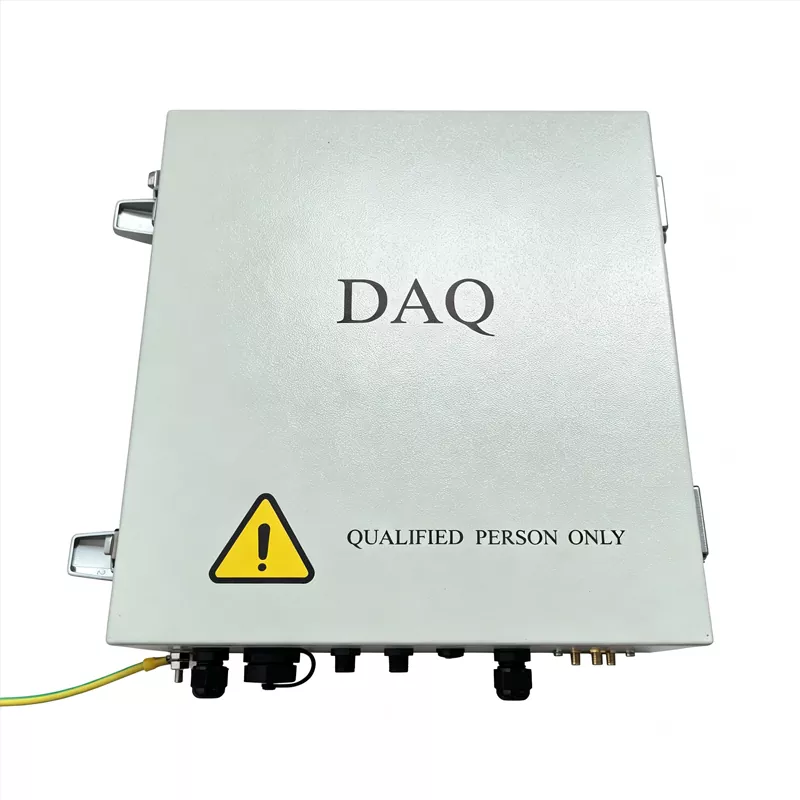
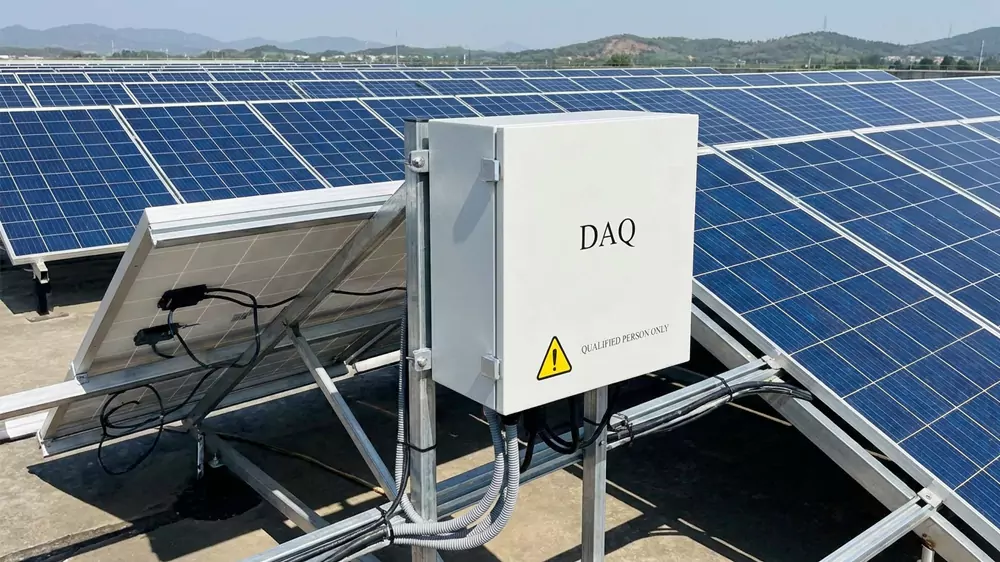
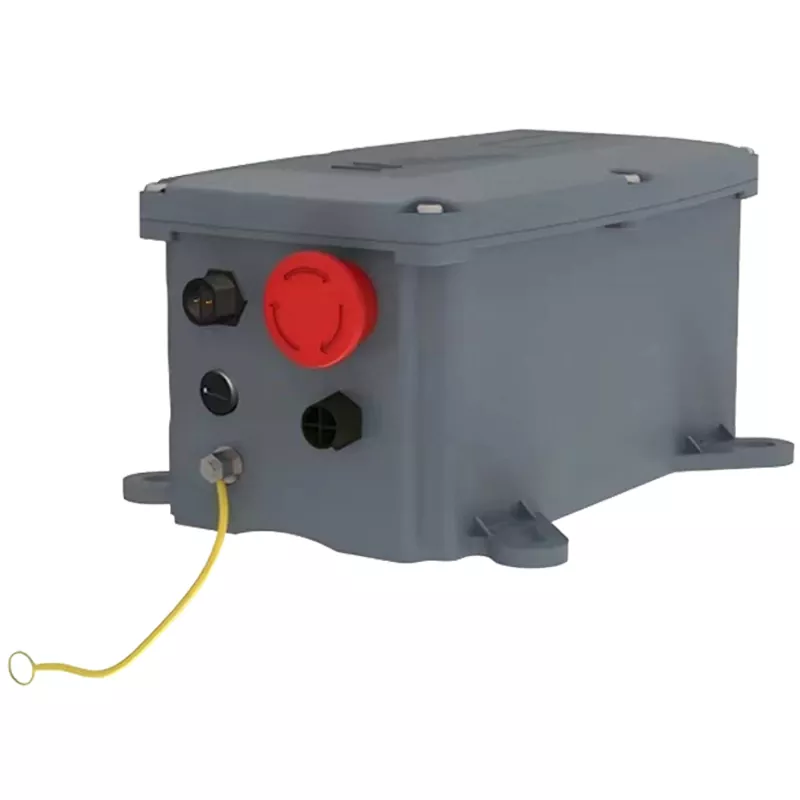
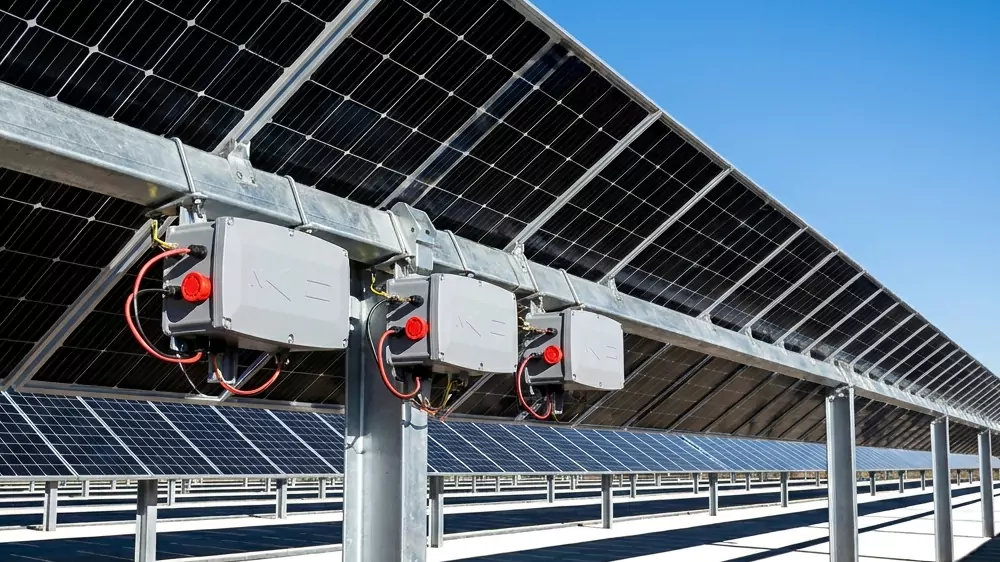
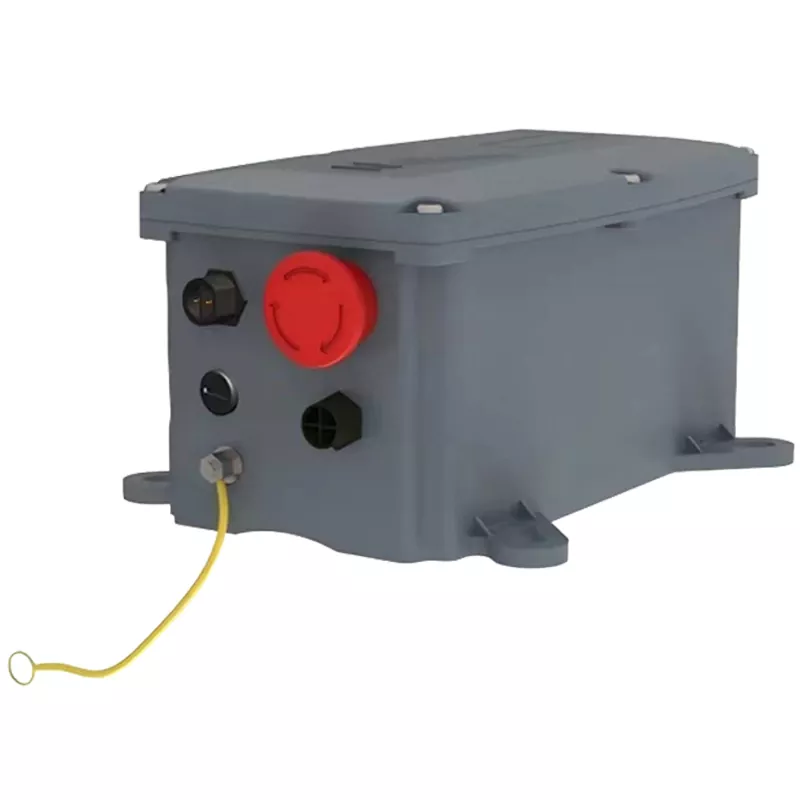
Intelligent communication boxes can provide a structured interface between tracking equipment and supervisory systems. Their role may include collecting field information, transmitting commands, and supporting coordinated monitoring, depending on the system architecture.
Structural Strength and Environmental Adaptability
Tracking structures must operate under changing environmental conditions, including wind loads, temperature variation, dust, moisture, and long-term material exposure. The mechanical design should be suitable for the site's wind conditions, soil characteristics, installation requirements, and maintenance capabilities.
Protective operating modes are also important. When wind or other environmental conditions exceed established operating limits, the controller may command the structure to move into a designated protective position, provided that the equipment design supports this function.
Engineers should verify the applicable load calculations, material specifications, corrosion protection, electrical protection, and environmental ratings before installation. Site-specific engineering remains essential because the suitability of one configuration cannot automatically be transferred to another location.
How Do Different Tracking Approaches Compare?
Solar tracking technologies serve different engineering objectives. The choice should reflect the expected energy gain, project budget, land conditions, maintenance resources, and operating environment rather than tracking capability alone.
| Evaluation factor | Fixed mounting | Single-axis tracking | Two-axis tracking |
|---|---|---|---|
| Module orientation | Predetermined installation angle | Movement along one axis | Movement along horizontal and vertical axes |
| Control requirements | Limited active positioning control | One-axis movement management | Coordinated two-axis positioning |
| Mechanical complexity | Generally lower | Moderate, depending on design | Generally higher due to additional movement |
| Maintenance considerations | Focus on structure and electrical equipment | Includes drive and tracking components | Includes coordinated drives, feedback, and control components |
| Site suitability | Broadly applicable with proper design | Depends on terrain and energy objectives | Depends on solar conditions and project economics |
| Primary design objective | Stable and economical module installation | Improved alignment along one movement axis | More comprehensive adjustment to solar position |
This comparison describes general design characteristics rather than guaranteed performance. Actual energy production and project value should be assessed through site-specific simulation, engineering calculations, and operating cost analysis.
Where Can Advanced Tracking Technology Be Applied?
Tracking solutions can support a range of photovoltaic applications when their mechanical and electrical requirements align with project conditions. The final configuration should be determined through technical assessment rather than by application category alone.
Utility-Scale Photovoltaic Power Plants
Large solar farms often require coordinated equipment operation, centralized monitoring, and repeatable maintenance procedures. Intelligent control can help manage distributed tracking units while providing operational information to plant management personnel.
For these installations, project teams should consider communication coverage, controller replacement procedures, spare-parts planning, structural inspection access, and the integration of tracking equipment with existing supervisory systems.
Projects With Changing Solar Angles
Installations that seek to maintain favorable module orientation as solar elevation changes may benefit from two-axis movement. The value of this capability depends on local solar geometry, seasonal conditions, shading, and the balance between additional energy production and equipment expenditure.
Before selecting a configuration, developers should compare simulated generation profiles across representative weather conditions. This process helps identify whether the additional movement capability provides sufficient value for the intended application.
Sites Requiring Intelligent Operation
Projects with geographically distributed equipment or demanding maintenance requirements can benefit from clear operating data and remote diagnostics. When tracking controllers are connected to a suitable monitoring platform, technical personnel can review status information, identify irregular behavior, and organize maintenance activities more efficiently.
Remote monitoring does not eliminate the need for on-site inspection. Instead, it helps teams prioritize field visits and make maintenance decisions based on available operational evidence.
What Role Does SCADA Play in Plant Management?
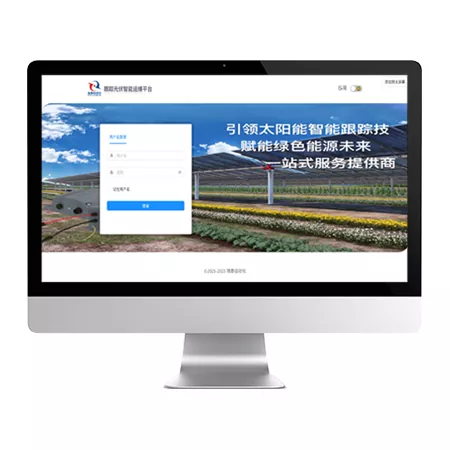
Supervisory control and data acquisition systems provide an interface for observing equipment status and managing supported control functions. In photovoltaic installations, a SCADA platform may consolidate information from tracking controllers, communication devices, power equipment, and environmental monitoring systems.
Centralized Monitoring and Fault Identification
Centralized monitoring can make it easier to identify equipment that is not responding as expected. Depending on the available signals, the platform may display tracking position, communication status, alarms, operating modes, and other relevant parameters.
Clear alarm classification helps maintenance personnel determine whether an issue relates to communication, control logic, mechanical movement, or an external operating condition. Historical records can also support recurring fault analysis and maintenance planning.
Data-Based Maintenance Decisions
Operational data becomes more useful when it is consistent, accessible, and connected to specific equipment. Maintenance teams can compare normal operating behavior with abnormal records, examine repeated alarms, and identify units that require closer inspection.
Data quality remains essential. Missing signals, inaccurate timestamps, inconsistent equipment identifiers, and unreliable network connections can limit the value of monitoring reports. A well-planned data structure should therefore be part of system integration and commissioning.
Integration Across Equipment Layers
Effective plant management depends on coordination between field devices and higher-level software. Controllers manage local movement, communication equipment supports information exchange, and supervisory platforms provide a broader operational view.
Compatibility should be verified before deployment. Project teams need to confirm communication protocols, data mapping, command permissions, alarm handling, and cybersecurity requirements. Integration testing helps prevent unexpected behavior when equipment from different layers operates as one system.
How Can Cleaning and Maintenance Support Long-Term Output?
Dust, sand, pollen, and other surface deposits can reduce the amount of sunlight reaching photovoltaic cells. The impact varies with local weather, module inclination, surrounding land use, rainfall, and the characteristics of deposited materials. Tracking equipment and cleaning arrangements should therefore be considered together during project planning.
Cleaning Strategies for Photovoltaic Modules
Cleaning frequency should reflect measured soiling conditions, local water availability, labor costs, and the expected energy loss caused by surface deposits. A fixed cleaning schedule may be suitable for some sites, while others require a condition-based approach supported by inspection and performance data.
Automated cleaning equipment can help reduce repetitive manual work where the site layout and module arrangement are compatible with the selected solution. However, the cleaning method must be evaluated for its effects on glass surfaces, module frames, cables, seals, and tracking structures.
Using Cleaning Robots With Tracking Equipment
Intelligent photovoltaic cleaning robots can support routine maintenance when their travel paths, clearance requirements, and operating procedures match the module configuration. Coordination between cleaning equipment and tracking controls is important to avoid movement conflicts or unsafe operating conditions.
Before implementation, technical teams should verify cleaning coverage, obstacle detection, operating limits, water or power requirements, and emergency handling. The selected equipment should also be assessed for compatibility with the project's environmental conditions and maintenance procedures.
Preventive Inspection and Component Management
Preventive maintenance should cover mechanical connections, drive components, electrical enclosures, cable routing, grounding, communication devices, and controller operation. Inspection intervals should follow manufacturer recommendations, site conditions, and the results of previous maintenance activities.
Maintenance records should identify the affected equipment, observed symptoms, corrective actions, and follow-up requirements. Consistent documentation helps teams detect repeated failures and improve maintenance planning over the operating life of the plant.
What Should Engineering Teams Evaluate Before Installation?
Successful implementation begins with a clear understanding of site conditions and project objectives. Tracking capability alone is not enough to establish technical suitability or economic value.
Site Assessment and Energy Modeling
Solar resource data, weather patterns, terrain, shading, soil conditions, and available installation space should be evaluated before equipment selection. Energy modeling can estimate the expected generation profile and compare alternative mounting approaches under consistent assumptions.
The analysis should account for potential gains as well as additional losses associated with equipment availability, shading, soiling, electrical conversion, and maintenance downtime. Where uncertainty is significant, sensitivity analysis can show how changing assumptions affect the overall project case.
Electrical and Communication Planning
System design should define power supply requirements, cable routing, grounding, protective devices, communication interfaces, and network arrangements. Engineers should also determine how controllers respond to power interruption, communication failure, sensor abnormalities, and conflicting commands.
Equipment interfaces need to be documented clearly so that installation teams can verify connections and integration requirements. Standardized documentation also simplifies commissioning, troubleshooting, and future equipment replacement.
Safety and Commissioning Procedures
Commissioning should confirm that mechanical movement, control logic, communication, alarms, and protective functions operate according to the approved design. Testing should include normal operation and relevant fault scenarios within safe, manufacturer-approved procedures.
Site personnel should receive appropriate training in operating modes, emergency procedures, inspection requirements, and fault reporting. Clear responsibilities between equipment suppliers, system integrators, and plant operators help reduce uncertainty during handover and routine operation.
How Can Project Teams Assess Long-Term Economic Value?
The economic value of tracking technology should be evaluated across the expected service life of the installation. Initial equipment expenditure is only one part of the calculation. Energy production, installation labor, electrical consumption, maintenance costs, spare parts, downtime, and replacement requirements also influence overall project economics.
Comparing Energy Gains With Operating Costs
A reliable assessment compares expected generation under the proposed tracking configuration with a suitable reference case. The analysis should use consistent assumptions for solar resources, module characteristics, system losses, equipment availability, and electricity value.
Additional mechanical movement may improve energy capture, but it can also introduce more components that require inspection and maintenance. The best configuration is the one that delivers an appropriate balance between expected output, reliability, and lifetime cost under the project's actual conditions.
Considering Reliability and Serviceability
Equipment reliability affects both maintenance expenditure and energy availability. Designs that support straightforward fault diagnosis, accessible components, clear documentation, and practical replacement procedures can reduce the operational burden on plant teams.
Service planning should consider technical support availability, spare-parts supply, software maintenance, and the process for handling equipment abnormalities. These factors are especially relevant when a project operates far from the equipment supplier or has limited on-site technical staff.
Evaluating Performance Over Time
Long-term assessment should compare actual operating records with the assumptions used during project planning. Differences in energy output, equipment availability, soiling, weather, or maintenance performance may explain deviations from expected results.
Regular performance reviews allow operators to refine maintenance schedules, identify recurring faults, and improve future equipment selection. A structured evaluation process is more useful than relying on a single performance indicator to judge the entire installation.
What Developments Are Shaping Intelligent Solar Tracking?
The development of photovoltaic control technology increasingly emphasizes equipment coordination, remote visibility, maintainability, and data-based operation. These priorities reflect the need to manage complex installations while keeping equipment dependable under changing environmental conditions.
Smarter Control Algorithms
Control algorithms can combine calculated solar positions with feedback information and operating constraints. Improvements in control logic may help reduce unnecessary movement, manage position errors, and support more consistent behavior when environmental conditions change.
Advanced control should remain transparent enough for engineers to understand its operating limits and verify its behavior. Appropriate testing and fault handling are necessary to ensure that optimization does not compromise safety or equipment protection.
Greater Emphasis on Remote Diagnostics
Remote diagnostic capabilities can provide earlier visibility into communication interruptions, abnormal tracking behavior, and recurring alarms. When supported by reliable data collection, these tools can help maintenance teams determine which issues require immediate attention.
As monitoring systems become more connected, cybersecurity and access control require careful consideration. Authentication, network segmentation, software updates, and controlled remote commands can help protect operational systems from unauthorized access or unintended changes.
Coordination Between Tracking and Cleaning
Tracking, monitoring, and cleaning equipment increasingly need to operate within a coordinated maintenance strategy. Shared operating information can help schedule cleaning activities, avoid incompatible equipment positions, and reduce unnecessary interruptions.
The practical value of integration depends on interoperability and the quality of the implementation. Project teams should confirm that each device supports the required interfaces and that coordinated operations have been tested under realistic site conditions.
Conclusion: Building More Reliable Photovoltaic Control Solutions
A Dual-Axis Solar Tracking System offers a way to adjust photovoltaic module orientation along two axes, potentially improving solar alignment under suitable site conditions. Its practical value depends on a combination of control accuracy, mechanical design, communication reliability, environmental adaptability, and effective maintenance. Careful engineering evaluation is essential to determine whether the additional capability justifies the investment for a particular project.
Intelligent controllers, communication devices, supervisory software, and cleaning equipment can contribute to a more coordinated operating environment when they are selected and integrated according to project requirements. Clear commissioning procedures, reliable operational data, and preventive maintenance further support dependable long-term performance.
As a professional manufacturer specializing in photovoltaic tracking control solutions, Suzhou Ruitai Automation Technology Co., Ltd. integrates research and development, production, and technical service. Its product portfolio includes intelligent tracking controllers, intelligent communication boxes, SCADA operation and maintenance platforms, and intelligent photovoltaic cleaning robots. The company also reports ISO 9001 certification, CE certification, HTW certification, software copyright protection, and intellectual property achievements. By focusing on technical innovation, product quality, and practical system integration, Ruitai Automation continues to support photovoltaic projects seeking reliable control and intelligent operation solutions.
Previous :
-
Related News
- What Is a Solar Control Communication Cabinet for Smarter PV Tracking?
- How Does an Intelligent PV Tracker Improve Solar Power Generation?
- How Does a Multi-Row Multi-Drive Solar Tracker Improve Large-Scale Solar Performance?
- How Does a Single-Axis PV Tracker Improve Solar Energy Performance?
- How Does a PV Module Tracking Controller Improve Solar Tracking Performance?
- How Does a Multi-Row PV Tracker Improve Solar Energy Generation Efficiency?
Leave me a message