
How Does a Multi-Row PV Tracker Improve Solar Energy Generation Efficiency?
As solar power projects continue to expand worldwide, improving energy output while reducing land usage and operating costs has become a major challenge for developers and investors. A Multi-Row PV Tracker provides an advanced solar tracking solution by enabling multiple photovoltaic rows to work together through intelligent movement control and optimized positioning. This article explains how Multi-Row PV Tracker technology works, why it matters, the problems it solves, and how it helps large-scale solar farms achieve higher energy yields and better long-term performance.
Table of Contents
- Understanding the Role of Multi-Row PV Tracker Systems
- How Multi-Row PV Tracker Technology Works
- Common Challenges Solved by Multi-Row PV Trackers
- Key Advantages of Multi-Row PV Tracker Solutions
- Multi-Row PV Tracker vs Traditional Fixed Solar Mounting Systems
- Important Factors When Selecting a Multi-Row PV Tracker
- Applications and Future Development Trends
- Frequently Asked Questions
Understanding the Role of Multi-Row PV Tracker Systems
The solar energy industry is entering a new stage where maximizing electricity generation is just as important as installing more photovoltaic panels. For utility-scale solar farms, even a small improvement in energy conversion efficiency can create significant economic benefits over decades of operation.
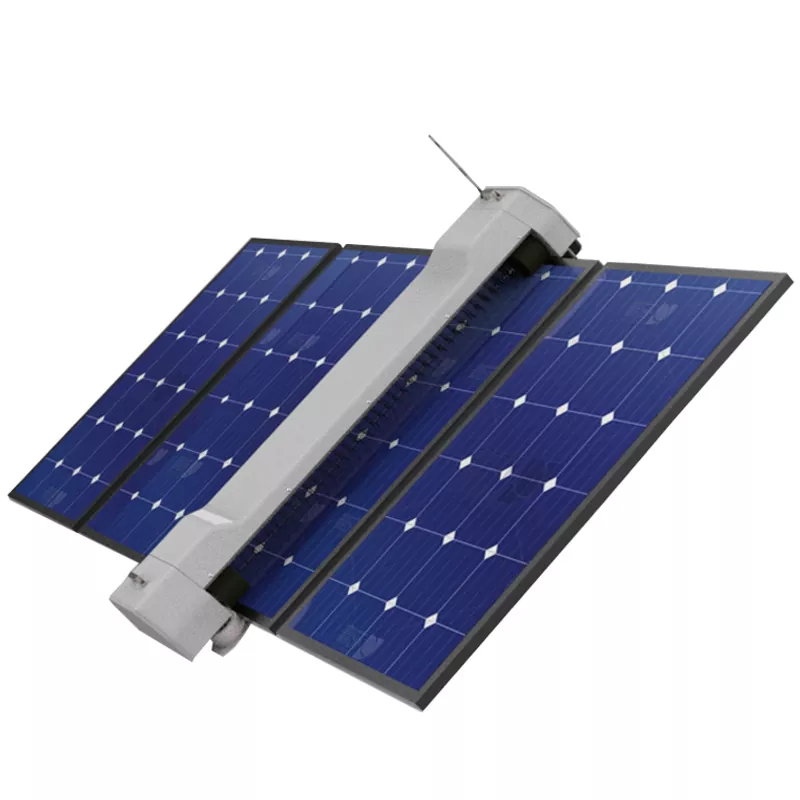
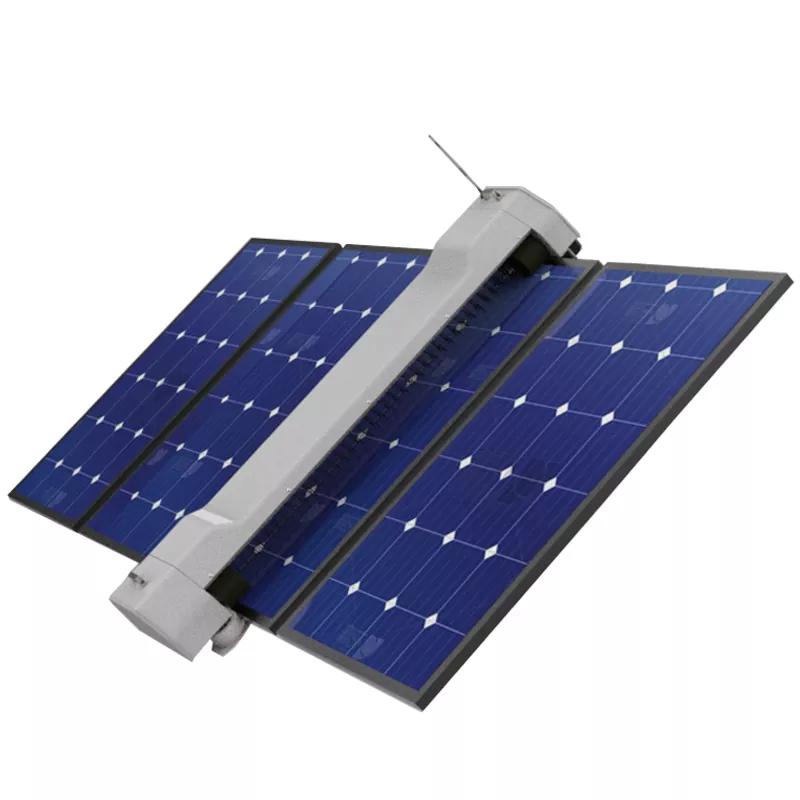
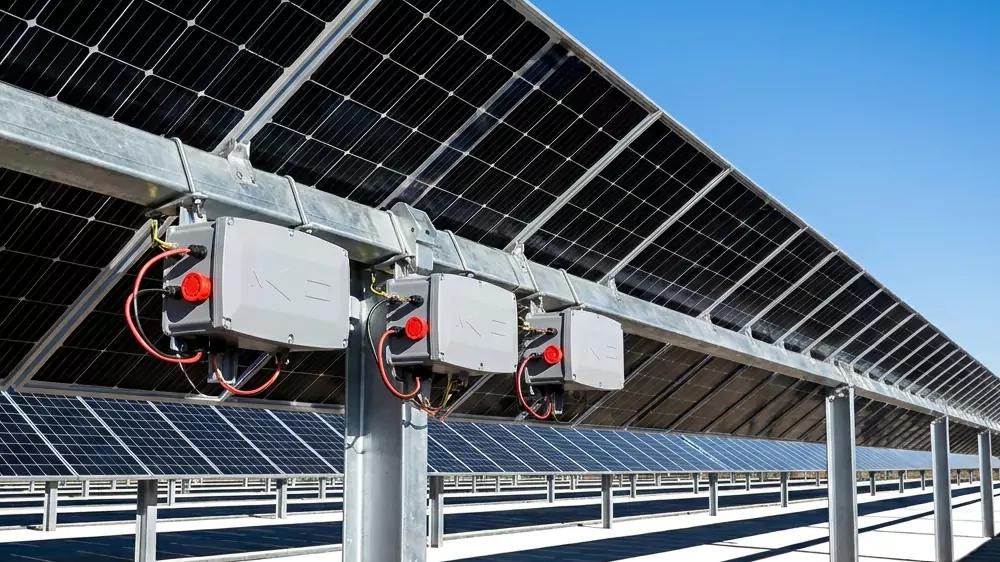
A Multi-Row PV Tracker is designed to address this requirement by allowing multiple photovoltaic module rows to follow the sun’s movement throughout the day. Compared with conventional fixed-tilt mounting structures, this tracking technology adjusts solar panel angles according to solar position, increasing the amount of sunlight received by photovoltaic modules.
Unlike independent single-row tracking systems, a multi-row structure integrates several PV rows into a coordinated tracking system. This design improves mechanical synchronization, reduces unnecessary equipment duplication, and creates a more efficient solution for large solar power projects.
Suzhou Ruitai Automation Technology Co., Ltd. focuses on providing advanced automation and intelligent control solutions that support the development of efficient solar tracking technologies. Through precise engineering and reliable control systems, modern PV trackers can deliver stable operation under different environmental conditions.
Key Point:
Multi-Row PV Tracker systems help solar projects achieve higher energy production by continuously optimizing panel orientation based on real-time solar conditions.
How Multi-Row PV Tracker Technology Works
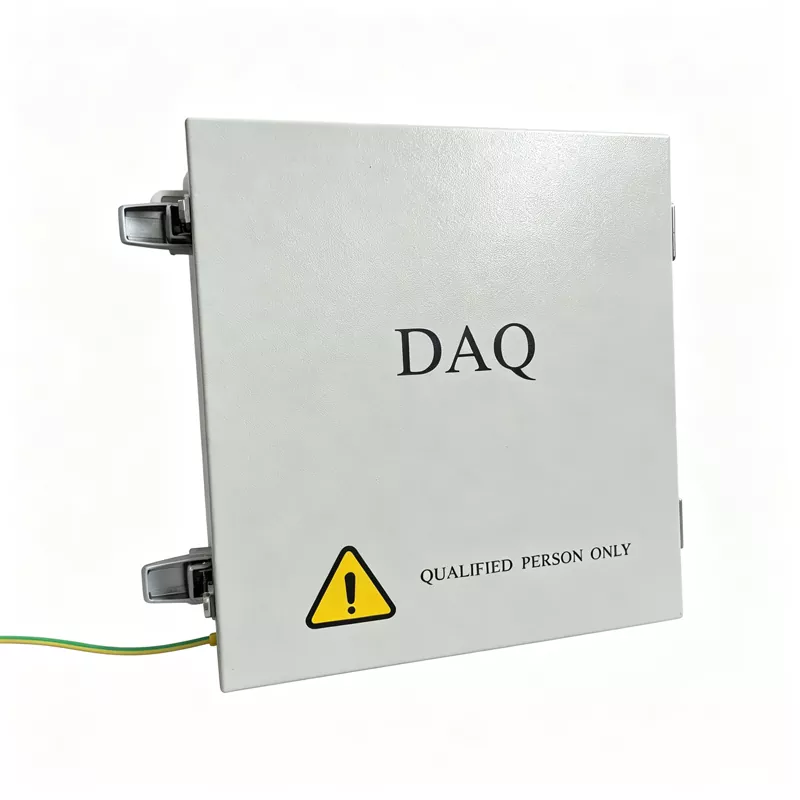
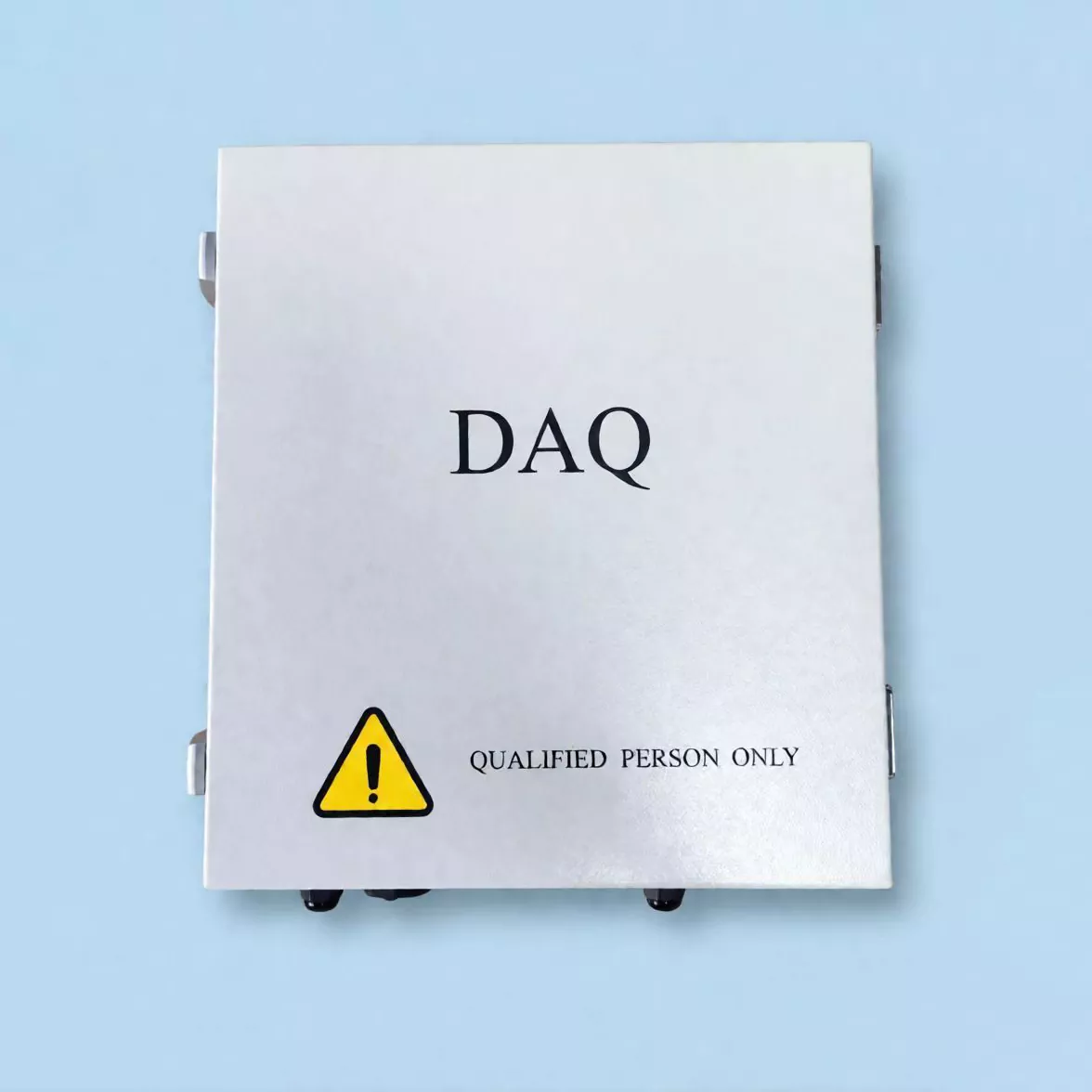
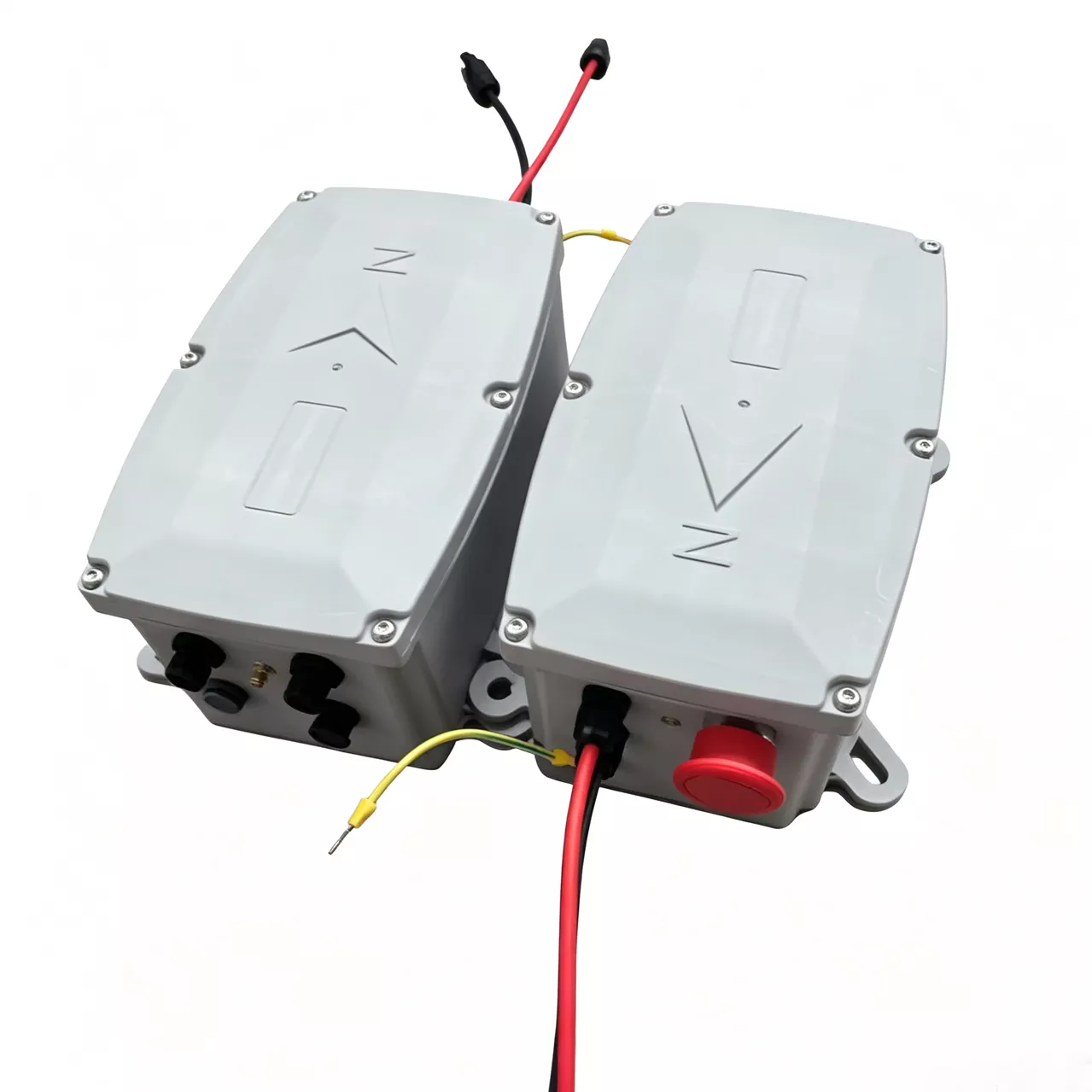
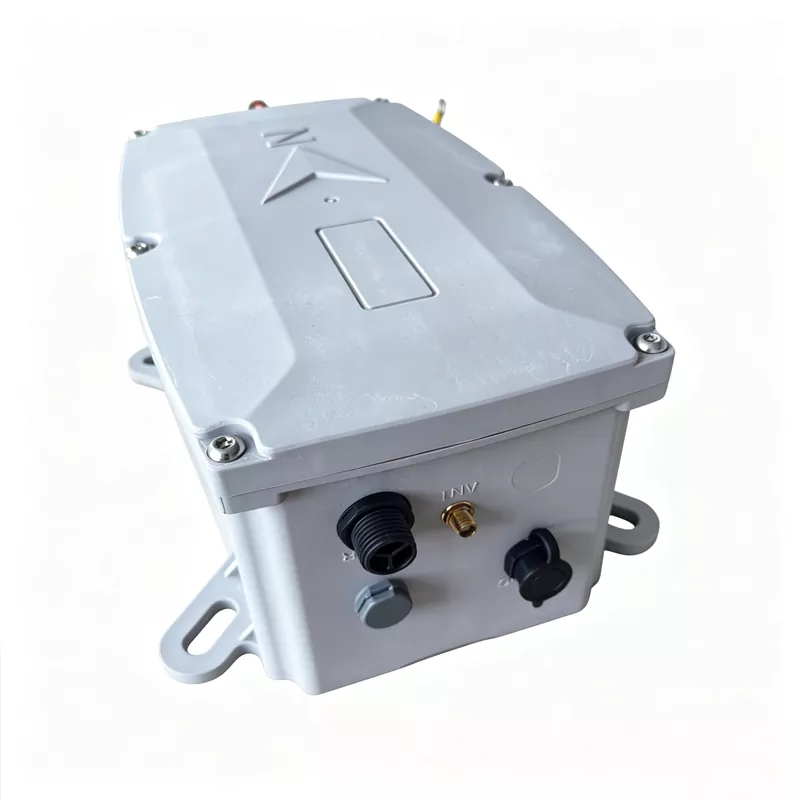
A Multi-Row PV Tracker combines mechanical structures, drive systems, sensors, and intelligent controllers to automatically adjust photovoltaic panel angles. The entire system works together to ensure solar modules maintain an optimal position for sunlight absorption.
The main operating process usually includes the following stages:
- Solar Position Calculation: The control system calculates the sun’s position based on geographic location, time, and astronomical algorithms.
- Tracking Command Generation: The controller sends movement instructions according to the required tracking angle.
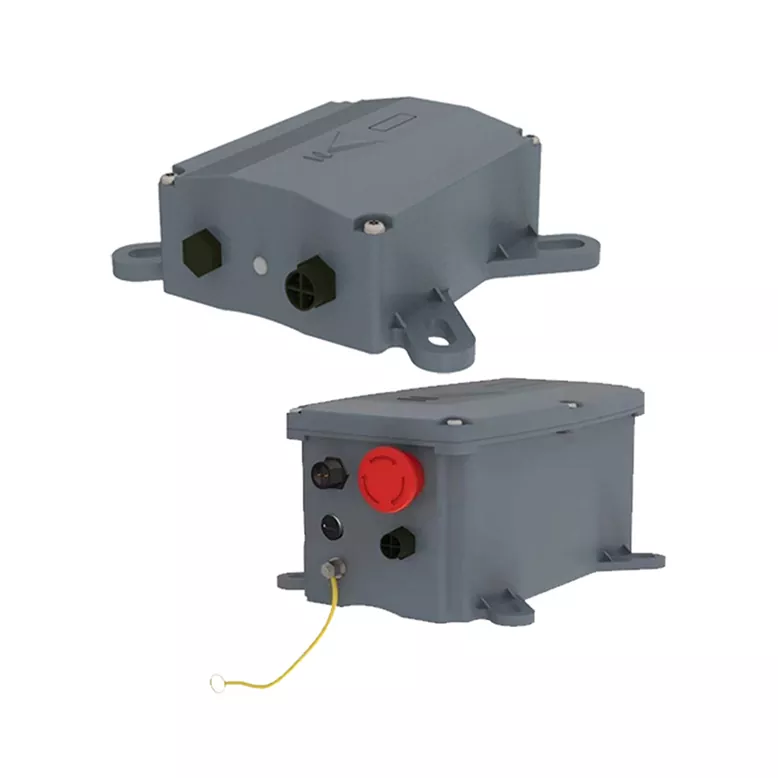
- Mechanical Adjustment: Motors and drive components rotate multiple PV rows simultaneously.
- Real-Time Monitoring: Sensors monitor system conditions and adjust performance when environmental changes occur.
The coordinated movement between multiple rows is one of the most important characteristics of this technology. Proper synchronization prevents inconsistent angles between PV arrays, ensuring that every module operates efficiently.
| Component | Function | Customer Benefit |
|---|---|---|
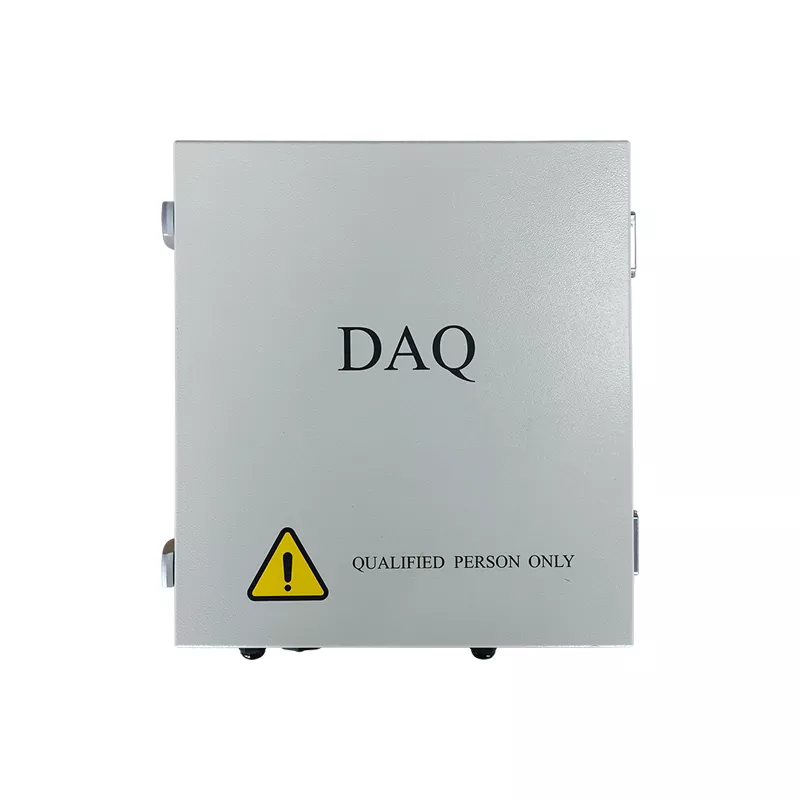
| Tracking Controller | Processes solar position data and controls movement | Improves tracking accuracy |
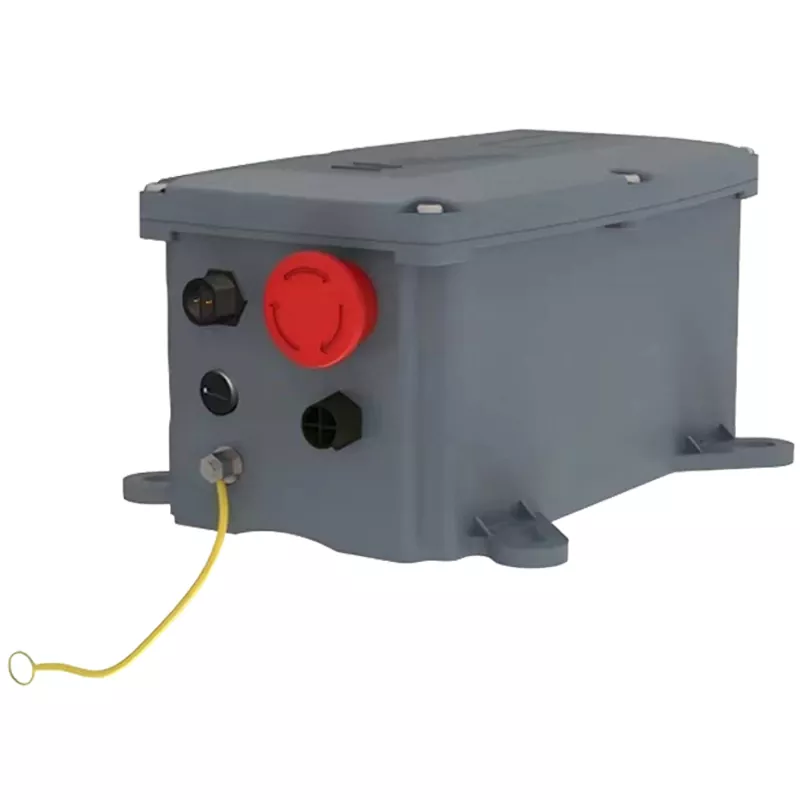
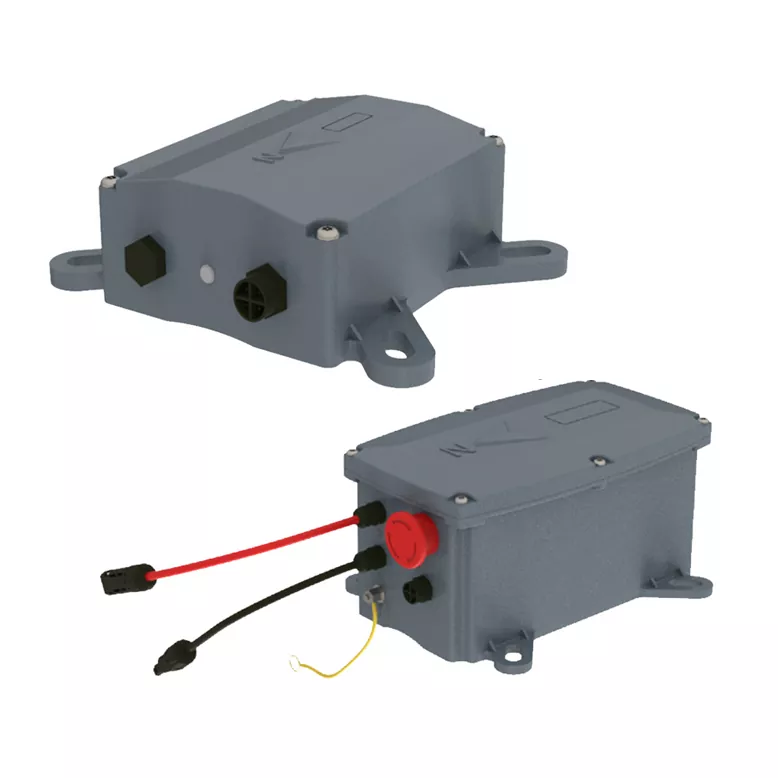
| Drive System | Moves multiple photovoltaic rows together | Provides stable and synchronized operation |
| Mechanical Structure | Supports solar modules and tracking movement | Ensures long-term reliability |
| Sensor System | Detects environmental and operational conditions | Enhances safety and adaptability |
Common Challenges Solved by Multi-Row PV Trackers
Solar developers often face several difficulties when designing and operating large photovoltaic installations. These challenges directly affect project profitability, maintenance costs, and long-term energy output.
1. Limited Energy Output from Fixed Solar Angles
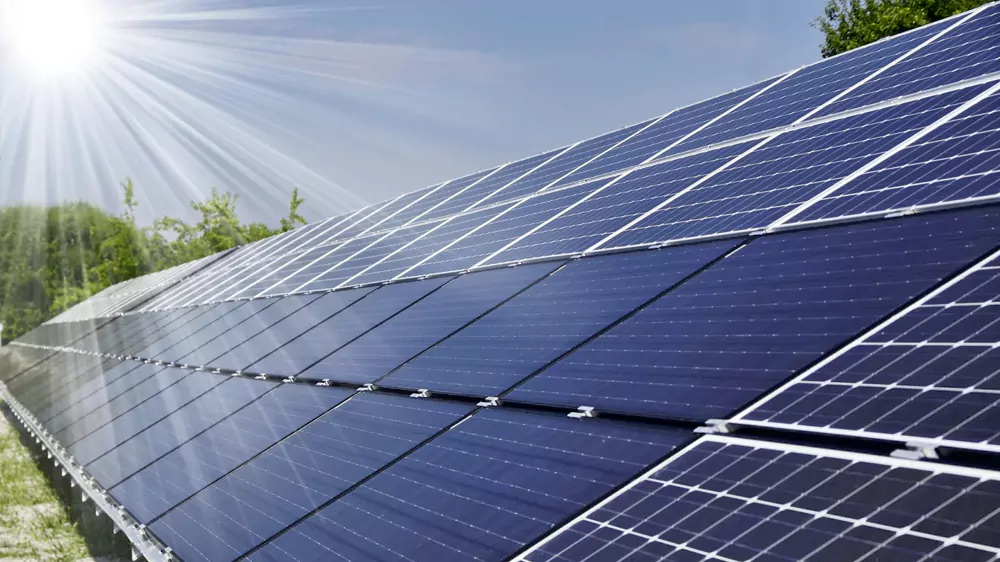
Traditional fixed mounting structures keep solar panels at one angle throughout the day. Although this approach is simple and reliable, it cannot continuously respond to changing sunlight conditions.
A Multi-Row PV Tracker solves this problem by adjusting module orientation automatically, allowing panels to capture more direct sunlight during different periods of the day.
2. Increasing Land Utilization Efficiency
Large-scale solar farms require effective land management. Poor system design can result in unnecessary spacing requirements and reduced power density.
Multi-row tracking solutions optimize array layout while maintaining sufficient movement space. This allows developers to achieve better electricity output from available land resources.
3. Reducing Operation and Maintenance Pressure
Solar farms often contain thousands of photovoltaic modules. Managing individual tracking units can increase complexity and maintenance requirements.
A multi-row configuration simplifies system management by coordinating several rows through centralized control. This improves operational efficiency and reduces potential maintenance workload.
Main Customer Pain Points Addressed
- Low power generation caused by fixed panel angles
- High maintenance costs in large solar installations
- Complex tracking management requirements
- Need for higher return on solar investment
- Demand for reliable operation in different climates
Key Advantages of Multi-Row PV Tracker Solutions
The growing adoption of Multi-Row PV Tracker systems is driven by their ability to combine energy efficiency, intelligent control, and improved project economics.
- Higher Energy Production: Dynamic solar tracking allows photovoltaic modules to receive more sunlight compared with stationary systems.
- Better System Coordination: Multiple PV rows operate together, creating smoother and more accurate tracking performance.
- Improved Project Economics: Increased electricity generation can improve the overall return on investment of solar projects.
- Enhanced Automation: Intelligent controllers reduce the need for frequent manual adjustments.
- Adaptability to Different Environments: Advanced designs can support various terrains, climates, and project requirements.
Multi-Row PV Tracker vs Traditional Fixed Solar Mounting Systems
Choosing the right solar mounting solution directly influences the long-term performance and profitability of a photovoltaic project. While fixed mounting systems remain popular because of their simple structure and lower initial investment, Multi-Row PV Tracker technology offers additional value through intelligent movement and improved solar utilization.
| Comparison Factor | Multi-Row PV Tracker | Fixed Solar Mounting System |
|---|---|---|
| Solar Panel Movement | Automatically adjusts panel angles according to sunlight conditions | Remains at a fixed angle after installation |
| Energy Yield | Higher electricity generation potential through optimized sunlight exposure | Limited by fixed installation angle |
| System Intelligence | Uses automated control and monitoring technology | Requires limited operational management |
| Project Efficiency | Suitable for large-scale solar farms seeking maximum output | Suitable for projects prioritizing simplicity |
| Long-Term Value | Can provide better investment returns through increased generation | Lower upfront cost but lower energy optimization capability |
For utility-scale photovoltaic projects where every additional kilowatt-hour matters, Multi-Row PV Tracker systems provide a more advanced approach. They help project owners move from simple solar installation toward intelligent energy management.
Important Factors When Selecting a Multi-Row PV Tracker
Selecting an appropriate tracking system requires careful evaluation of technical performance, environmental conditions, and project goals. A reliable Multi-Row PV Tracker should not only increase energy production but also maintain stable operation throughout its service life.
-
Structural Strength and Durability:
Solar trackers operate outdoors for many years and must withstand wind, rain, temperature changes, and other environmental factors. High-quality materials and precise manufacturing are essential for long-term reliability.
-
Tracking Accuracy:
The ability to maintain the correct solar angle directly affects energy generation. Advanced control algorithms and accurate positioning systems help improve overall performance.
-
Control System Compatibility:
Modern solar projects require integration with monitoring platforms and energy management systems. A flexible control architecture improves operational convenience.
-
Installation Efficiency:
Large photovoltaic projects often involve tight construction schedules. A well-designed tracking system can reduce installation complexity and improve project execution efficiency.
-
After-Sales Technical Support:
Professional technical assistance helps ensure smooth operation and quick solutions when maintenance requirements occur.
Applications and Future Development Trends
Multi-Row PV Tracker technology is increasingly used in large-scale solar power applications where improving energy output and operational efficiency are key priorities. Its flexible design allows it to support various photovoltaic project environments.
| Application Area | How Multi-Row PV Tracker Helps |
|---|---|
| Utility-Scale Solar Farms | Improves electricity production across large photovoltaic fields |
| Commercial Solar Projects | Supports better energy performance for industrial facilities |
| Remote Solar Power Stations | Provides automated operation with reduced manual intervention |
| Renewable Energy Expansion Projects | Enhances land and resource utilization efficiency |
As renewable energy technology continues to develop, solar tracking systems are expected to become more intelligent, efficient, and integrated. Future Multi-Row PV Tracker solutions may include advanced monitoring systems, artificial intelligence-based optimization, and improved predictive maintenance capabilities.
These developments will help solar operators achieve higher reliability while reducing unnecessary operational costs.
Why Professional Manufacturing Matters for Multi-Row PV Tracker Systems
The performance of a solar tracker depends not only on the design concept but also on manufacturing precision, automation technology, and quality control processes. A professionally engineered system ensures that mechanical structures, electrical components, and control systems work together effectively.
Suzhou Ruitai Automation Technology Co., Ltd. provides automation-focused solutions designed to support efficient and reliable industrial applications. With expertise in intelligent control technologies and precision engineering, the company contributes to the development of advanced solar tracking solutions that meet the evolving needs of renewable energy projects.
From system design optimization to production reliability, professional technical capabilities help customers build solar projects with stronger performance and long-term operational stability.
Frequently Asked Questions
What is a Multi-Row PV Tracker?
A Multi-Row PV Tracker is an automated solar tracking system that controls multiple photovoltaic panel rows together. It adjusts panel angles according to the sun’s position to improve sunlight absorption and increase solar energy generation.
How much energy can a Multi-Row PV Tracker increase?
The actual energy improvement depends on factors such as geographic location, weather conditions, system design, and project configuration. However, tracking systems generally provide higher energy output compared with fixed-angle solar mounting solutions because they maintain better sunlight alignment.
Is a Multi-Row PV Tracker suitable for large solar farms?
Yes. Multi-row tracking systems are especially suitable for utility-scale solar projects because they can manage multiple photovoltaic rows efficiently while reducing operational complexity.
What maintenance does a Multi-Row PV Tracker require?
Maintenance requirements usually include checking mechanical components, drive systems, electrical connections, and control systems. Regular inspections help maintain reliable performance throughout the system lifecycle.
Why choose a professional Multi-Row PV Tracker manufacturer?
A professional manufacturer can provide better engineering support, reliable production quality, and customized solutions based on project requirements. This helps ensure stable operation and improved investment value.
Conclusion: Building More Efficient Solar Projects with Multi-Row PV Tracker Technology
The demand for higher solar energy efficiency continues to grow as renewable energy becomes an essential part of global power development. Multi-Row PV Tracker technology provides an effective solution by combining intelligent control, coordinated movement, and optimized solar positioning.
Compared with traditional fixed mounting structures, advanced tracking systems help solar projects capture more sunlight, improve electricity generation, and achieve stronger long-term economic performance. For developers looking to maximize photovoltaic system value, selecting a reliable and professionally designed Multi-Row PV Tracker is an important step toward future-ready solar energy solutions.
Suzhou Ruitai Automation Technology Co., Ltd. is committed to delivering innovative automation technologies and reliable solutions for modern industrial applications. With professional expertise and customer-focused service, the company supports partners in achieving efficient and sustainable energy development.
Contact Us
Looking for a reliable Multi-Row PV Tracker solution for your solar project? Suzhou Ruitai Automation Technology Co., Ltd. can provide professional technical support, customized solutions, and advanced automation expertise to help improve your photovoltaic system performance.
Contact us today to discuss your project requirements and discover how our innovative solutions can support your renewable energy goals.
Related News
- How Can a Dual-Axis Solar Tracking System Improve PV Efficiency?
- What Is a Solar Control Communication Cabinet for Smarter PV Tracking?
- How Does an Intelligent PV Tracker Improve Solar Power Generation?
- How Does a Multi-Row Multi-Drive Solar Tracker Improve Large-Scale Solar Performance?
- How Does a Single-Axis PV Tracker Improve Solar Energy Performance?
- How Does a PV Module Tracking Controller Improve Solar Tracking Performance?
Leave me a message