Intelligent and Sub-Controller Multi-Row Solar Tracker
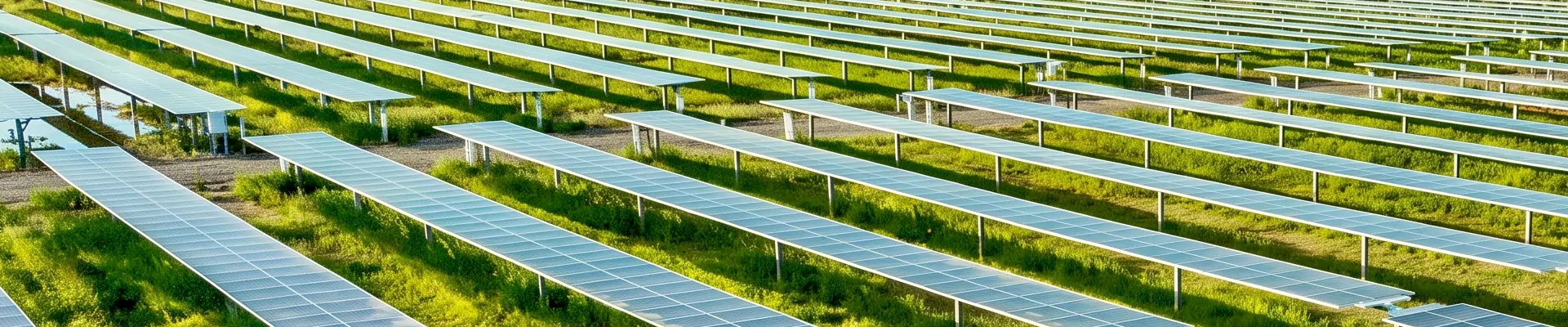
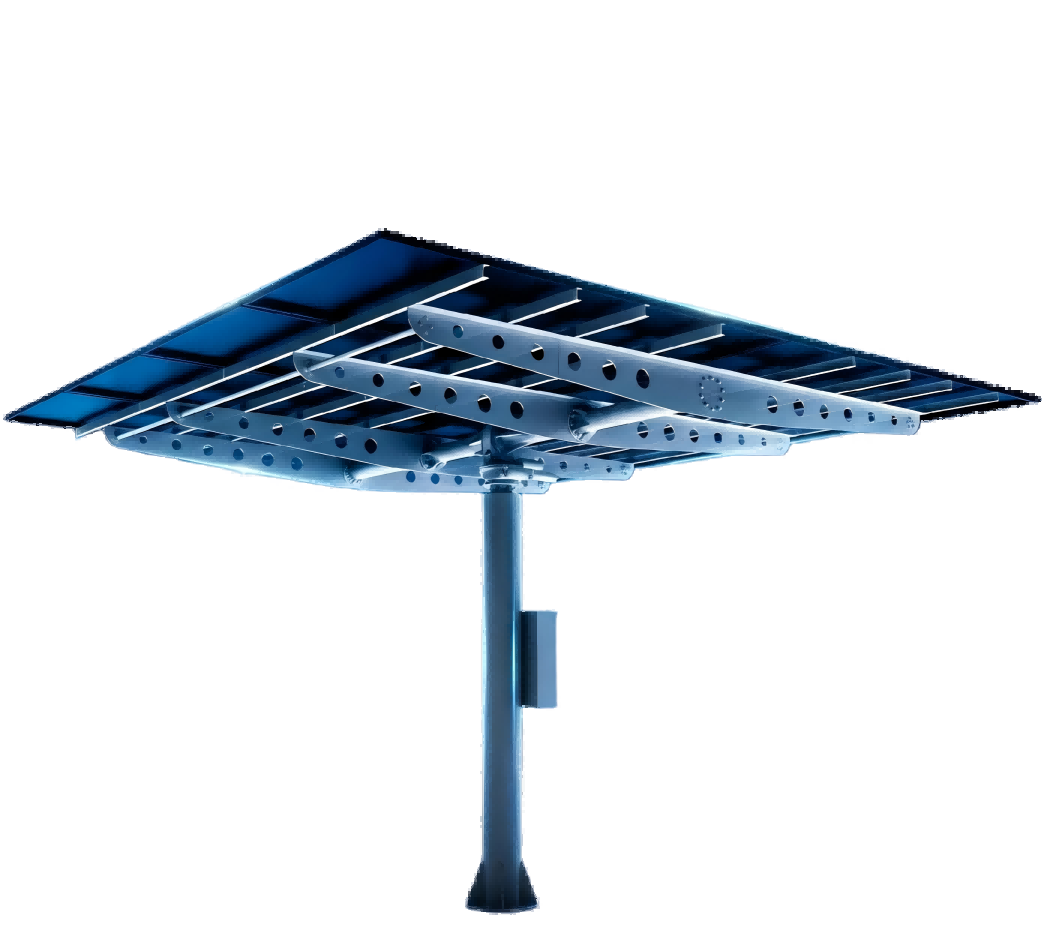
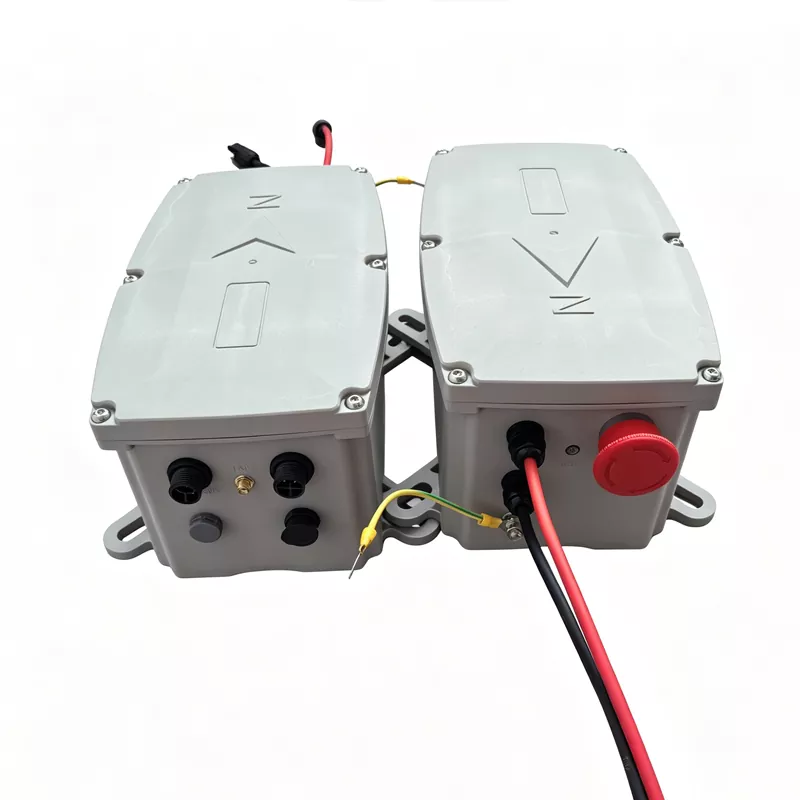
As a reliable supplier, Ruitai's intelligent and sub-controller multi-row solar tracker system follows the sun’s movement throughout the day, allowing PV plants to increase energy generation by 15% to 30%. In addition, the TCU also supports remote optimization through neural network algorithms, helping the tracker system operate more intelligently and further improving overall power generation efficiency.
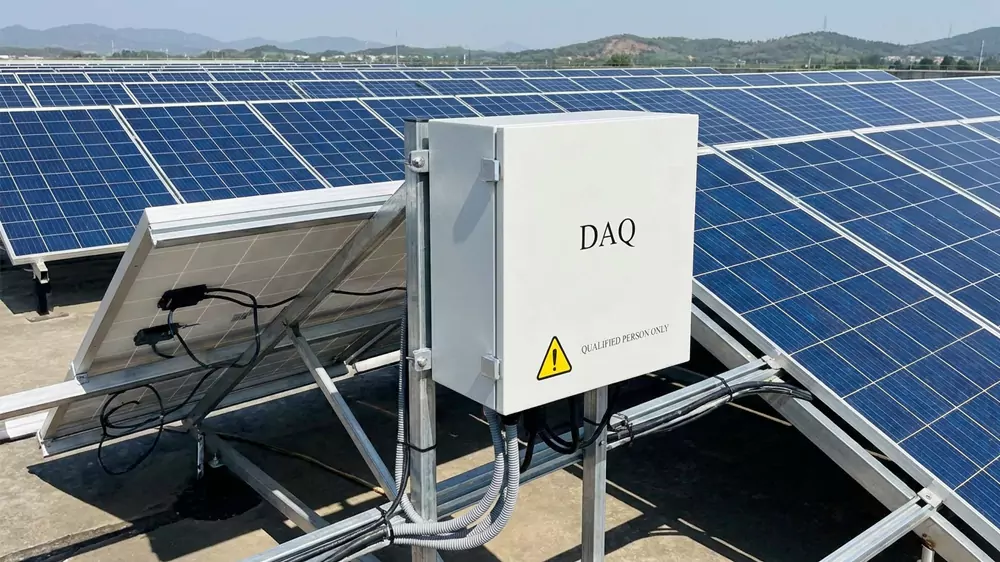
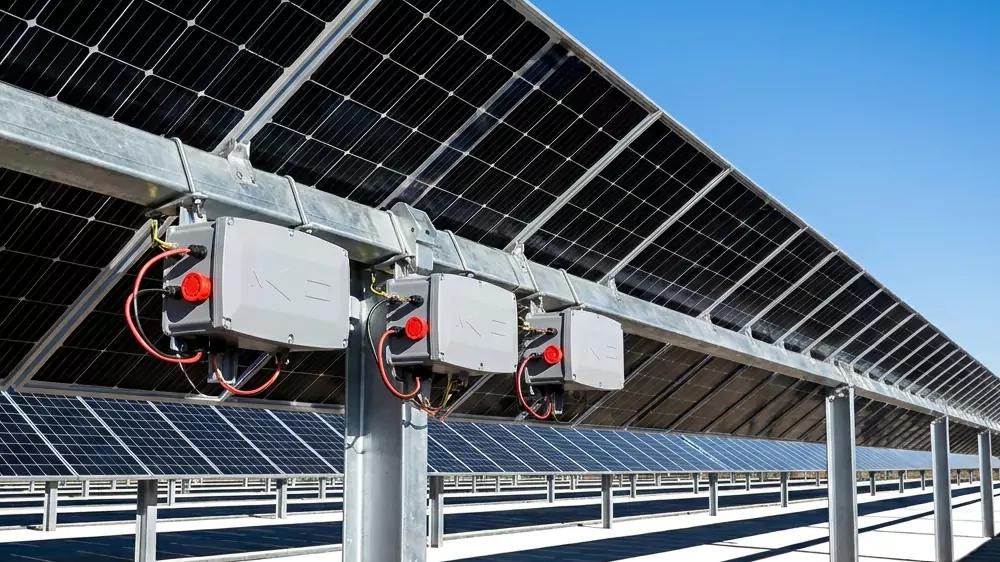
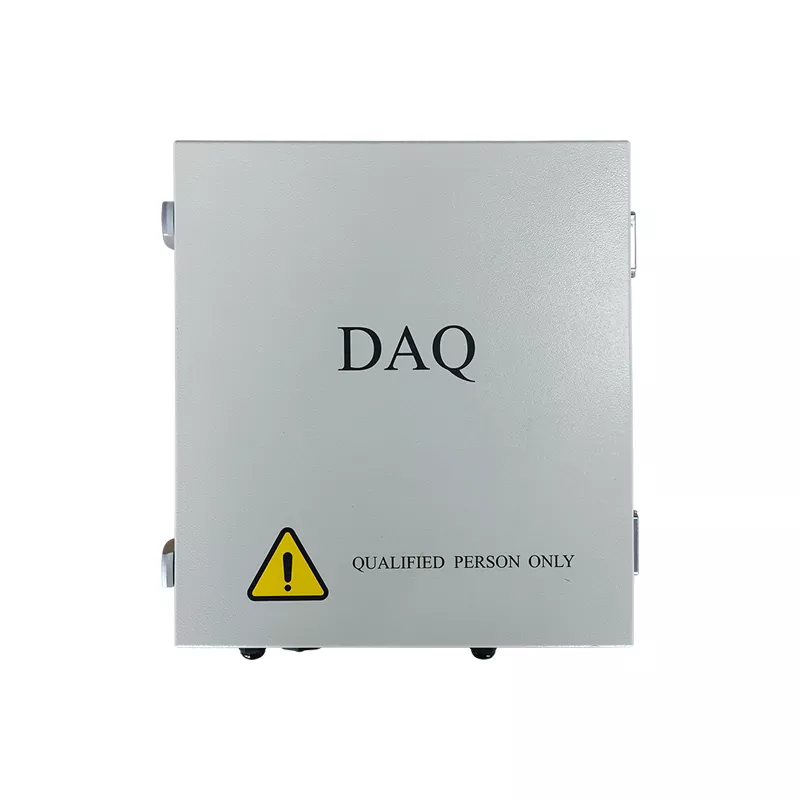
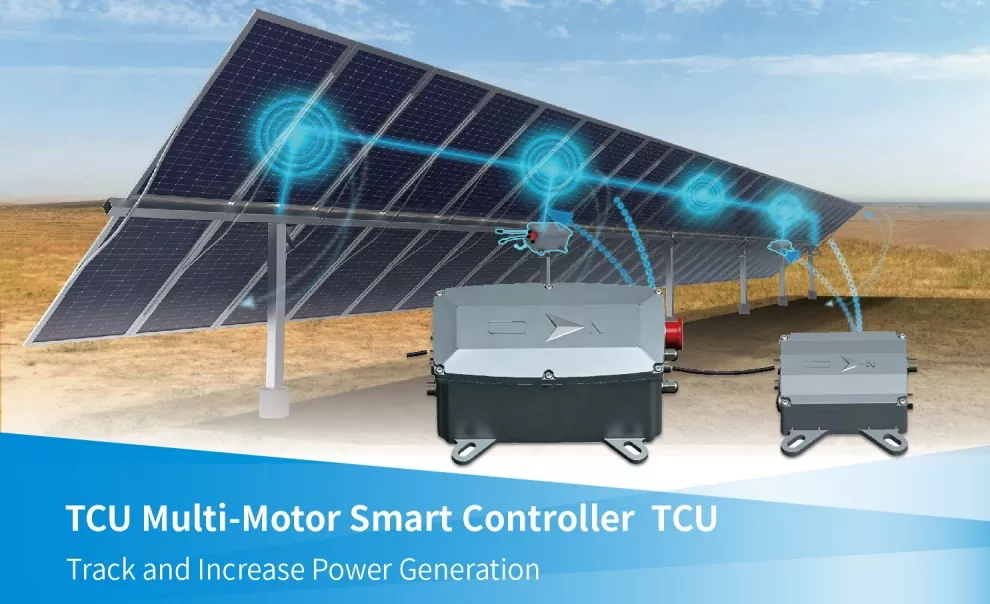
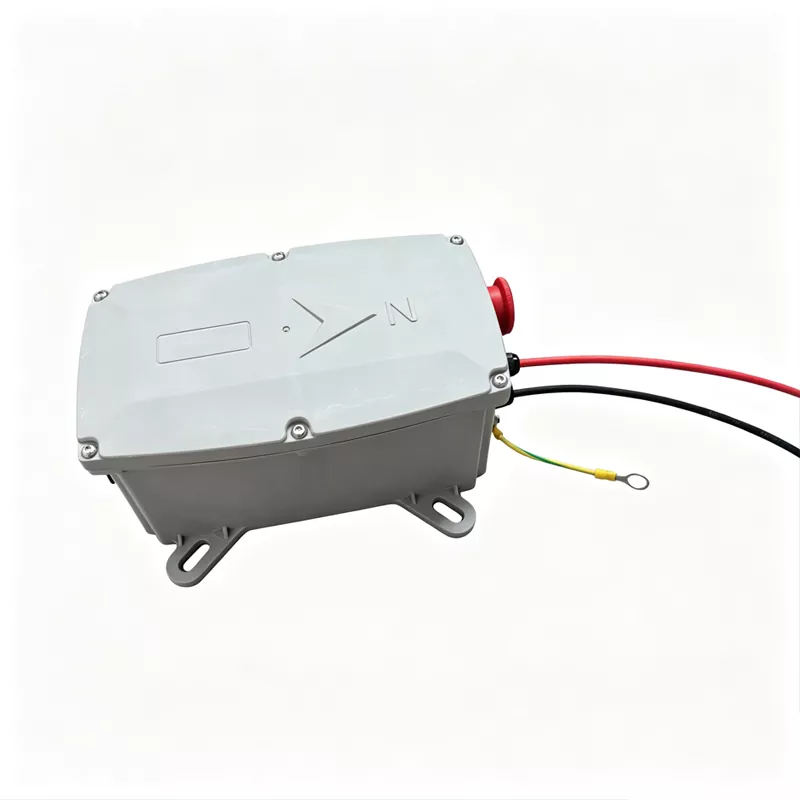
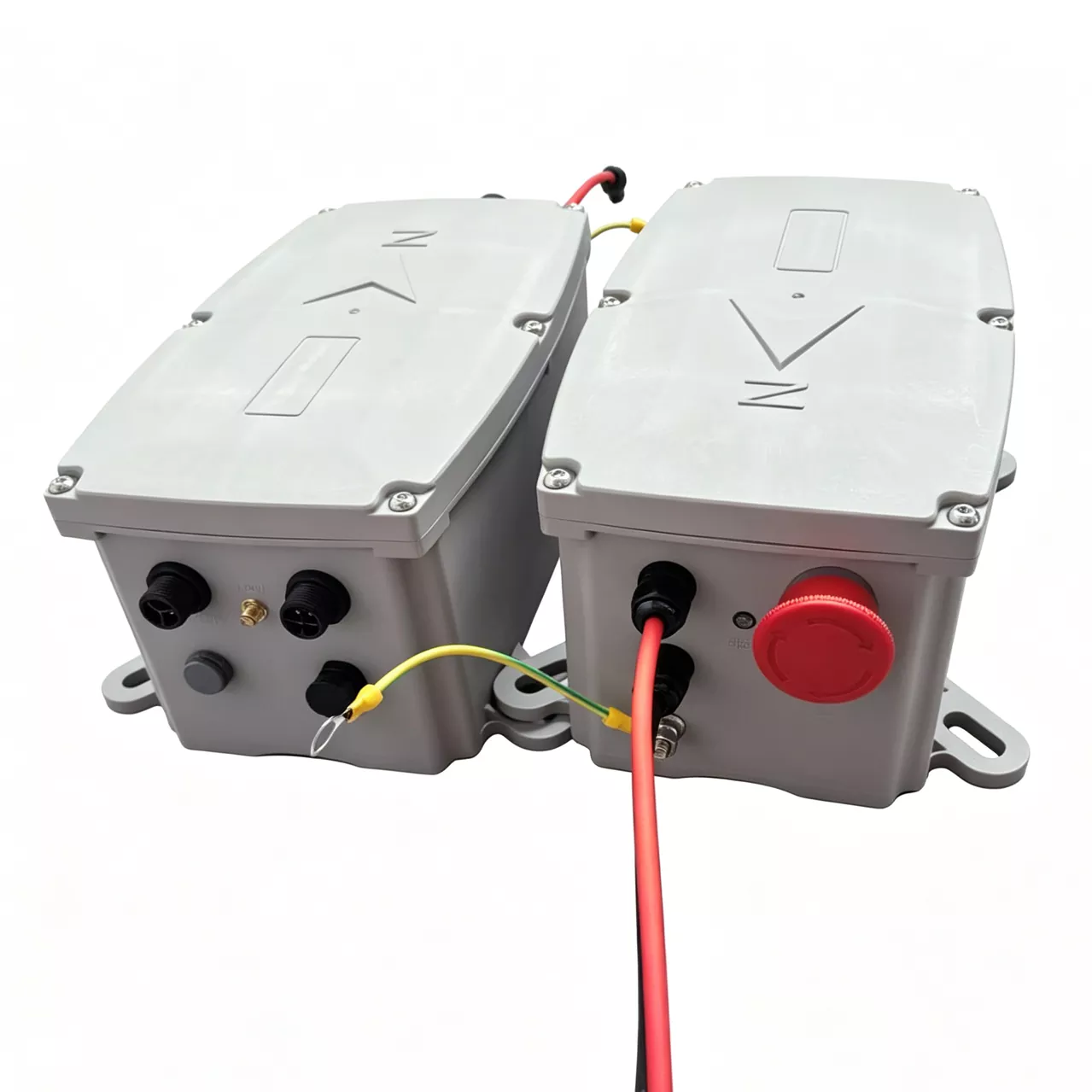
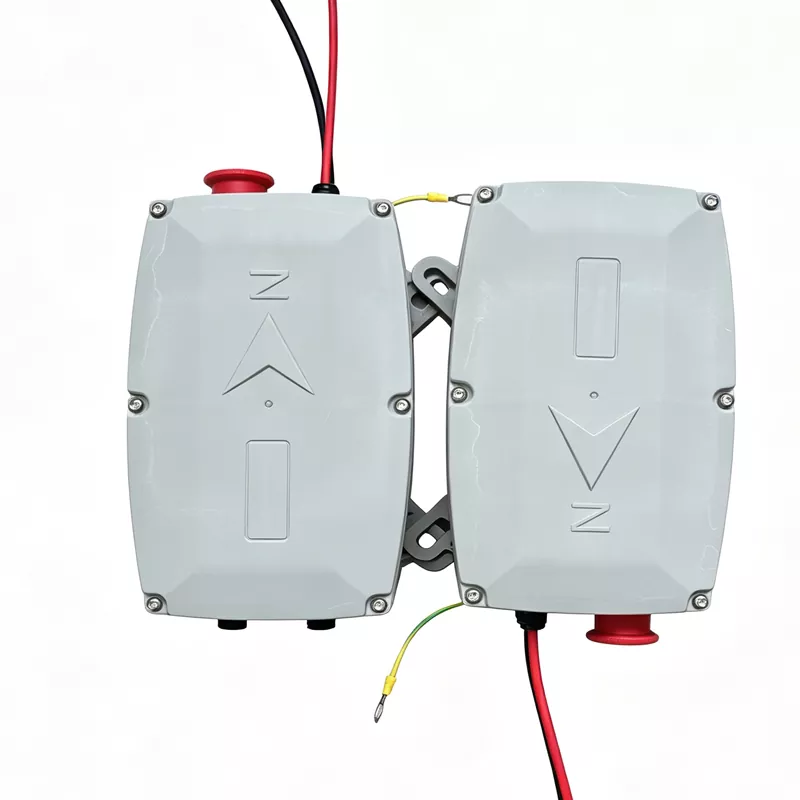
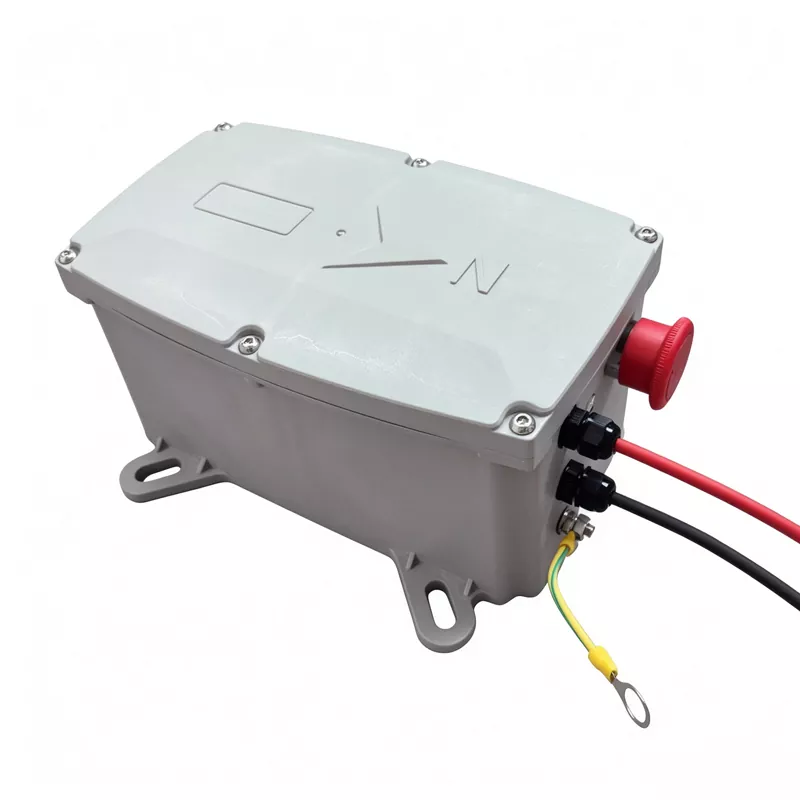
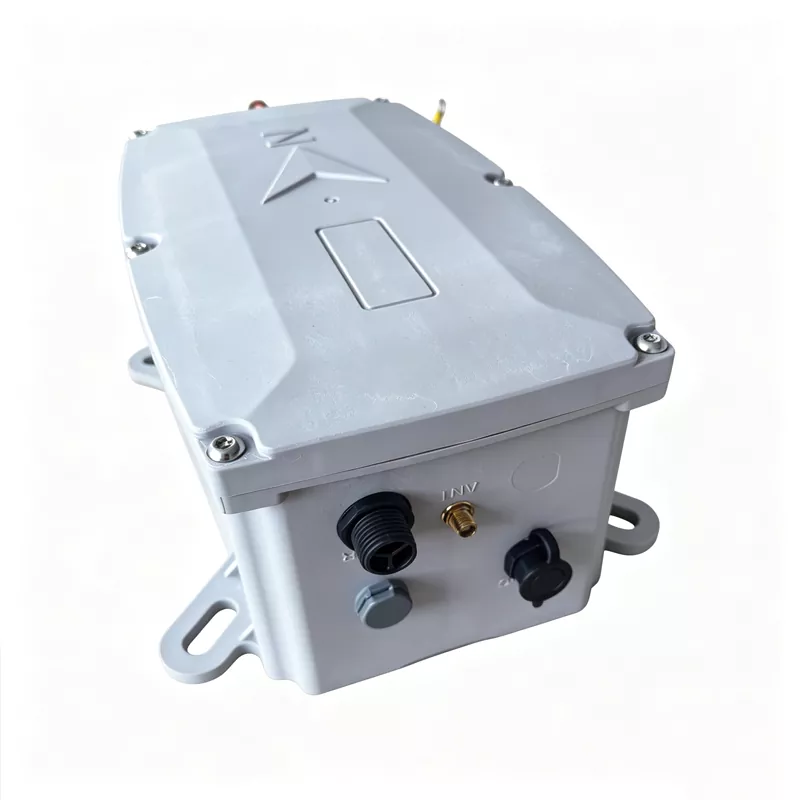
Ruitai has its own factory to manufacture high quality Intelligent and Sub-Controller Multi-Row Solar Tracker. This TCU system serves as the intelligent core of the solar power plant.
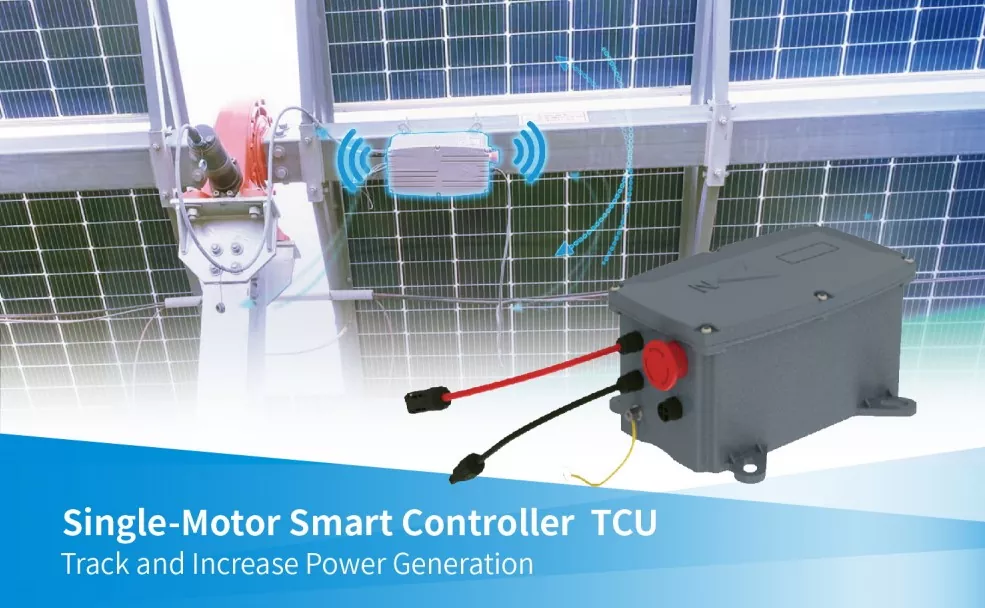
It precisely controls the motor to adjust the angle of the PV panels in real time, allowing the system to dynamically follow the sun's movement throughout the day and capture more solar energy.
The system is further enhanced by its built-in neural network algorithm, which enables cloud-based remote learning and continuous optimization.
As sunlight conditions and site environments change, the TCU can adjust and improve its tracking strategy over time, helping the PV plant generate energy more efficiently.
Product Technical Features
1. Hardware and Software Integration
The intelligent and sub-controller multi-row solar tracker supports both AC and DC power supply and is equipped with a high-capacity backup lithium battery, ensuring stable core control even at night or under harsh weather conditions.
With advanced intelligent tracking algorithms and high-precision 3D modeling technology, the system can effectively reduce shadow losses caused by complex terrain and improve overall energy generation.
Together with Ruitai's supporting mobile app and SCADA platform, the system enables full-process digital management, from fast installation to remote operation and maintenance.
2. Safety Protection Mechanism
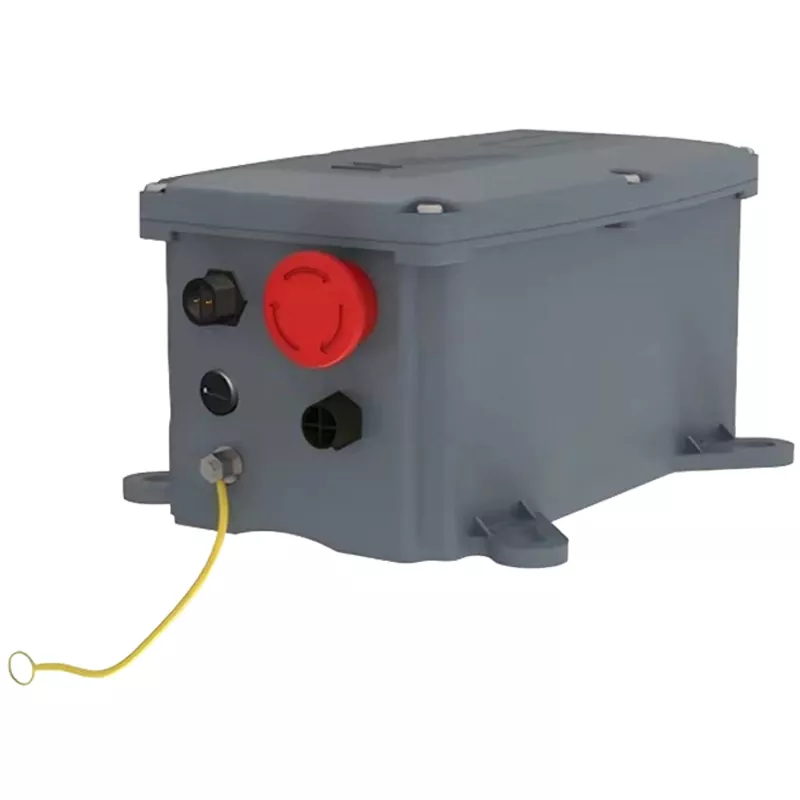
Under harsh wind conditions, the system uses our TCU and NCU can automatically adjust the PV panels to a safe parallel position, reducing wind load and protecting the tracker structure.
In specific situations, it can also identify independent tracker rows that are not affected by wind, allowing them to continue generating power safely.
Each NCU can also function as a micro weather station, enabling graded protection and fault-tolerance responses during extreme weather such as strong winds, heavy snow, and flooding.
The system is designed with high- and low-voltage separation, built-in electrical protection, and dual-layer software and hardware encryption, helping ensure the safety of personnel, equipment, and data.
System Parameters
|
Product Model |
RT-TK-SV1 |
Compatible Motor Power |
≤150W (Customizable) |
|
Control Mount Type |
Single-axis Horizontal Mount / Single-axis Tilted Mount |
System Daily Power Consumption |
≤0.2kWh |
|
Compatible Drive System |
Slewing Gearbox / Electric Actuator |
Control Method |
Astronomical Algorithm + Angle Feedback |
|
Compatible Motor Type |
Brushed Motor / Brushless Motor |
||
Mechanical Parameters
|
Dimensions |
170*190*60mm |
|
Housing Material |
PC+UV |
|
Waterproof Rating |
IP65 |
Electrical Parameters
|
Power Supply |
24VDC |
Protection Wind Speed |
10~20m/s (Adjustable) |
|
Output Voltage |
24VDC |
Communication Method |
Lora / Zigbee / RS485 |
|
High Wind Protection |
Yes |
Tracking Angle Range |
±60° (Adjustable) |
|
Nighttime Reset Protection |
Yes |
AI Control Mode |
Optional |
|
Rotation Protection |
Yes (Limit Switch, Overcurrent, Undervoltage) |
Network Backend |
Optional |
|
Anti-shading Tracking |
Yes |
Operating Temperature |
-40~65℃ |
TCU Installation Guide
1. Mechanical Installation
● Mount the bracket: Install the mounting bracket or equipment enclosure at the designated location. Ensure secure mounting to prevent loosening due to vibration and allow sufficient space for maintenance.
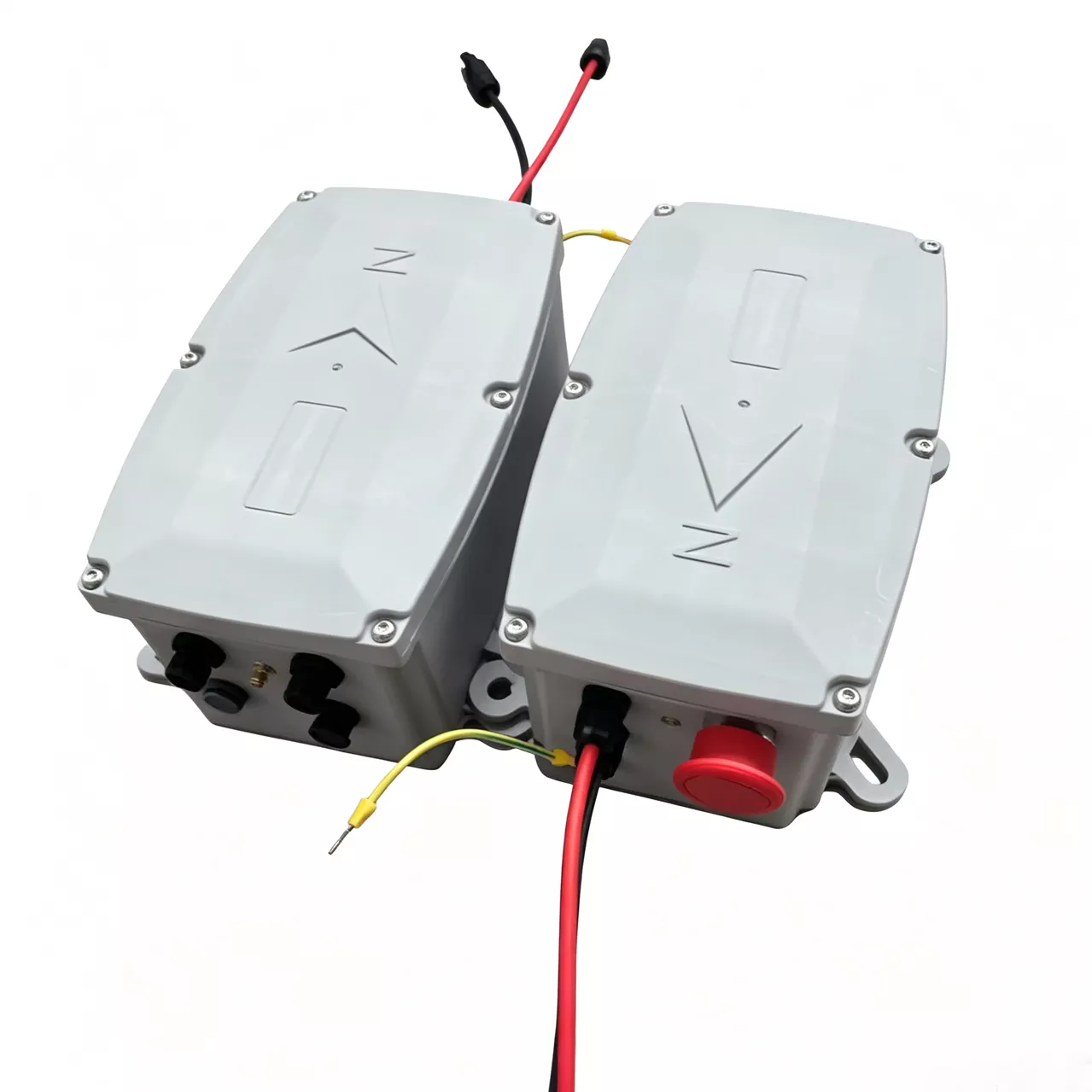
● Install the TCU: Secure the TCU (Intelligent Sub-Controller for Multi-Row Solar Trackers) in the correct orientation using the provided mounting screws.
2. Electrical Connections
● Power supply: Connect the DC power input and protective earth (PE). Ensure correct polarity (avoid reversing positive and negative terminals) and verify that terminal connections are secure.
● Motor connection: TCU → Motor Driver → Drive Motor → Tracker Rotation
● Sensor connection: Connect tilt sensors, position sensors, and wind speed sensors according to project specifications.
3. Communication Connections
● Standard architecture: Solar Tracker → TCU → NCU → SCADA System
● Communication interfaces include:
RS485: Common field communication method
CAN Bus: Internal control device communication
Ethernet: High-speed data transmission
Wireless communication: For specialized project applications
4. Parameter Configuration and Commissioning
● Set basic parameters: Project latitude/longitude, time settings, tracking mode, and limit angles.
● Motor operation test: Test forward and reverse operation and maximum/minimum angles; verify correct direction of tracker movement.
● Angle calibration: Align the actual angle with the system-reported angle using position feedback and tilt sensor data.
● Communication test: Verify communication between the TCU and NCU, including data upload, status feedback, and alarm notifications.
Wired vs. Wireless: Comparison of TCU Communication Methods
|
Comparison Criteria |
RS485 Wired |
Wireless (ZigBee/LoRa) |
|
Communication reliability |
High; strong anti-interference capability |
Moderate; affected by terrain, obstructions, and weather |
|
Cabling cost |
High (requires laying communication cables) |
Low (no communication cables required) |
|
Transmission distance |
≤ 1200m |
ZigBee ≤ 100m (requires networking), LoRa ≤ 3km |
|
Real-time performance |
High (polling cycle ≤ 1s) |
Moderate (polling cycle: 2–5s) |
|
Maintenance difficulty |
Low (line faults are easy to locate) |
High (wireless interference is difficult to troubleshoot) |
|
Applicable scenarios |
Medium-to-large ground-mounted power plants (mainstream) |
Mountainous power plants with complex terrain and cabling challenges |
Ruitai’s intelligent multi-row solar tracker with sub-controllers supports various communication methods. We recommend the following:
For solar plants on flat terrain, prioritize the RS485 wired solution; for challenging deployment environments—such as mountainous or floating sites—wireless solutions may be considered, provided that signal coverage testing is thoroughly conducted.
Product Type
To meet different project requirements, Ruitai provides a flexible product matrix for various tracker system configurations.
For single-row, single-drive applications, we offer two models: the DC-powered RT-TK-SP-V1 and the AC-powered RT-TK-EP-V1.
Both are designed to work with 300W motors and provide stable control for standard tracker rows.
For large-scale arrays with multiple rows and multiple drives, we provide a combined solution using a main controller and sub-controllers. This configuration supports motors of up to 150W and is suitable for more complex project layouts.
Whether the system uses string DC input or AC grid connection, Ruitai's control solution can be flexibly adapted to different site conditions and project needs.
Certifications and Quality Assurance
Our intelligent and sub-controller multi-row solar trackers strictly comply with leading international and domestic standards. They have obtained ISO 9001 quality management system certification, CE safety certification, and safety standard inspection from HTW, an international testing and inspection organization.
In addition, the system software has also received a Computer Software Copyright Registration Certificate by the National Copyright Administration of the People's Republic of China.
Choosing Ruitai TCU products means choosing a compliant, reliable, and efficient control solution for the future of solar power generation.
Send Inquiry
Contact Info
-
Address
Building 10, Jiangsu Hainde High tech Industrial Park, No. 70 Yaofeng West Road, Mudu Town, Wuzhong District, Suzhou City, Jiangsu Province, China
-
Tel
-
Email
Send Us Your Project Details
Get a Tailored Quote Within 24 Hours
- ● Factory-Direct Pricing: No middlemen—you get competitive costs straight from our Suzhou plant.
- ● Fast Response: Our technical team replies within 24 hours with initial recommendations.
- ● Custom Solutions: We tailor TCU strategies, communication setups, and SCADA dashboards to your needs.
- ● Global Support: From commissioning to after-sales, our engineers are ready to assist worldwide.
News Recommendations