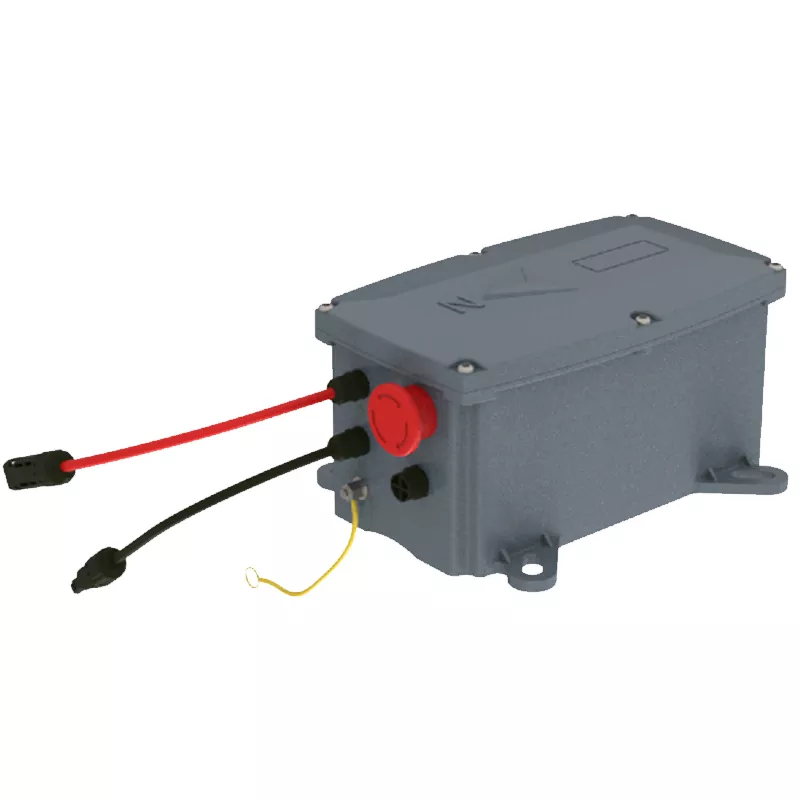
Multi-Row PV Tracker
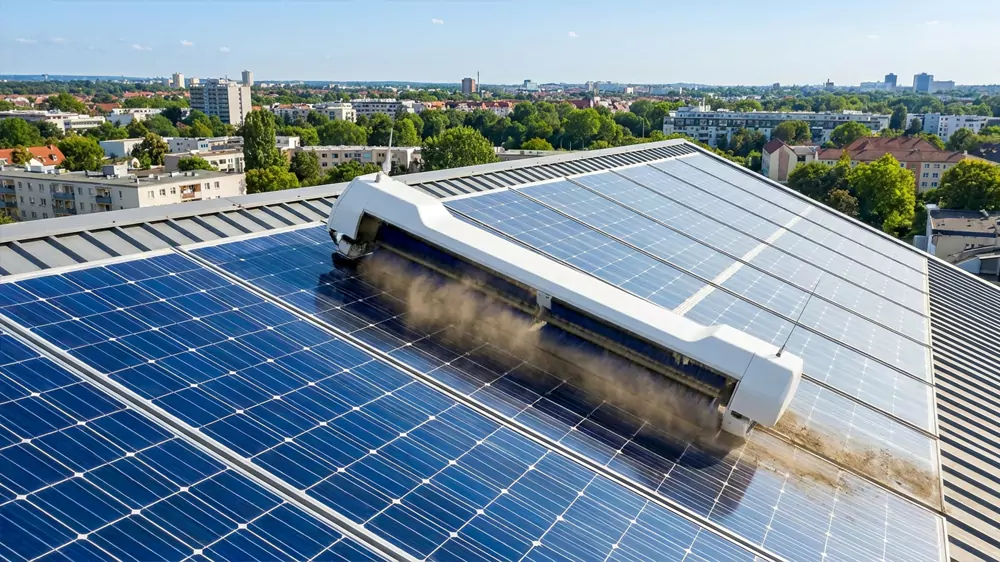
Ruitai is a factory that can offer advanced Multi-Row PV Tracker, which combines a high-strength hardware structure with multiple intelligent protection mechanisms, suitable for extreme weather conditions. It not only tracks the sun’s movement with high accuracy but also responds proactively during harsh weather to provide comprehensive protection for PV modules. This helps ensure safe, efficient, and stable power plant operation throughout its full lifecycle.
Get a customized solution from Ruitai, a professional manufacturer in China that can offer a multi-row PV tracker. This product is a major upgrade from traditional fixed PV mounting systems.
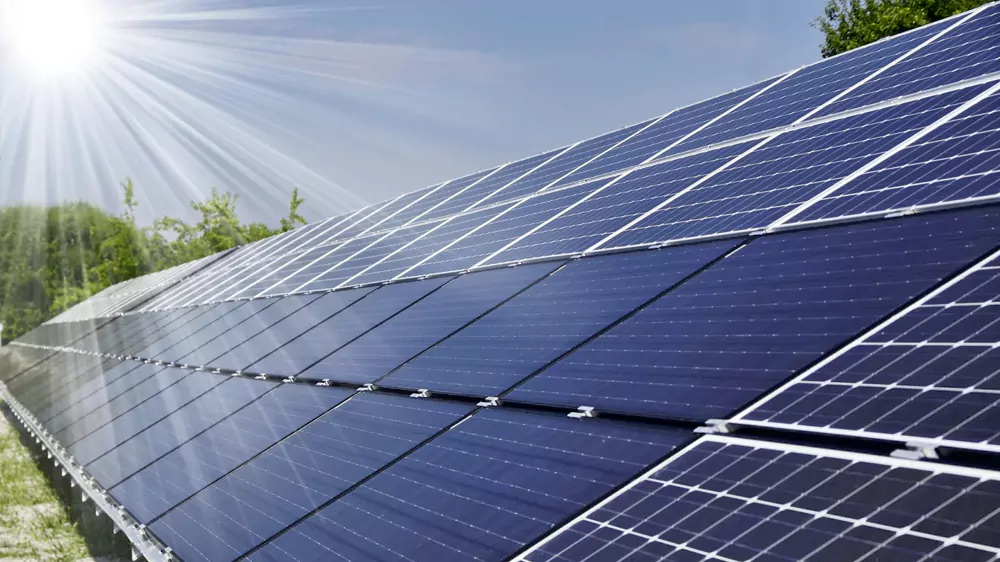
Like a sunflower, it uses precise mechanical design and advanced intelligent algorithms to dynamically adjust the angle of PV panels, helping them maintain the optimal position toward sunlight.
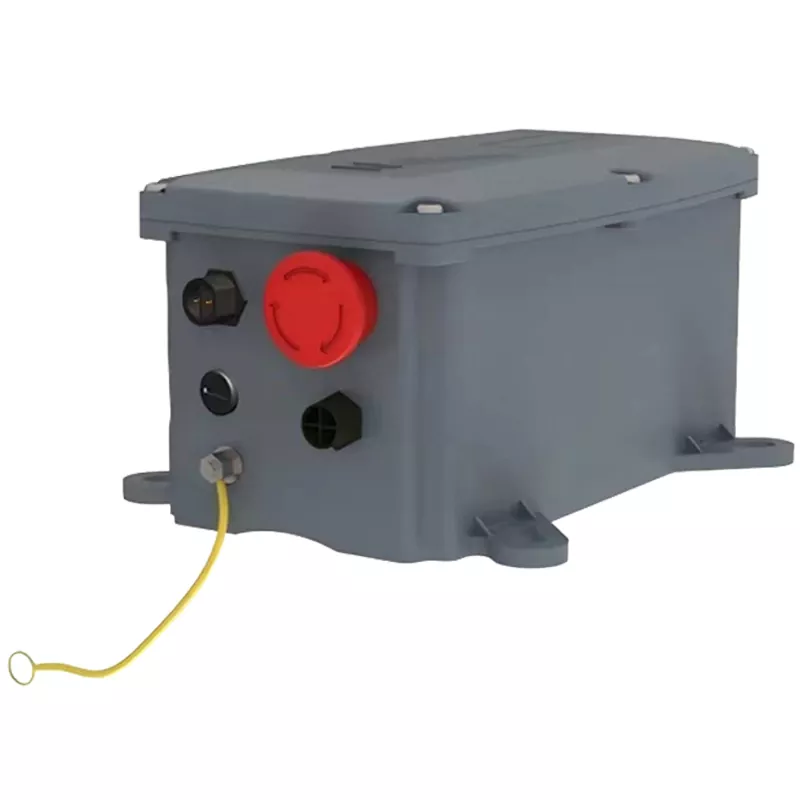
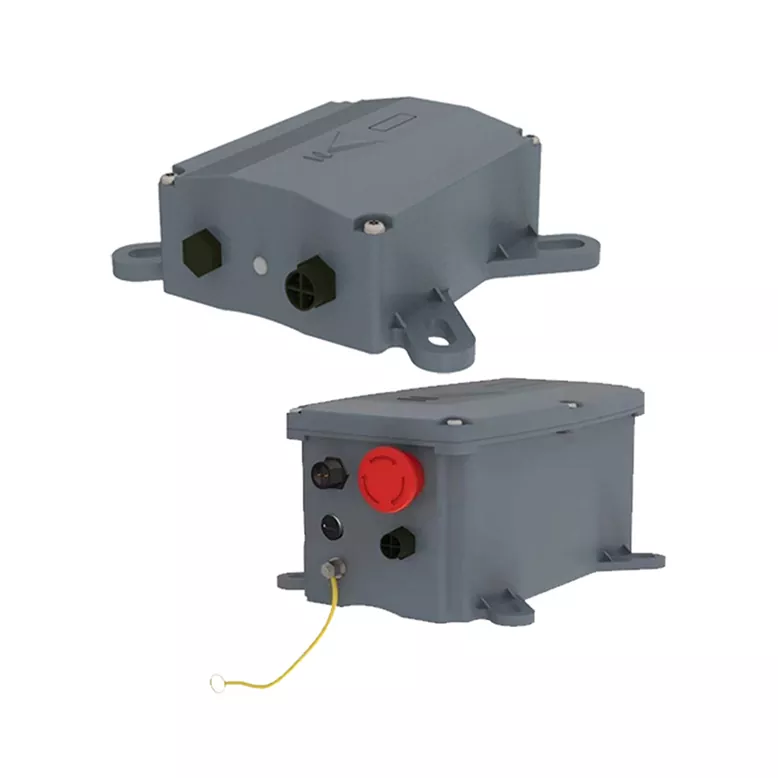
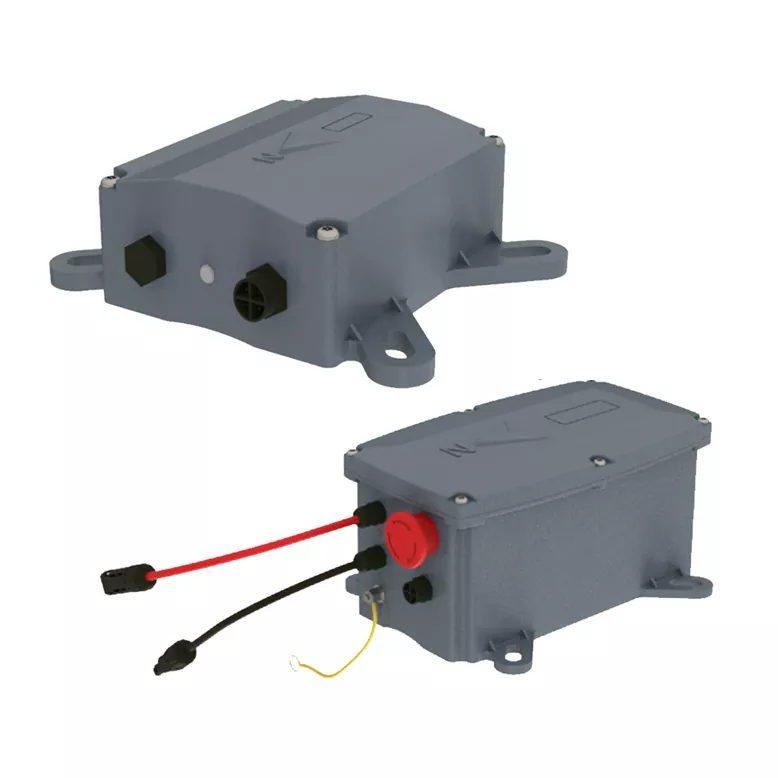
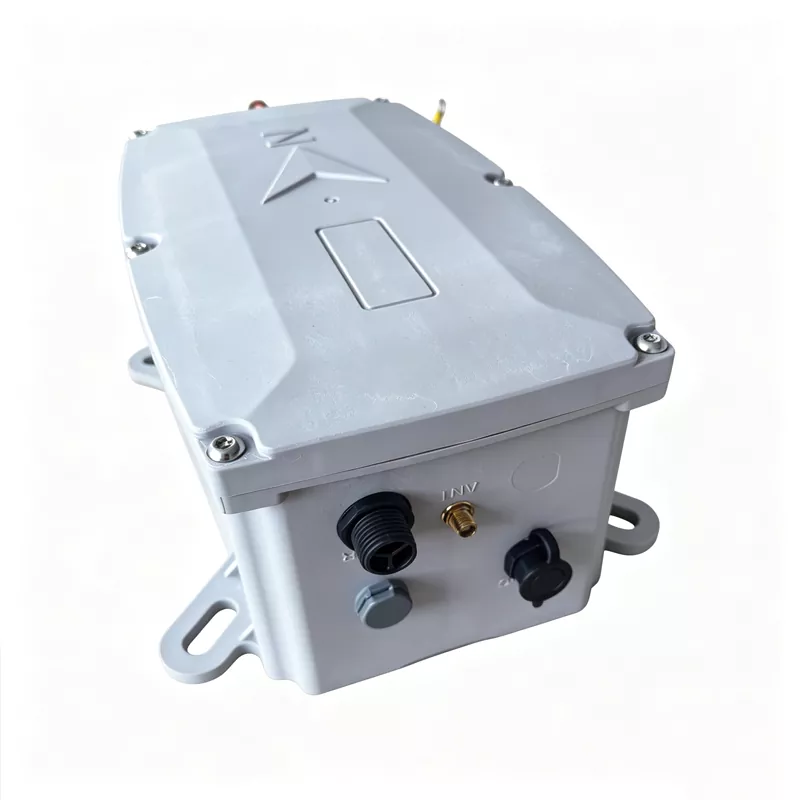
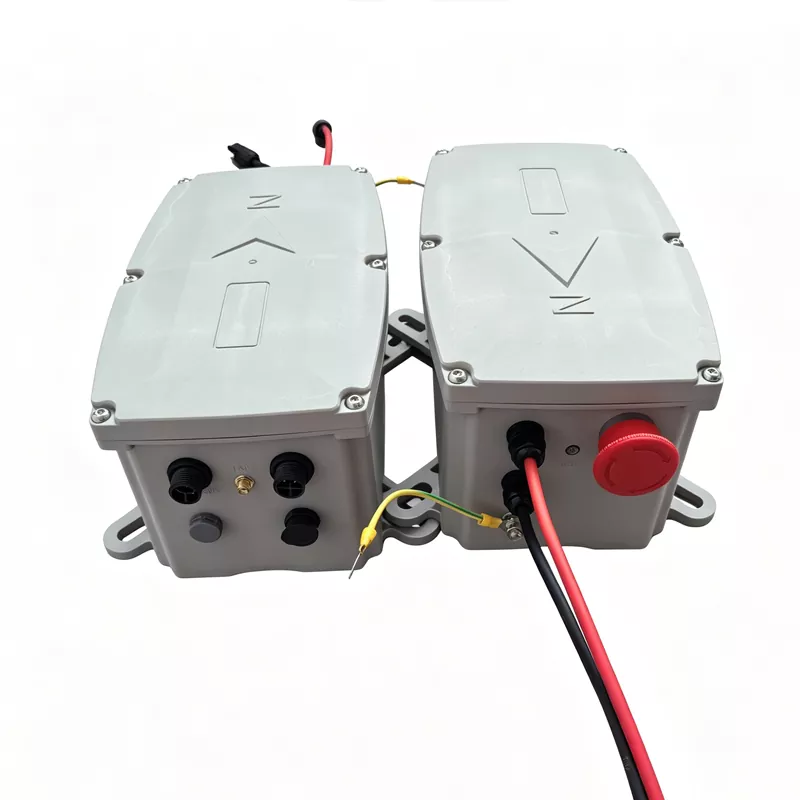
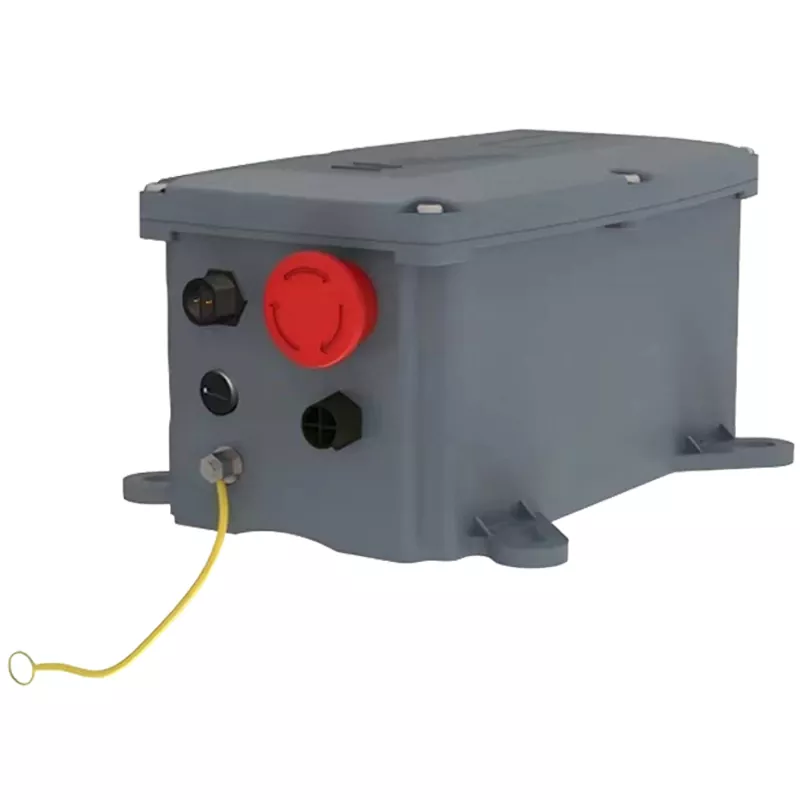
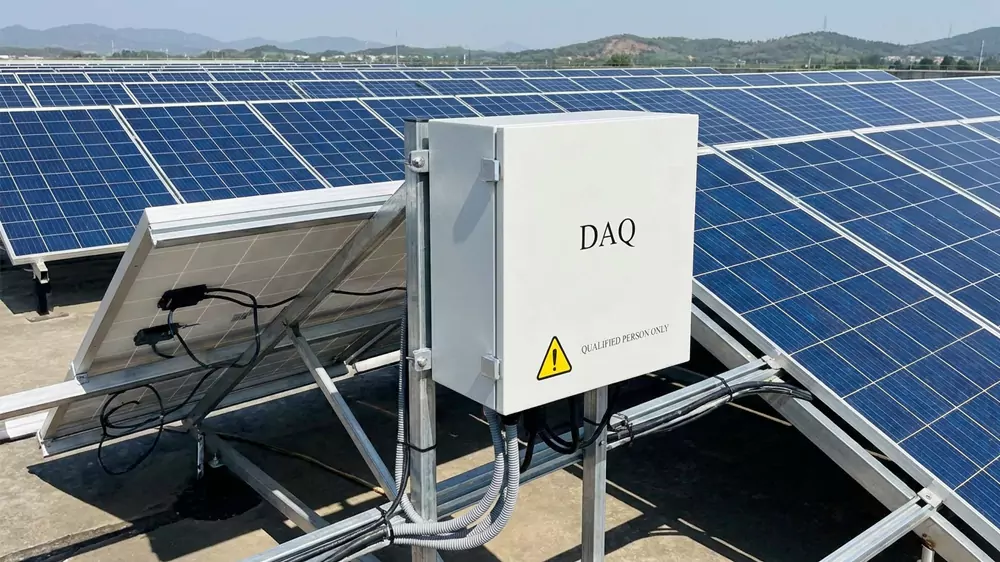
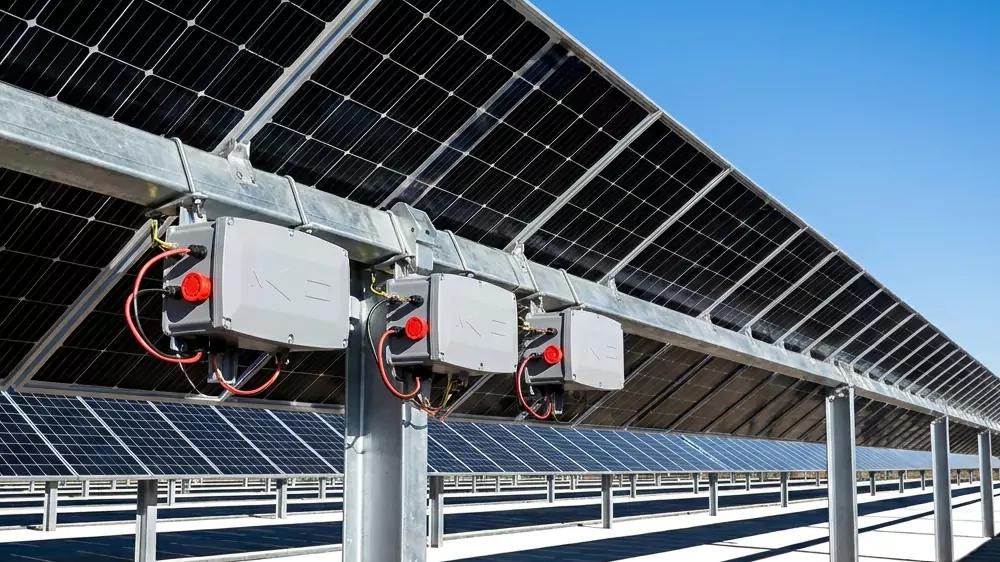
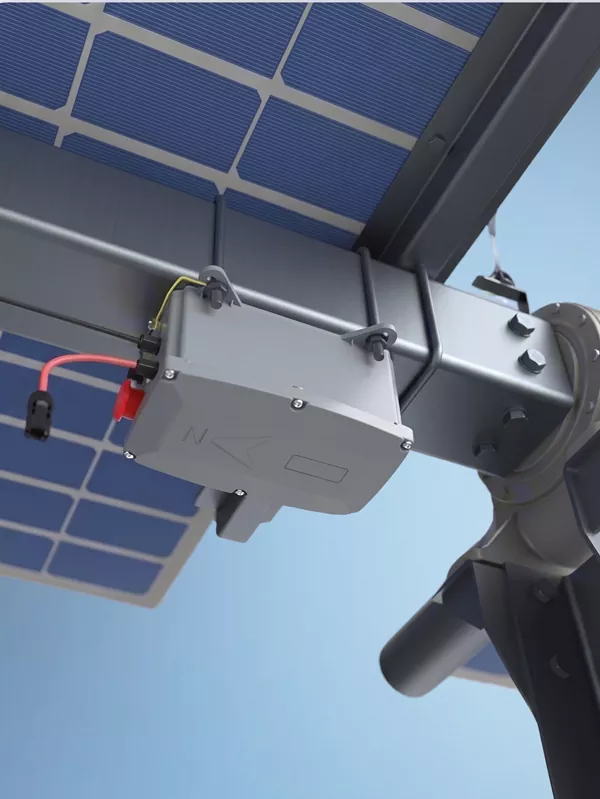
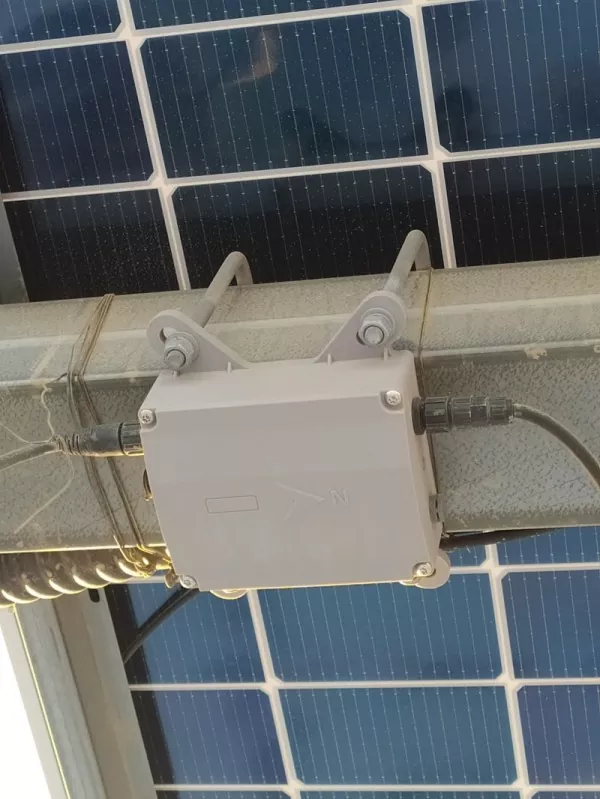
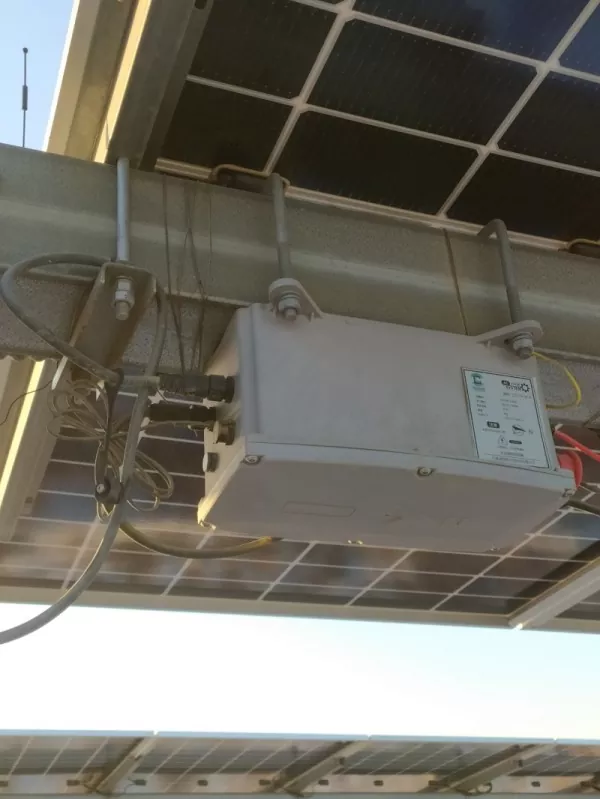
As the smart brain of a PV power plant, the TCU enables the system to move from passive response to proactive prediction.
With AI prediction algorithms, it optimizes performance across complex weather, time-of-use electricity pricing, and terrain conditions, delivering significant power generation gains and economic benefits for PV power plants.
Multi-Row PV Tracker vs. Single-Row PV Tracker
|
Comparison Criteria |
Single-Row PV Tracker |
Multi-Row PV Tracker |
|
Number of controlled axes |
1 axis of rotation |
2 axes of rotation (azimuth + elevation) |
|
Tracking method |
Continuously adjusts component angle in a single direction |
Simultaneous adjustment of horizontal and vertical angles for omnidirectional tracking |
|
Control complexity |
Lower |
Relatively high |
|
Drive control |
Controls a single drive motor or single-axis actuator |
Simultaneous control of two drive mechanisms |
|
Suitable power plant scale |
Large-scale centralized PV power plants |
Scientific research projects, small-scale high-efficiency power generation systems, specialized applications |
|
Communication requirements |
Standard communication suffices |
Larger data volume; higher requirements for communication stability |
|
Installation and commissioning |
Relatively simple |
Higher precision requirements for commissioning/calibration |
|
Maintenance difficulty |
Lower |
Relatively high |
|
Increase in power generation efficiency |
Typically yields an increase of about 10%–25% compared to fixed-tilt mounting (actual results depend on project conditions) |
Typically yields higher power generation gains compared to fixed mounts, but entails higher investment and maintenance costs |
System Parameters
|
Product Model |
RT-TK-SP-MV1 |
RT-TK-SV1 |
|
Control Mount Type |
Single-axis Horizontal Mount / Flexible Tracking Mount |
Single-axis Horizontal Mount / Flexible Tracking Mount |
|
Compatible Drive System |
Slewing Gearbox / Electric Actuator |
Slewing Gearbox / Electric Actuator |
|
Compatible Motor Type |
Brushed Motor / Brushless Motor |
Brushed Motor / Brushless Motor |
|
Compatible Motor Power |
≤150W (Customizable) |
≤150W (Customizable) |
|
System Daily Power Consumption |
≤0.2kWh |
≤0.2kWh |
|
Control Method |
Astronomical Algorithm + Angle Feedback |
Astronomical Algorithm + Angle Feedback |
Mechanical Parameters
|
Dimensions |
290*190*130mm |
170*190*60mm |
|
Housing Material |
PC+UV |
PC+UV |
|
Waterproof Rating |
IP65 |
IP65 |
Electrical Parameters
|
Power Supply |
PV String Power Supply (DC Input) 300~1500VDC |
24VDC |
|
Output Voltage |
24VDC |
24VDC |
|
Lithium Battery Specification |
5.2AH (Customizable) |
—— |
|
BMS Battery Management System |
Yes |
—— |
|
High Wind Protection |
Yes |
Yes |
|
Nighttime Reset Protection |
Yes |
Yes |
|
Rotation Protection |
Yes (Limit Switch, Overcurrent, Undervoltage, Communication Interruption) |
Yes (Limit Switch, Overcurrent, Undervoltage, Communication Interruption) |
|
Anti-shading Tracking |
Yes |
Yes |
|
Protection Wind Speed |
10~20m/s (Adjustable) |
10~20m/s (Adjustable) |
|
Communication Method |
Lora / Zigbee / RS485 |
Lora / Zigbee / RS485 |
|
Tracking Angle Range |
±60° (Adjustable) |
±60° (Adjustable) |
|
AI Control Mode |
Optional |
Optional |
|
Network Backend |
Optional |
Optional |
|
Operating Temperature |
-40~65℃ |
-40~65℃ |
Core Selection Logic
Choosing between a single-row and multi-row tracker should be based on a practical evaluation of the project conditions.
Latitude and Application Scenario
In low- and mid-latitude regions, such as areas below 30° latitude, horizontal single-row trackers are usually the preferred choice due to their excellent cost-effectiveness.
In mid- and high-latitude regions, tilted single-row or multi-row trackers are recommended, as full-range tracking offers a clear power generation advantage in winter.
Power Generation Gain and Efficiency
Single-row trackers usually increase annual power generation by 15% to 25% and can reach up to 30% in some areas with high direct irradiance.
Multi-row trackers can increase annual power generation by 30% to 40%, helping ensure optimal sunlight capture throughout the day and across all seasons.
Cost and Economics (LCOE)
Single-row trackers have a lower initial investment cost and are currently the mainstream choice for achieving the best levelized cost of electricity.
Multi-row trackers usually require 35% to 50% higher initial investment than single-axis systems, so they need higher power generation gains to offset the added cost.
O&M and Reliability
Single-row trackers generally have a lower failure rate and are easier to maintain.
Multi-row trackers have a more complex mechanical structure and bear greater mechanical stress, requiring a more skilled O&M team.
Site Conditions and Land Use
Single-row trackers require larger north-south spacing, resulting in higher land occupation.
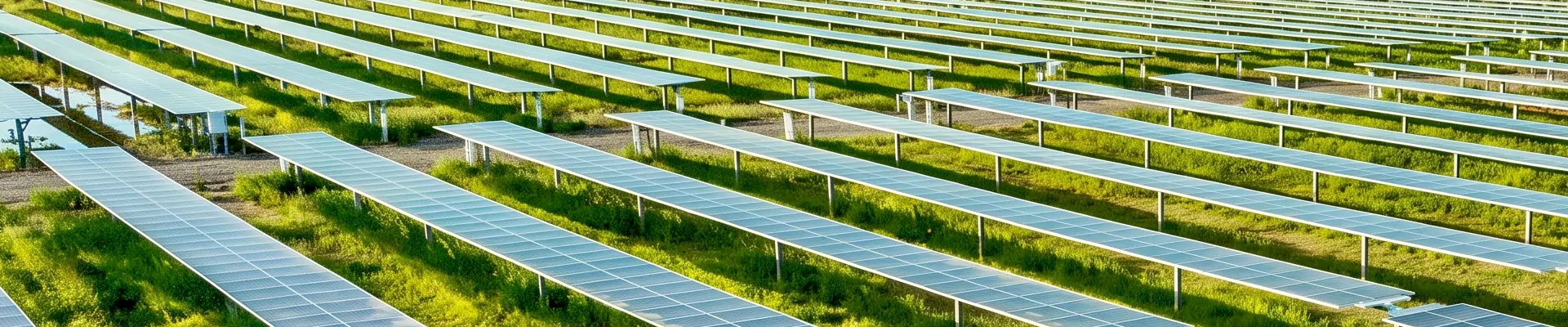
Multi-row arrays have relatively more controllable shading between rows and higher land-use efficiency, making them suitable for distributed applications or sites with limited land.
FAQ
Q: Does the Multi-Row PV Tracker require manual angle adjustments on a daily basis?
A: No. The system automatically adjusts the angle of the PV modules based on a preset solar tracking algorithm, requiring no manual intervention.
O&M personnel simply need to monitor the equipment's operating status periodically via the SCADA platform.
Q: Will a malfunction in one row of mounting structures affect the operation of the entire system?
A: Not necessarily. The system monitors the operating status of each tracking unit in real-time and can quickly pinpoint the location of any fault.
The system is designed so that a faulty unit can be serviced individually while other functional sections continue to operate, thereby minimizing the impact on the power plant's overall generation.
Q: How often does the Multi-Row PV Tracker require maintenance?
A: It is recommended to establish a maintenance schedule based on local environmental conditions and project operations; inspections can generally be integrated into the power plant's routine patrols.
Key areas for inspection include the drive mechanism, transmission components, electrical connections, communication status, and fasteners to ensure long-term, stable system operation.
Hot Tags: multi-row pv tracker, solar tracking system, photovoltaic tracker
Send Inquiry
Contact Info
-
Address
Building 10, Jiangsu Hainde High tech Industrial Park, No. 70 Yaofeng West Road, Mudu Town, Wuzhong District, Suzhou City, Jiangsu Province, China
-
Tel
-
E-mail
Send Us Your Project Details
Get a Tailored Quote Within 24 Hours
- ● Factory-Direct Pricing: No middlemen—you get competitive costs straight from our Suzhou plant.
- ● Fast Response: Our technical team replies within 24 hours with initial recommendations.
- ● Custom Solutions: We tailor TCU strategies, communication setups, and SCADA dashboards to your needs.
- ● Global Support: From commissioning to after-sales, our engineers are ready to assist worldwide.