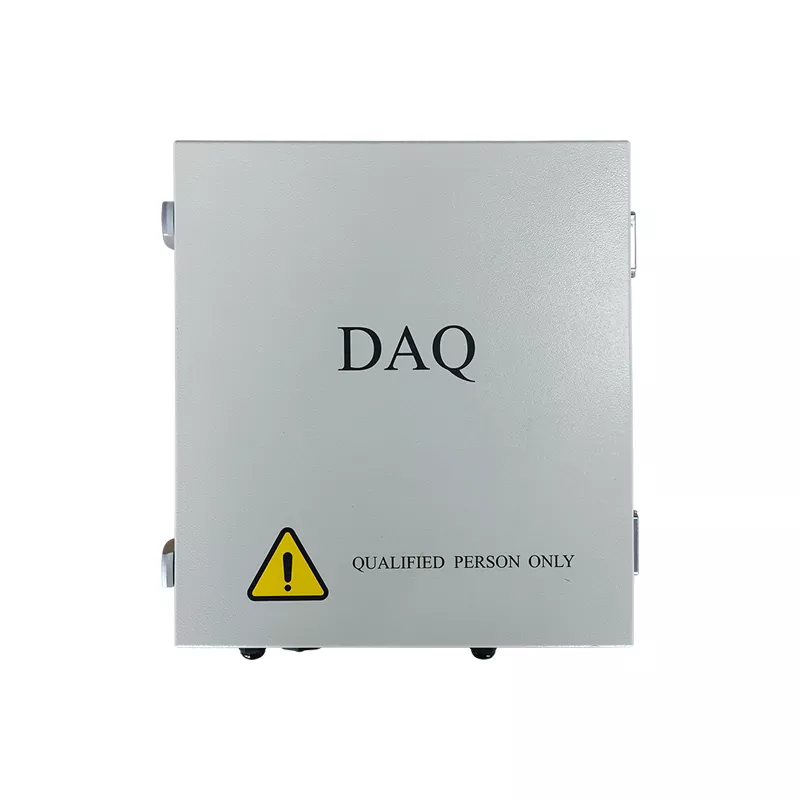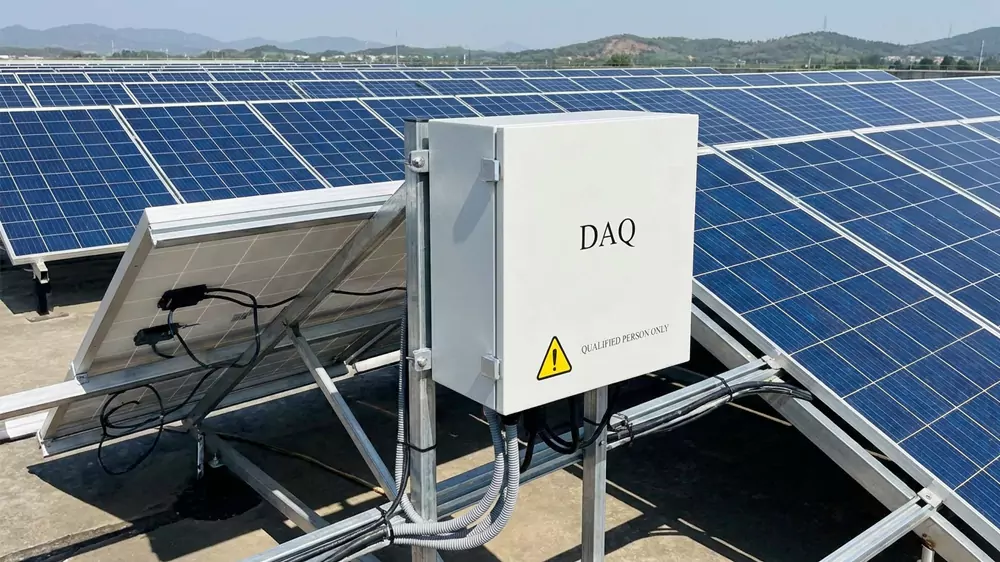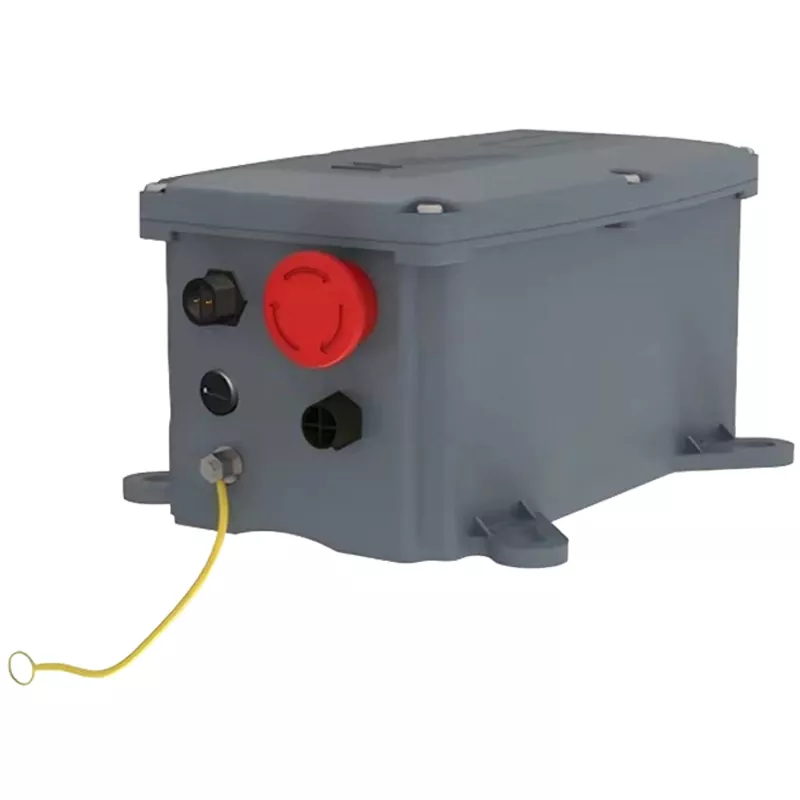

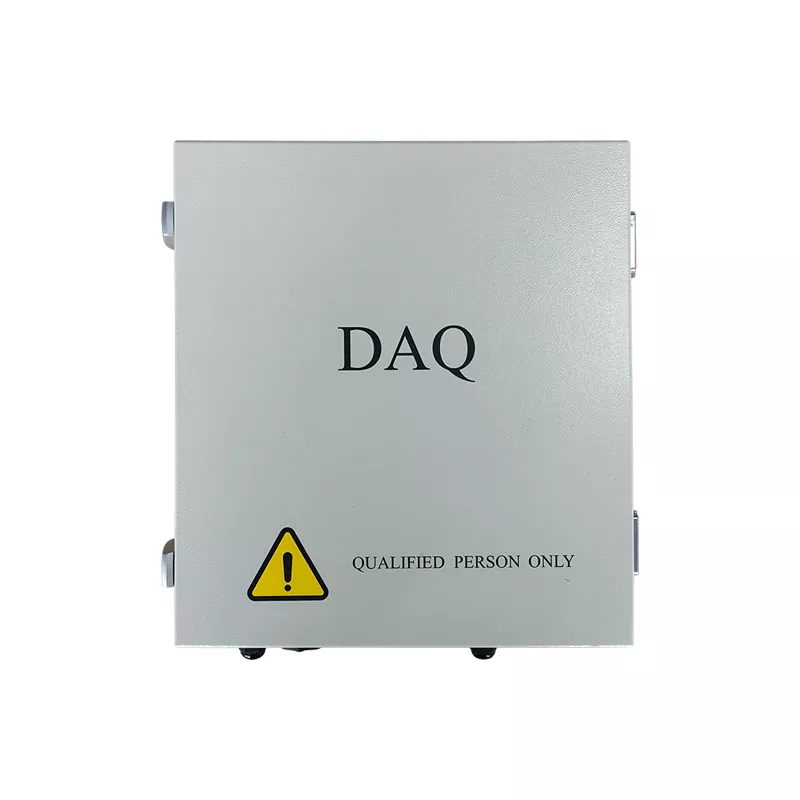
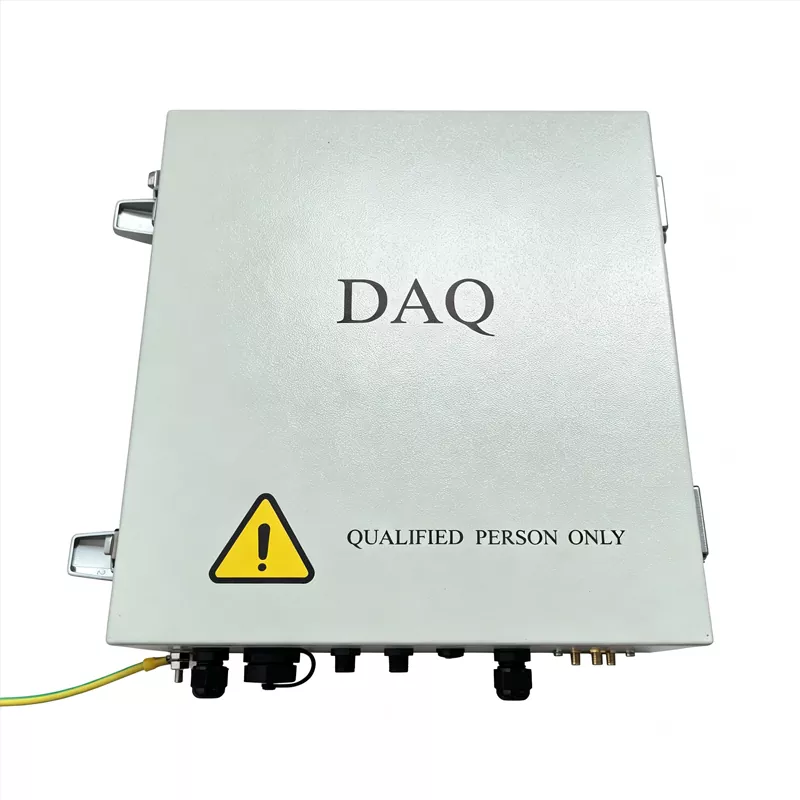
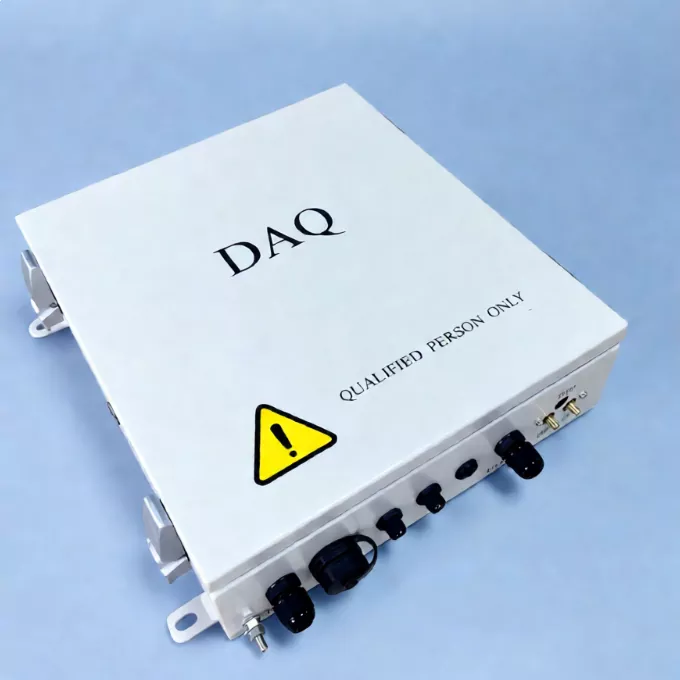
PV Communication Unit
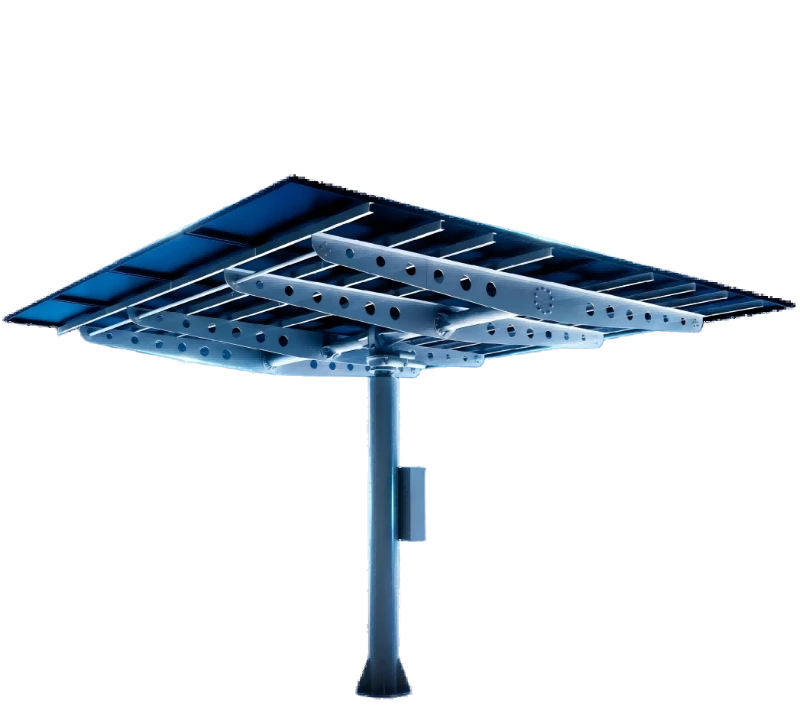
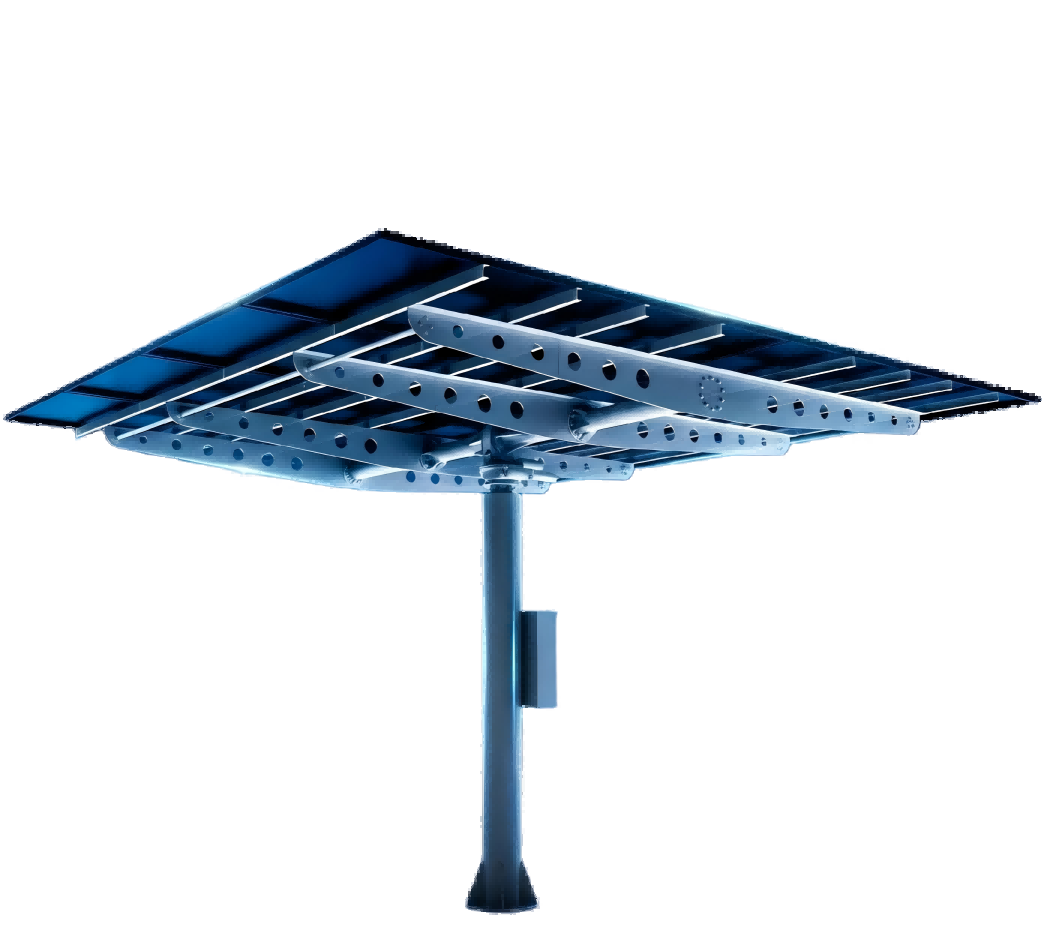
Extreme weather such as hail, strong winds, and heavy snow can pose serious risks to solar power plant assets. Suzhou Ruitai’s PV Communication Unit acts as the smart brain of the solar tracker system. Through intelligent sensing and automatic execution, it provides comprehensive protection against harsh climate conditions and helps ensure the safety of solar power plants in challenging environments.
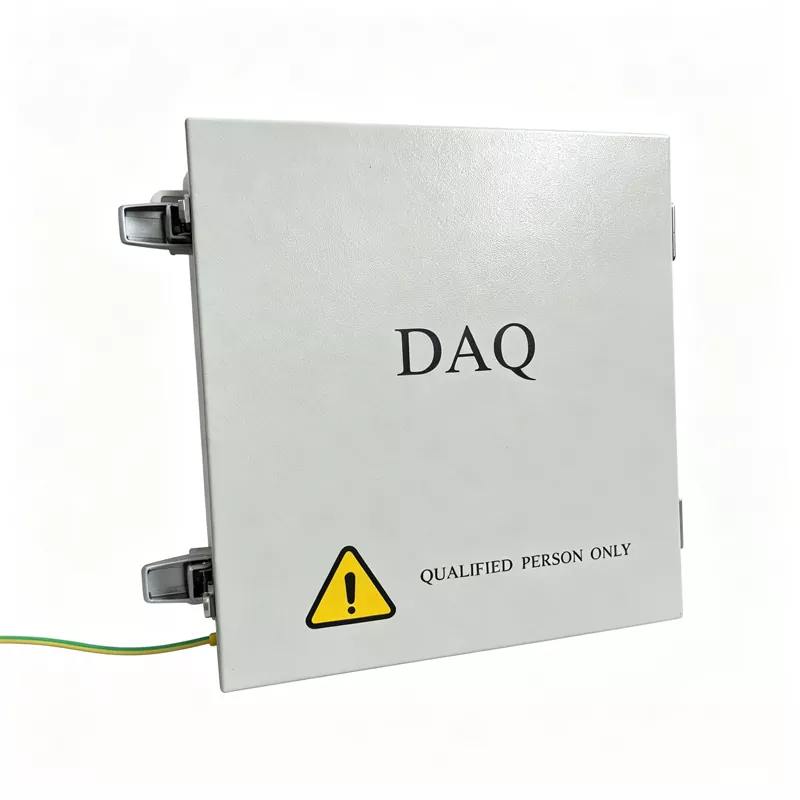
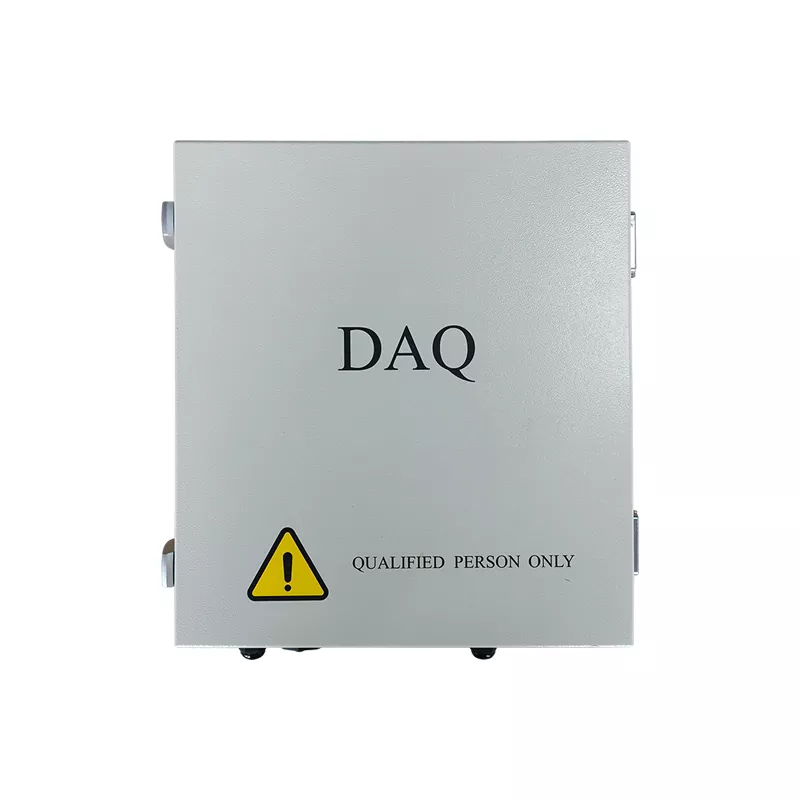
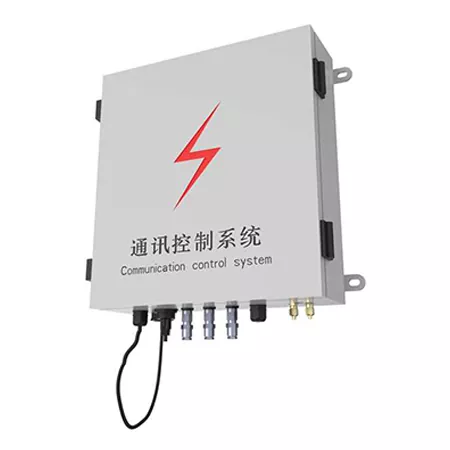
Suzhou Ruitai's PV Communication Unit is the core edge-computing node and regional control hub in the device-edge-cloud architecture of large-scale solar power plants. To ensure stable operation in demanding solar power plant environments, the NCU uses an industrial-grade hardware design.
It is built to withstand strong electromagnetic interference, extreme temperature changes, and complex terrain, with a wide operating temperature range of -40°C to 70°C, IP65 protection, and EMC Level 4 anti-interference performance.
Full Specifications Table
▷ Characteristic parameters
|
Product Model |
RT-COM-V1 |
High Wind Speed Trigger Threshold |
Adjustable |
|
Power Supply |
L+N 220VAC |
Heavy Snow Trigger Threshold |
Adjustable |
|
Parameter Setting |
PC |
Latitude and Longitude |
Automatically Obtained by GPS |
|
Daily Power Consumption |
≤0.1kWh |
Time Zone |
Self-Setting |
|
GPS Signal |
Yes |
||
▷ Functional parameters
|
Weather Sensor Alarm |
Yes |
Wireless Communication (with TCU) |
Yes |
|
Communication Interruption Alarm (with TCU) |
Yes |
Communication Port |
RS485 / Ethernet |
|
GPS Module Fault Alarm |
Yes |
Wind Speed |
Yes |
▷ General parameters
|
Housing Material |
Sheet Metal |
Size |
330*96*360mm |
|
Installation Method |
Clamping |
Operating Temperature |
-40~70℃ |
|
Waterproof Rating |
IP65 |
Altitude |
< 4000m |
|
Weight |
5.4kg |
||
How to Maintain the PV Communication Unit?
As the "brain" of the solar tracker system, the PV Communication Unit (NCU) plays a key role in the safety and power generation efficiency of the entire solar power plant. Based on industry standards and practical experience, routine NCU O&M mainly focuses on the following four core areas:
1. Hardware Status and Cooling Environment Inspection
● Appearance and Connection Check
Regularly inspect the sealing condition of the NCU control box to ensure there is no water ingress or dust buildup.
Pay special attention to internal terminals, communication cables, and data cables to make sure they are firmly connected, and check for looseness or damage caused by vibration or aging.
● Cooling and Temperature Control Maintenance
The NCU generates heat during operation, so dust on the cooling fan and dust filter should be cleaned regularly to keep the airflow path clear.
During high-temperature seasons or high-load operation, an infrared thermal imager can be used to scan the surface temperature distribution of the equipment, identify abnormal local heating, and prevent poor heat dissipation from triggering hardware thermal protection or accelerating component aging.
2. Software Operation and Communication Link Monitoring
● Operating Status and Log Analysis
Monitor the NCU's online status, CPU usage, and memory usage in real time through the host computer or cloud platform.
Regularly export and analyze system operation logs, with special attention to error logs and warning logs, to identify potential communication timeouts or interface abnormalities in advance.
● Communication Network Protection
The NCU communicates downward with the TCU (Tracker Control Unit) and upward with the cloud platform.
Regularly check Zigbee/LoRa wireless signal strength and packet loss rates, as well as Ethernet connection stability, to ensure millisecond-level response for control command delivery and data upload.
3. Data Backup and System Security Protection
● Parameter Configuration Backup
The PV communication unit stores important operating parameters, protection thresholds, and algorithm settings.
Before any system upgrade, firmware update, or troubleshooting work, a full backup of the NCU and PLC programs should be completed to prevent program loss or data damage.
● Cybersecurity and Permission Management
Regularly check the NCU's firewall policies and encryption module status to prevent unauthorized access.
Follow the principle of least privilege, standardize O&M personnel access permissions, and regularly audit operation logs to prevent system failure caused by cyberattacks or incorrect operation.
4. Fault Response and Emergency Recovery
● Fast Troubleshooting for Abnormal Issues
If the NCU crashes, goes offline, or shows abnormal indicator lights, O&M personnel should first power it off and restart it to clear temporary logic errors.
If the issue remains, they should check the power supply voltage, sensor data sources, and communication links.
● Emergency and Redundancy Testing
Regularly conduct power outage drills to check whether the NCU can switch to the backup power (like the built-in battery) and drive the mount into a safe protection position when the main power is lost.
At the same time, the system should be tested to confirm whether neighboring nodes can take over communication when a single NCU fails, ensuring that the plant's overall protection mechanism remains effective.
Case Study: Large Commercial Microgrid Project in Valencia, Spain
This project is located in Valencia, Spain, in a Mediterranean climate area. The site faces very hot summers, strong sunlight, and extreme rainstorms known as "DANA," which once damaged part of the local power grid.
In this project, the Suzhou Ruitai SCADA platform showed strong stability and adaptability. During normal operation, the platform uses AI algorithms to predict electricity demand and solar power generation in real time. It then adjusts the energy storage and power generation strategy automatically.
When the external power grid was cut off by extreme rainstorms, the SCADA system quickly switched the microgrid to island mode. It automatically used the energy storage system to supply power and covered more than 40% of the facility's emergency energy needs. This helped the customer maintain power supply and energy safety during extreme weather.
Send Inquiry
Contact Info
-
Address
Building 10, Jiangsu Hainde High tech Industrial Park, No. 70 Yaofeng West Road, Mudu Town, Wuzhong District, Suzhou City, Jiangsu Province, China
-
Tel
-
Email
Send Us Your Project Details
Get a Tailored Quote Within 24 Hours
- ● Factory-Direct Pricing: No middlemen—you get competitive costs straight from our Suzhou plant.
- ● Fast Response: Our technical team replies within 24 hours with initial recommendations.
- ● Custom Solutions: We tailor TCU strategies, communication setups, and SCADA dashboards to your needs.
- ● Global Support: From commissioning to after-sales, our engineers are ready to assist worldwide.
News Recommendations