PV Plant SCADA System
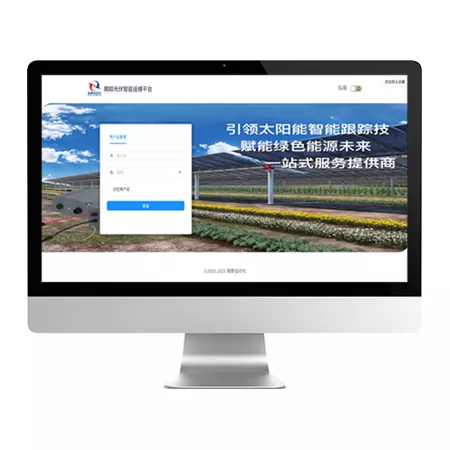
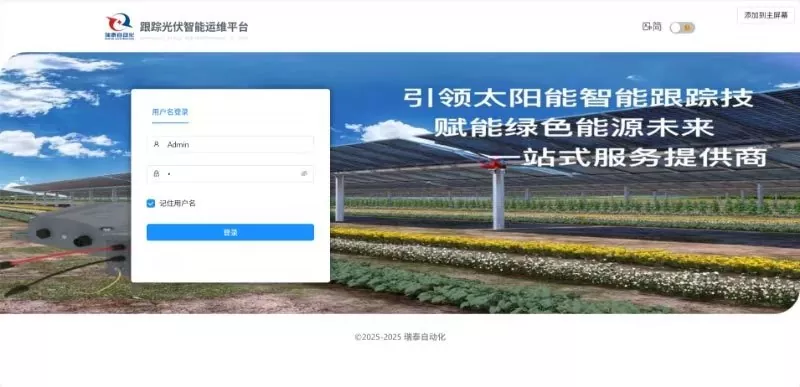
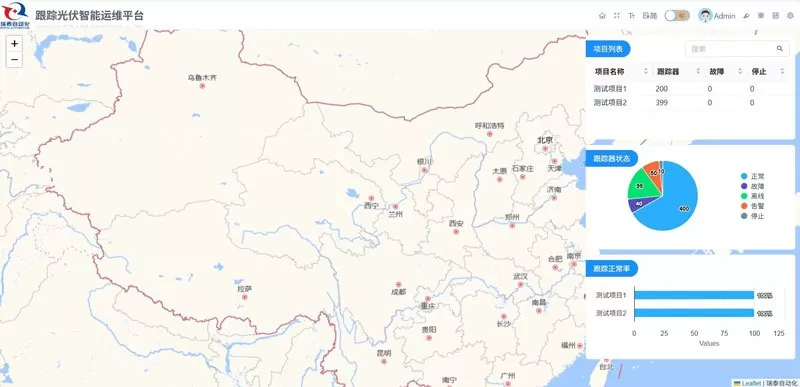
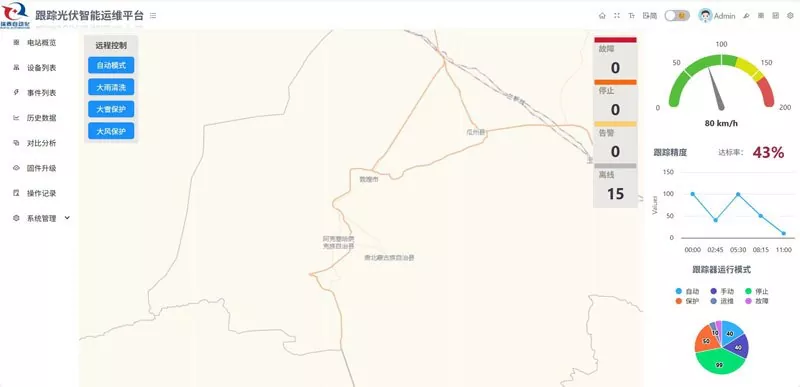
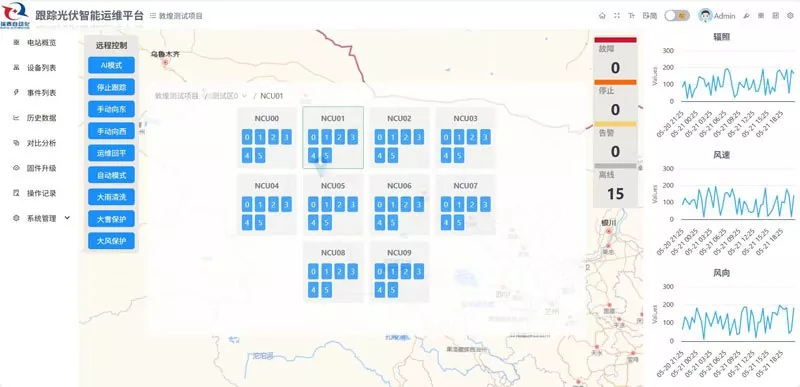
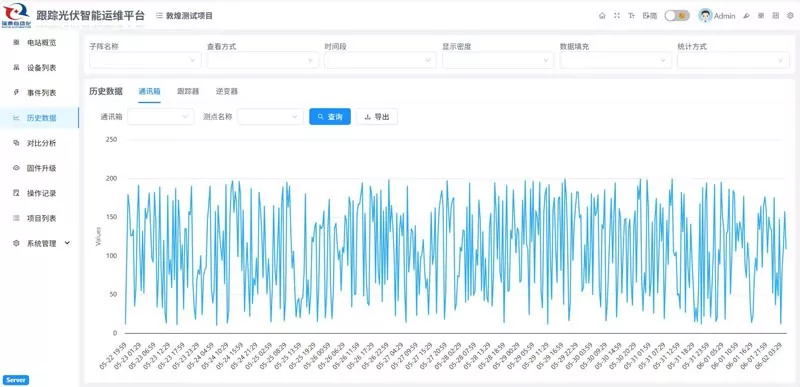
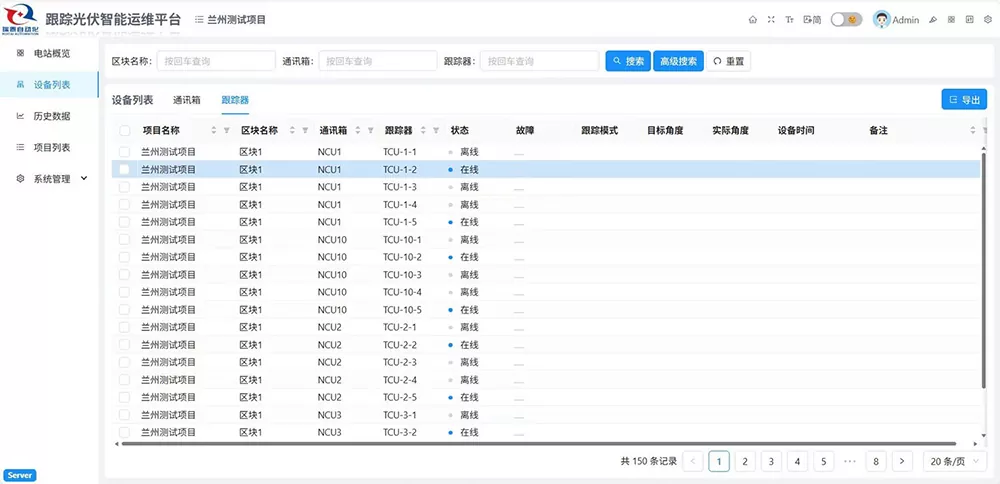
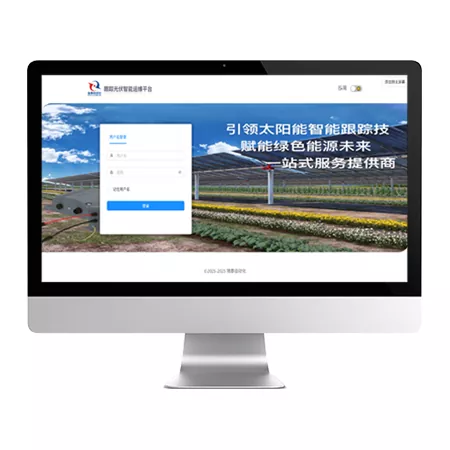
Ruitai’s PV Plant SCADA System brings real-time monitoring, data analysis, and fault alarms into one platform. Certified by the National Copyright Administration for computer software copyright, the system is secure and controllable. With an intuitive GIS map and visual dashboard, the platform supports both PC and mobile app operation. Its user-friendly interface makes operation easier and greatly reduces the learning curve.
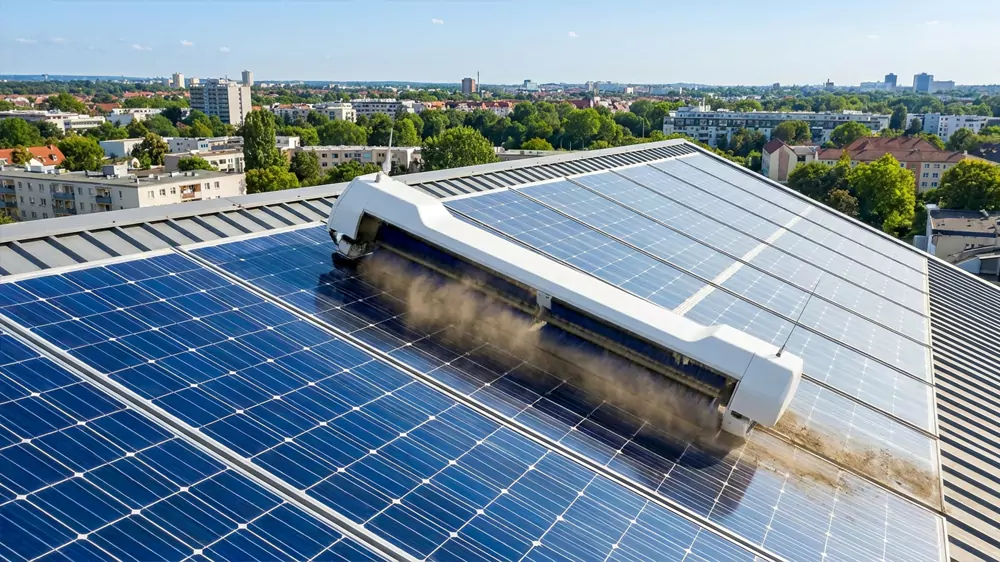
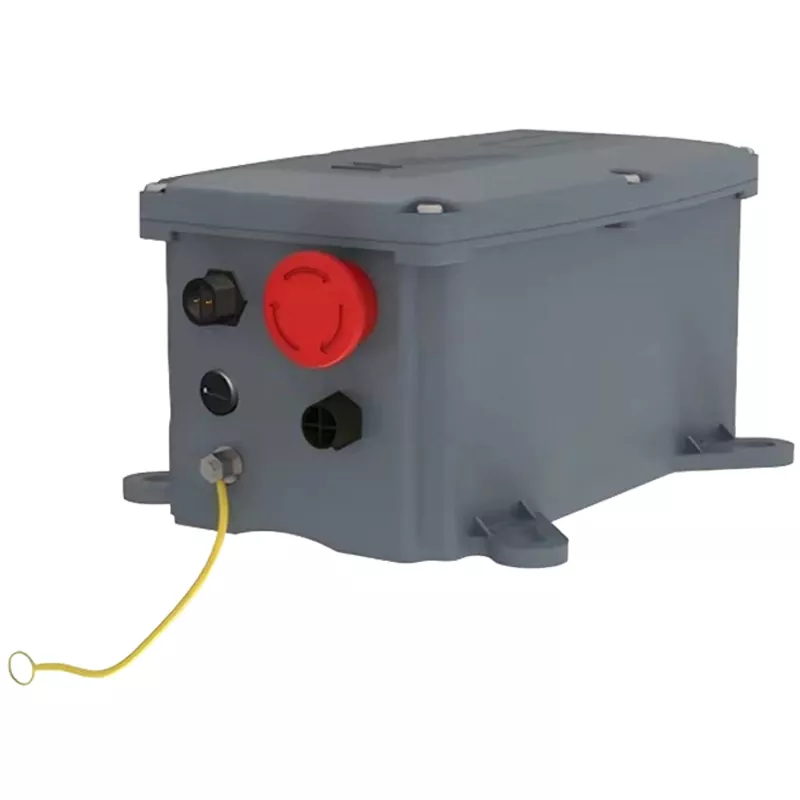
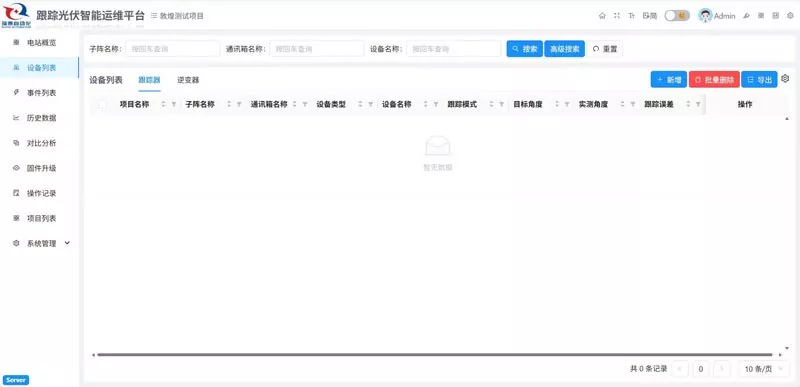
Ruitai, a reliable manufacturer of TCU, NCU, and solar cleaning robot, can also offer PV Plant SCADA System. It displays power generation, equipment status, and environmental data in real time. It can integrate seamlessly with enterprise resource management systems such as ERP and EAM, helping break down data silos.
Based on large amounts of historical data, the platform regularly pushes firmware updates and algorithm improvements, helping customers move from passive repair to proactive O&M and maximize return on investment.
Why Is a PV Plant SCADA System Needed?
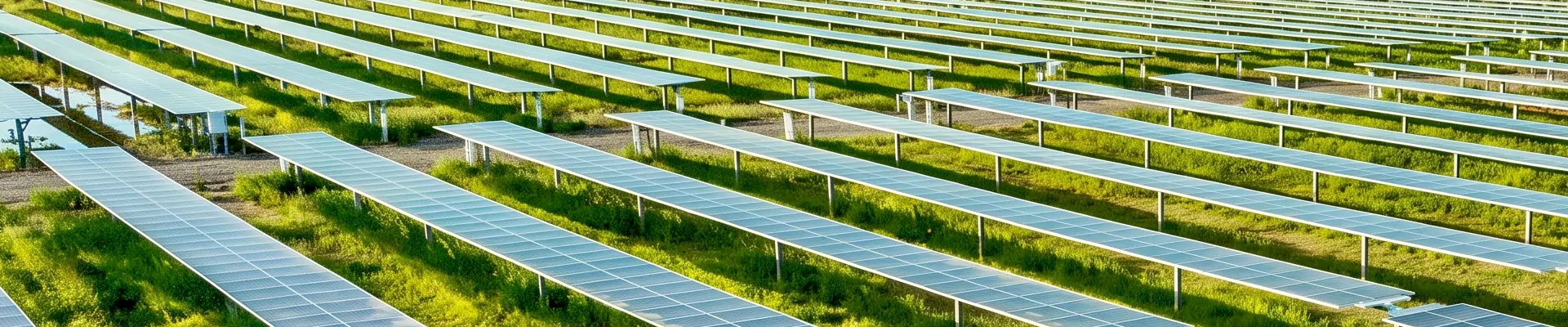
As commercial and industrial distributed PV power plants expand across building rooftops, charging stations, public facilities, and other sites, their small and scattered layout is reshaping the new energy industry.
However, traditional manual inspection and decentralized management can no longer meet the needs of large-scale operation. The industry commonly faces three key challenges: high O&M costs, slow fault response, and low management efficiency.
To solve these problems, we developed the PV Plant SCADA System for commercial and industrial distributed PV power plants. It consolidates operational data from various areas of the power plant into a unified view, enabling operators to monitor the plant's operating status in real time and promptly identify potential issues.
What Are the Functions of a PV Plant SCADA System?
Ruitai's SCADA platform is built with advanced algorithm strategies such as intelligent anti-collision and storm stow. It is compatible with mainstream inverters, meters, and weather instruments, and supports flexible deployment on private cloud, public cloud, or local servers.
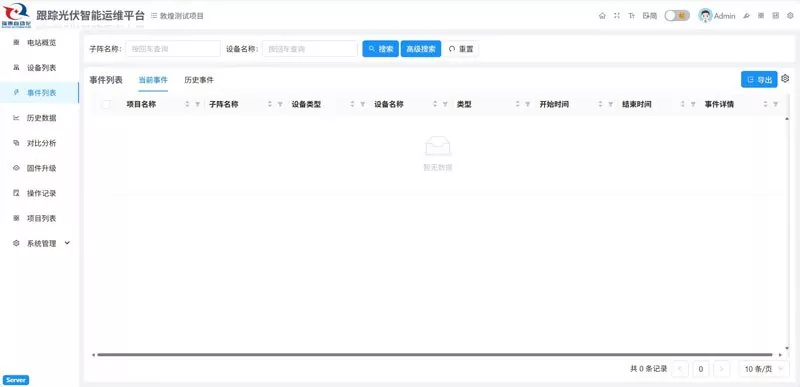
The platform also supports lossless archiving of large amounts of historical data. For alarm management, the platform creates a multi-level response system to ensure timely alerts and organized management in different scenarios:
1. Communication and Multimedia Notifications: Supports SMS, email, fax, text-to-speech (TTS), and other notification methods.
2. Voice and Mobile Alerts: In emergencies, the platform can make phone voice calls and send app push notifications or web voice alerts, ensuring important information reaches the right people quickly.
3. On-Site and Cascaded Management: The front-end system supports sound alerts, flashing highlights, pop-ups, and other warning methods. It also provides a unified API interface and cascaded push, making it easier to connect with enterprise information systems.
Core Advantages
We provide an integrated solution that combines hardware, software, data, and service. Compared with traditional PV tracking systems driven by basic astronomical algorithms, our AI intelligent solution has deep learning and adaptive optimization capabilities, allowing it to capture changing sunlight conditions more accurately. In addition to the original backtracking function, it can further increase power generation by 1%–7%, improving overall plant revenue and maximizing return on investment (ROI).
With big data services, the platform also provides accurate power generation forecasts and energy efficiency analysis reports. Supported by a professional 24/7 remote service team, it helps detect potential risks in advance and protects asset safety.
Deployment Cost and Economic Benefit Assessment
The deployment cost of Ruitai's SCADA platform is highly flexible. It can support different options, from open-source edge monitoring solutions with zero license fees and high customization, to full commercial software licensing.
In utility-scale PV power plants, the software, hardware, and implementation costs of control and SCADA systems usually account for about 3% of the total project cost.
Although AI prediction algorithms and intelligent O&M platforms increase the initial investment, they can deliver strong long-term economic benefits. Through early fault warnings, replacement of more than 70% of manual inspections, and accurate spare parts management, the system can reduce plant operating costs by about 15%, increase power generation by more than 5%, and greatly shorten the investment payback period.
Customized Services and Operation Mechanism
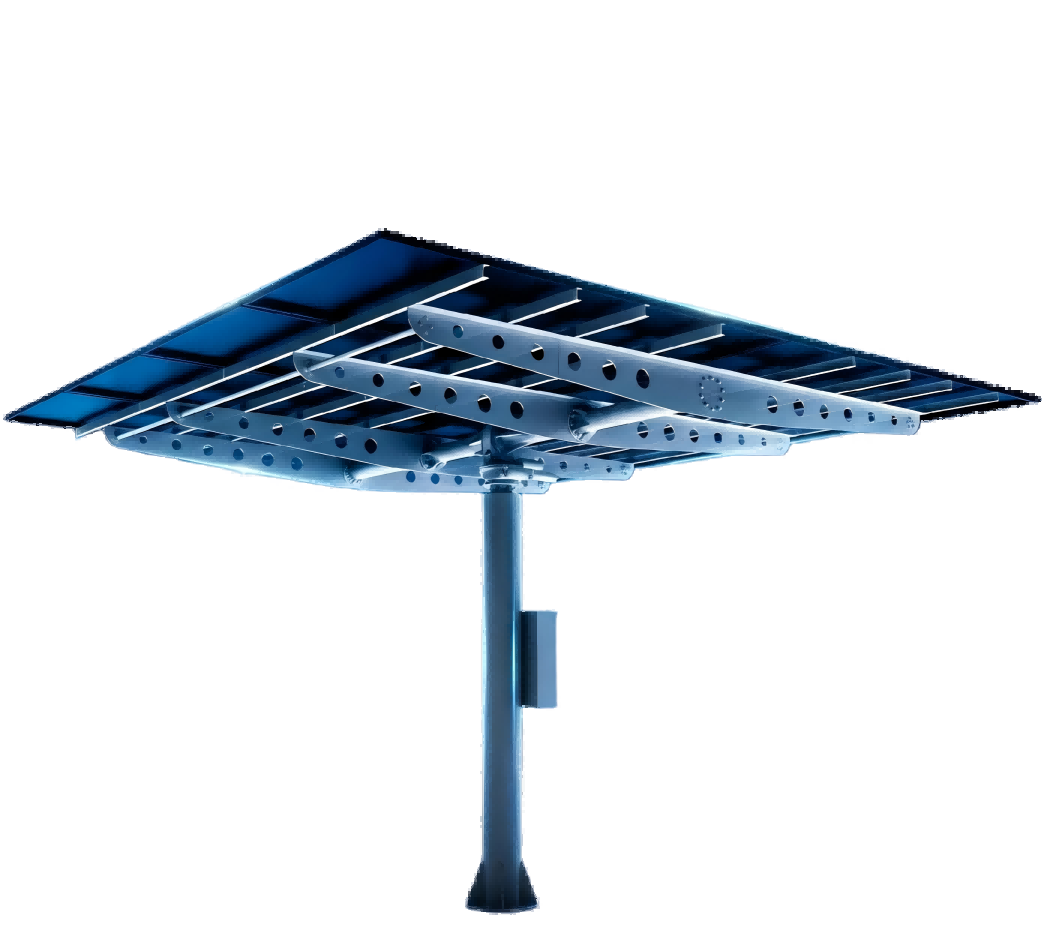
The PV Plant SCADA System uses highly automated intelligent control. In automatic tracking mode, it calculates the sun's position in real time and sends accurate commands to drive the motor, keeping PV modules at the optimal angle.
We also provide customized intelligent PV tracking electrical control system solutions. During the design stage, we consider local weather conditions, load requirements, existing equipment access, and other project data to develop the most suitable control strategy, ensuring strong system performance in different environments.
FAQ
Q: Why do PV power plants need a SCADA system?
A: Large-scale PV plants cover vast areas and contain thousands of pieces of equipment; manual inspections are costly and cannot provide real-time monitoring.
A PV plant SCADA system enables unmanned or minimally manned O&M, reduces generation losses caused by dust shading and equipment failures by 5%–30%, and significantly boosts the plant's return on investment (ROI).
Q: How does the SCADA system prevent data loss if on-site network communication is interrupted?
A: The system features data backfilling and local storage mechanisms.
When remote or cloud communication is interrupted, the edge computing gateway and local database automatically store collected data (captured at millisecond or second intervals) locally.
Once network connectivity is restored, the system automatically uploads the data accumulated during the outage to the main server, ensuring the integrity and completeness of the plant's full-lifecycle generation and operational data.
Q: How does the deployment of a SCADA system differ based on PV plant scale?
A: SCADA system deployment varies according to the plant's scale:
Large-scale utility plants (>10 MW): It is recommended to deploy a dedicated local SCADA server and HMI (Human-Machine Interface) on-site.
Small-to-medium-sized C&I (Commercial & Industrial) plants (5–10 MW or smaller): Deploying expensive, dedicated local servers is usually unnecessary. Operators can opt for cloud-based HMI platforms to view data, receive alerts, and perform basic control functions remotely via the internet.
Send Inquiry
Contact Info
-
Address
Building 10, Jiangsu Hainde High tech Industrial Park, No. 70 Yaofeng West Road, Mudu Town, Wuzhong District, Suzhou City, Jiangsu Province, China
-
Tel
-
Email
Send Us Your Project Details
Get a Tailored Quote Within 24 Hours
- ● Factory-Direct Pricing: No middlemen—you get competitive costs straight from our Suzhou plant.
- ● Fast Response: Our technical team replies within 24 hours with initial recommendations.
- ● Custom Solutions: We tailor TCU strategies, communication setups, and SCADA dashboards to your needs.
- ● Global Support: From commissioning to after-sales, our engineers are ready to assist worldwide.
News Recommendations