PV Module Monitoring System
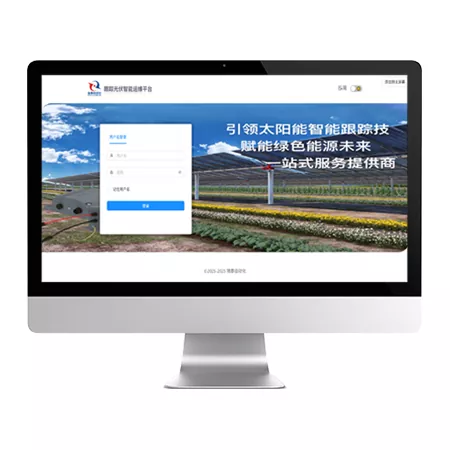
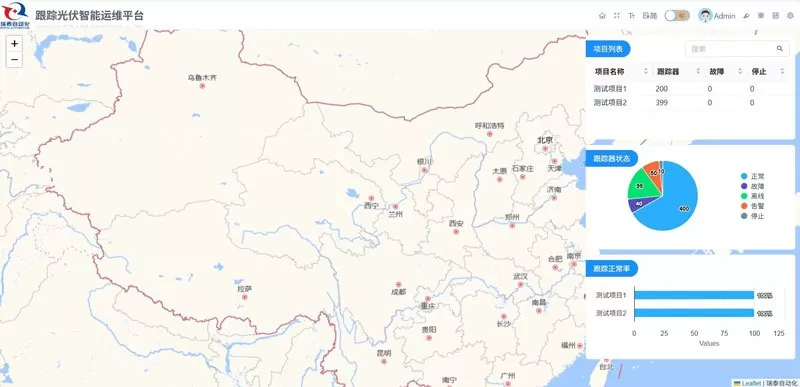
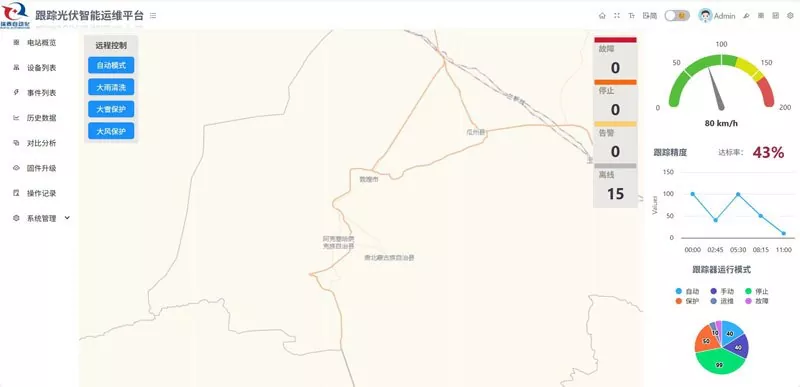
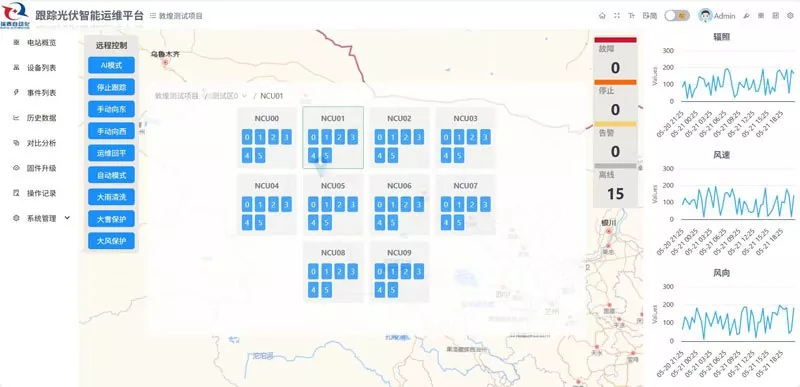
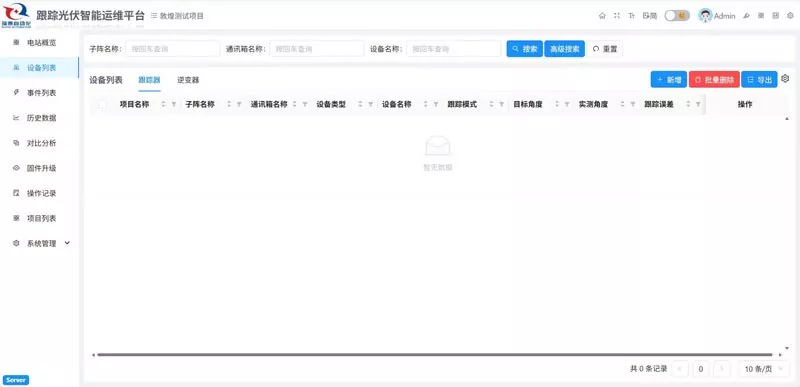
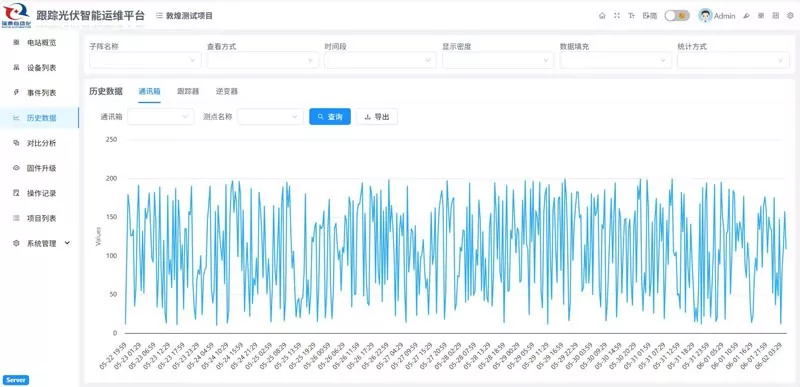
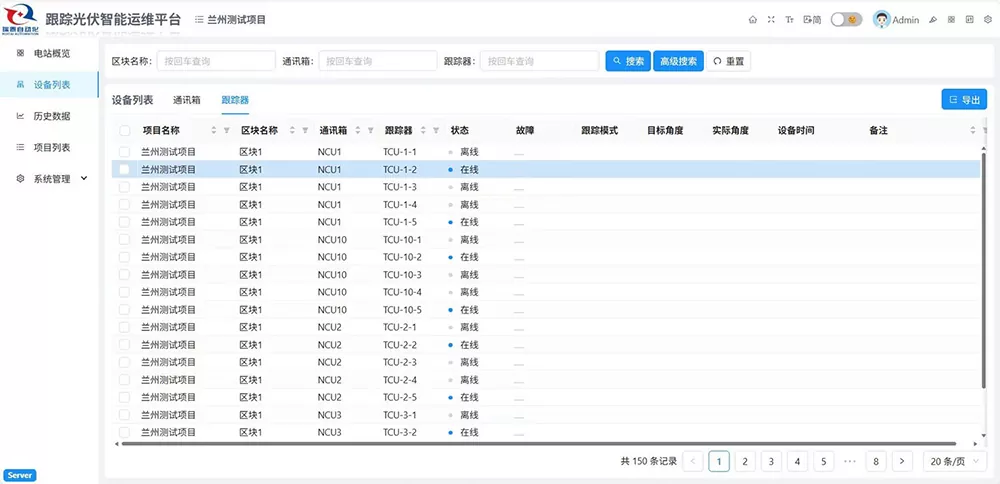
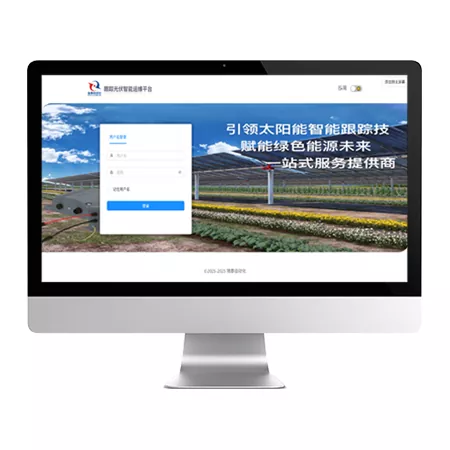
Ruitai is a professional supplier in China, we have advanced technology, and our PV Module Monitoring System breaks down the information silos of traditional power plants and enables precise plant control through multi-dimensional functional modules. The system provides a remote centralized monitoring platform and visual dashboard, bringing scattered data from multiple plants and regions together for unified management and clear display.
Ruitai's PV Module Monitoring System (SCADA) is built on data-driven operation. By integrating IoT, cloud computing, and AI algorithms, the system provides intelligent O&M solutions for multiple power plants across their full lifecycle, supporting a new stage of digital and precise management.
For equipment health management, the platform's built-in intelligent monitoring module collects and analyzes operating data 24/7. Combined with high-precision irradiance assessment and weather forecasting, the system can dynamically optimize power generation strategies.
Even in poor weather such as rain, cloudy conditions, or haze, it adjusts operating parameters based on real-time data to maximize the energy capture efficiency of PV modules.
Operation and maintenance personnel no longer need to visit sites frequently. They can monitor the real-time operating status of each power plant from the cloud, shifting from “people searching for data” to “data reaching people.”
Why Is a PV Module Monitoring System Needed?
During long-term operation, PV modules are subject to various factors that can lead to performance degradation or even failure:
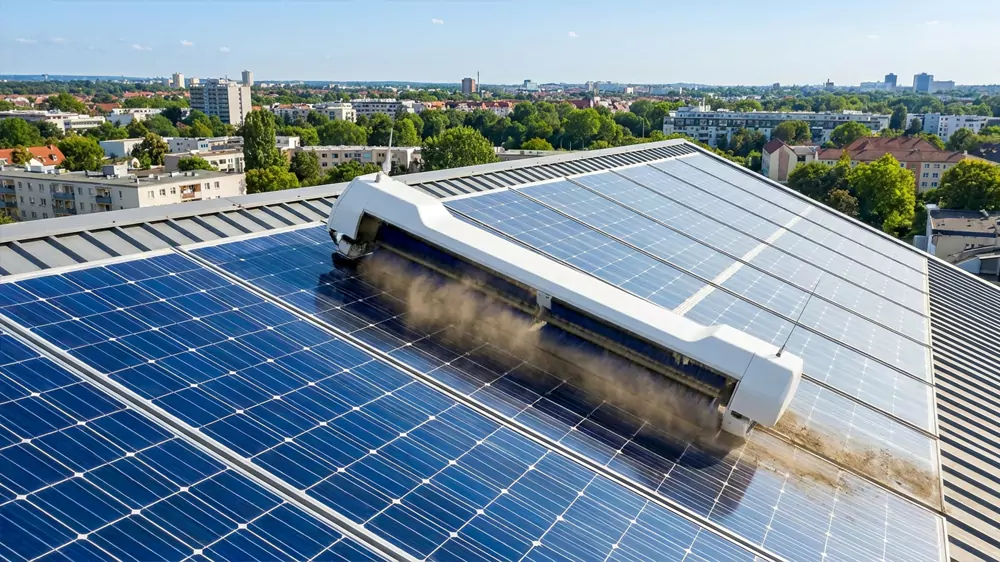
Environmental factors: dust accumulation, temperature fluctuations, humidity, shading, etc.
Module aging: cell degradation, aging of encapsulation materials
Hidden defects: hot-spot effects, micro-cracks, delamination, PID effects, etc.
If left undetected, these issues can result in power generation losses and even safety hazards. The role of a PV module monitoring system is to shift the approach from reactive repair to proactive prevention.
What Notification Methods Does the PV Module Monitoring System Offer?
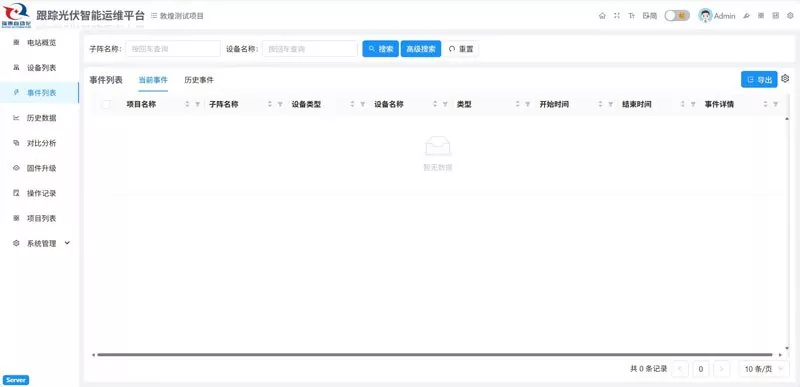
The PV Module Monitoring System supports multiple mainstream alarm notification methods to ensure timely response and structured alarm management in different operating scenarios. The main types include:
1. Communication and Multimedia Notifications
The platform supports alarm notifications through common communication methods such as SMS, email, text messages, and fax. It also supports richer output formats, including multimedia, voice, video, and text-to-speech (TTS).
2. Voice and Phone Notifications
The platform supports voice call alarms and can directly call relevant personnel by phone, ensuring that urgent information is received immediately in emergency situations.
3. Mobile and Web Alerts
The platform supports app push notifications, as well as voice and message alerts on the web interface, allowing managers to receive equipment abnormality updates anytime and anywhere.
4. On-Site Audible, Visual, and Pop-Up Alerts
On the system front-end, alarms can be displayed through sound, highlighting, flashing, pop-ups, and other alert methods, helping on-site personnel respond promptly.
5. Cascaded Push and API Integration
For multi-level dispatching and management needs, the platform supports cascaded pushing of alarm information and handling strategies, such as sending lower-level alarms to a higher-level dispatching platform.
It also provides a unified alarm event data API interface, making it easier to integrate with industrial intelligent alarm platforms or other enterprise information systems.
FAQ
Q: How does the AI prediction algorithm reduce tracker maintenance costs?
A: The AI prediction algorithm continuously analyzes real-time operating data returned by sensors, such as current, voltage, and temperature. It helps reduce maintenance costs in several key ways:
Early Fault Warning: The system detects early abnormal patterns in equipment operation, predicts the possibility of failure before serious damage occurs, and triggers early warnings. This reduces fault location time from days to minutes and helps avoid losses caused by unplanned downtime.
Optimized Labor Allocation: Combined with computer vision and drone technology, the system can replace more than 70% of manual on-site inspection work, helping power plants move toward unmanned operation.
Accurate Spare Parts Management: Based on large amounts of historical data and current operating conditions, the system can accurately predict component maintenance needs and possible failure times. This improves inventory turnover and avoids unnecessary capital tied up in excess spare parts.
Scientific O&M Scheduling: The system evaluates module degradation patterns, environmental conditions, and weather forecasts to automatically select the best weather window for maintenance. It also dynamically adjusts operation trajectories to reduce mechanical wear and extend equipment lifespan.
Q: What are the core functions and technical advantages of the SCADA intelligent operation and maintenance platform?
A: The SCADA PV Module Monitoring System breaks down system barriers with strong data collection, control, and analysis capabilities. Its core functions and technical advantages include:
Real-Time Monitoring and Visualization for All Scenarios: The platform supports remote, visual, and centralized monitoring of trackers and full-line equipment. With dynamic 3D visualization, process flow playback, and data trend analysis, it makes production and equipment status clearer and more transparent.
Multi-Protocol Compatibility and Large-Scale Access: The platform is compatible with dozens of industrial protocols, including Modbus and OPC UA. It can connect seamlessly with various PLCs, sensors, and intelligent devices, while supporting millisecond-level real-time processing and lossless archiving of large-scale data points.
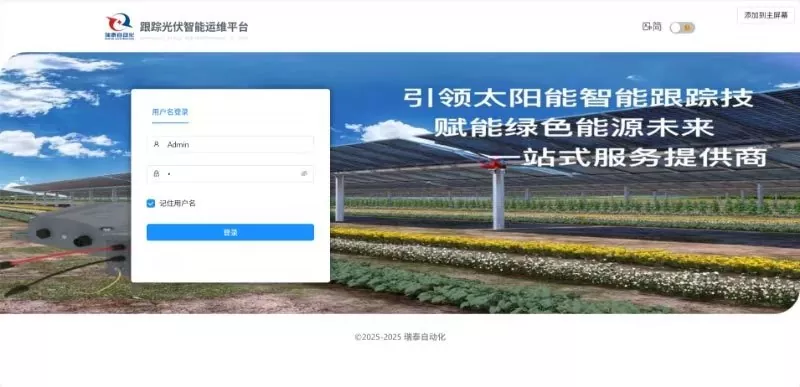
Cloud-Edge Collaboration and Client-Free Deployment: Built on a B/S architecture, the platform allows users to access the system across devices through a web browser without installing a client. It also supports cloud-edge collaboration to ensure stable and real-time remote monitoring.
Intelligent Alarms and Closed-Loop Management: The platform supports AI monitoring, multi-level alarm notifications, and automatic work order assignment. This enables closed-loop management from fault detection and work order generation to issue tracking, greatly improving O&M response efficiency.
Send Inquiry
Contact Info
-
Address
Building 10, Jiangsu Hainde High tech Industrial Park, No. 70 Yaofeng West Road, Mudu Town, Wuzhong District, Suzhou City, Jiangsu Province, China
-
Tel
-
Email
Send Us Your Project Details
Get a Tailored Quote Within 24 Hours
- ● Factory-Direct Pricing: No middlemen—you get competitive costs straight from our Suzhou plant.
- ● Fast Response: Our technical team replies within 24 hours with initial recommendations.
- ● Custom Solutions: We tailor TCU strategies, communication setups, and SCADA dashboards to your needs.
- ● Global Support: From commissioning to after-sales, our engineers are ready to assist worldwide.
News Recommendations