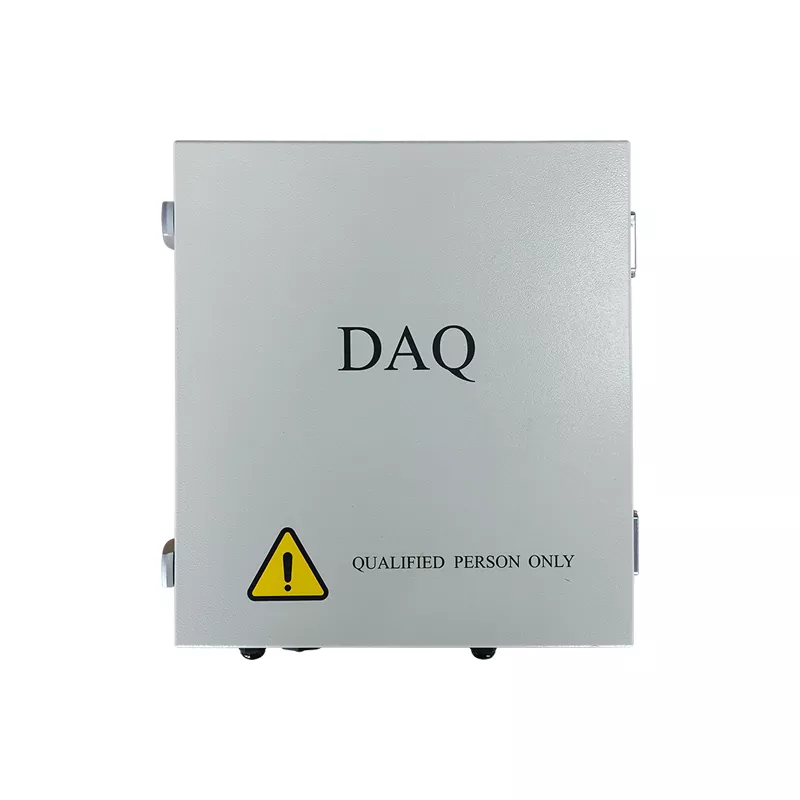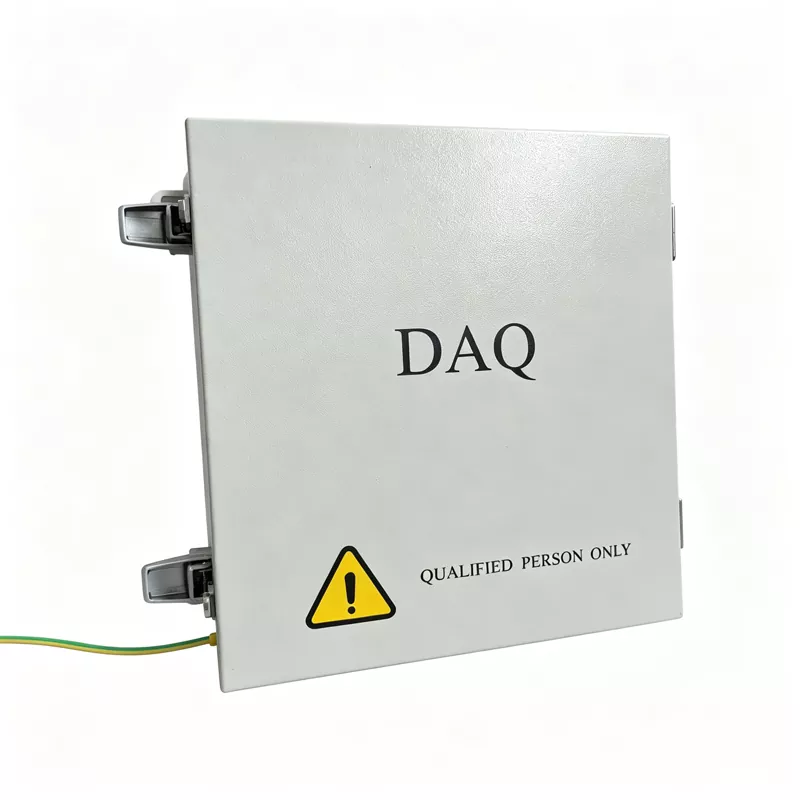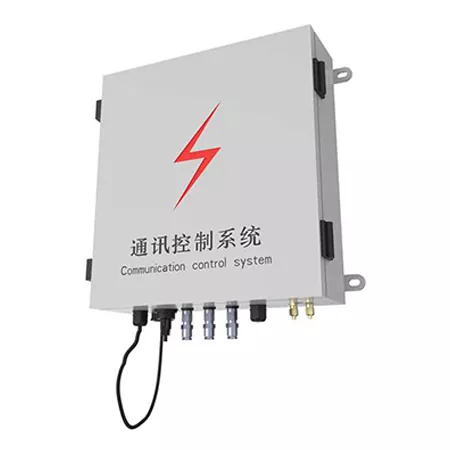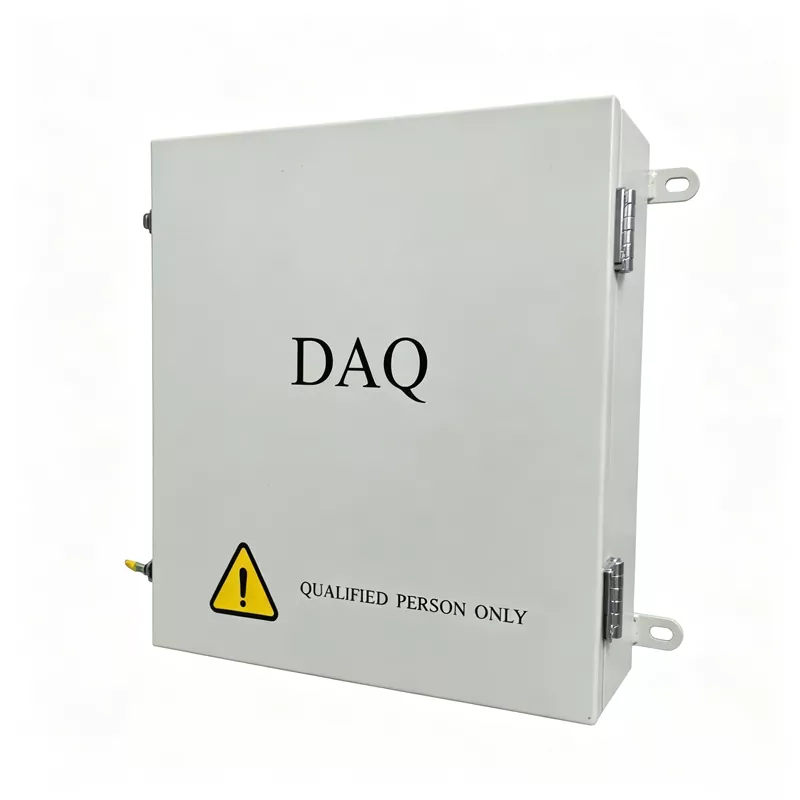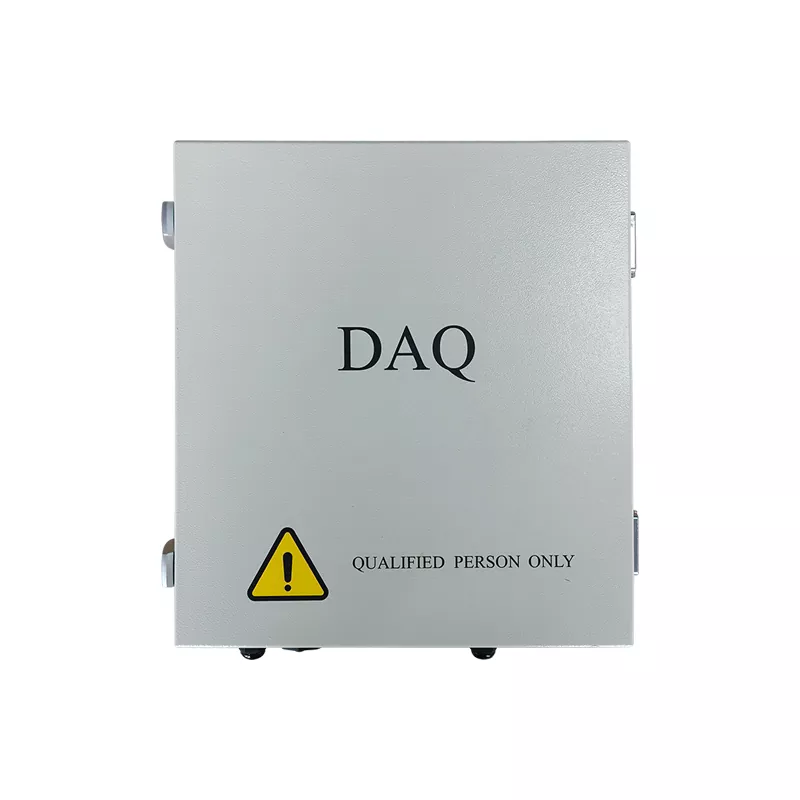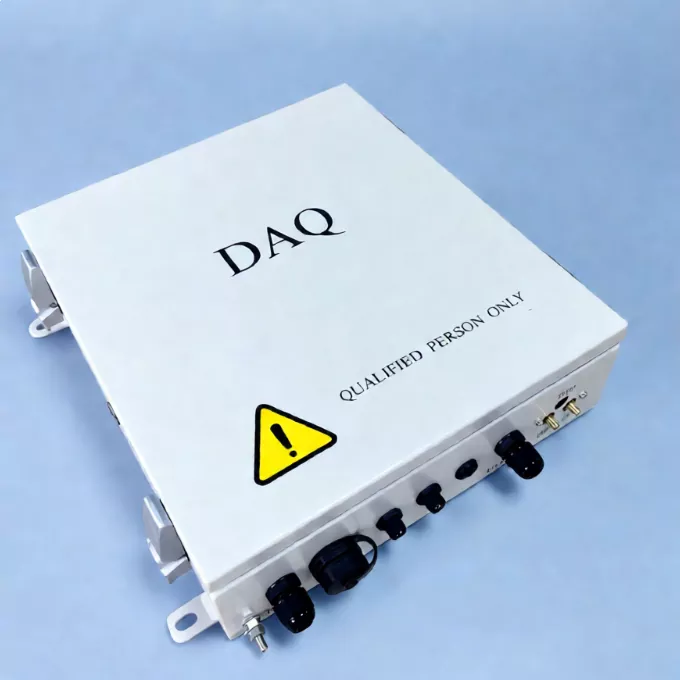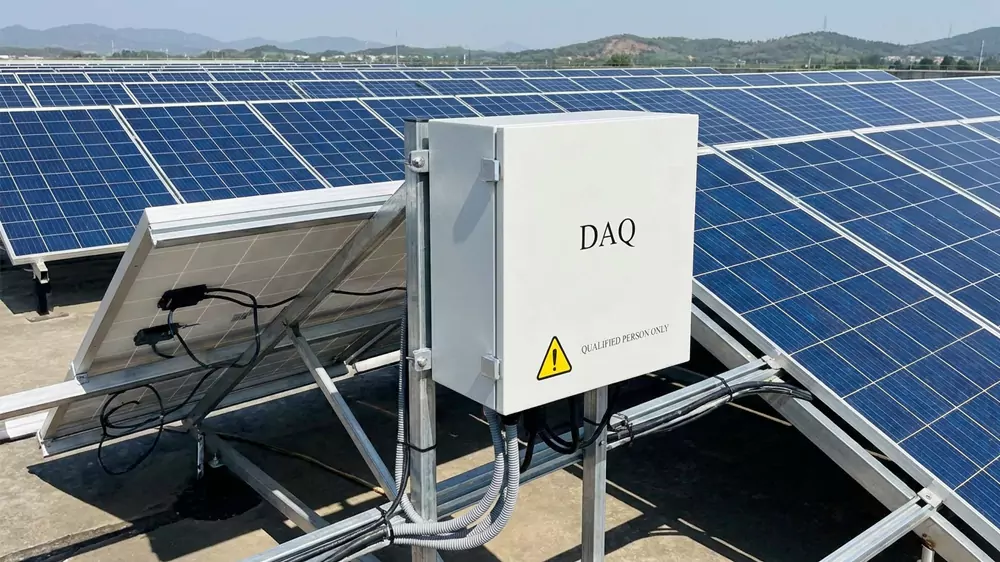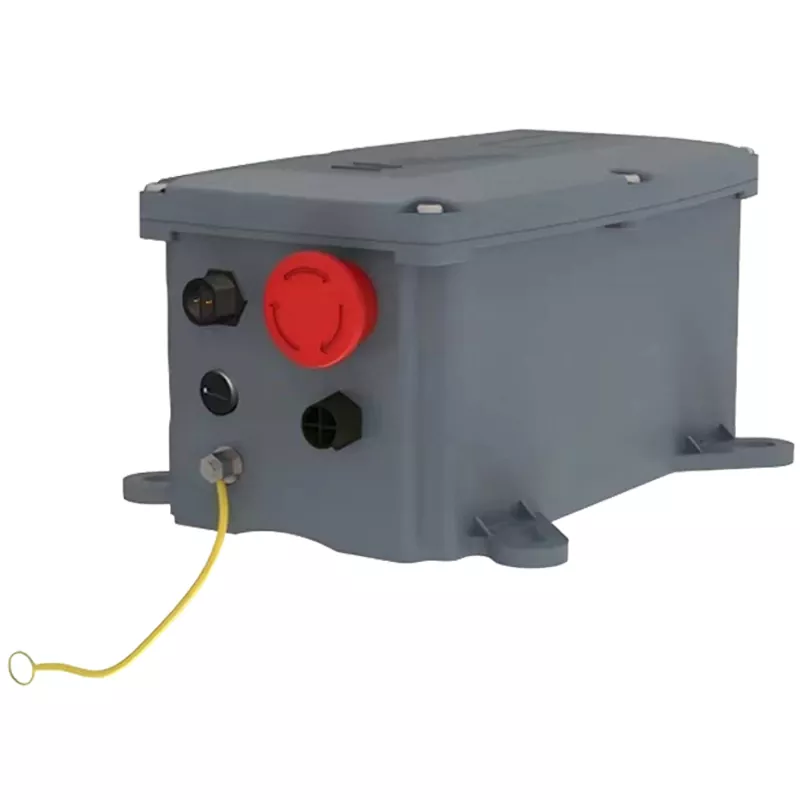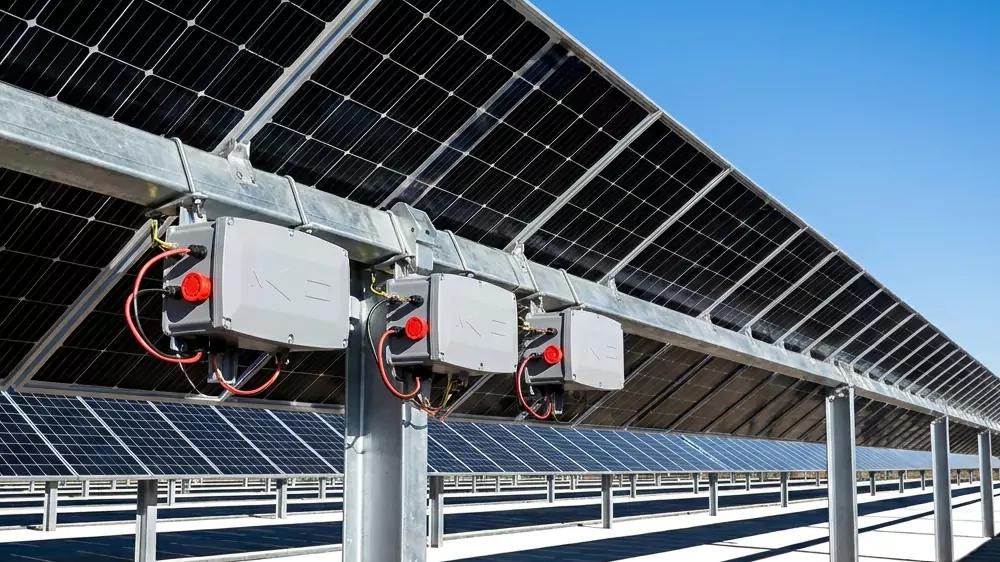

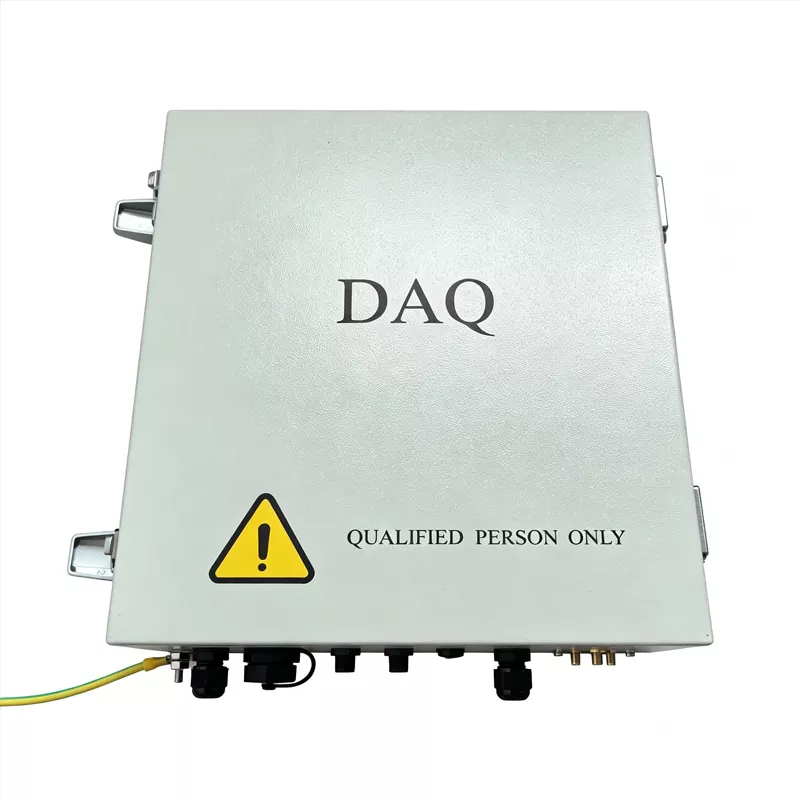
PV Communication Box
In large-scale solar power plants, O&M costs and response speed directly affect investment returns. Suzhou Ruitai’s PV Communication Box uses a standardized fault-prevention system and a simplified O&M interface to shift maintenance from reactive emergency repair to proactive prevention, significantly reducing manual O&M costs across the full lifecycle.
The PV Communication Box (NCU) is offered by the professional supplier, Ruitai. It protects solar power plants during extreme weather through intelligent sensing and automatic control. By integrating multiple extreme-weather protection strategies and combining them with data monitoring from the smart cloud platform, it enables intelligent automatic protection for solar power plants and ensures safe, stable operation in harsh environments.
Product Automated Configuration
Automated Parameter Deployment: After replacing a module, O&M personnel do not need to configure each setting manually. Once connected through a mobile app or computer, the system automatically generates a parameter table and deploys it with one click, quickly updating key settings such as protocols and baud rates.
Intelligent Association and Commissioning: The system can automatically send commands to adjust tracker angles. By comparing the commanded angle with the actual rotation angle, it accurately maps the NCU, each TCU, and the PV array, greatly improving on-site commissioning efficiency.
Predictive Maintenance and Emergency Response
Data Sharing and Redundant Protection: In large-scale solar power plants, multiple PV communication boxes can share weather data through the communication network. If a local weather data collection device fails, the NCU can obtain data from other nodes, reducing system blind spots and ensuring trackers enter protection modes, such as high-wind protection, in time.
Standardized Emergency Response: The system follows a tiered emergency response process to keep trackers protected when communication is lost. If NCU communication is completely interrupted under sunny conditions, the system switches to local automatic mode to maintain power generation. In extreme weather, the emergency plan starts immediately. Trackers are moved to a safe position through on-site manual operation or a backup communication link to prevent equipment damage.
What Does the Standardized O&M Process of PV Communication Box Include?
Routine Inspection and Maintenance
Structural Fastening: Regularly use a torque wrench to spot-check load-bearing bolts on main beams, diagonal braces, and other key components, ensuring that torque values meet the required standard.
Transmission Maintenance: Add high-temperature-resistant grease to the gearbox and slewing bearing every six months. Check gear wear clearance and keep it within ≤0.15 mm.
Corrosion Protection and Cleaning: Regularly measure the galvanized coating thickness. If local rust appears, apply zinc-rich primer promptly. Remove dust and weeds from the tracker surface.
Control System Calibration
Angle Calibration: Use tilt sensors together with the PLC program to regularly calibrate east-west limit angles and keep the error within ±0.5°.
Communication and Electrical Inspection: Regularly check wireless signal strength and packet loss rate. Clean dust inside the control box and check the stability of the power supply voltage.
Operations and Maintenance for Severe Weather
Pre-Disaster Prevention: Connect to weather alerts and adjust the mounts in advance to a wind-resistant or snow-clearing position.
Post-Disaster Review: After storms, specialists visually inspect broken glass, fallen frames, and loose cables, and only after confirming safety, issue a 'fault cleared' command to restart the system.
Dynamic Parameter Optimization: For special wind zones, such as high-altitude areas and typhoon-prone regions, O&M personnel can adjust protection thresholds and delay times in the system to match the local micro-weather conditions.
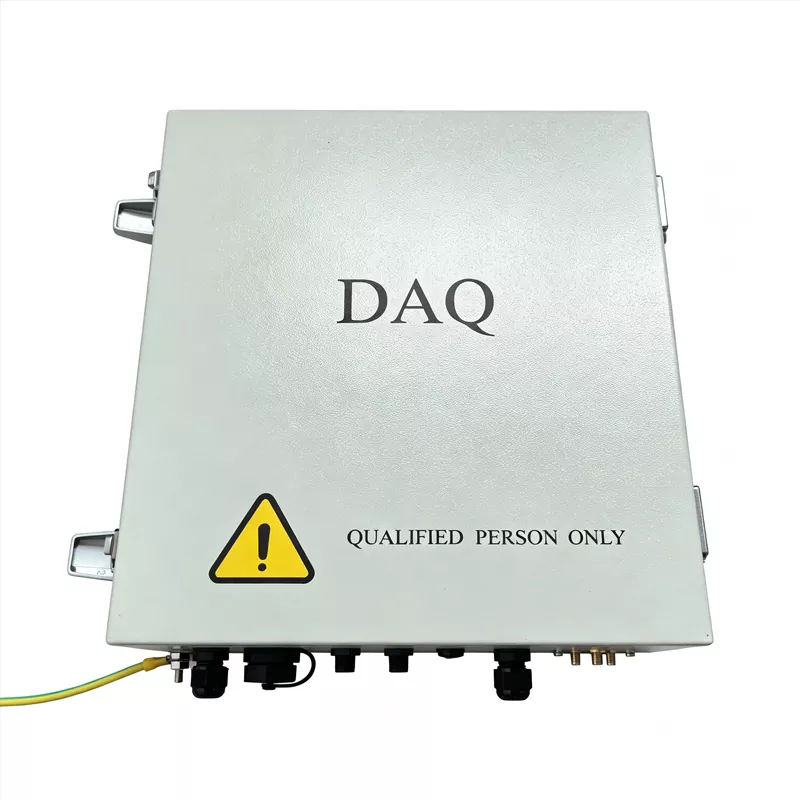
Full Specifications Table
▷ Characteristic parameters
|
Product Model |
RT-COM-V1 |
High Wind Speed Trigger Threshold |
Adjustable |
|
Power Supply |
L+N 220VAC |
Heavy Snow Trigger Threshold |
Adjustable |
|
Parameter Setting |
PC |
Latitude and Longitude |
Automatically Obtained by GPS |
|
Daily Power Consumption |
≤0.1kWh |
Time Zone |
Self-Setting |
|
GPS Signal |
Yes |
||
▷ Functional parameters
|
Weather Sensor Alarm |
Yes |
Wireless Communication (with TCU) |
Yes |
|
Communication Interruption Alarm (with TCU) |
Yes |
Communication Port |
RS485 / Ethernet |
|
GPS Module Fault Alarm |
Yes |
Wind Speed |
Yes |
▷ General parameters
|
Housing Material |
Sheet Metal |
Size |
330*96*360mm |
|
Installation Method |
Clamping |
Operating Temperature |
-40~70℃ |
|
Waterproof Rating |
IP65 |
Altitude |
< 4000m |
|
Weight |
5.4kg |
||
Multi-Dimensional Extreme Weather Response Strategies
Strong Wind Tiered Protection: The PV Communication Box receives real-time data from the micro weather station. When the wind speed hits the trigger threshold, it automatically activates the tiered protection strategy.
The system adjusts the bracket to a specific protection angle, such as parallel to the wind, based on the wind level, greatly reducing wind pressure impact.
Once the wind speed drops to a safe level, such as ≤8 m/s, and stays there for 300 seconds, the system automatically confirms it's safe and goes back to sun-tracking mode.
Hail Protection Position: Using the short-term hail forecast from the smart cloud platform, the NCU automatically commands the brackets to enter a large-angle protection posture.
With a 60° tilt protection, it can effectively withstand hail up to 75 mm in diameter, reducing annual average PV asset losses by 94%.
One-Click Snow Removal During Heavy Snow: The system checks snow depth and how long the snow has been accumulating. It can also identify dry snow and wet snow.
When snow buildup may affect system safety, O&M personnel can click "one-click snow removal" from the backend. The tracker then tilts to a large angle, allowing the snow to slide off naturally and reducing the need for costly manual snow removal.
Seamless Coordination Between Safety and Power Generation
The NCU coordinates wind protection and snow removal through unified scheduling, allowing the system to switch smoothly between protection and operation modes. After snow removal or risk-avoidance actions are completed, the system evaluates current environmental conditions and decides whether to keep the tracker in a protective position or return it to the optimal angle for irradiance capture. This helps protect solar assets while reducing power generation losses caused by shading.
Hot Tags: PV Communication Box Manufacturer, PV Communication Box Supplier, Custom PV Communication Box
Send Inquiry
Contact Info
-
Address
Building 10, Jiangsu Hainde High tech Industrial Park, No. 70 Yaofeng West Road, Mudu Town, Wuzhong District, Suzhou City, Jiangsu Province, China
-
Tel
-
E-mail
Send Us Your Project Details
Get a Tailored Quote Within 24 Hours
- ● Factory-Direct Pricing: No middlemen—you get competitive costs straight from our Suzhou plant.
- ● Fast Response: Our technical team replies within 24 hours with initial recommendations.
- ● Custom Solutions: We tailor TCU strategies, communication setups, and SCADA dashboards to your needs.
- ● Global Support: From commissioning to after-sales, our engineers are ready to assist worldwide.