
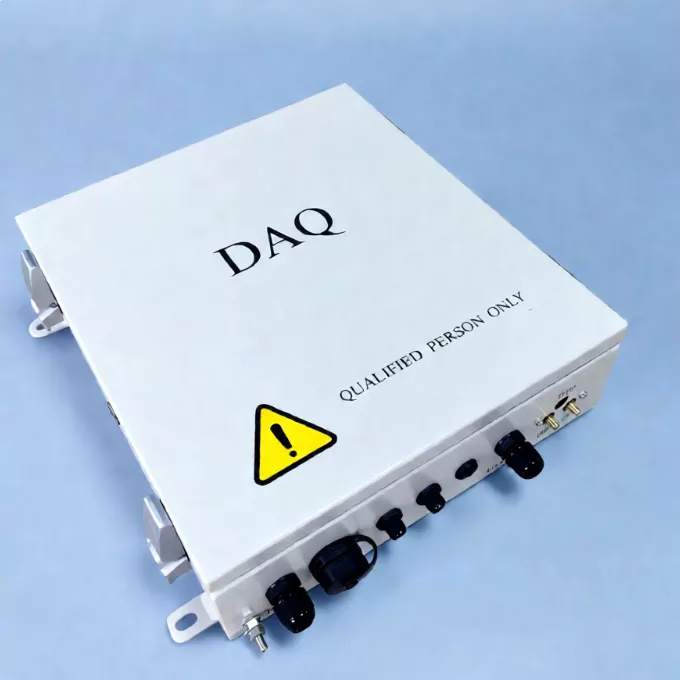
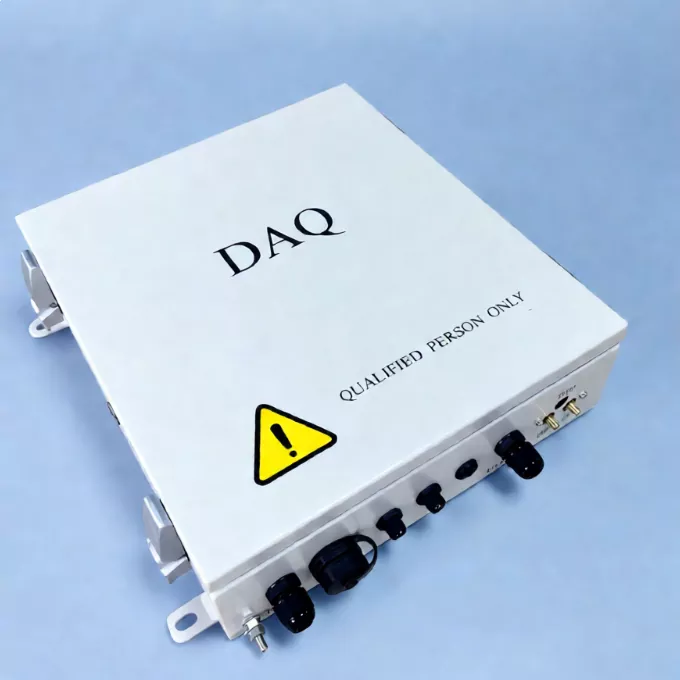
Solar PV Communication Box
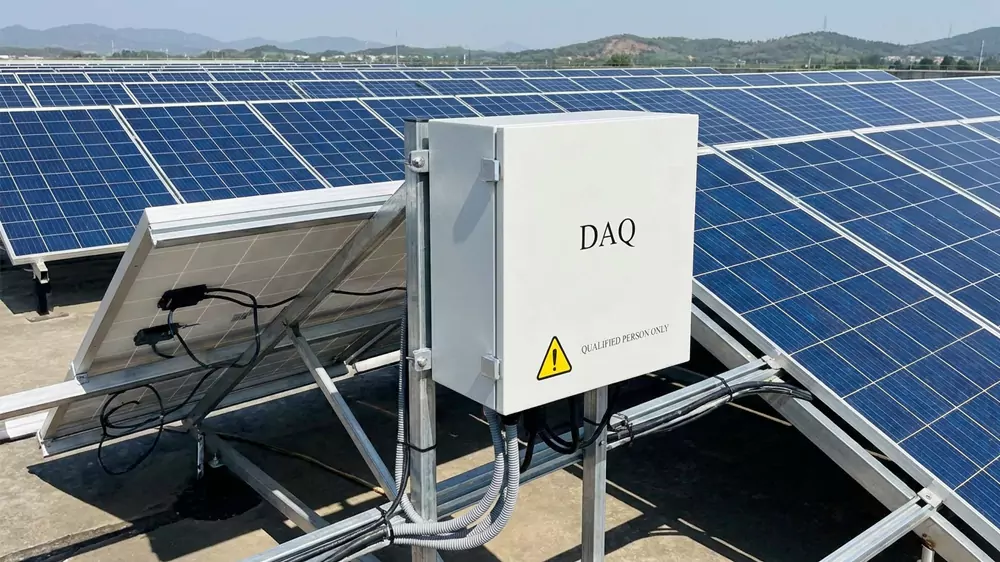
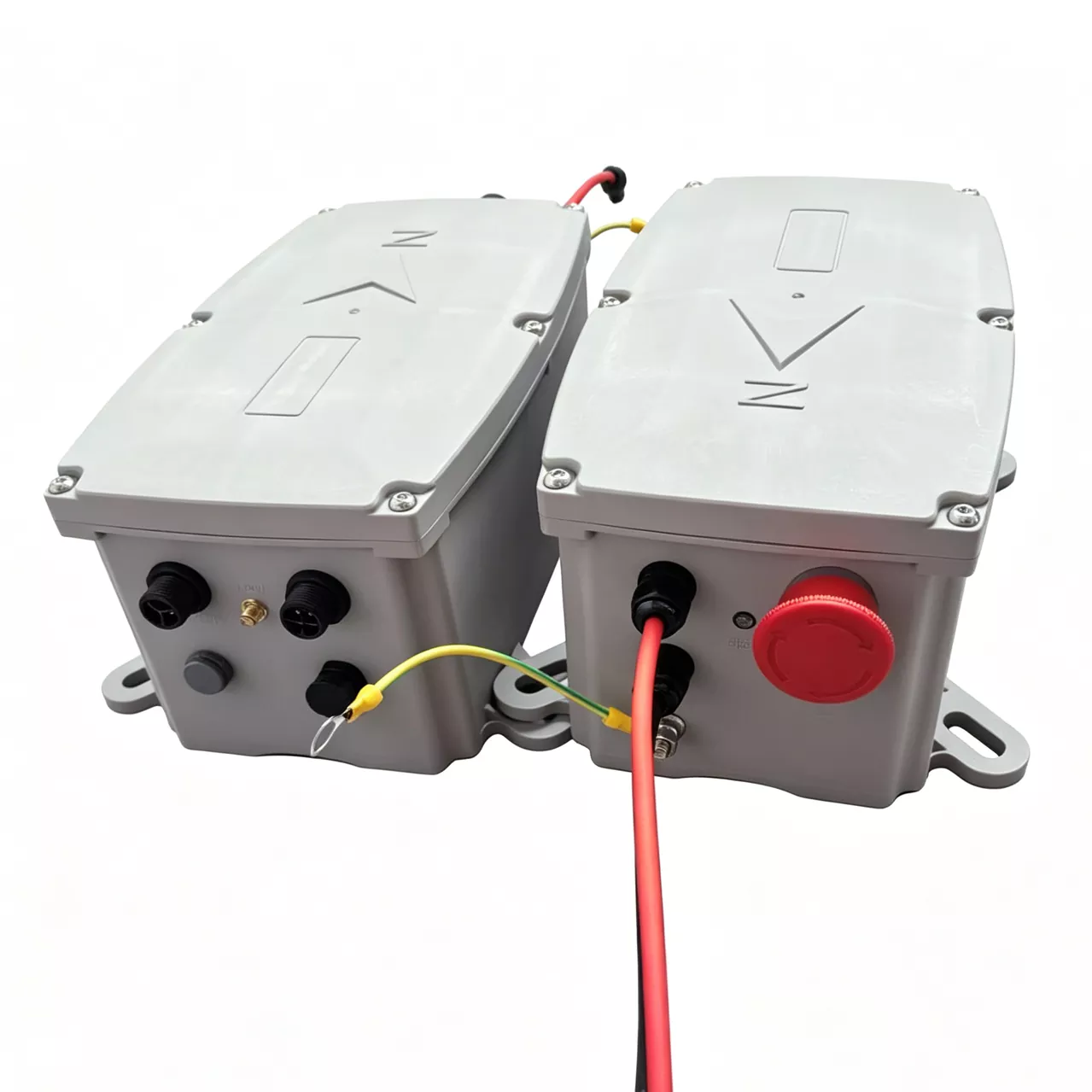
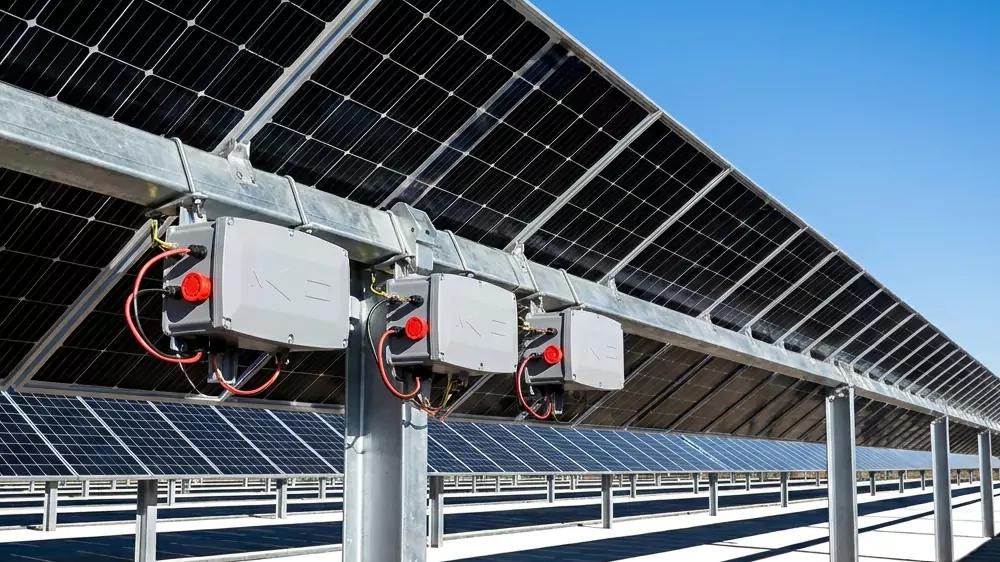
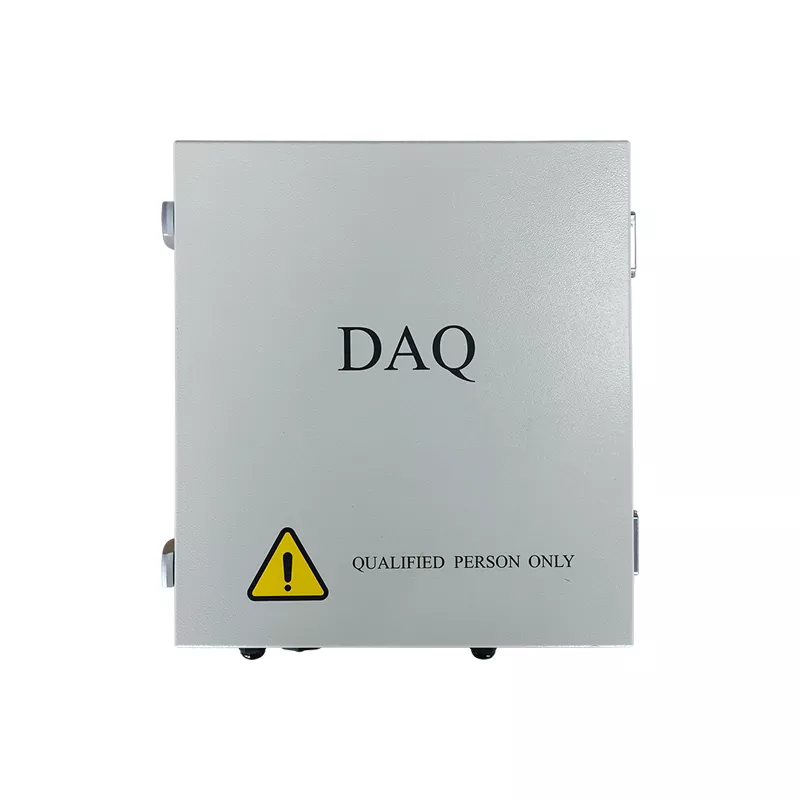
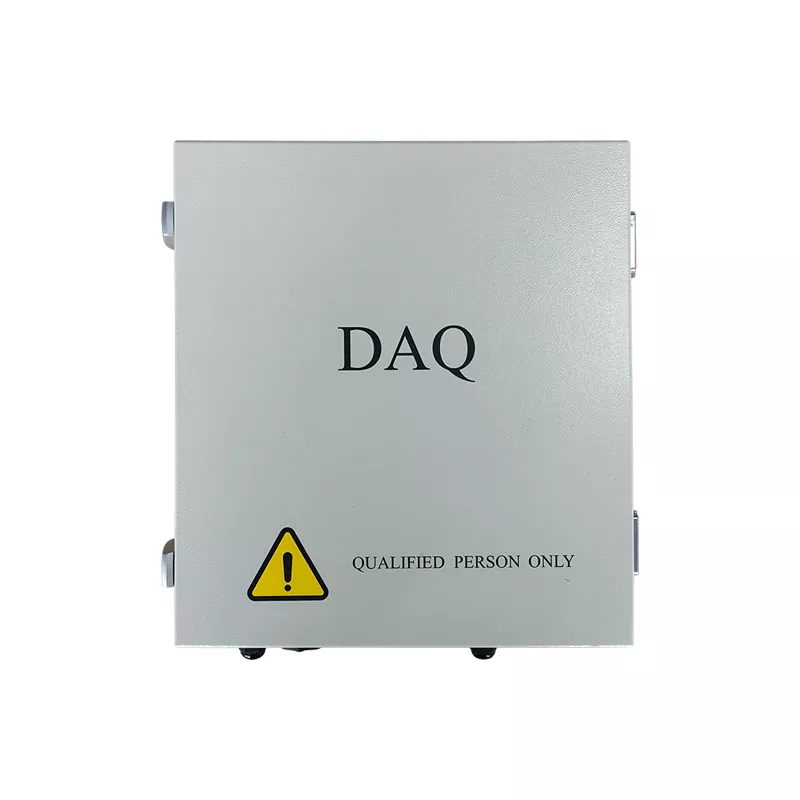
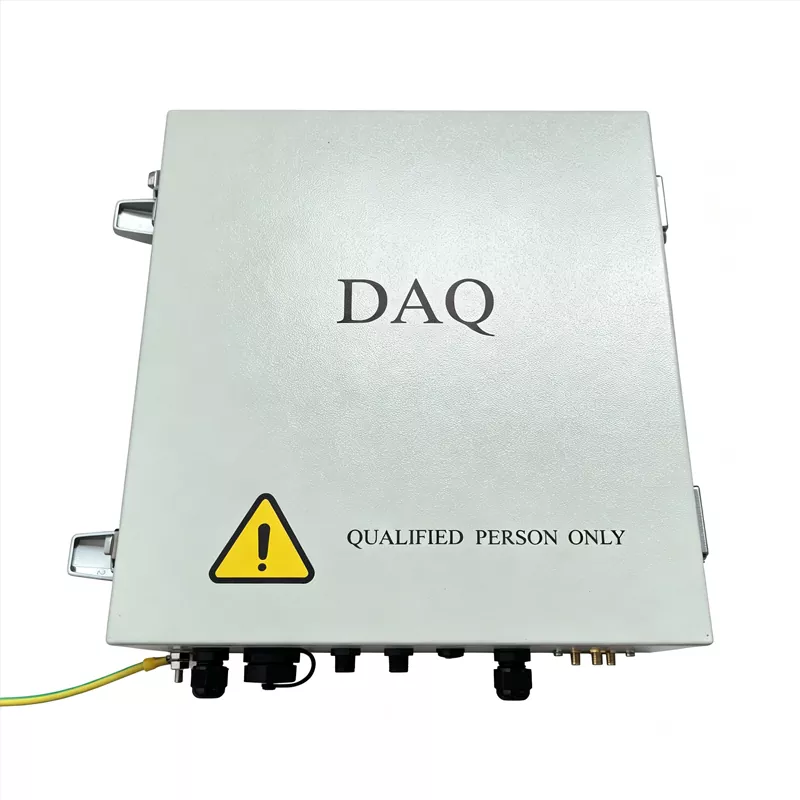
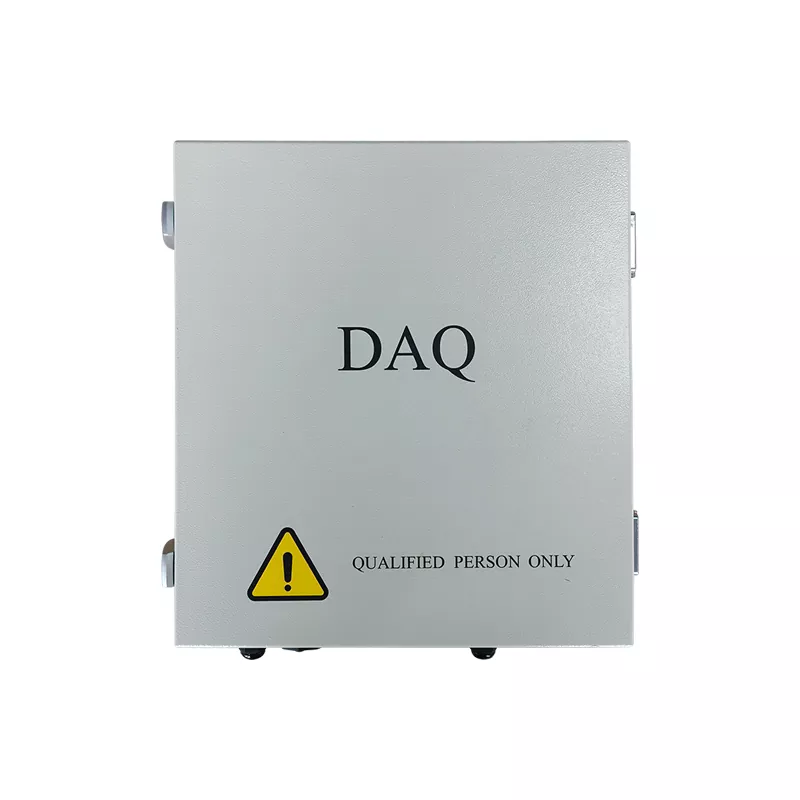
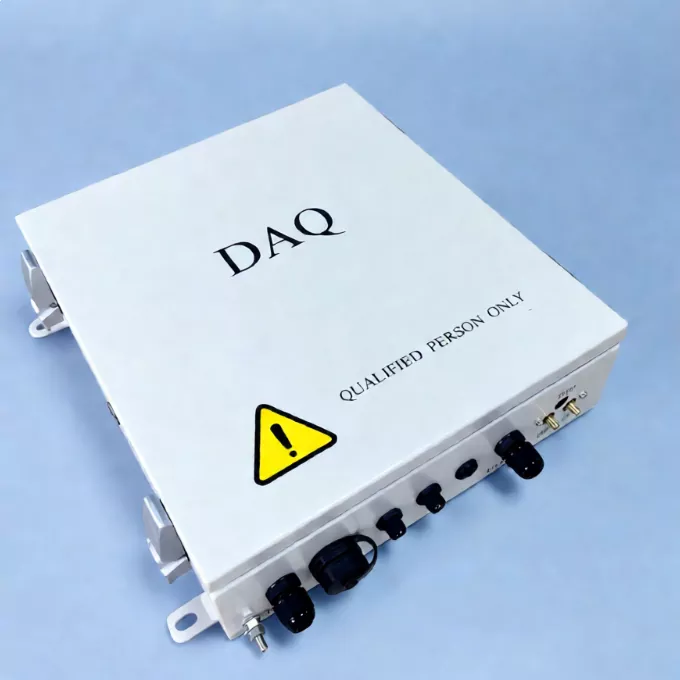
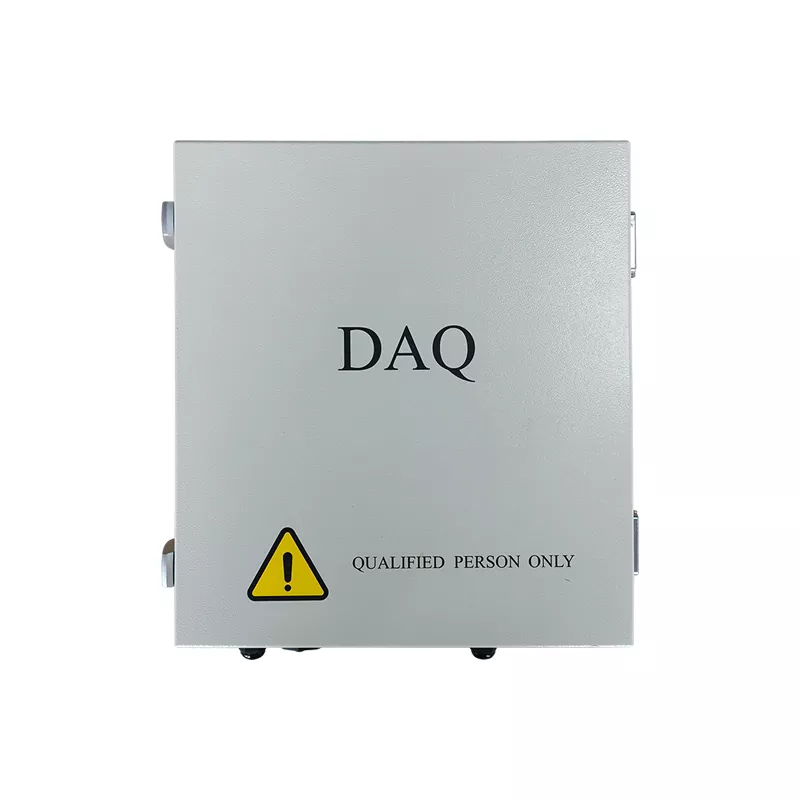
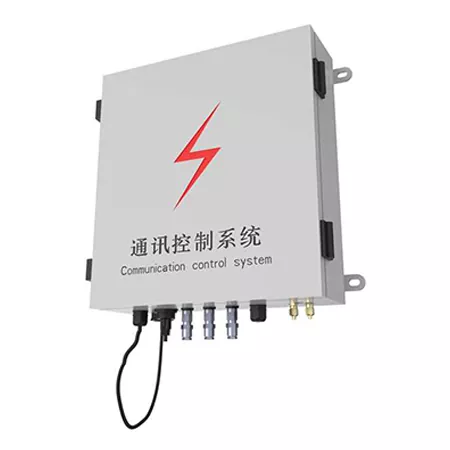
Choose Suzhou Ruitai as your manufacturer of Solar PV Communication Box; our product serves as the central hub for communication networks and solar tracking systems in large-scale solar power plants. It is built for harsh outdoor conditions and high electromagnetic interference, it combines industrial-grade hardware with advanced communication networking and intelligent decision-making. The NCU provides reliable communication and enhanced safety protection for solar power plants.
In complex and changing outdoor environments, the communication network is the backbone of stable solar power plant operation and efficient data transmission.
As the core of plant communication, the Solar PV Communication Box offered by Suzhou Ruitai factory provides powerful device-edge-cloud coordination and an optimized underlying architecture to deliver robust communication support for large-scale solar power plants, helping turn every ray of sunlight into reliable returns.
Core Technology Breakthroughs
1. Reliable Networking and Redundant Communication Links
The NCU supports redundant wired channels, including fiber optic and RS485, as well as wireless channels such as 5G and frequency-hopping spread spectrum.
Switching after a single-point failure is completed within 100 ms. RS485 communication uses daisy-chain wiring and shielded twisted-pair cables, together with 120 Ω termination resistors and a grounding design of ≤4 Ω to reduce signal reflections and electromagnetic interference at the physical layer.
2. Edge Computing and Protocol Upgrades
Edge-side data filtering and aggregation upload only abnormal values and aggregated data, reducing unnecessary traffic. Traditional polling protocols are gradually replaced by publish-subscribe IoT protocols such as MQTT.
Combined with dedicated ASIC hardware acceleration, control-command response time is reduced from seconds to milliseconds.
3. AI-Driven Dynamic Protection Algorithms
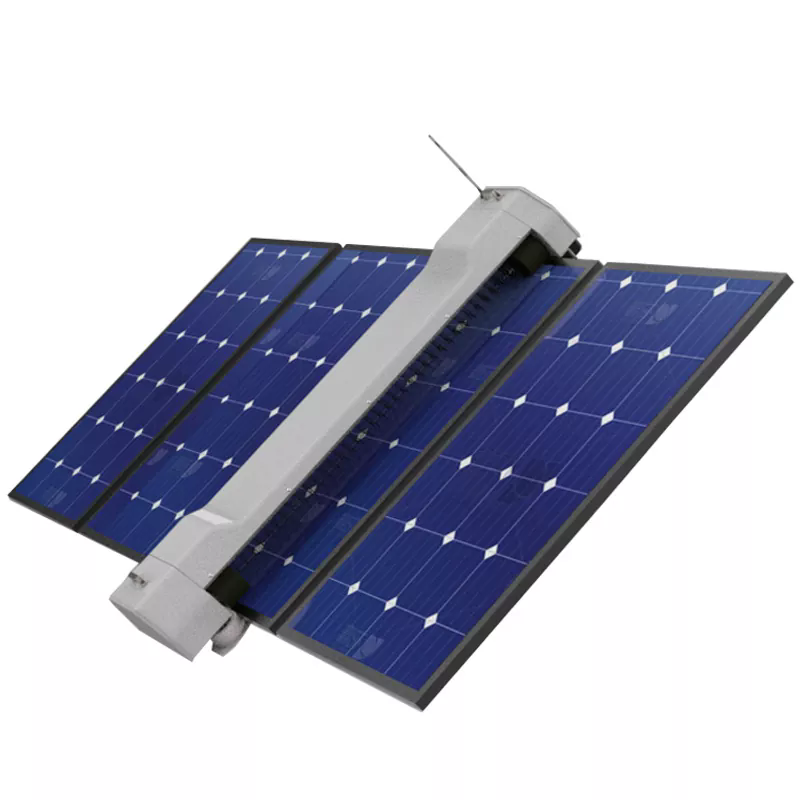
The NCU uses AI algorithms, including SuperTrack, to analyze shading and bifacial irradiance data and continuously improve tracking performance.
By monitoring local weather conditions every 0.5 seconds, it calculates the best tracker angle to capture more solar energy.
4. Bidirectional Adaptive Wind Protection
The NCU uses three wind-speed thresholds, such as 10 m/s, 12 m/s, and 15 m/s, to adjust the tracker position based on real-time wind speed and direction. It can move the tracker downwind or stow it at a safe 5° angle.
When wind speed stays at a safe level, such as ≤8 m/s, for five minutes, the system automatically returns to tracking mode.
Why Do Large-Scale Solar Power Plants Need a Solar PV Communication Box?
1. Lower O&M Costs
The NCU uses industrial-grade hardware with an operating temperature range of -40°C to 85°C and IP65 protection. It is designed to operate reliably in strong winds, blowing sand, and high electromagnetic interference.
Edge computing allows faster local decisions while reducing data transmission demands and network delays.
2. AI Tracking for Higher Power Generation
As the control unit for AI-powered tracking, the NCU uses real-time weather and PV string data to avoid shading and calculate the best tracker angle.
This helps improve overall power generation in complex terrain and diffuse-light conditions.
3. Proactive Asset Protection
The NCU also works as a micro-weather station and safety protection unit. During strong winds, heavy snow, hail, and other extreme weather, it automatically activates zone-level protection modes, including three-level wind protection and high-angle hail-protection positions, to help prevent PV module damage and tracker deformation.
4. Multi-Protocol Connectivity
The NCU supports more than 200 mainstream communication protocols, including Modbus and IEC 104.
It is compatible with inverters, weather stations, and data loggers from different brands, such as Smart Logger, allowing unified integration of multi-brand equipment.
Full Specifications Table
▷ Characteristic parameters
|
Product Model |
RT-COM-V1 |
High Wind Speed Trigger Threshold |
Adjustable |
|
Power Supply |
L+N 220VAC |
Heavy Snow Trigger Threshold |
Adjustable |
|
Parameter Setting |
PC |
Latitude and Longitude |
Automatically Obtained by GPS |
|
Daily Power Consumption |
≤0.1kWh |
Time Zone |
Self-Setting |
|
GPS Signal |
Yes |
||
▷ Functional parameters
|
Weather Sensor Alarm |
Yes |
Wireless Communication (with TCU) |
Yes |
|
Communication Interruption Alarm (with TCU) |
Yes |
Communication Port |
RS485 / Ethernet |
|
GPS Module Fault Alarm |
Yes |
Wind Speed |
Yes |
▷ General parameters
|
Housing Material |
Sheet Metal |
Size |
330*96*360mm |
|
Installation Method |
Clamping |
Operating Temperature |
-40~70℃ |
|
Waterproof Rating |
IP65 |
Altitude |
< 4000m |
|
Weight |
5.4kg |
||
Reliable After-Sales Support
Intelligent Inspection and Predictive Maintenance
To identify potential issues early, drone-based infrared scanning and edge computing are used to locate aging cables and overheating connection points.
AI monitors current, voltage, and communication status in real time to detect faults before they escalate.
Firmware OTA and Routine Maintenance
Firmware updates are provided every six months to address software vulnerabilities and improve algorithms.
Routine inspections include communication ports, network cable connectors, and lightning protection modules.
Tiered Emergency Response
If NCU communication is completely lost during normal sunny conditions, O&M personnel can assess whether to switch to local automatic mode or a fixed optimal tilt angle.
During extreme weather, emergency procedures are activated immediately to move the trackers to a safe position through on-site manual operation or a backup communication link.
FAQ
Q: How does the Solar PV Communication Box work with SCADA to enable intelligent O&M?
A: Acting as an on-site data gateway, the Solar PV Communication Box uploads equipment operational data to SCADA.
The process involves: Equipment status monitoring → Data analysis → Anomaly alerts → O&M handling.
For example, when a TCU detects a tracking anomaly, data is uploaded to the NCU, which then transmits it to SCADA to generate an alert, allowing O&M personnel to perform remote diagnostics.
Q: Why do large-scale PV projects require an NCU instead of connecting directly to TCUs?
A: Connecting directly to all TCUs would result in complex communication wiring, an excessive number of network nodes, and difficult system maintenance.
Using an NCU enables centralized management of multiple TCUs, resulting in a clearer network structure, more stable data transmission, and easier future expansion.
Q: Does the NCU require regular maintenance?
A: Yes. Recommended maintenance tasks include:
1. Checking communication status
2. Checking equipment alarm logs
3. Verifying wiring reliability
4. Inspecting protective seals
5. Updating software versions
6. Backing up configuration parameters
Send Inquiry
Contact Info
-
Address
Building 10, Jiangsu Hainde High tech Industrial Park, No. 70 Yaofeng West Road, Mudu Town, Wuzhong District, Suzhou City, Jiangsu Province, China
-
Tel
-
Email
Send Us Your Project Details
Get a Tailored Quote Within 24 Hours
- ● Factory-Direct Pricing: No middlemen—you get competitive costs straight from our Suzhou plant.
- ● Fast Response: Our technical team replies within 24 hours with initial recommendations.
- ● Custom Solutions: We tailor TCU strategies, communication setups, and SCADA dashboards to your needs.
- ● Global Support: From commissioning to after-sales, our engineers are ready to assist worldwide.
News Recommendations