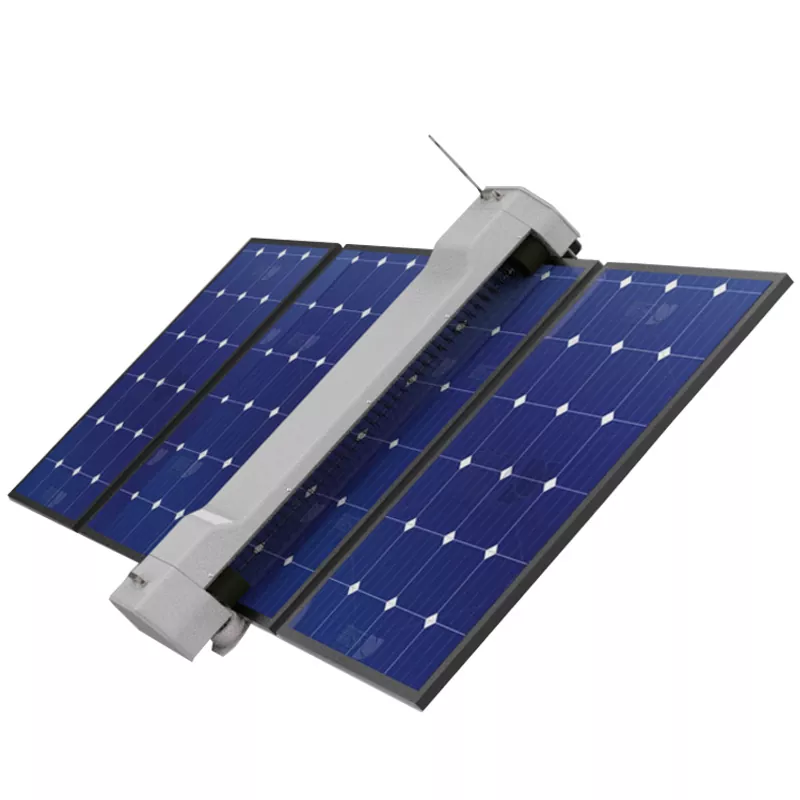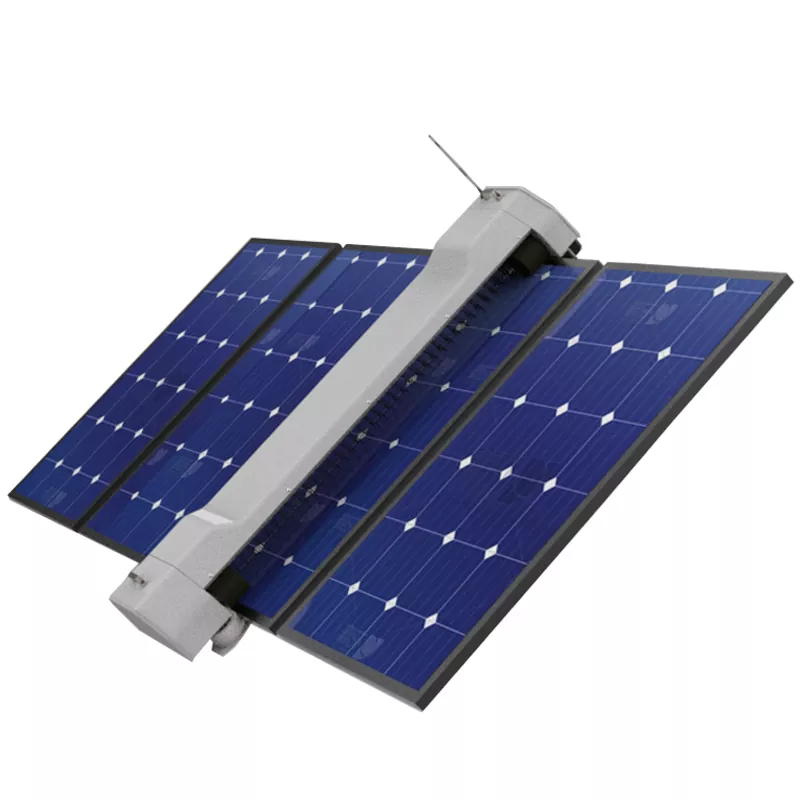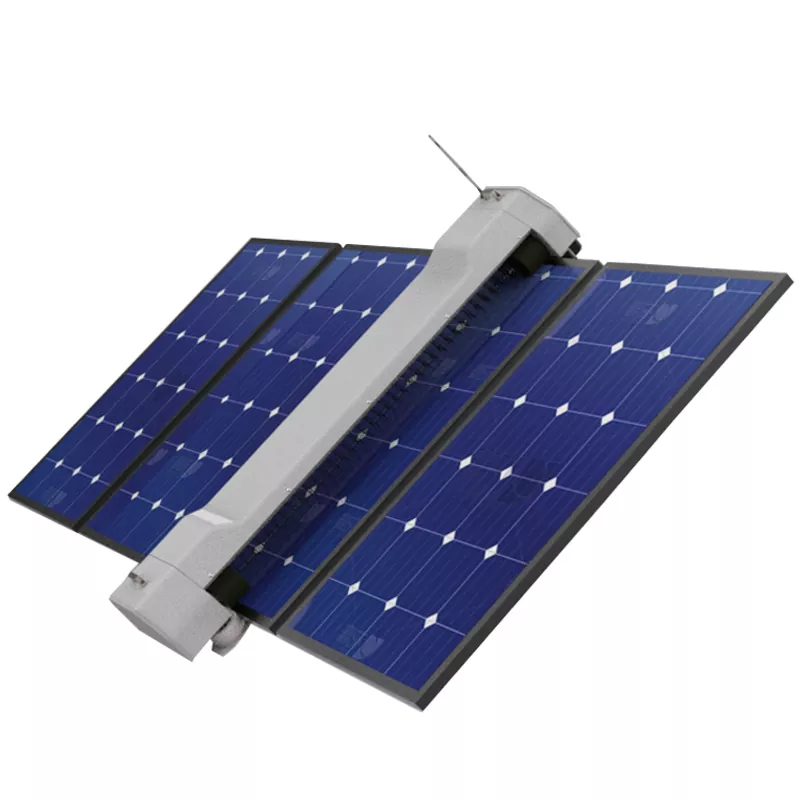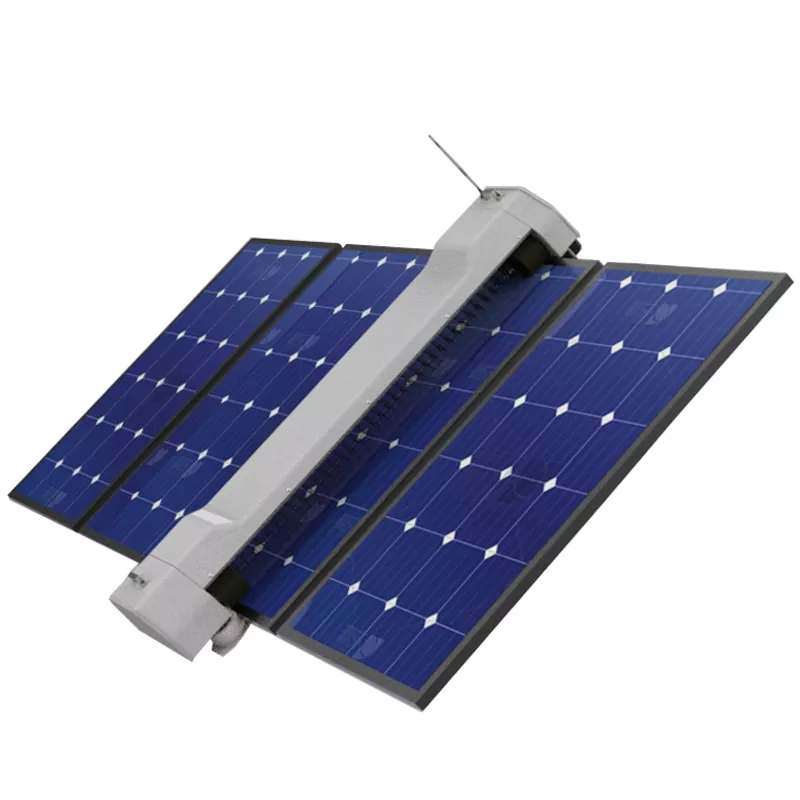
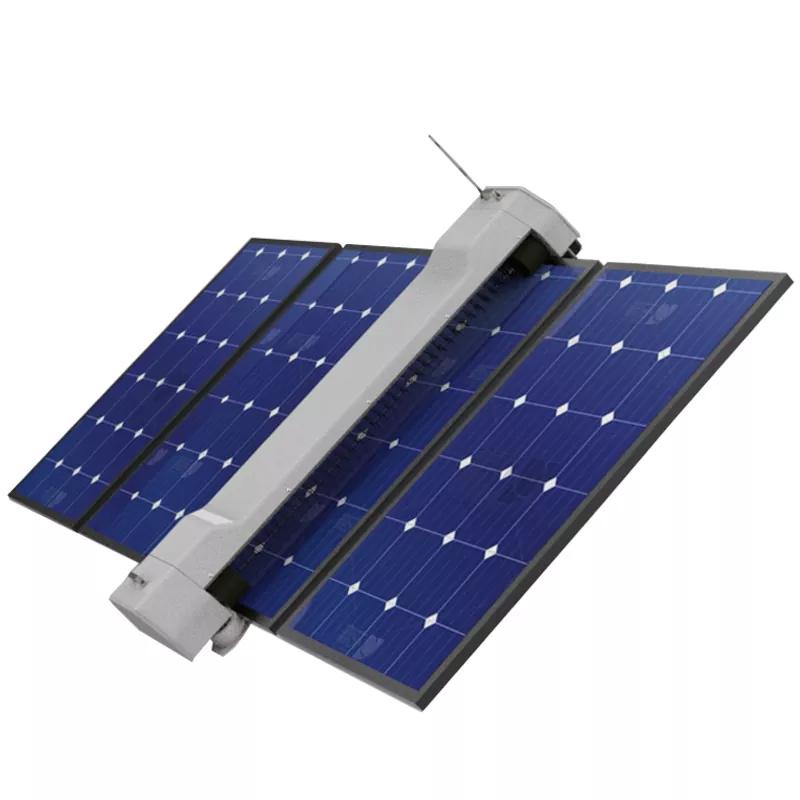
Rooftop Solar Panel Cleaning Robot
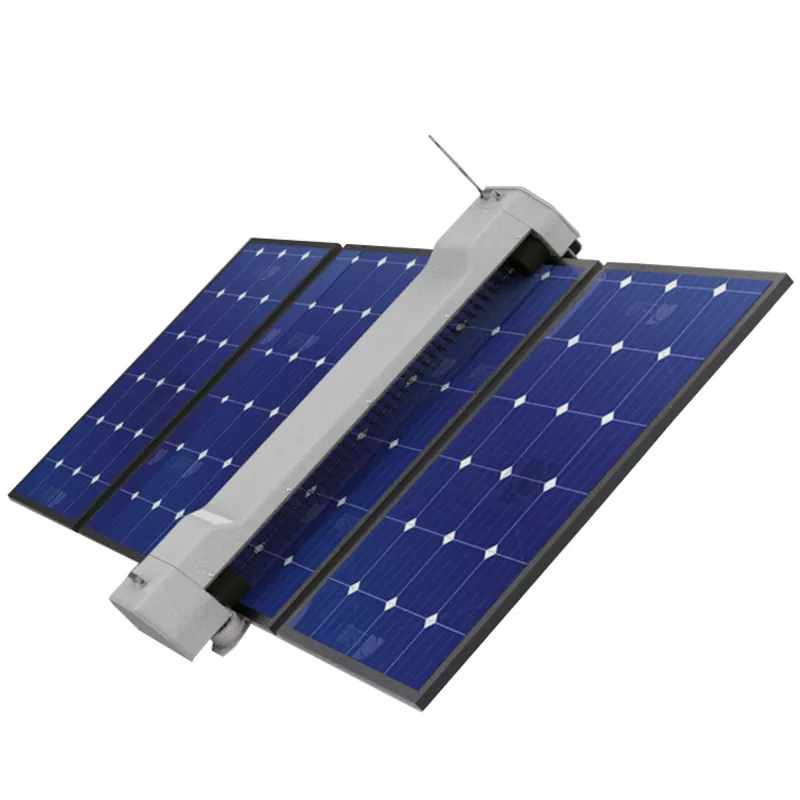
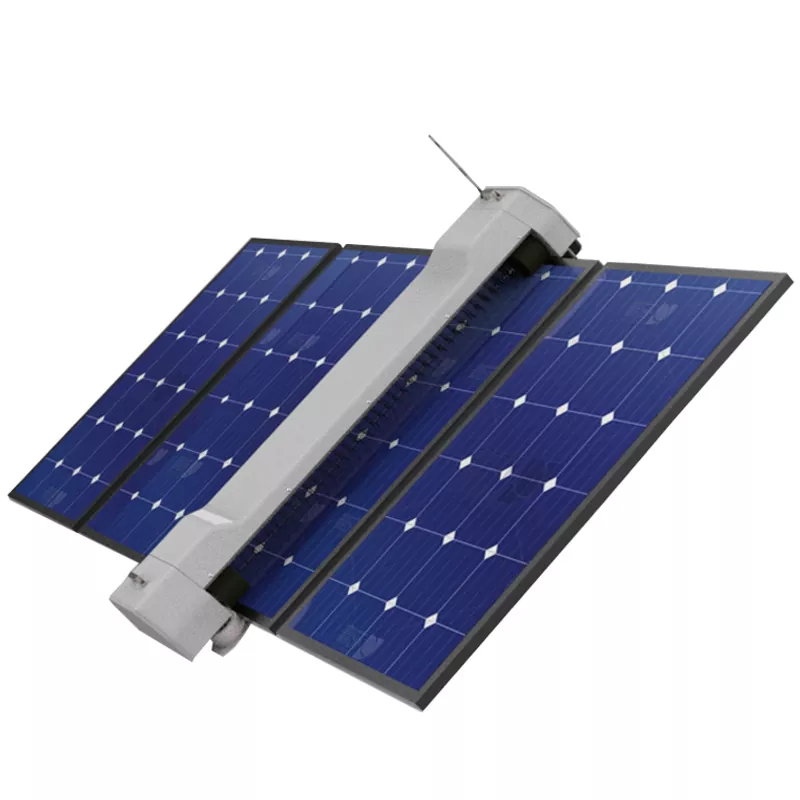
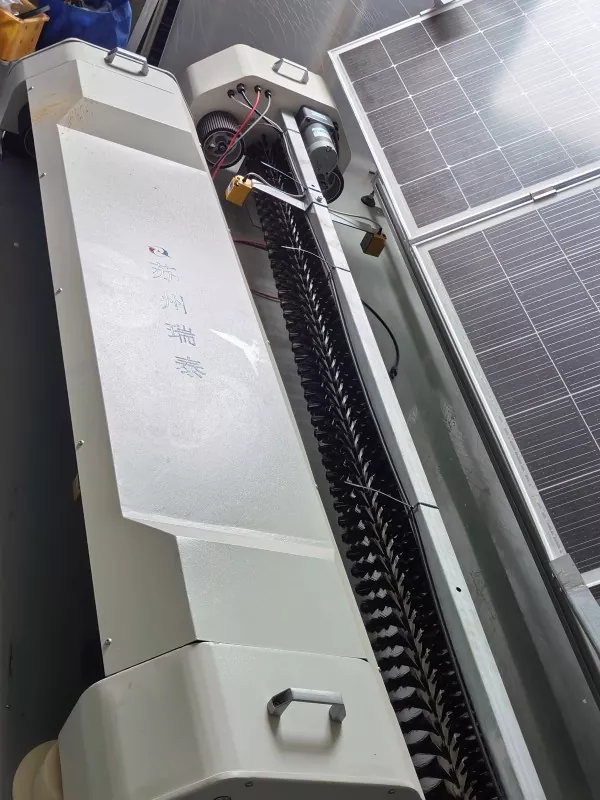
As a reliable manufacturer and supplier, Ruitai's Rooftop Solar Panel Cleaning Robot uses BeiDou satellite-based centimeter-level positioning and autonomous navigation for efficient and precise cleaning. Each robot can clean up to 1 MW of solar capacity per day. Its shock-absorbing, anti-slip tracks allow stable operation on complex surfaces, while the three-level fire protection system improves overall safety.
Ruitai offers this advanced and high-efficiency Intelligent Solar Panel Cleaning Robot, which uses BeiDou navigation and intelligent path planning to detect dirt across the panel surface and deliver thorough cleaning.
Its anti-slip track design allows stable operation on slippery panels and complex rooftop environments. The built-in three-level fire protection system also helps protect solar power plants.
With efficient, safe, and damage-free cleaning, this PV cleaning robot significantly reduces labor costs while helping maximize power generation efficiency.
Why Is Regular Solar Panel Cleaning Important?
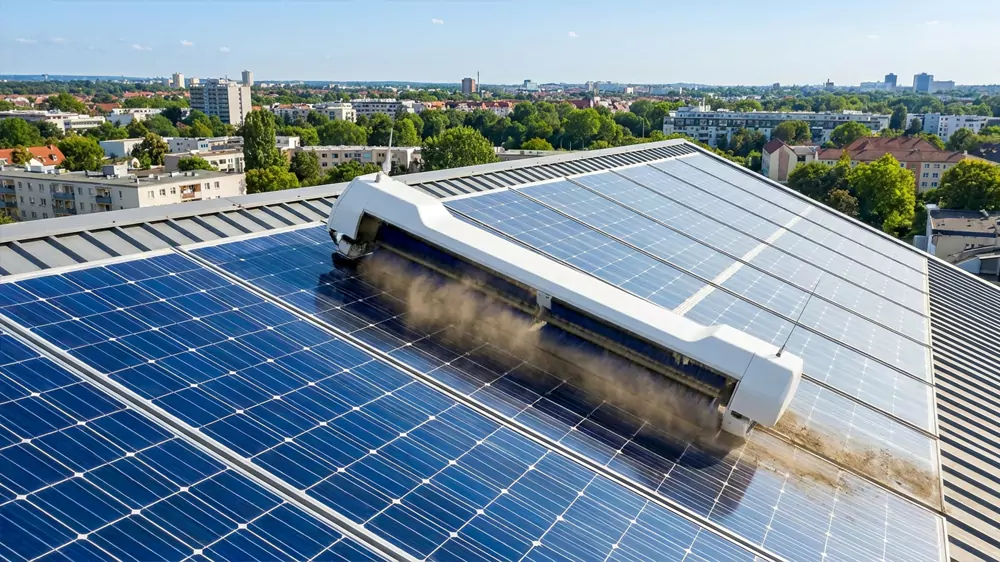
Regular solar panel cleaning is essential for the stable and efficient operation of distributed solar power plants. Dust, oil stains, fallen leaves, and other debris can block sunlight on PV modules, reducing light transmission and power generation efficiency.
Solar panels should be cleaned in the early morning, late afternoon, or on cloudy days. Cleaning should not be carried out during hot midday conditions, as cold water on hot glass may cause thermal shock and damage the panel surface. Cleaning should also be avoided during strong winds, rain, snow, and other severe weather.
The recommended cleaning frequency depends on local conditions:
● In normal areas, solar panels should be cleaned once every three months.
● In areas with heavy pollution, such as dusty regions or industrial sites, monthly cleaning is recommended.
● During the rainy season, remaining dust should be removed promptly after rainfall.
● In winter, snow should be cleared as soon as possible after snowfall.
Product Parameter
|
Product Model |
RT-PVCR-01 |
Operating Temperature Range |
-30℃~60℃ |
|
Operating Voltage |
DC 24V |
Equipment Weight |
Approximately 50KG |
|
Control Method |
Manual / Automatic / Remote Control |
Operating Noise |
<30dB |
|
Installation and Movement |
Span over the top of PV modules |
Operating Speed |
12-20m/min |
|
Dimensions |
(500 + W)mm × 580mm × 300mm (Adjustable) |
Control Method |
No by-products, no toxic or harmful substances generated |
|
Protection Rating |
IP65 |
||
Product Advantages
This solar panel cleaning robot offers high cleaning capacity, with each unit able to clean up to 1 MW of PV panels per day.
For a 2.3 MW project, three robots can complete all cleaning work within one day, significantly reducing manual cleaning costs. The robot uses BeiDou satellite navigation with centimeter-level positioning accuracy for precise operation.
After one route plan, the system automatically records cleaning points and supports autonomous navigation, positioning, and obstacle avoidance. It can detect dirt across the panel surface to ensure thorough cleaning of solar panels.
Efficient Solar Panel Cleaning with Damage-Free Protection
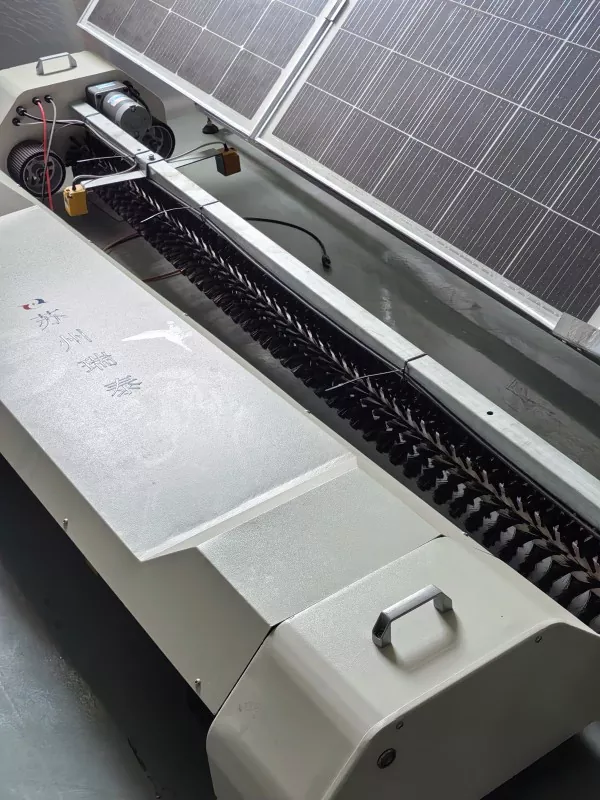
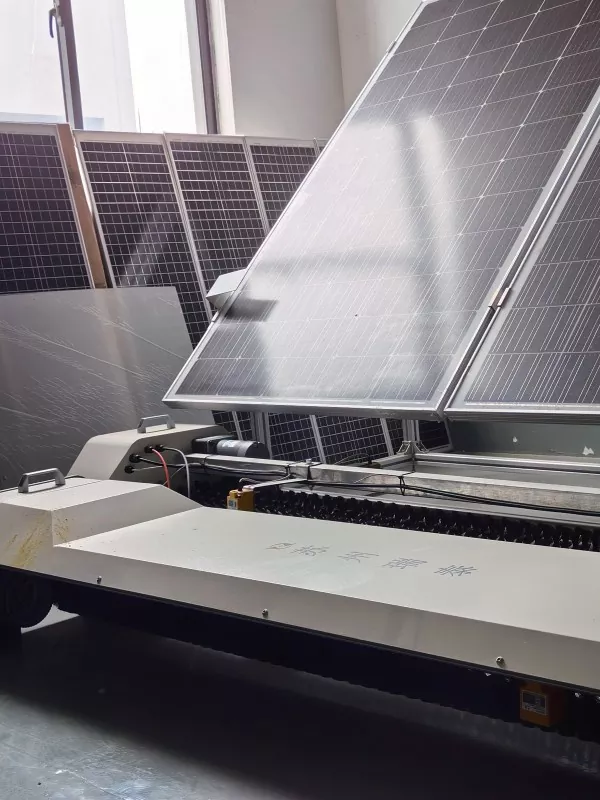
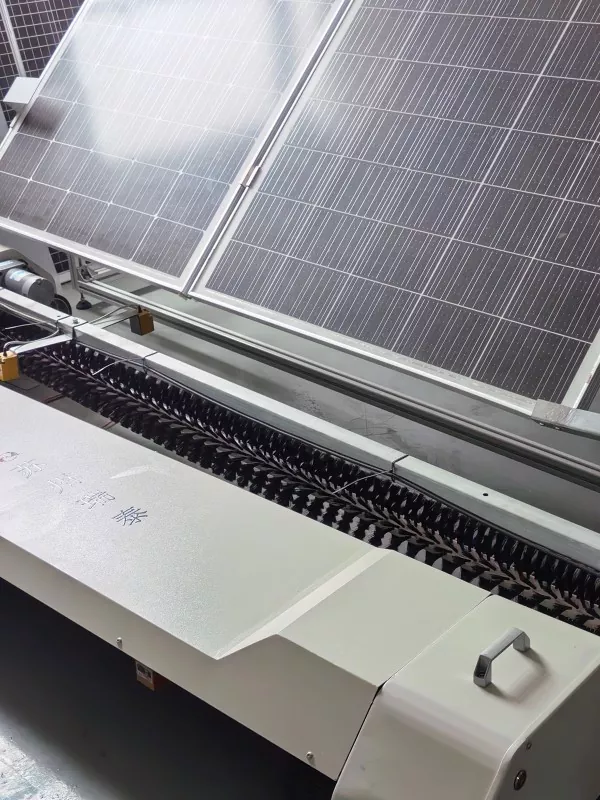
Our Rooftop Solar Panel Cleaning Robot is equipped with shock-absorbing, anti-slip tracks for stable operation in complex environments.
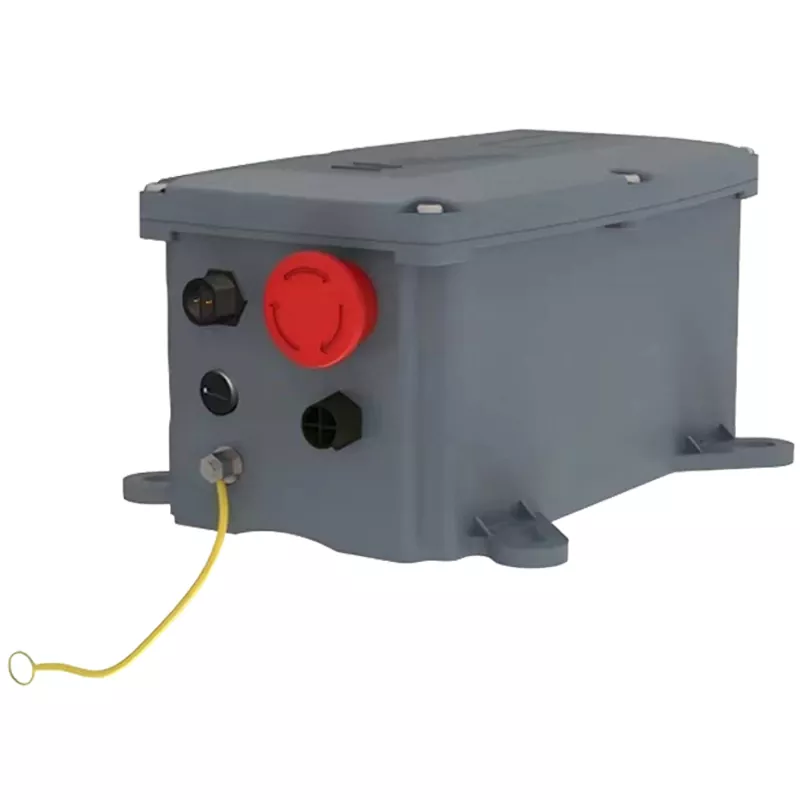
It can move onto panels, turn, and clean smoothly, even on colored steel roofs or slippery panel surfaces. For safety, the robot features a three-level fire protection system. Automatic fire extinguishing devices are installed in the battery housing, equipment enclosure, and garage to handle different safety risks.
While delivering efficient cleaning, the robot protects PV modules from damage and keeps each panel at optimal light transmission, helping maximize solar power generation efficiency and improve overall power plant operation and maintenance.
How to Use the Rooftop Solar Panel Cleaning Robot?
Phase 1: Preparation
1. Environmental Assessment: Check weather conditions and inspect the PV array surface for anomalies such as standing water or ice.
2. Equipment Inspection: Check the robot's battery level, inspect the cleaning brushes for wear, and ensure the drive wheels are clean and free of tangled debris. Verify that sensors are functioning correctly.
3. Task Planning: Configure the cleaning area, path, and schedule via the SCADA platform or app, and select the cleaning mode.
Phase 2: Standardized Cleaning Workflow
1. Deployment: Transport the Rooftop Solar Panel Cleaning Robot to the roof and place it at the starting end of the PV array.
2. Activation: Issue cleaning commands via the remote control or app, and set the cleaning area and path.
3. Cleaning: The robot moves autonomously across the module surfaces while the cleaning brushes operate to remove dust and dirt.
4. Obstacle Crossing: Upon encountering gaps between modules or junction boxes, the device automatically adjusts its posture to cross them smoothly.
5. Return: Upon completion, the robot automatically returns to the starting point or charging station and submits a task report.
Common Faults and Troubleshooting Methods
|
Exception Type |
Handling Procedures |
|
Low Battery |
Robot automatically returns to the charging dock; check if solar panels are obstructed or soiled |
|
Obstacle Avoidance Failure / Stuck |
Remotely pause the task and dispatch personnel to inspect the obstruction; resume after manual removal |
|
Communication Interruption |
Check the NCU communication box and network signal; verify SIM card/fiber optic connections |
|
Poor Cleaning Performance |
Check cleaning brushes for wear and replace if necessary; adjust cleaning pressure or travel speed parameters |
|
Sensor Malfunction |
Retrieve fault codes via the platform to identify the faulty sensor; replace the part and recalibrate |
|
Extreme Weather Warning |
Platform automatically issues a "stow" command; robot moves to a safe standby position |
Hot Tags: Rooftop Solar Panel Cleaning Robot Manufacturer, Rooftop Solar Panel Cleaner, Automatic Solar Cleaning Robot
Send Inquiry
Contact Info
-
Address
Building 10, Jiangsu Hainde High tech Industrial Park, No. 70 Yaofeng West Road, Mudu Town, Wuzhong District, Suzhou City, Jiangsu Province, China
-
Tel
-
E-mail
Send Us Your Project Details
Get a Tailored Quote Within 24 Hours
- ● Factory-Direct Pricing: No middlemen—you get competitive costs straight from our Suzhou plant.
- ● Fast Response: Our technical team replies within 24 hours with initial recommendations.
- ● Custom Solutions: We tailor TCU strategies, communication setups, and SCADA dashboards to your needs.
- ● Global Support: From commissioning to after-sales, our engineers are ready to assist worldwide.