• Proven Efficiency

    Achieve 15%-30% higher energy output via advanced tracking algorithms.

  • Rigorous Testing

    IP66/IP65 protection, -40°C to +85°C operational range, and storm stow safety.

  • Global Reach

    10GW+ shipment capacity; products exported to 30+ countries (Asia, Europe, Americas).

  • Quality Assurance

    CE, ISO 9001, and HTW certified; 20+ intellectual property rights.

Product Categories

Explore Our Diverse Range of High-Quality Solar Tracking Controllers
Intelligent Solar Tracker TCU
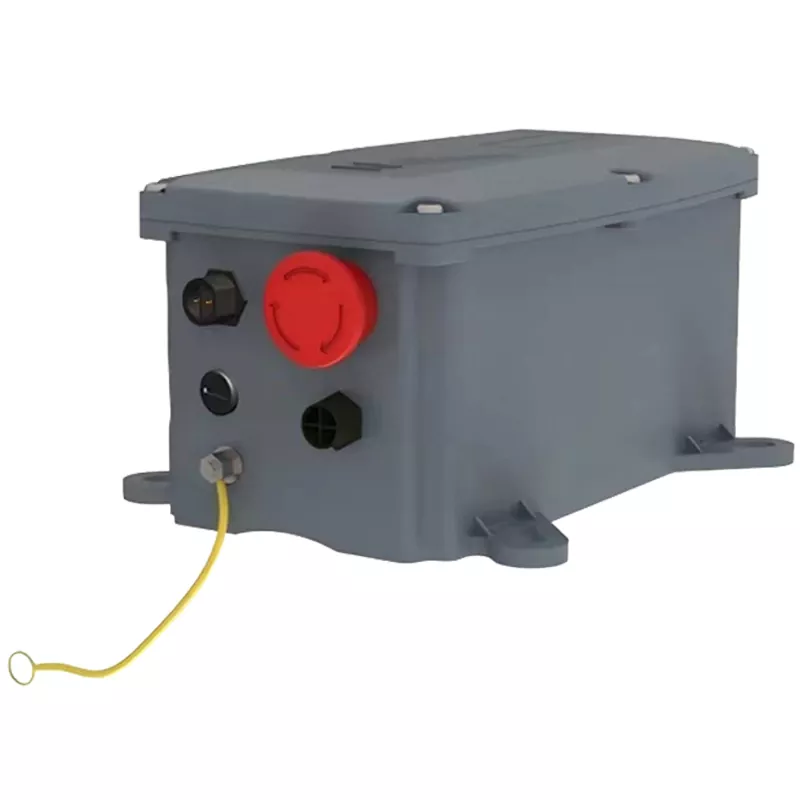
Intelligent Tracker Communication Box NCU
SCADA Intelligent Operation and Maintenance Platform
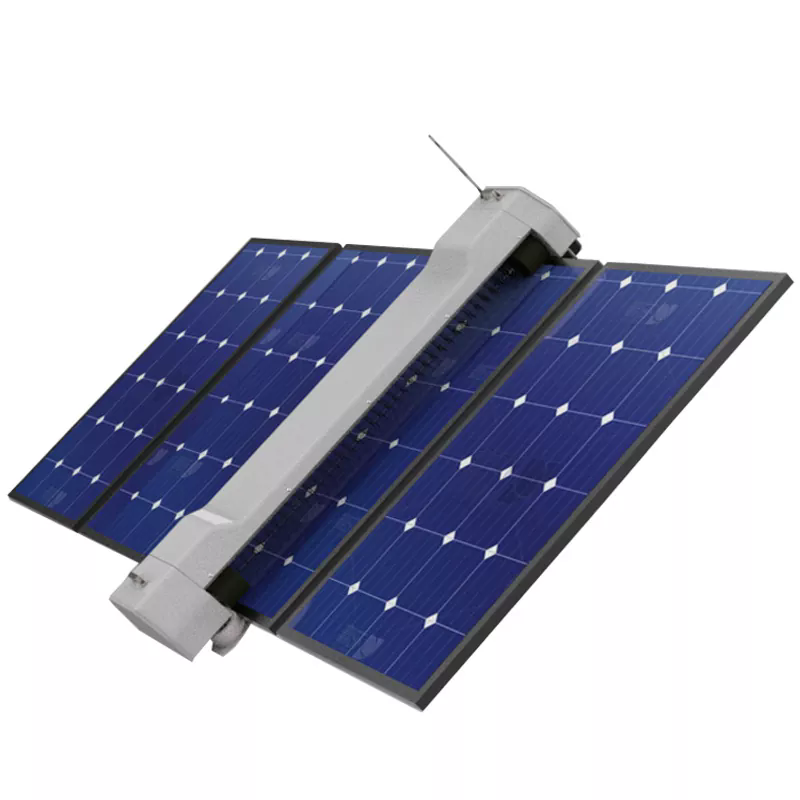
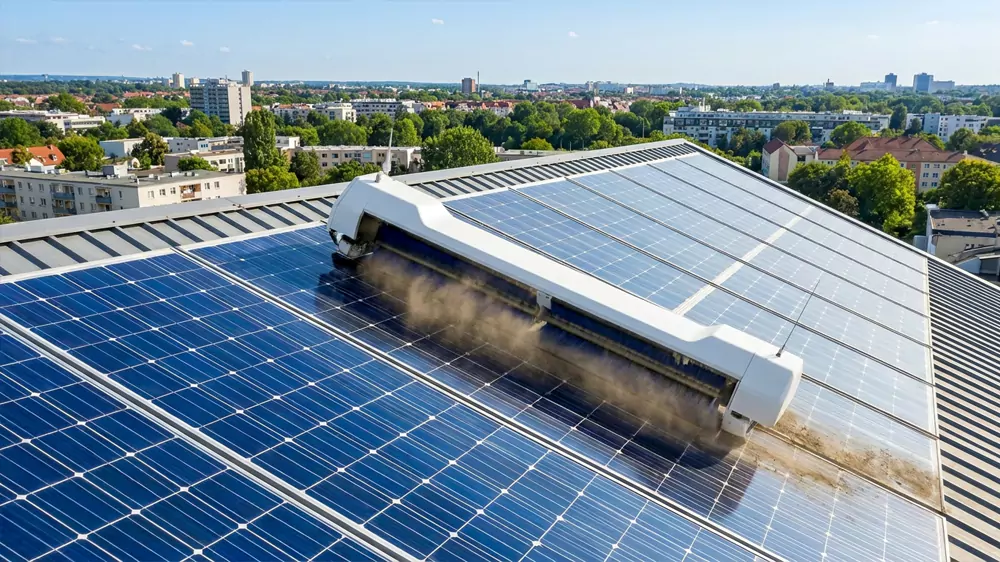
Intelligent PV Cleaning Robot

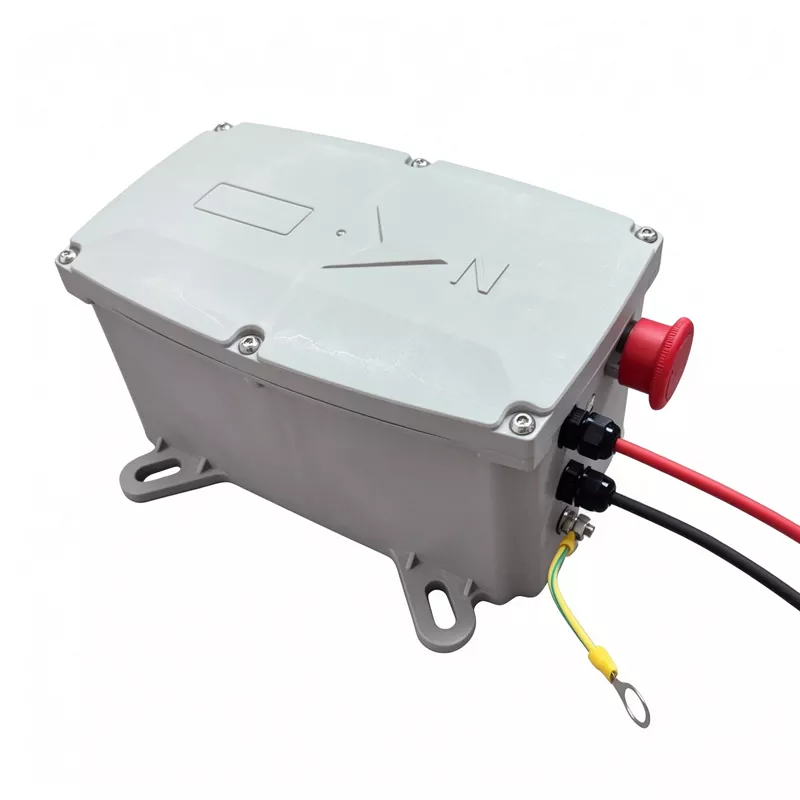
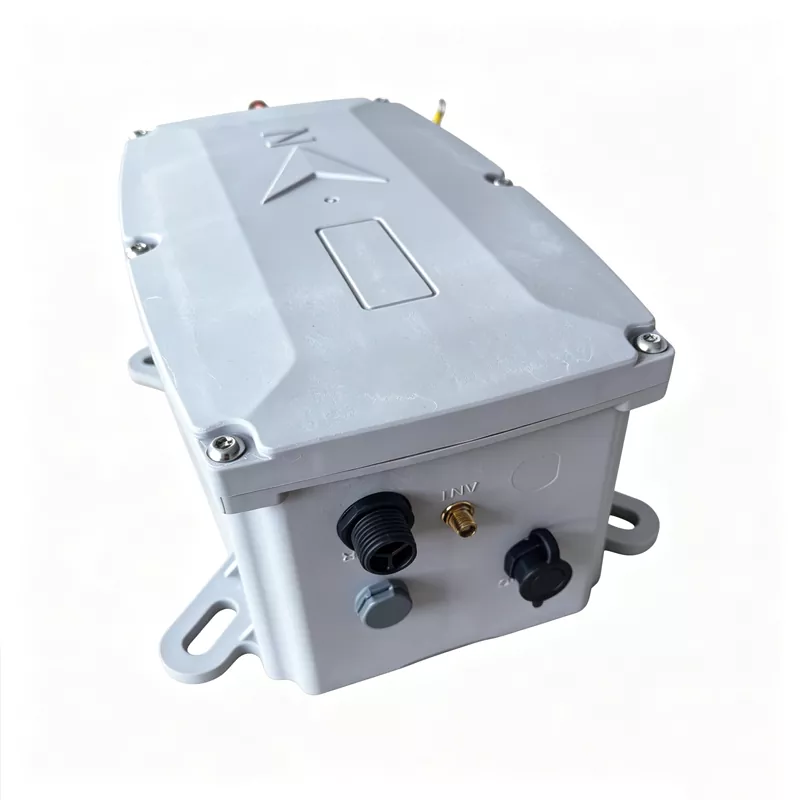
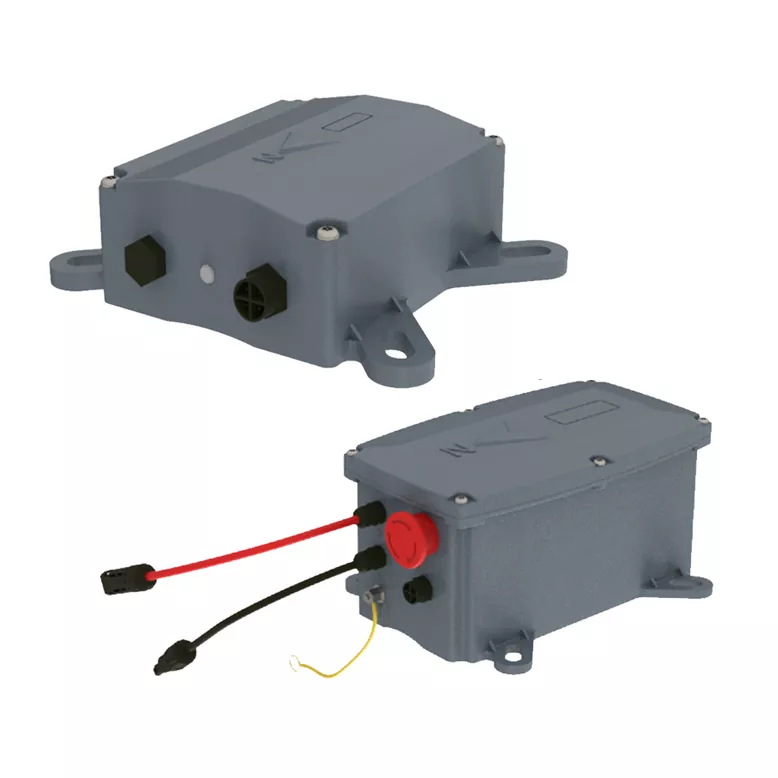
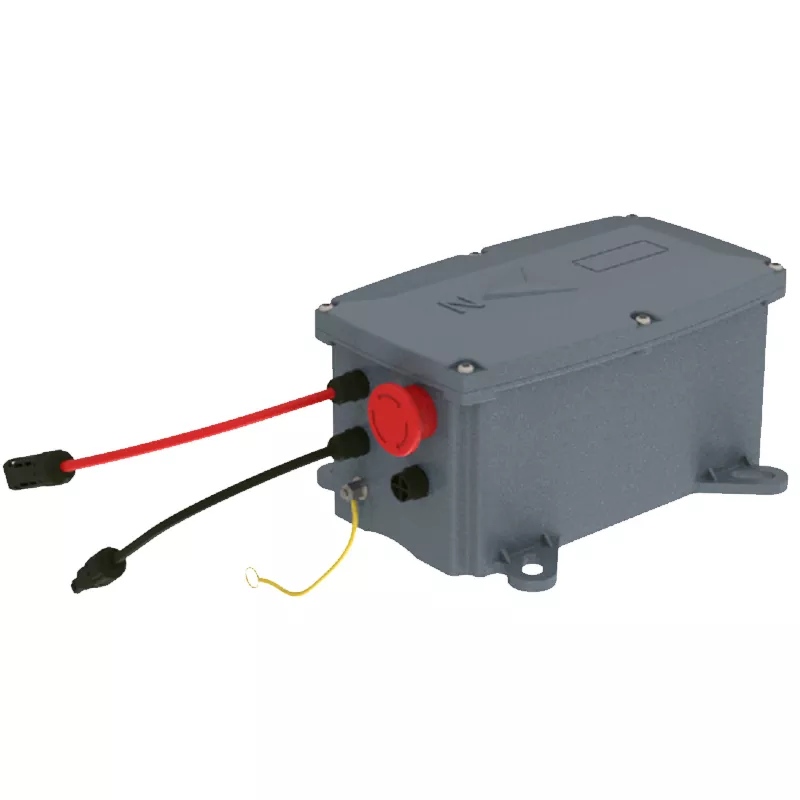
Intelligent Solar Tracker TCU

Tracker Control Unit

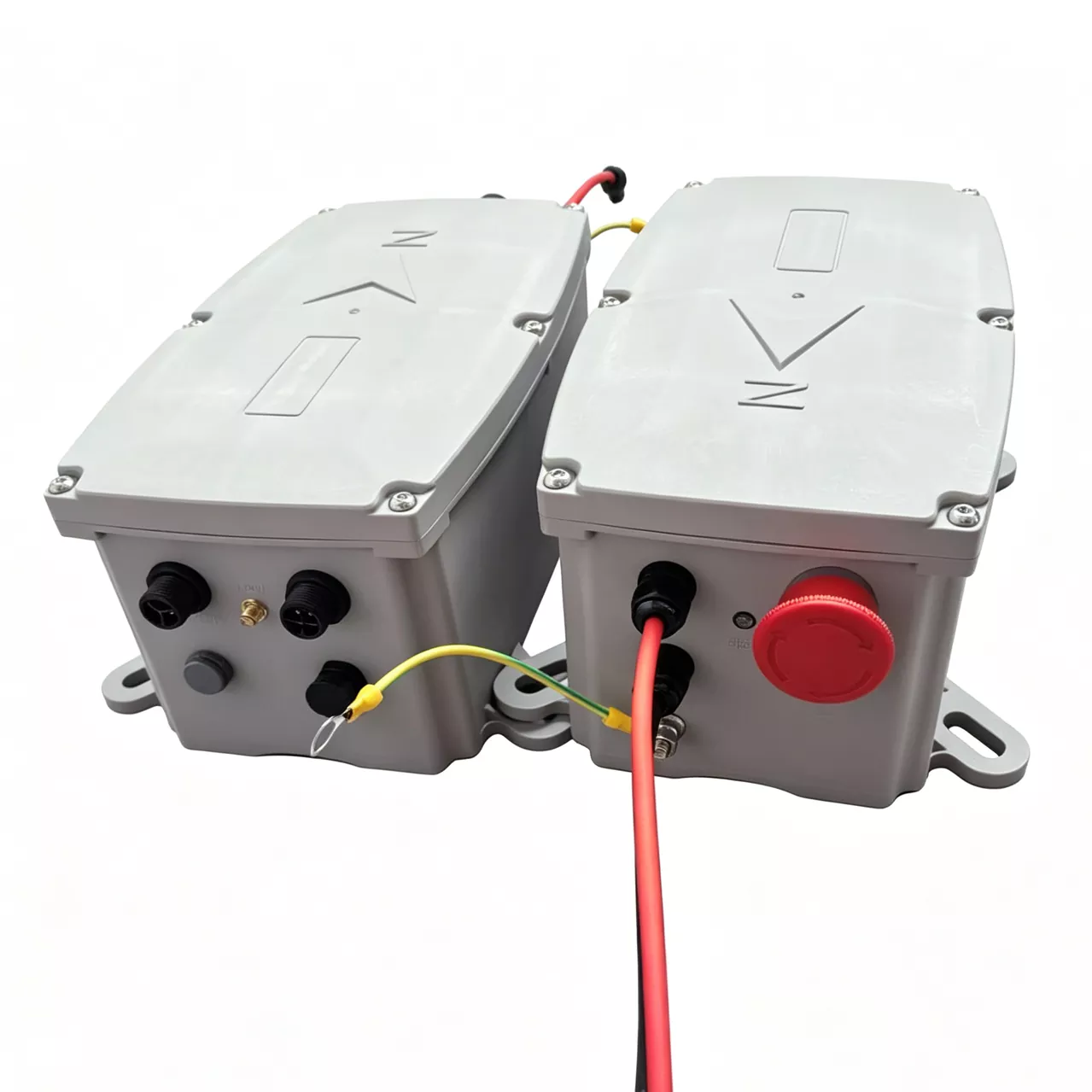
The TCU is the core control unit for each solar tracker row. It receives commands from the NCU, adjusts the tracking angle in real time based on AI algorithms, and ensures optimal sunlight capture throughout the day. With built-in sensors and self-diagnosis, it guarantees reliable operation in all weather conditions.

Explore TCU Details →

Intelligent Tracker Communication Box NCU

Network Control Unit

The NCU serves as the central communication hub for the entire tracking system. It connects to multiple TCUs via wireless or wired networks, collects operational data, and relays commands from the SCADA platform. With robust industrial-grade design, it ensures stable data transmission and remote monitoring capabilities.

Explore NCU Details →

SCADA Intelligent Operation and Maintenance Platform

Supervisory Control and Data Acquisition

The SCADA platform provides centralized monitoring, control, and data analytics for the entire photovoltaic plant. It visualizes real-time performance metrics, detects anomalies with AI-powered diagnostics, and generates maintenance recommendations. This intelligent O&M platform significantly reduces downtime and improves overall plant efficiency.

Explore SCADA Platform →

Intelligent PV Cleaning Robot

Automated Solar Panel Cleaning Solution

The intelligent cleaning robot autonomously navigates solar panel arrays to remove dust and debris, maximizing energy yield. Equipped with smart sensors and AI path planning, it operates without human intervention, adapts to various panel layouts, and minimizes water usage. Regular cleaning with our robot can boost power generation by up to 15%.

Explore Cleaning Robot →

Ruitai Automation - Professional Solar Tracking Control Manufacturer

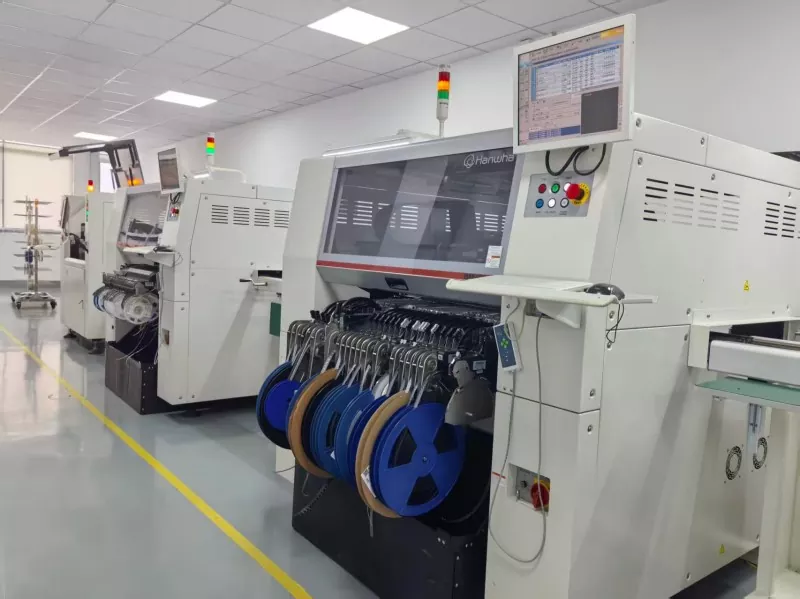
Established in 2020, Suzhou Ruitai Automation Technology Co., Ltd. is a professional manufacturer and high-tech enterprise rooted in Suzhou, China. We specialize in the R&D and production of intelligent photovoltaic tracking control systems. Unlike trading companies, we operate a full-scale factory integrating SMT production lines and rigorous quality control (ISO 9001). As a global supplier exporting to 50+ countries, we are dedicated to turning every ray of sunshine into unlimited power through "Intelligent Control of Sunshine."

China TCU and NCU Manufacturer and Supplier Since 2020
Data icon
sm
Proven Efficiency

Achieve 15%-30% higher energy output via advanced tracking algorithms.

Support icon
sm
Rigorous Testing

IP66/IP65 protection, -40°C to +85°C operational range, and storm stow safety.

Compliance icon
sm
Global Reach

10GW+ shipment capacity; products exported to 50+ countries (Asia, Europe, America).

Future icon
sm
Quality Assurance

CE, ISO 9001, and HTW certified; 20+ intellectual property rights.

Frequently Asked Questions

Find answers to the most common questions about our solar tracking solutions

What is a solar tracker controller and how does it work?

A solar tracker controller is an intelligent device that automatically adjusts the angle of solar panels to follow the sun's path throughout the day. Our TCU (Tracker Control Unit) uses AI algorithms and built-in sensors to calculate the optimal angle, ensuring maximum sunlight capture and increasing energy output by 15%-30% compared to fixed systems.

What are the main components of your tracking system?

Our complete solar tracking system consists of four main components: 1) TCU (Tracker Control Unit) - controls each individual tracker row; 2) NCU (Network Control Unit) - serves as the central communication hub; 3) SCADA Platform - provides centralized monitoring and data analytics; and 4) Intelligent PV Cleaning Robot - automates panel maintenance for optimal performance.

What certifications do your products have?

Our products are fully certified with CE, ISO 9001, and HTW certifications. We hold over 20 intellectual property rights and our products are rigorously tested to meet international quality standards. Our factory operates under strict ISO 9001 quality management systems.

What is the operational temperature range of your controllers?

Our controllers are designed for extreme weather conditions with an operational range of -40°C to +85°C. They feature IP66/IP65 protection ratings, ensuring reliable performance in harsh environments including dust, rain, and extreme temperatures.

Do you provide technical support and installation services?

Yes, we provide comprehensive technical support including installation guidance, commissioning assistance, and ongoing maintenance support. Our team of experienced engineers is available to help you with system design, deployment, and troubleshooting throughout the project lifecycle.

What is the shipping and delivery time for your products?

With a production capacity of 10GW+, we maintain efficient manufacturing and delivery processes. Standard delivery time is 2-4 weeks depending on order size and destination. We have exported to 30+ countries across Asia, Europe, and the Americas with reliable logistics partnerships.

Case

Driven by technology, guided by the market, and committed to meeting customer needs

Send Inquiry

Get factory-direct pricing and customized support from Ruitai's professional team—simply send your inquiry to receive a quick quote, bulk order options, and tailored solutions for your specific project requirements.

News

Stay informed with Ruitai's latest product launches, international exhibition updates, and industry insights.

How Can a Dual-Axis Solar Tracking System Improve PV Efficiency?

How Can a Dual-Axis Solar Tracking System Improve PV Efficiency?

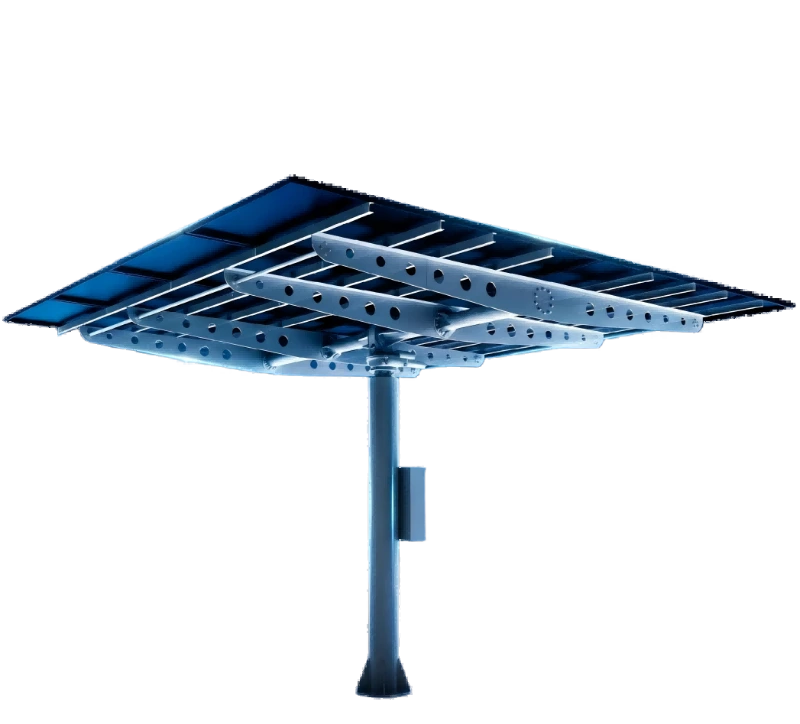
A Dual-Axis Solar Tracking System helps photovoltaic installations adjust panel orientation to follow the sun throughout the day and across seasonal changes. Unlike fixed mounting structures, this technology adjusts both horizontal and vertical angles, allowing solar modules to maintain a more favorable position relative to incoming sunlight.
What Is a Solar Control Communication Cabinet for Smarter PV Tracking?

What Is a Solar Control Communication Cabinet for Smarter PV Tracking?

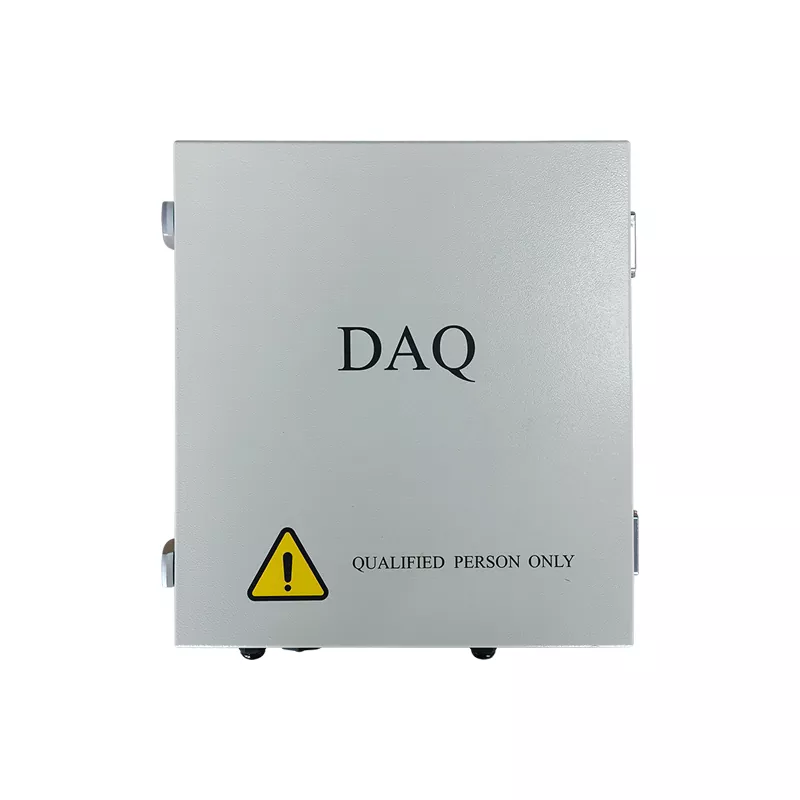
In a tracking-based photovoltaic system, accurate panel movement is only one part of the challenge. Operators also need dependable data transmission, coordinated control, rapid fault response, and protection against changing weather conditions. A Solar Control Communication Cabinet helps connect these requirements by acting as an important communication and control layer between tracker-level devices and higher-level monitoring systems.

How Does an Intelligent PV Tracker Improve Solar Power Generation?

How Does an Intelligent PV Tracker Improve Solar Power Generation?

An Intelligent PV Tracker dynamically adjusts the orientation of photovoltaic modules according to the sun's changing position and operating conditions. Compared with fixed-tilt installations, tracking technology can increase solar radiation received by the modules and improve energy yield when site conditions, system design, and economics are suitable. Modern intelligent trackers can combine astronomical positioning, sensors, motorized drives, control algorithms, weather information, backtracking, and remote monitoring to optimize operation throughout the day.

How Does a Multi-Row Multi-Drive Solar Tracker Improve Large-Scale Solar Performance?

How Does a Multi-Row Multi-Drive Solar Tracker Improve Large-Scale Solar Performance?

​A Multi-Row Multi-Drive Solar Tracker is designed to address several challenges faced by large photovoltaic installations, including limited land utilization, complex terrain, wind exposure, row shading, tracking accuracy, maintenance access, and energy losses caused by suboptimal panel orientation. By coordinating multiple rows and drive mechanisms, this tracking architecture can provide controlled solar-panel movement across large solar fields while improving operational flexibility.

How Does a Single-Axis PV Tracker Improve Solar Energy Performance?

How Does a Single-Axis PV Tracker Improve Solar Energy Performance?

A Single-Axis PV Tracker is a solar mounting system designed to rotate photovoltaic modules around one axis so that their surface remains better aligned with the sun throughout the day. Compared with fixed-tilt structures, tracking technology can increase solar irradiation captured by PV modules and improve energy production, particularly in locations with strong direct sunlight. However, the benefits of a tracker depend on project location, land conditions, system design, module configuration, wind loading, maintenance strategy, and overall project economics.

How Does a Multi-Row PV Tracker Improve Solar Energy Generation Efficiency?

How Does a Multi-Row PV Tracker Improve Solar Energy Generation Efficiency?

As solar power projects continue to expand worldwide, improving energy output while reducing land usage and operating costs has become a major challenge for developers and investors. A Multi-Row PV Tracker provides an advanced solar tracking solution by enabling multiple photovoltaic rows to work together through intelligent movement control and optimized positioning. This article explains how Multi-Row PV Tracker technology works, why it matters, the problems it solves, and how it helps large-scale solar farms achieve higher energy yields and better long-term performance.

Suzhou Ruitai Strengthens Workplace Safety Through Comprehensive Inspection Campaign

Suzhou Ruitai Strengthens Workplace Safety Through Comprehensive Inspection Campaign

SUZHOU, China – Demonstrating our unwavering commitment to operational excellence and employee well-being, Suzhou Ruitai has recently concluded a comprehensive workplace safety inspection and self-audit campaign. This initiative was launched in active response to the latest safety directives from the Wuzhong District, reinforcing our dedication to maintaining the highest standards of manufacturing safety.

How Does a PV Tracking TCU Improve Solar Tracking System Performance?

How Does a PV Tracking TCU Improve Solar Tracking System Performance?

​A PV Tracking TCU (Tracking Control Unit) is a critical component in modern photovoltaic tracking systems. It enables accurate solar position tracking, intelligent motor control, and reliable communication between the tracking controller and solar tracker structures. This article explains how PV Tracking TCU technology solves common challenges in solar power generation, improves energy efficiency, reduces maintenance costs, and supports the development of smarter solar farms.

How Does an Intelligent Solar Tracker TCU Improve Solar Energy Efficiency?

How Does an Intelligent Solar Tracker TCU Improve Solar Energy Efficiency?

As solar energy projects continue expanding worldwide, improving photovoltaic system efficiency has become a major challenge for developers, operators, and investors. An Intelligent Solar Tracker TCU (Tracker Control Unit) provides an advanced solution by enabling precise solar tracking, intelligent communication, and automated control.

How to Clean Solar Panels: A Step-by-Step Guide

How to Clean Solar Panels: A Step-by-Step Guide

Solar panels work tirelessly, collecting sunlight and converting it into household electricity. However, environmental factors such as dust, dirt, bird droppings and pollution can damage the surface of the panels, reducing their efficiency. If not addressed, this decline in performance will affect the expected energy output of the system and subsequently impact the overall return on investment.